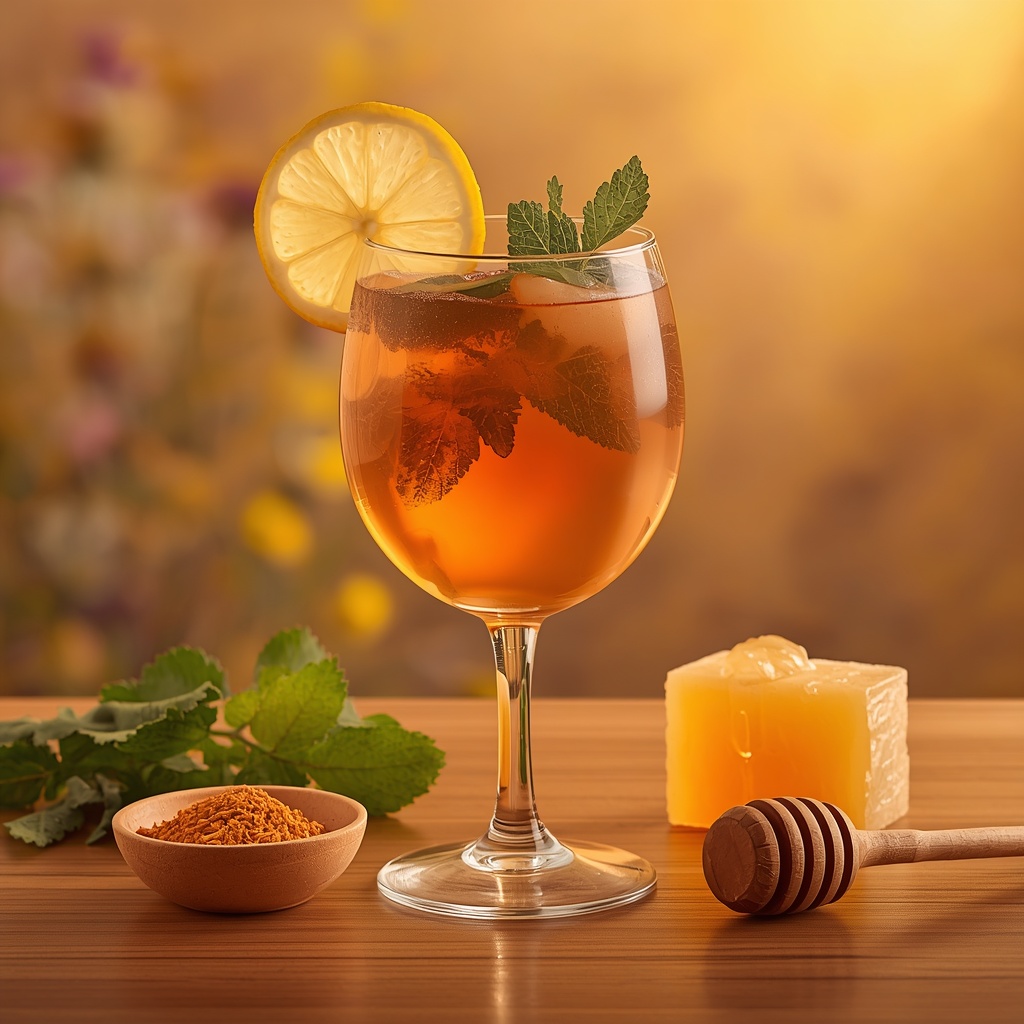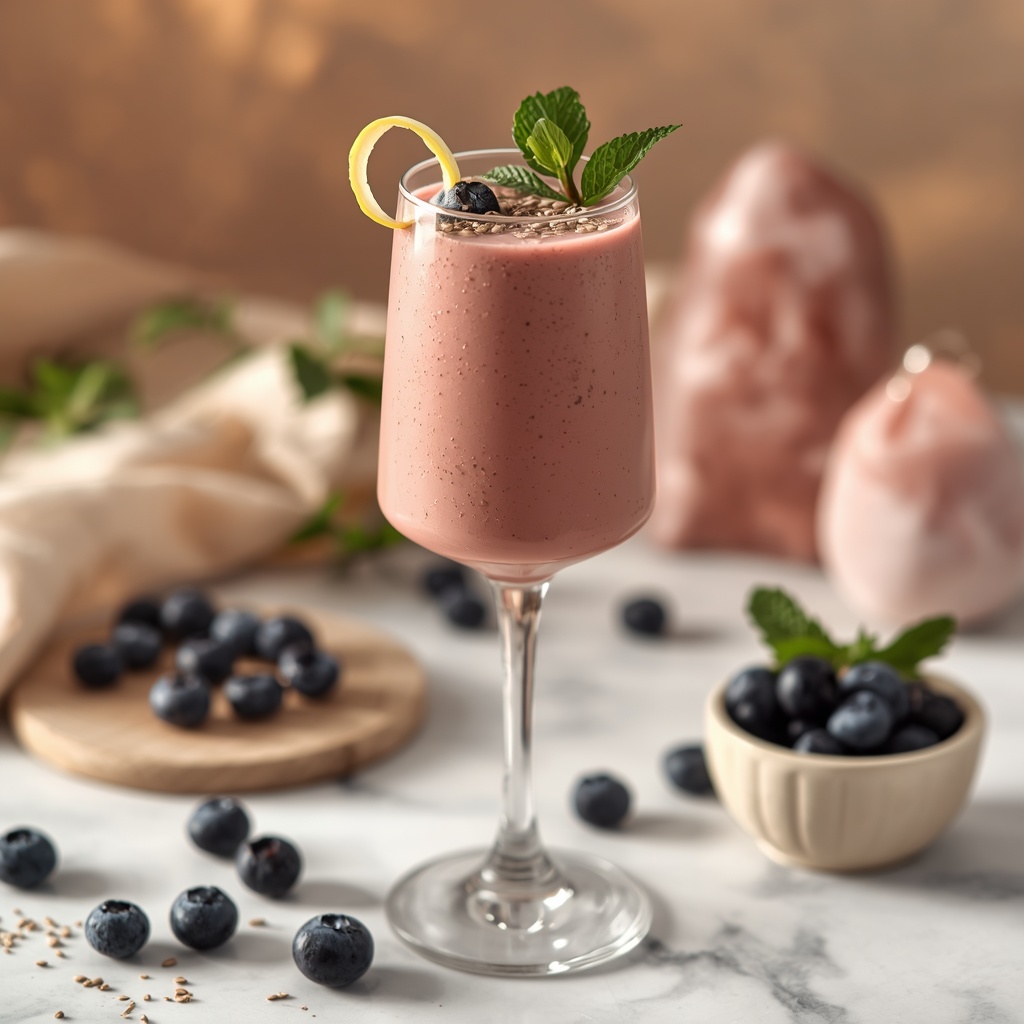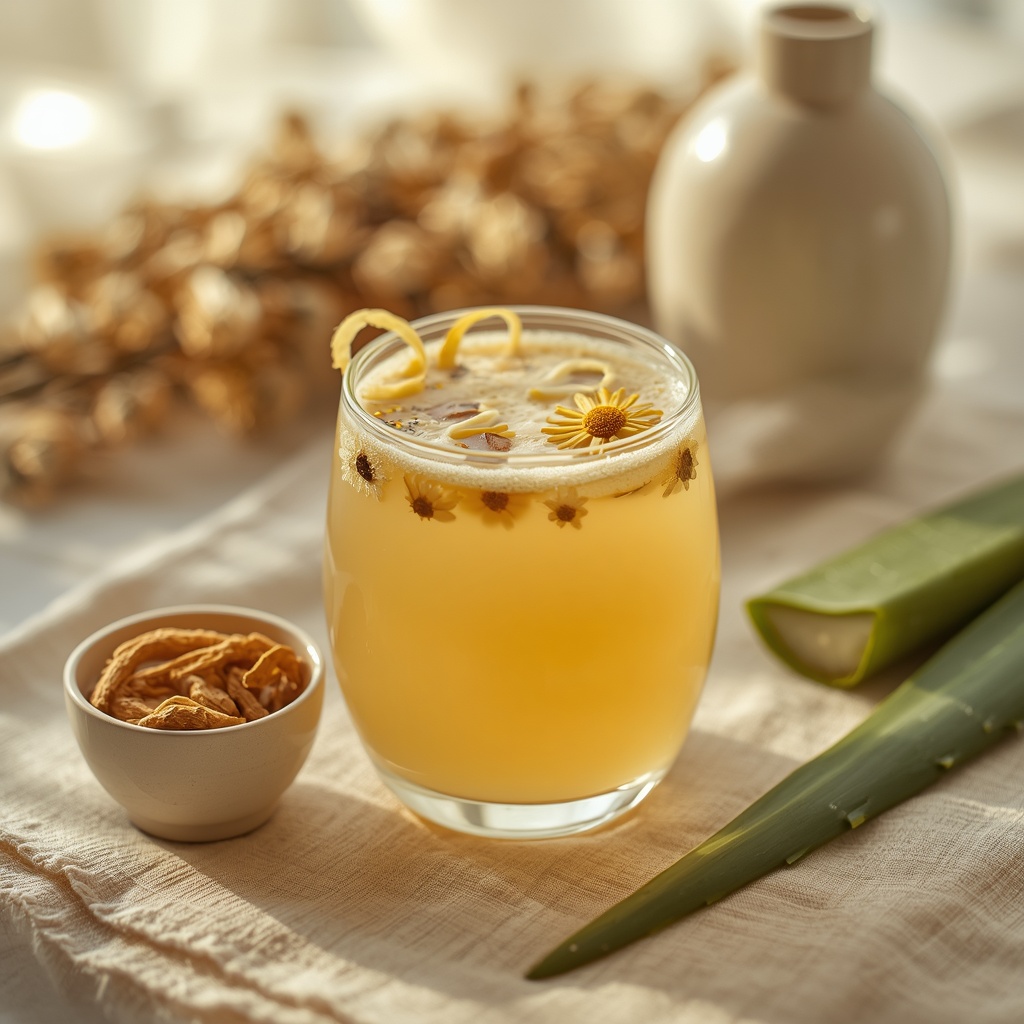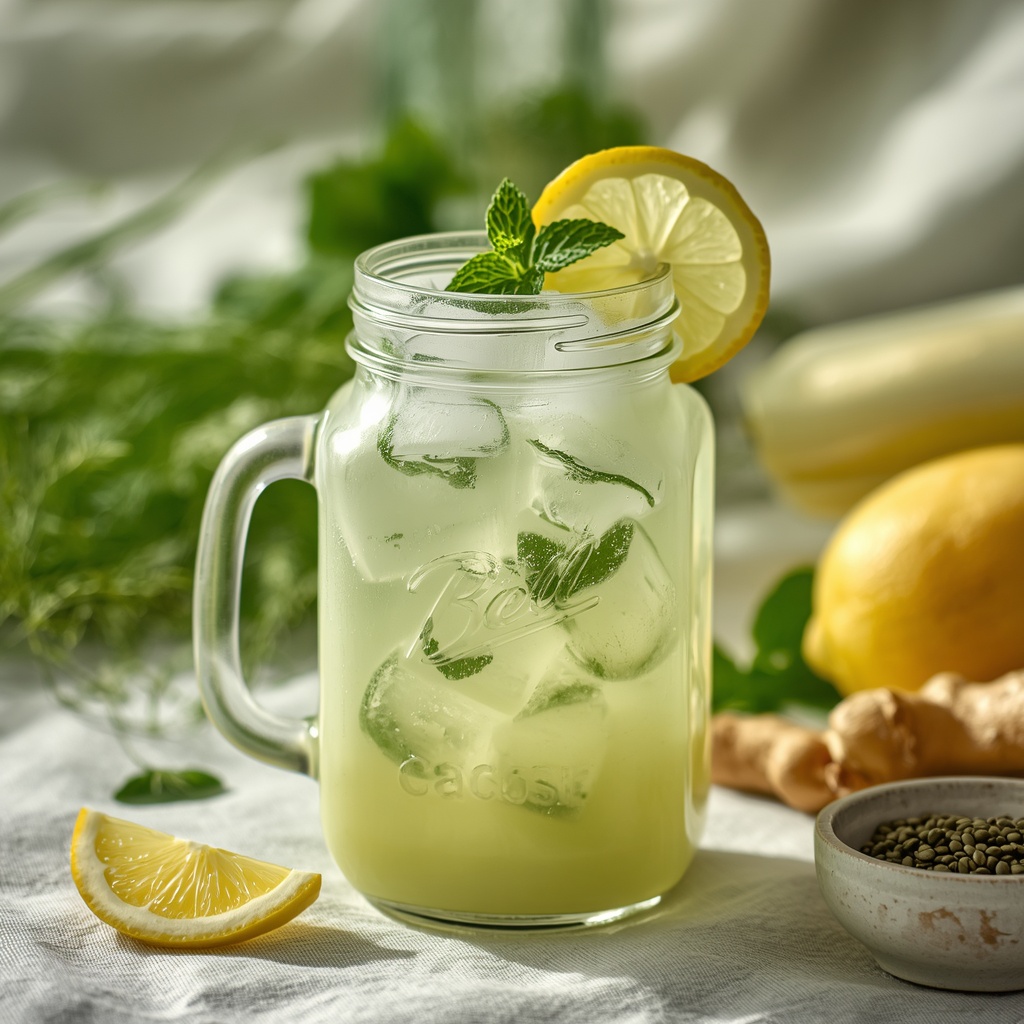
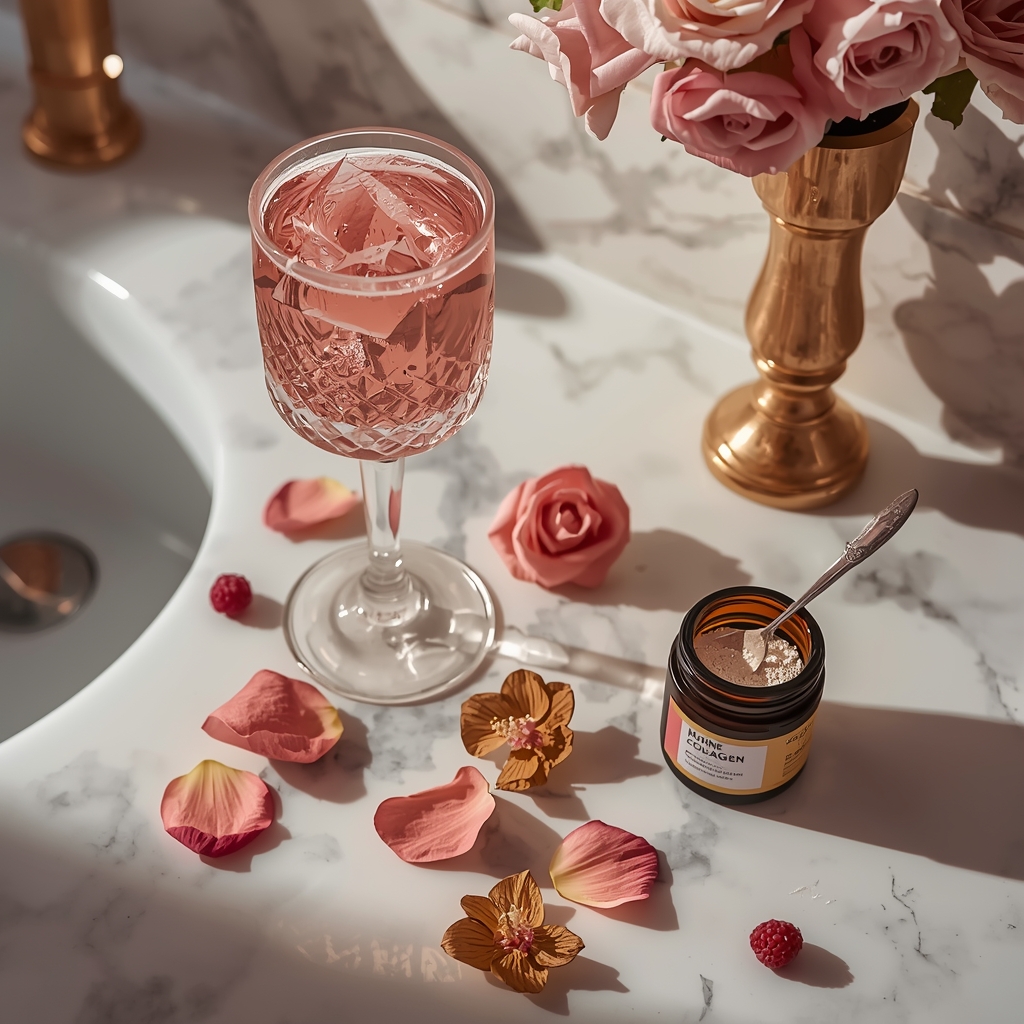
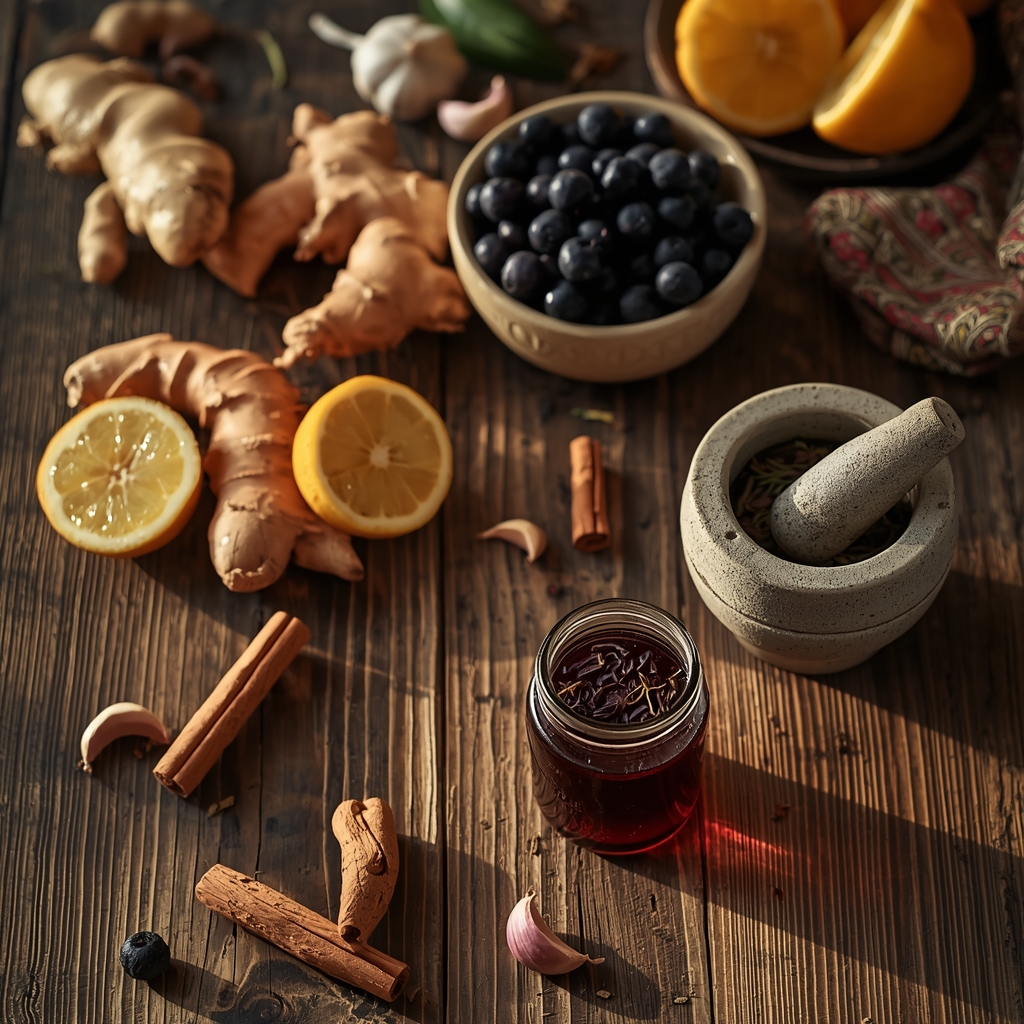
PMS is biology, not weakness. Backed by 12 clinical trials, this warm herbal tonic targets the hormonal root causes of luteal-phase mood swings — irritability, anxiety, and emotional overwhelm — so you can move through your cycle with more ease and less suffering.
| ⏱ Prep: 8 min | 👥 Serves: 1 | 💚 Goal: PMS & Hormonal Mood Balance | ⭐ Difficulty: Intermediate |
Before it was a wellness trend, Vitex agnus-castus — the “chaste tree” — was already centuries old. Ancient Greek physician Hippocrates described its medicinal uses around 400 BCE, and Roman women wove its leaves into their beds during the Thesmophoria festival. Medieval monks famously chewed the peppery berries to dampen sexual desire, earning the plant its enduring nickname “monk’s pepper.”
For nearly two millennia, this shrub from the Mediterranean was valued precisely for suppressing hormonal drive. Then modern pharmacology arrived and found something unexpected: Vitex works — but not the way anyone thought.
Rather than suppressing hormones broadly, vitex binds to dopamine D2 receptors in the pituitary gland, reducing the secretion of prolactin. High prolactin in the luteal phase is now recognized as a key driver of PMS symptoms — irritability, mood swings, breast tenderness, and anxiety. Twelve randomized controlled trials later, the herb once used by monks is now among the most clinically validated botanicals for PMS relief.
The Vitex Moon Cycle Tonic brings that ancient wisdom forward — paired with shatavari, oat straw, raspberry leaf, and rose water — into a single, ritual-worthy drink for your luteal phase.
The Hormonal Science Behind Why This Tonic Calms PMS (It’s Not What You Think)
Most PMS remedies target symptoms. This tonic targets the hormonal mechanisms underneath — and every ingredient earns its place.
Chasteberry (Vitex agnus-castus): A Cochrane-grade systematic review of 12 randomized controlled trials found vitex significantly reduces PMS symptoms including irritability, mood swings, anger, and depression (PMID 23136064). The mechanism: vitex acts as a dopamine D2 receptor agonist in the pituitary gland, lowering elevated prolactin levels. Excess prolactin in the luteal phase is directly linked to the emotional turbulence many women experience days before their period.
Shatavari root: This Ayurvedic adaptogen contains steroidal saponins with phytoestrogenic activity that supports healthy progesterone levels during the luteal phase. It also modulates the GABAergic nervous system — the same pathway targeted by anti-anxiety medications — reducing PMS-related anxiety without sedation (PMID 26609282).
Oat straw magnesium: Oat straw is a rich source of bioavailable magnesium. Clinical trials using 200–360 mg/day of magnesium supplementation show significant reductions in PMS mood symptoms including tension, anxiety, and depression (PMID 9861593). Magnesium deficiency is disproportionately common in women during the luteal phase.
| 💡 Did You Know? — Timing Is EverythingYour luteal phase begins at ovulation (around cycle day 14) and ends with the onset of menstruation — typically 12–16 days. Prolactin and cortisol tend to spike during this window while progesterone can drop prematurely, triggering the mood crashes many women know as PMS. Starting this tonic at day 14 and continuing through the first day of your period allows vitex and shatavari to work during the exact window when your hormonal balance is most vulnerable. |
Raspberry leaf: Contains fragarine, an alkaloid that relaxes and tones uterine smooth muscle, reducing cramping (PMID 19170558). Because physical pain amplifies emotional distress, less cramping means a more stable mood during menstruation.
Rose water: Geraniol and citronellol — volatile compounds in rose water — measurably reduce anxiety scores through the olfactory-limbic pathway (PMID 25153618). Scent directly bypasses cognitive filters and reaches the emotional processing centers of the brain.
The synergy: Vitex targets the prolactin/dopamine axis; shatavari supports the progesterone baseline. Both hormonal triggers are addressed simultaneously, while oat straw magnesium stabilizes the nervous system between them.
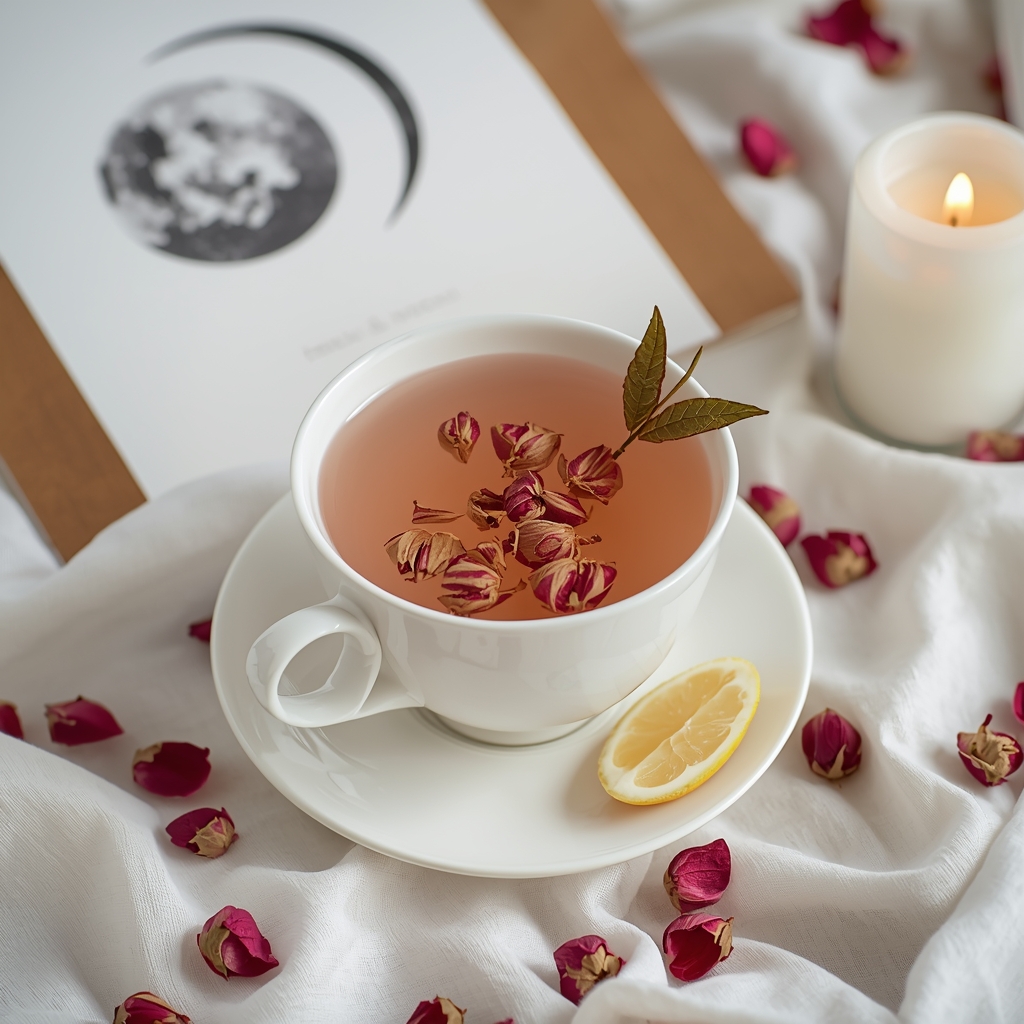
Recipe: Vitex Moon Cycle Tonic
| Category | Mind & Mood |
| Prep Time | 8 minutes |
| Servings | 1 |
| Difficulty | Intermediate |
| Best Timing | Cycle day 14 through menstruation; morning or before bed |
Ingredients
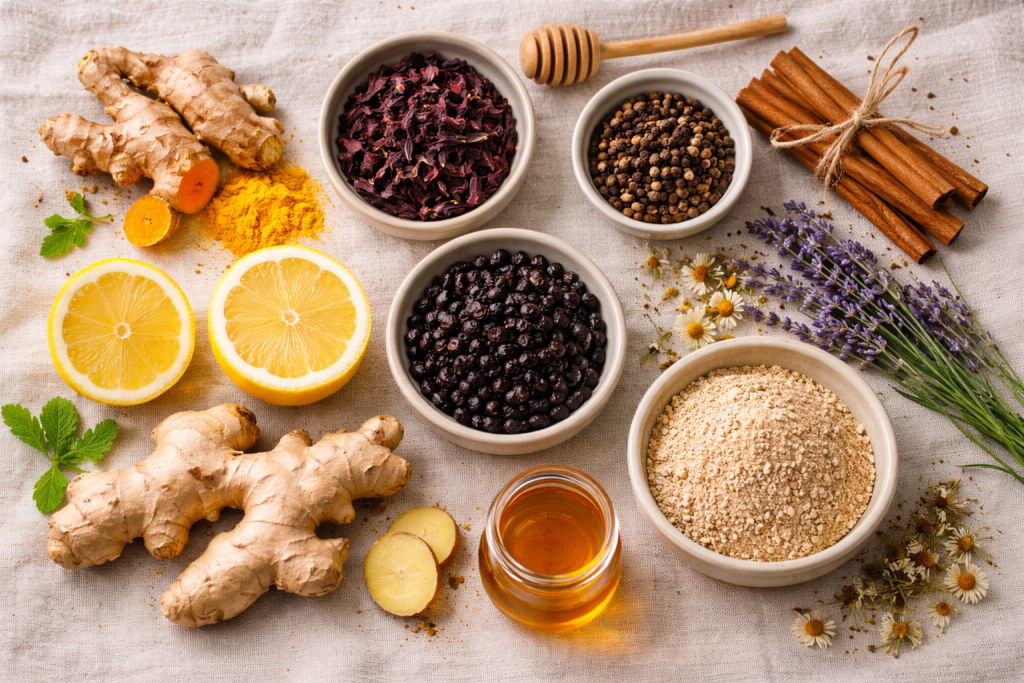
- ½ tsp chasteberry (vitex agnus-castus) extract powder — standardized to 0.5% agnusides
- ½ tsp shatavari root powder
- 7 oz (210 ml) oat straw infusion, brewed strong
- 1 bag raspberry leaf tea (brewed together with the oat straw)
- 1 tbsp food-grade rose water
- 1 tsp fresh lemon juice
- 1–2 drops pure stevia
Instructions
- Brew oat straw and raspberry leaf tea together in 7 oz of just-boiled water for 10 minutes. Strain and allow to cool to a warm (not hot) temperature.
- Add chasteberry and shatavari powders to the warm herbal infusion. Whisk briskly until fully dissolved — no clumps.
- Stir in rose water and fresh lemon juice.
- Add 1–2 drops of stevia; taste and adjust sweetness.
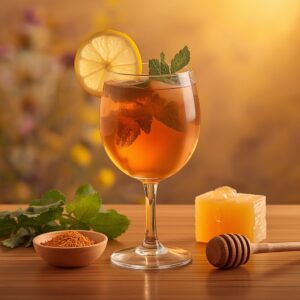
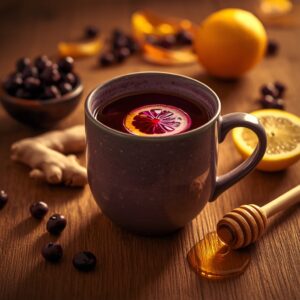
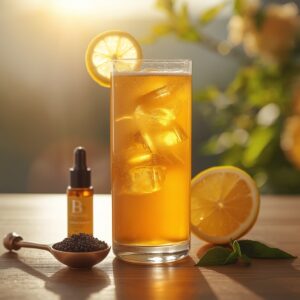
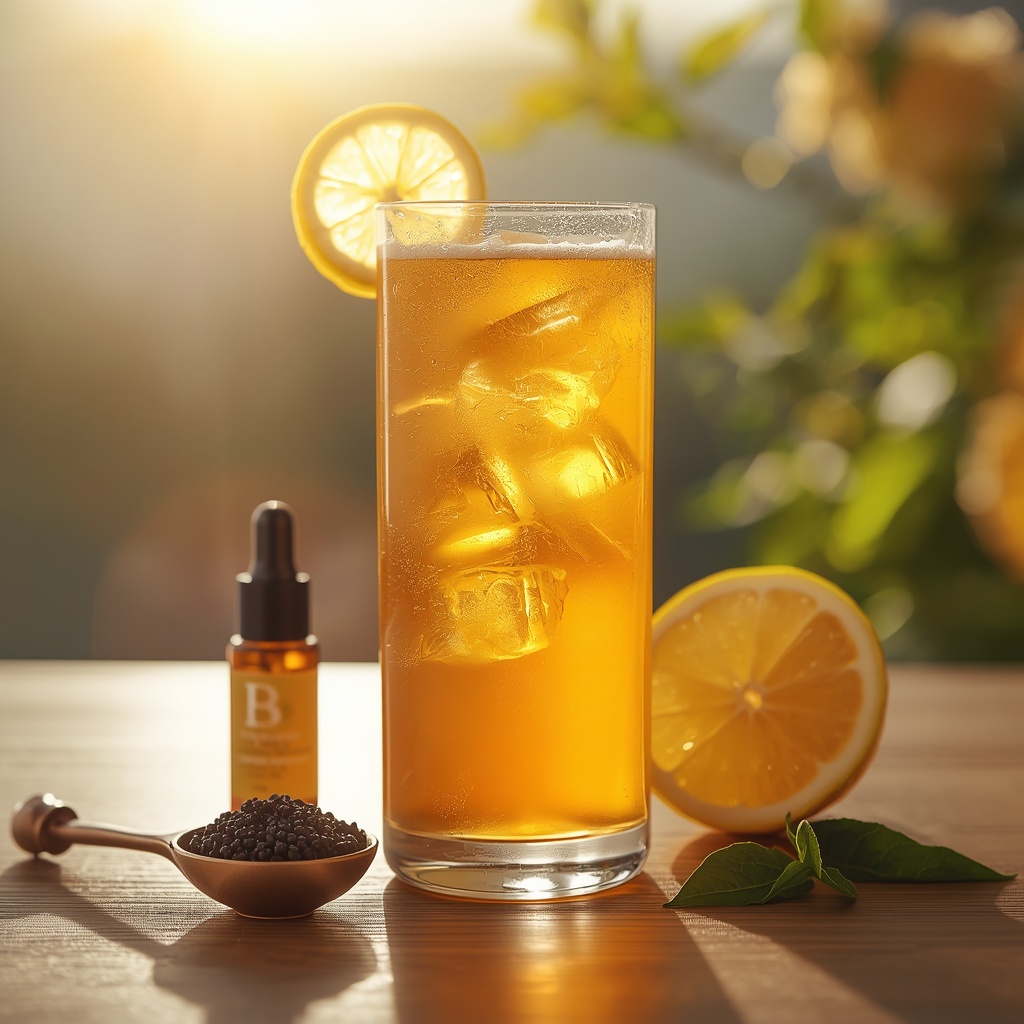
- Serve warm in a ceramic mug or pour over ice for a refreshing iced version. Best enjoyed in the early morning or before bed during your luteal phase.
Variations
| Variation | Modification | Notes |
| Vegan ✅ | No changes needed | All ingredients are plant-based |
| Sugar-Free | Omit stevia entirely | The lemon and rose water provide natural brightness |
| Iced Version | Cool to room temperature, then pour over ice | Ideal for warmer weather or post-workout recovery |
Make It Your Ritual
Start on cycle day 14 — the day of ovulation — and track your mood daily in a journal or app. Most women notice a meaningful difference within 2–3 cycles of consistent use. Consistency is the key: vitex works cumulatively, not acutely.
📌 Save this recipe to Pinterest so you’ll always have it ready when your luteal phase begins!
| ⚠ Medical Disclaimer: Vitex (chasteberry) should not be used during pregnancy or breastfeeding. It may interact with hormonal contraceptives, dopamine-related medications, and other hormone therapies. If you are on any prescription medication or have a hormone-sensitive condition, consult your healthcare provider before use. This article is for informational purposes only and does not constitute medical advice. These statements have not been evaluated by the FDA. |