
Feeling wiped out before the day even begins? Before you blame willpower or poor sleep habits, consider this: it’s not laziness — it’s measurable biology. When your HPA (hypothalamic-pituitary-adrenal) axis becomes dysregulated, your body loses its ability to modulate cortisol properly. The result? Crushing morning fatigue, brain fog, low mood, and the feeling that no amount of rest is ever enough.
This tonic draws on Soviet-era adaptogen research — decades of rigorous study conducted on cosmonauts and Olympic athletes — to deliver four clinically-studied herbs that work at different points on your HPA axis simultaneously. No stimulants. No crash. Just targeted biological support.
| ⏱ Prep 8 min | 👥 Serves 1 | 💚 Goal Adrenal Recovery & HPA Reset | ⭐ Difficulty Intermediate |
The Soviet Science That Changed Stress Research Forever
In the early 1960s, Soviet scientists at the Institute of Marine Biology in Vladivostok had an unusual problem: how do you keep cosmonauts mentally sharp and physically resilient during the crushing demands of space missions — without synthetic stimulants?
Their answer came from the forests of the Russian Far East. Dr. Israel Brekhman and his team systematically tested native plants, coining the term “adaptogen” to describe substances that increase non-specific resistance to stress. Their most pivotal discovery was Eleutherococcus senticosus — Siberian ginseng, or eleuthero — identified as a safer, more sustainable alternative to expensive Korean Panax ginseng.
Over the following two decades, more than 40 Soviet clinical trials documented eleuthero’s effects on HPA normalization, physical stamina, and immune resilience in athletes, miners, and military personnel. This wasn’t folk medicine — it was state-funded pharmacology.
Fast forward to today. The modern equivalent of a Soviet cosmonauts’ stress is the chronically overworked knowledge worker — running on cortisol dysregulation, caffeine dependency, and poor sleep. The biology is identical. So the solution, updated with modern research on schisandra, maca, and DGL licorice, maps remarkably well onto the burnout crisis of the 21st century.
Why This Tonic Works on Your Adrenal Axis (Not Just Your Energy)
Most “energy drinks” work by forcing your adrenals to produce more cortisol or by stimulating the central nervous system — making the underlying problem worse. This tonic does the opposite: it targets the regulatory machinery of your stress response at three distinct biological levels.
Eleuthero (Siberian ginseng): Acts at the pituitary and hypothalamic level, normalizing the HPA axis signaling cascade. Over 40 published Soviet and Russian trials demonstrate anti-fatigue and stress-resilience effects (PMID 12410546).
Schisandra (schisandrin B): Works at the hepatic (liver) level, modulating 11β-HSD1 — the enzyme that converts inactive cortisone into active cortisol in peripheral tissues. This helps regulate how much cortisol your body actually experiences, not just how much is produced (PMID 23899726).
DGL Licorice Root: Inhibits 11β-HSD2, the enzyme that degrades cortisol, effectively extending cortisol’s half-life in low-cortisol (hypocortisol) states. In integrative medicine, DGL licorice is commonly used to support those with adrenal burnout where cortisol output has become depleted rather than excessive (PMID 18315070).
| 💡 Did You Know? The Cortisol Awakening Response (CAR)In healthy individuals, cortisol spikes 50–160% within the first 30–45 minutes after waking. This is the Cortisol Awakening Response (CAR), and it sets the tone for your entire day’s energy, immunity, and cognitive capacity. In people with adrenal burnout or HPA dysregulation, this morning spike is blunted or absent — which explains the “can’t get going” feeling even after a full night’s sleep.Taking this tonic within 30 minutes of waking synchronizes its adaptogenic compounds with the natural CAR window — the precise moment your HPA axis is actively recalibrating itself. |

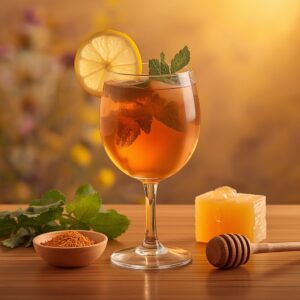
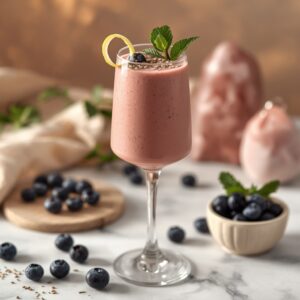
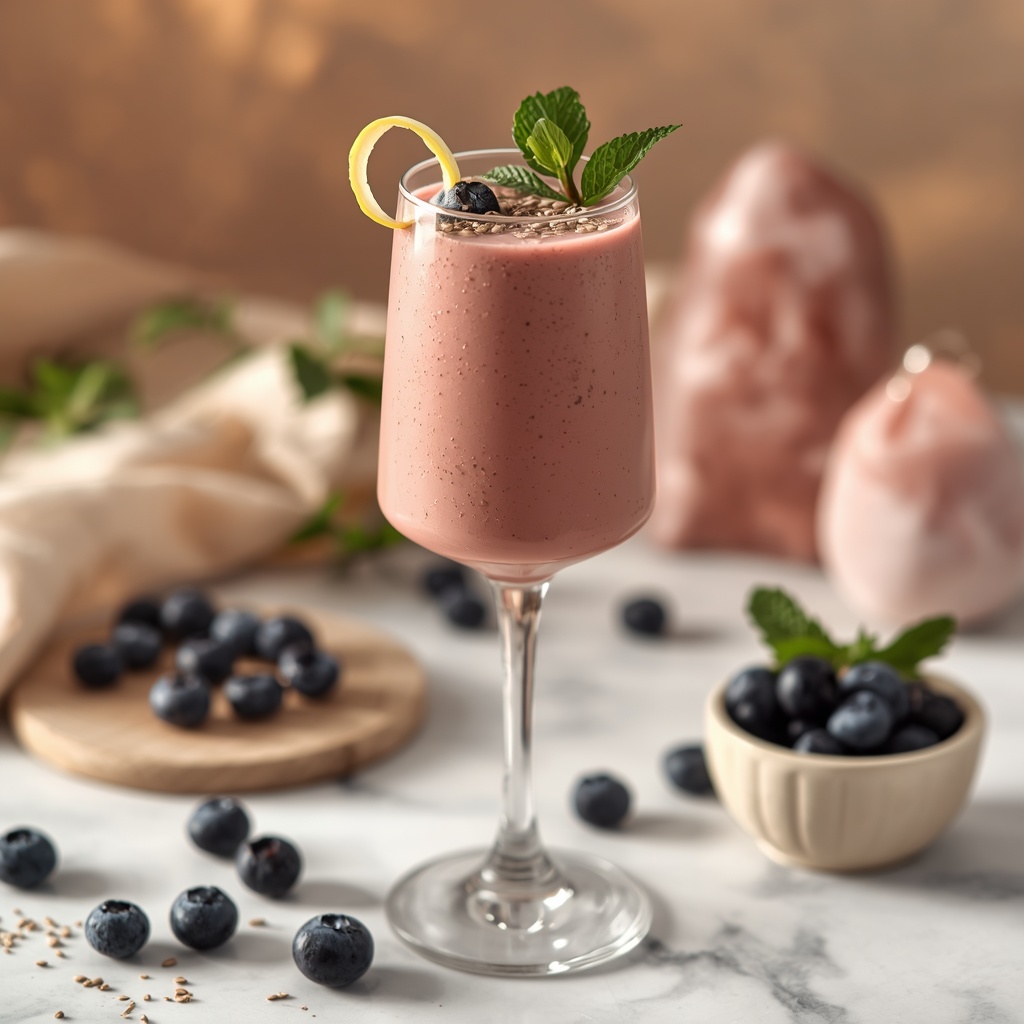
Recipe: Schisandra Revival Tonic
| Category | Mind & Mood |
| Problem | Burnout, Adrenal Fatigue & HPA Axis Dysregulation |
| Prep Time | 8 minutes |
| Servings | 1 |
| Difficulty | Intermediate |
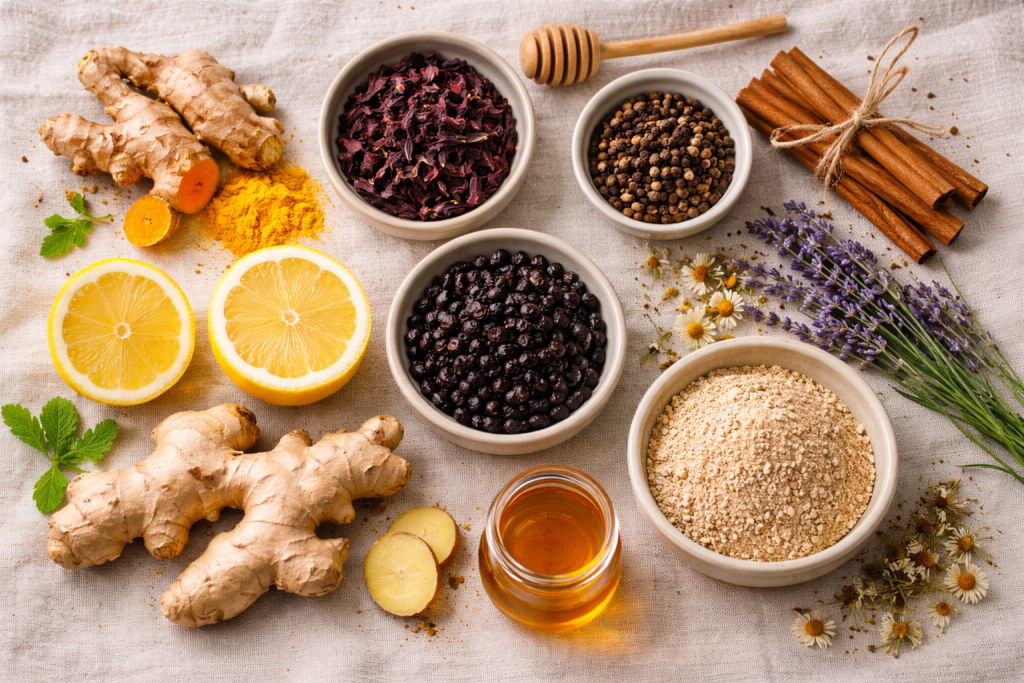
Ingredients:
- 1 tsp maca root powder (gelatinized, yellow)
- ½ tsp eleuthero (Siberian ginseng) extract powder
- ½ tsp schisandra berry powder
- ¼ tsp DGL licorice root powder (deglycyrrhizinated)
- 2 oz (60 ml) tart cherry juice, unsweetened
- 6 oz (180 ml) warm rooibos tea or warm water
- ½ tsp raw honey
Instructions:
- Brew rooibos tea to approximately 170°F (76°C) — not boiling, to preserve heat-sensitive compounds.
- Whisk maca, eleuthero, schisandra, and DGL licorice powders into 1 tbsp of warm liquid until a smooth paste forms. This prevents clumping.
- Add remaining rooibos tea and tart cherry juice. Stir vigorously or use a milk frother for 30 seconds.
- Add raw honey; stir until fully dissolved.
- Sip warm. For best results, drink within 30 minutes of waking to align with your Cortisol Awakening Response window.
Variations:
| Variation | Substitution | Notes |
| Vegan | Replace raw honey with pure maple syrup | Use same ½ tsp quantity |
| Sugar-Free | Use liquid stevia (2–3 drops) instead of honey | Taste and adjust |
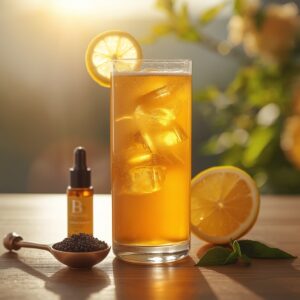
| Afternoon Iced | Brew double-strength rooibos, cool, pour over ice, skip warm water | Refreshing summer option |
Ready to Start Your Reset?
Give this tonic a genuine chance: try it consistently for 2 weeks before judging the results. Adaptogens work cumulatively — they recalibrate regulatory systems gradually, not overnight. Most people report noticeable improvements in morning energy and stress resilience between days 10 and 21.
📌 Save this recipe on Pinterest so you can find it every morning — and share it with a friend who’s been running on empty.
| Medical DisclaimerThis article is for informational and educational purposes only. It does not constitute medical advice and is not a substitute for professional healthcare guidance. The statements in this article have not been evaluated by the FDA. This product/recipe is not intended to diagnose, treat, cure, or prevent any disease.Important: DGL (deglycyrrhizinated) licorice in small culinary amounts is generally well tolerated. However, avoid regular (non-DGL) licorice if you have high blood pressure, are pregnant, or take medications affecting blood pressure or potassium levels. Consult your healthcare provider before making significant changes to your wellness routine. |