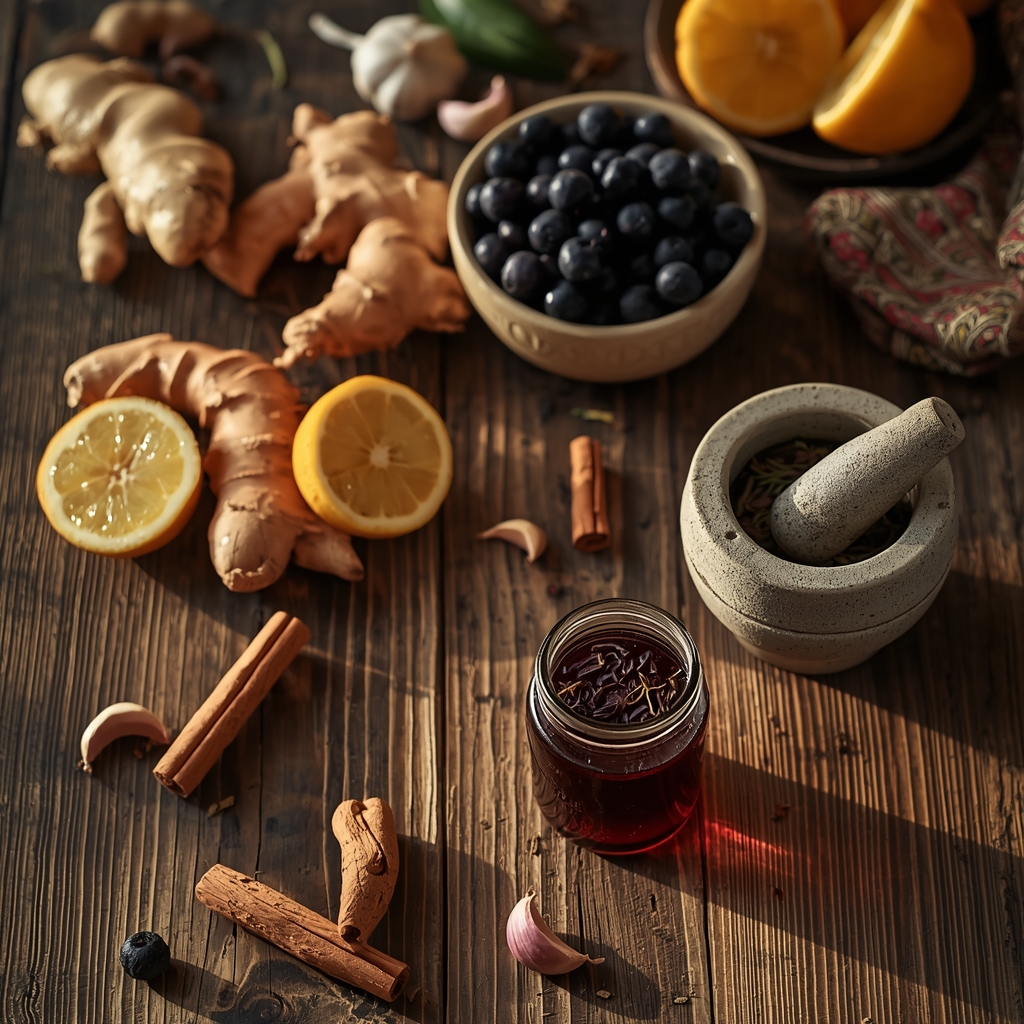

When the doxycycline finally worked — but left a dusty grey shadow on your skin that won’t fade — this slow-recovery sip is built for the long fade.
| ⏱ Prep 5 min | 👥 Serves 1 | 💚 Goal Pigment recovery support | ⭐ Difficulty Easy |
Drug-induced hyperpigmentation is one of those side effects nobody warned you about. After months — sometimes years — of doxycycline for acne, hydroxychloroquine for an autoimmune condition, or amiodarone for an arrhythmia, you start to notice subtle changes: a dusty grey-blue cast on your shins, faint yellow-brown patches on your face, or muddy discoloration in areas of friction or sun exposure. The medication might have done its job. But the pigment is now its own quiet, ongoing problem.
The good news: drug-induced pigment usually fades — but slowly, often over 12 to 24 weeks, sometimes longer, and only with strict sun protection paired with internal nutritional support. This deep burgundy daily sip is built for that long fade. It pairs four ingredients with documented relevance to melanin pathway modulation: NAC (a glutathione precursor), vitamin C, niacinamide, and pomegranate polyphenols — in a base of rose hip tea, blueberries, and pomegranate that delivers a steady stream of antioxidants for the skin’s slow recovery work.
The Long Tail of a Drug You No Longer Take
Many people take long-term medications without ever connecting them to skin changes. Three years on hydroxychloroquine for lupus, five years on doxycycline for adult acne, two years on amiodarone for an arrhythmia — and slowly, almost too slowly to notice from one week to the next, the skin starts holding pigment differently. The change is often blamed on age, sun, or stress. Only when a dermatologist takes a careful medication history does the pattern become clear.
Cosmetic dermatology has spent the last decade refining what works for slow-fade hyperpigmentation: tyrosinase inhibitors (which slow new melanin synthesis), antioxidants (which protect the skin during the fade), and melanin-transfer modulators (which reduce the amount of pigment delivered to surface skin cells). The Journal of Drugs in Dermatology, Current Medicinal Chemistry, and the British Journal of Dermatology have each contributed pieces of this picture. NAC, vitamin C, niacinamide, and pomegranate polyphenols each show up in this literature with quiet consistency. None of them is a quick fix. All of them, taken daily and consistently for months, contribute to the slow fade — and this sip is engineered to deliver them in one drink, every afternoon.
Why This Cocktail Works (According to Science)
Each ingredient acts on one mechanism in the melanin pathway — and they work in different parts of the recovery process.
- NAC, N-acetylcysteine (600 mg): The Journal of Drugs in Dermatology has reported NAC as a glutathione precursor — supporting the body’s master antioxidant pool that the skin draws on heavily during pigment fade. Glutathione is documented to modulate melanin synthesis.
- Vitamin C (500 mg): Current Medicinal Chemistry has documented vitamin C as a tyrosinase inhibitor — meaning it slows the enzyme that catalyzes the early steps of melanin production. Less new pigment means the skin’s natural turnover can finally catch up to the existing dusty patches.
- Niacinamide (500 mg): The British Journal of Dermatology has reported niacinamide’s reduction of melanosome transfer to keratinocytes — which translates to less pigment moving from the deep skin to the surface, even when some pigment is still being produced.
- Pomegranate polyphenols: Molecular Nutrition & Food Research has documented pomegranate polyphenols as mild tyrosinase modulators with strong antioxidant action — making them a complementary delivery vehicle for the other actives.
| 💡 Did You Know? Drug-induced pigment fades on a much longer timeline than sun-induced pigment — often 12 to 24 weeks of consistent care, sometimes longer. The reason: many of these drug-pigment complexes (especially with amiodarone or hydroxychloroquine) sit deeper in the dermis than UV-induced melanin, and the skin has to literally turn over those deeper layers before the visible change happens. |
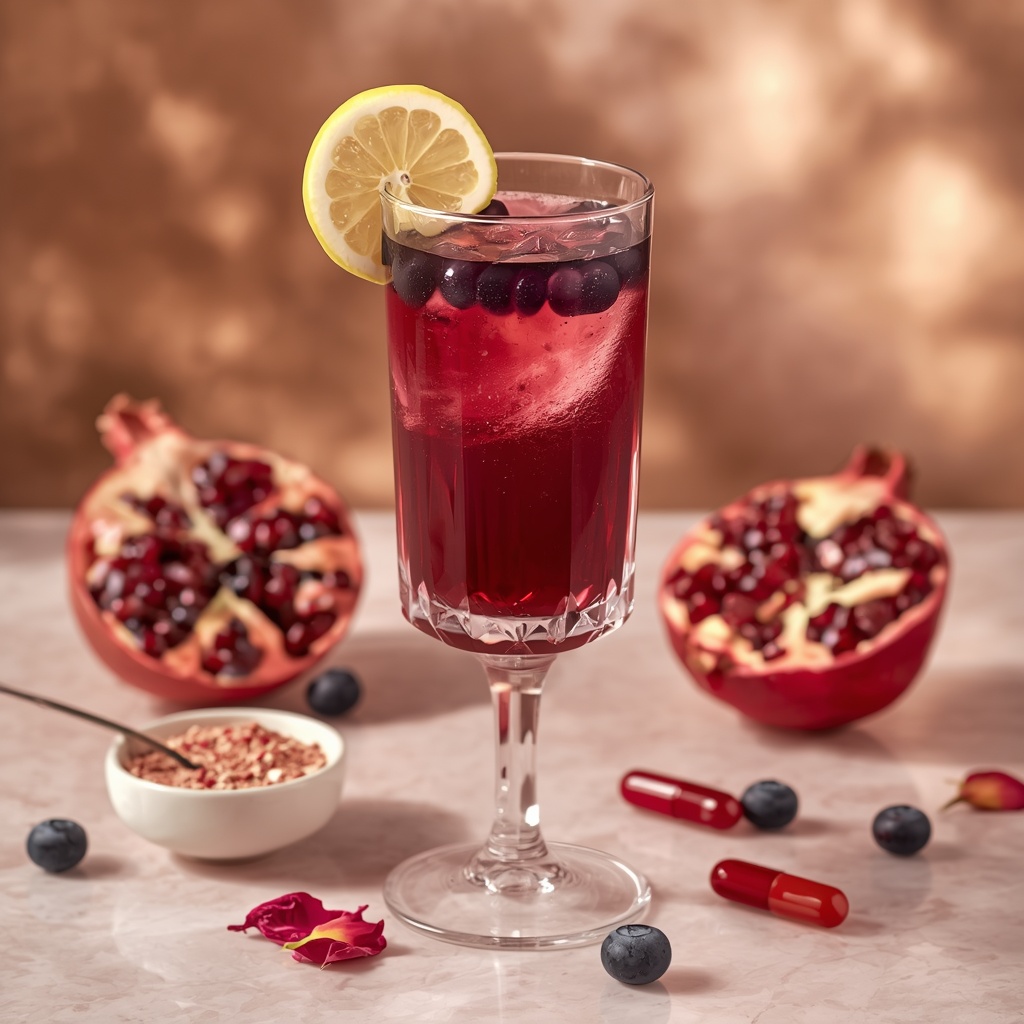
Recipe: Pigment Fade Tonic
Ingredients
- 6 oz brewed rose hip tea (2 bags steeped 10 minutes, cooled)
- 2 oz filtered water
- ¼ cup frozen pomegranate seeds
- ¼ cup frozen blueberries
- 1 tsp fresh lemon juice
- 600 mg NAC powder (N-acetylcysteine)
- 500 mg vitamin C (opened capsule)
- 500 mg niacinamide (opened capsule)
- 2 drops liquid stevia (optional)
- For garnish: a small handful of fresh pomegranate seeds
Instructions
- Brew the rose hip generously. Steep two rose hip tea bags in 8 oz of hot water for 10 full minutes — the long steep extracts the natural vitamin C content of the rose hips themselves. Strain, cool 5 minutes, and reserve 6 oz.
- Build the blender base. In a blender, combine the cooled rose hip tea, the filtered water, the frozen pomegranate seeds, the frozen blueberries, and the lemon juice.
- Add the actives. Pour in the NAC powder, empty the vitamin C and niacinamide capsules, and add the optional stevia.
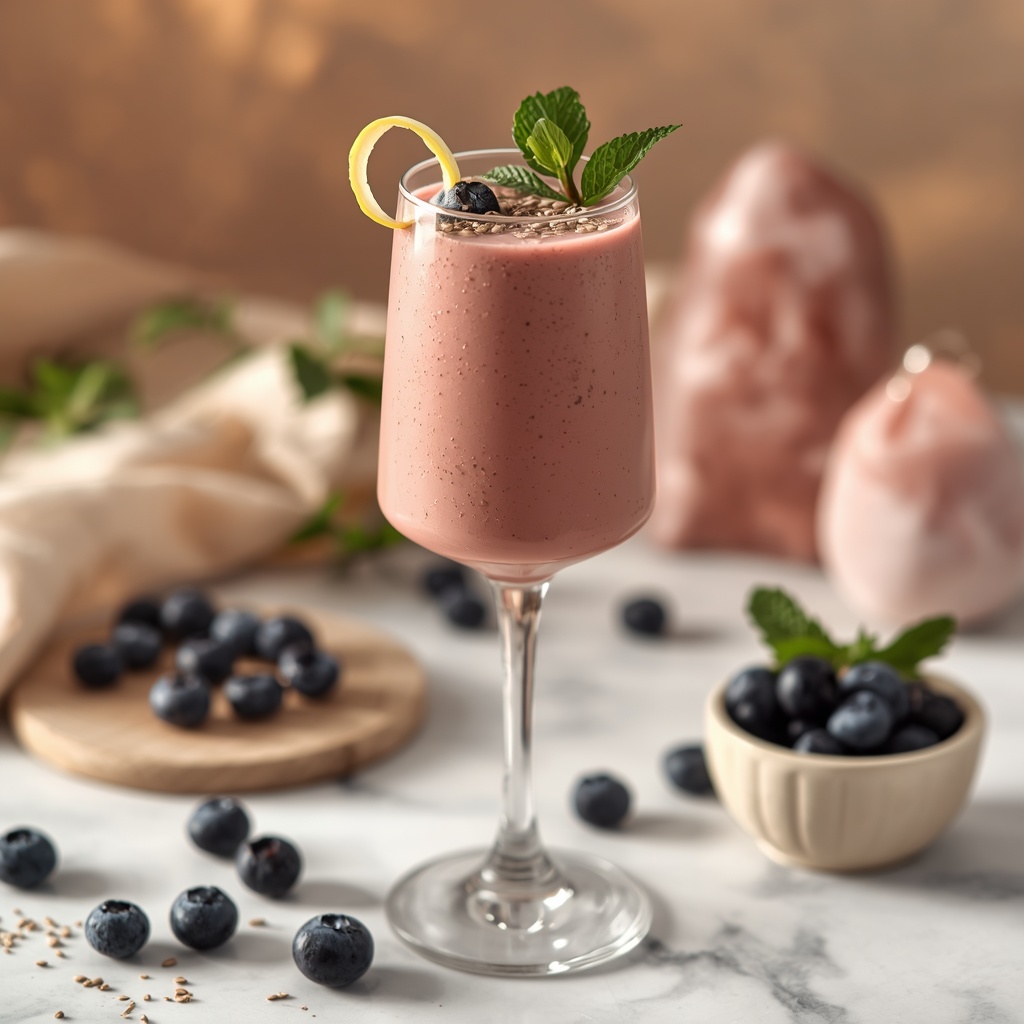
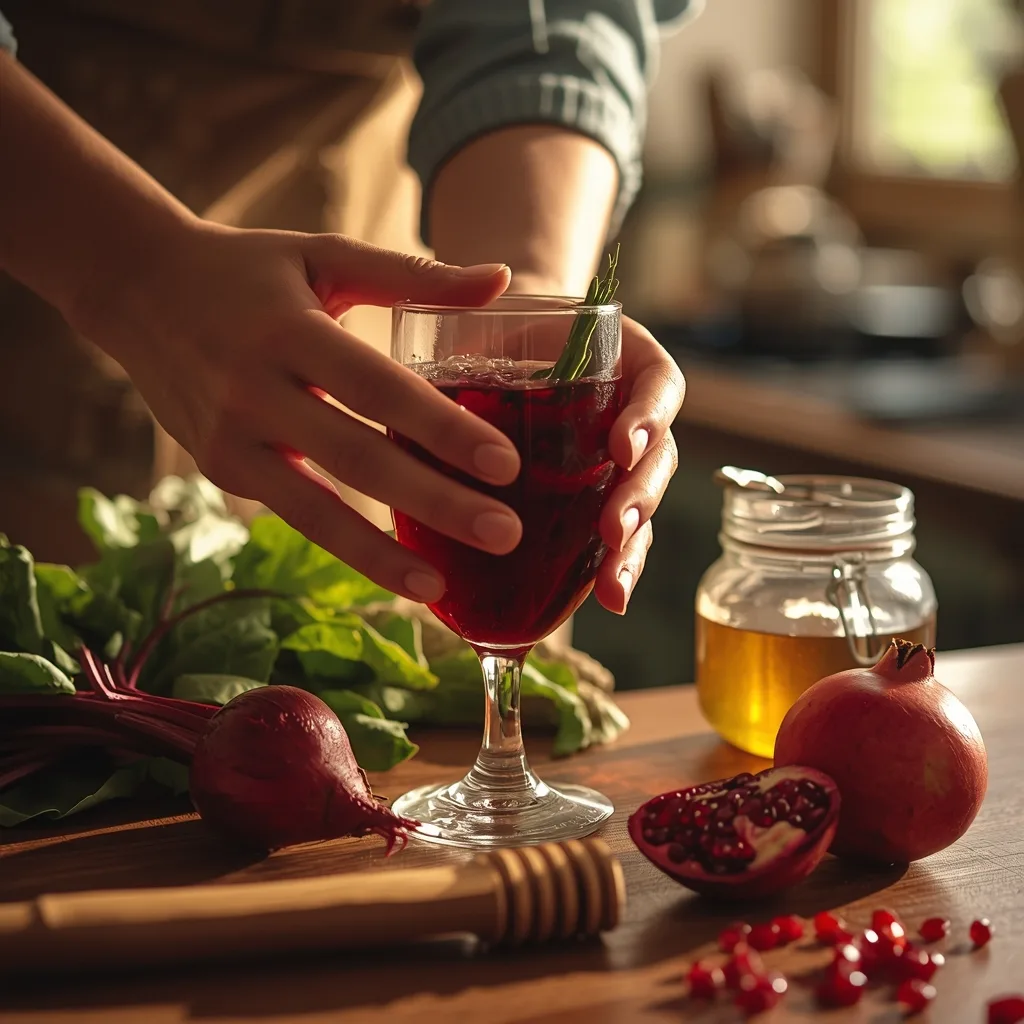
- Blend smooth. Run the blender for 30 seconds. The texture should be silky, slightly thick, and a deep burgundy-magenta color from the pomegranate and blueberries.
- Drink mid-afternoon, daily, for 12 to 24 weeks. Pair with strict daily SPF 30+ sunscreen, especially on the affected areas — sun exposure during the fade window will undo the work.
| 💡 Tip Sunscreen is non-negotiable. Internal pigment fade is roughly 30% of the work; consistent UV protection is the other 70%. Without daily SPF, even the most diligent sip routine will plateau. |
Variations
| 🌿 Strict sugar-free | Already minimal as written — the berries and pomegranate carry the natural sweetness. |
| 🥛 Vegan | Already 100% plant-based. |
| ❄️ Iced | Adapts beautifully — drink it fully chilled in summer; it reads almost like a healthy berry slushie. |
| 💪 Boosted | Add 200 mg alpha-lipoic acid for additional antioxidant support during the fade window — useful if you also have post-inflammatory hyperpigmentation. |
Stay Patient — This Is a 12-to-24-Week Practice
Drug-induced pigment is one of the slower problems on the skin. Most users see their first measurable fade between weeks 8 and 12, with continued improvement through week 24. The drink is one piece. Sunscreen is the other. Patience is the third.
📌 Save this recipe on Pinterest for later — drug-induced pigment is rarely discussed but quietly searched.
| ⚠️ Disclaimer: This article is for informational and educational purposes only and does not constitute medical advice. It is NOT intended to diagnose, treat, cure, or prevent any disease. Hyperpigmentation can also be a symptom of melasma, post-inflammatory pigment, Addison’s disease, or other conditions — get persistent pigment evaluated by a dermatologist. Do not stop or modify any medication based on this article. NAC can interact with nitroglycerin and certain anticoagulants; high-dose vitamin C can affect kidney stone risk in susceptible individuals. Always consult a qualified healthcare professional before making dietary changes. |