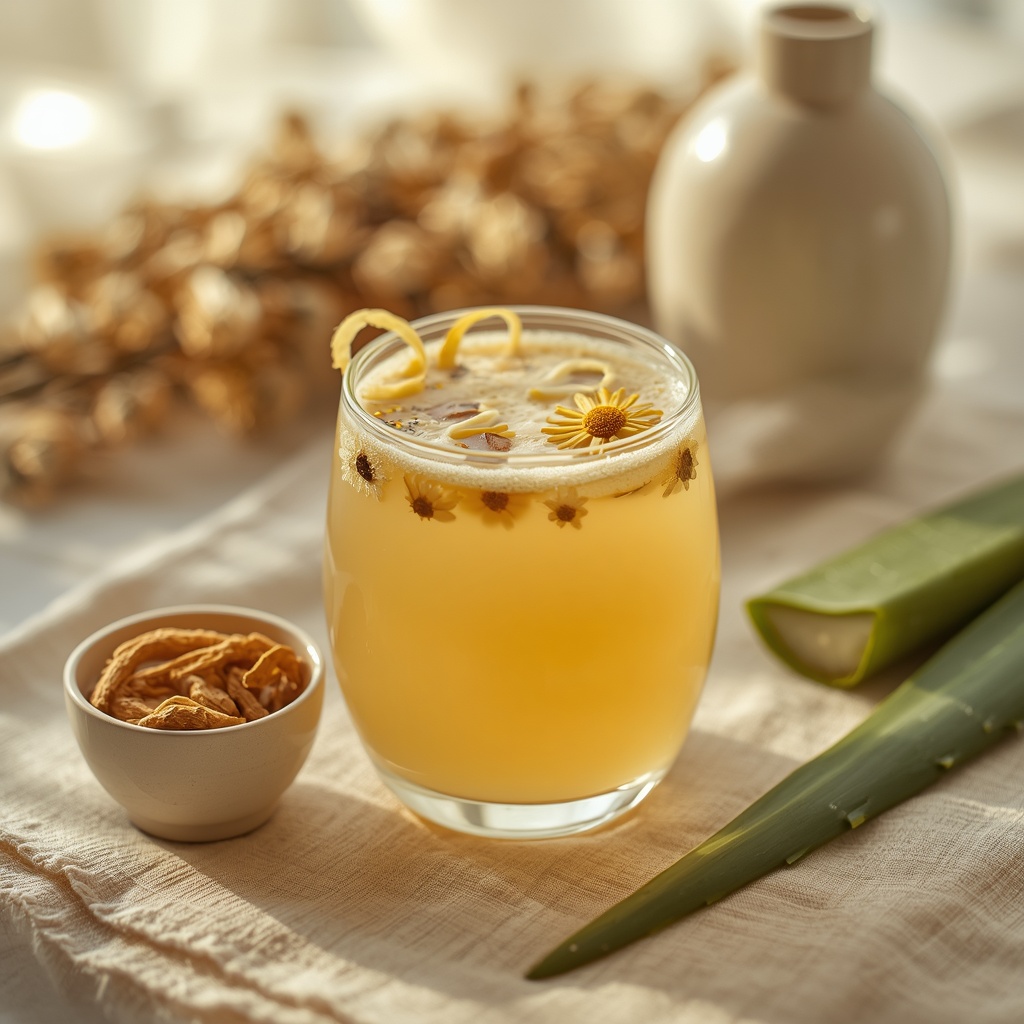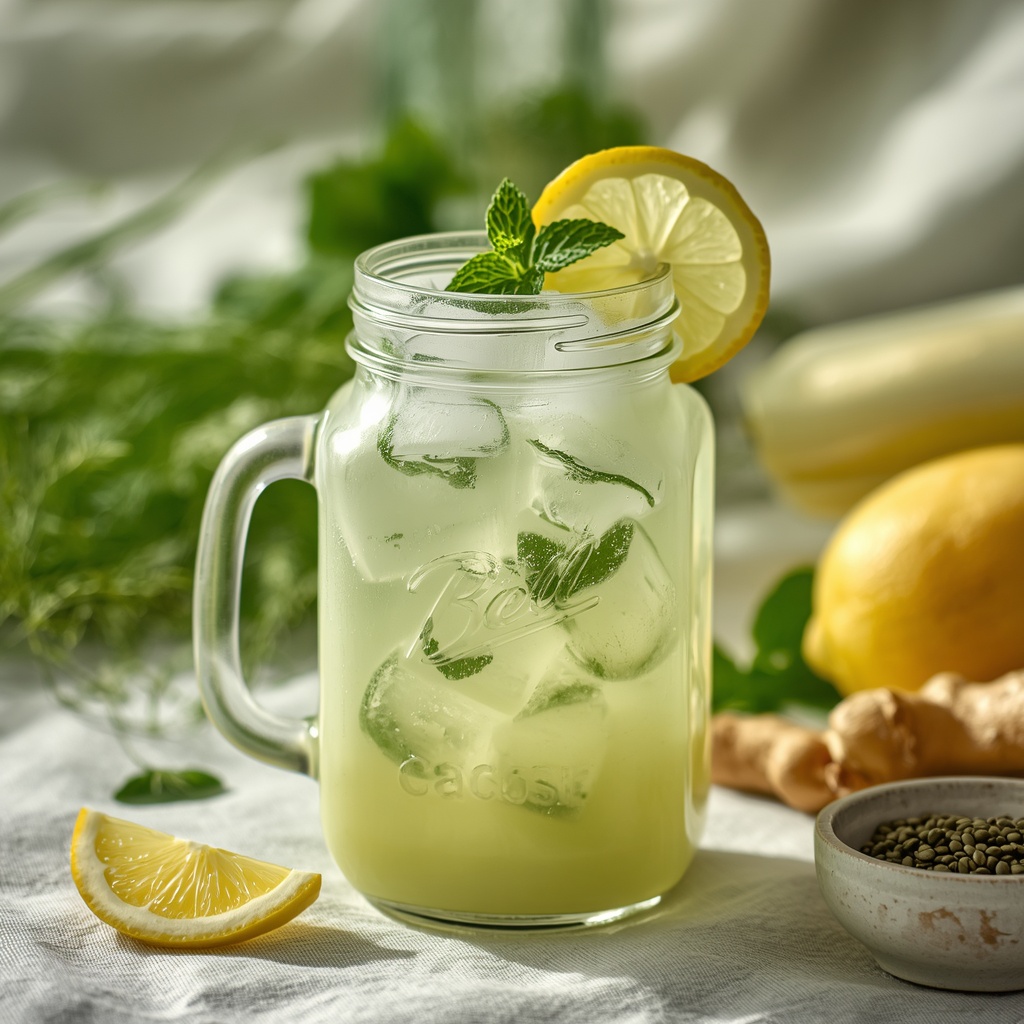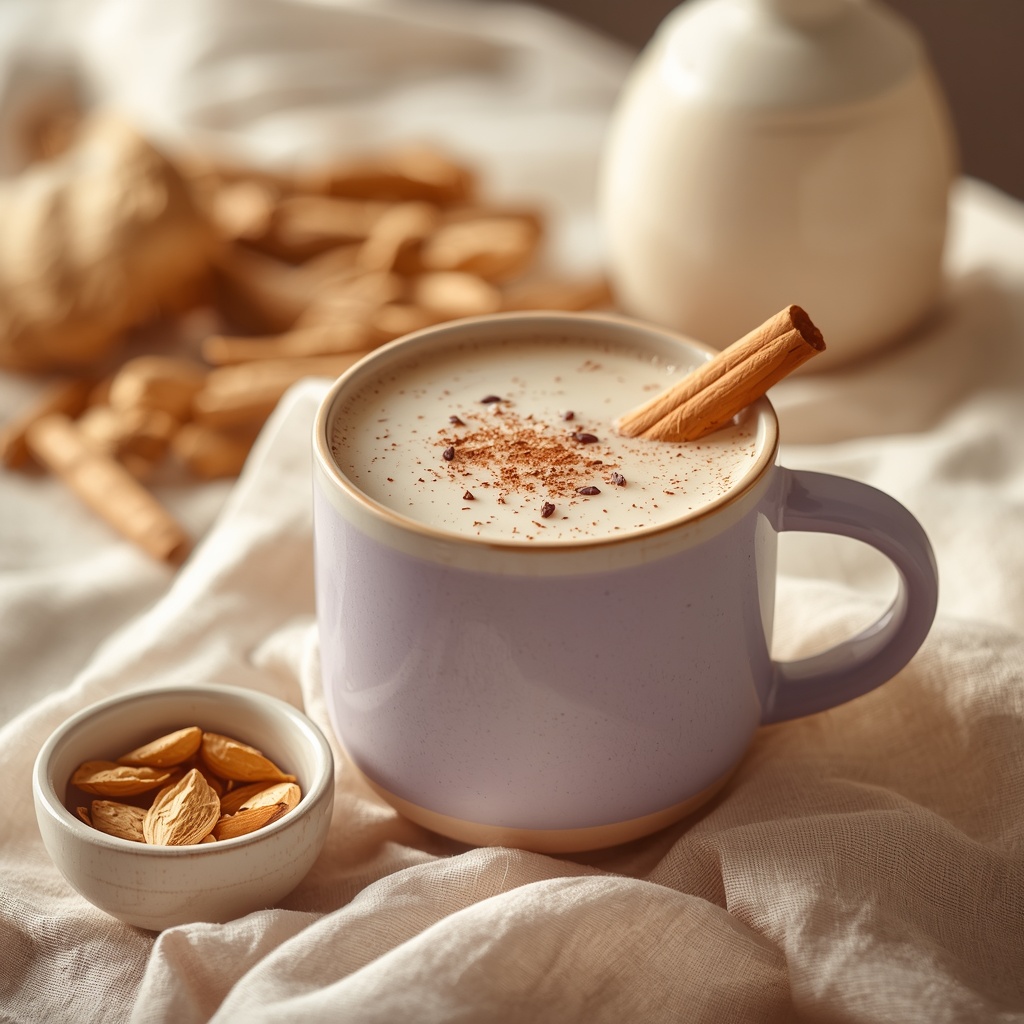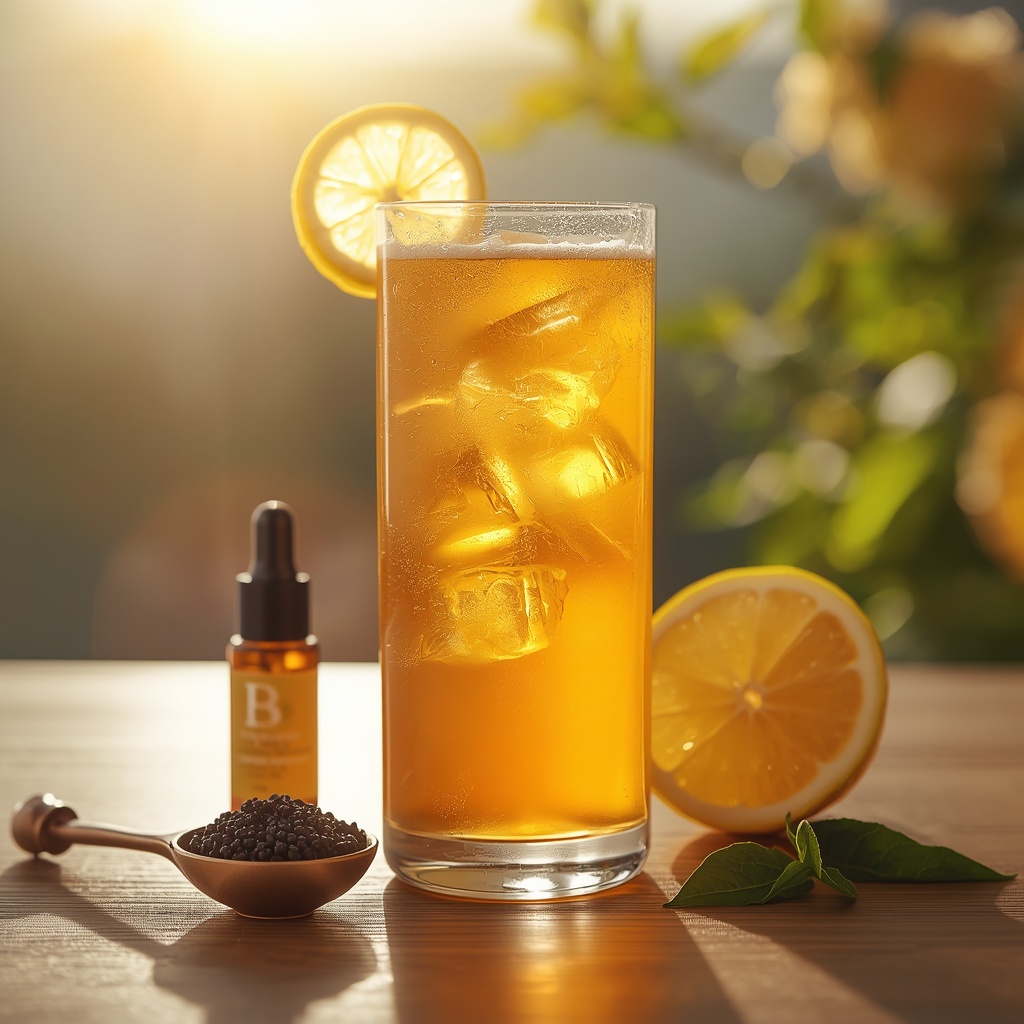
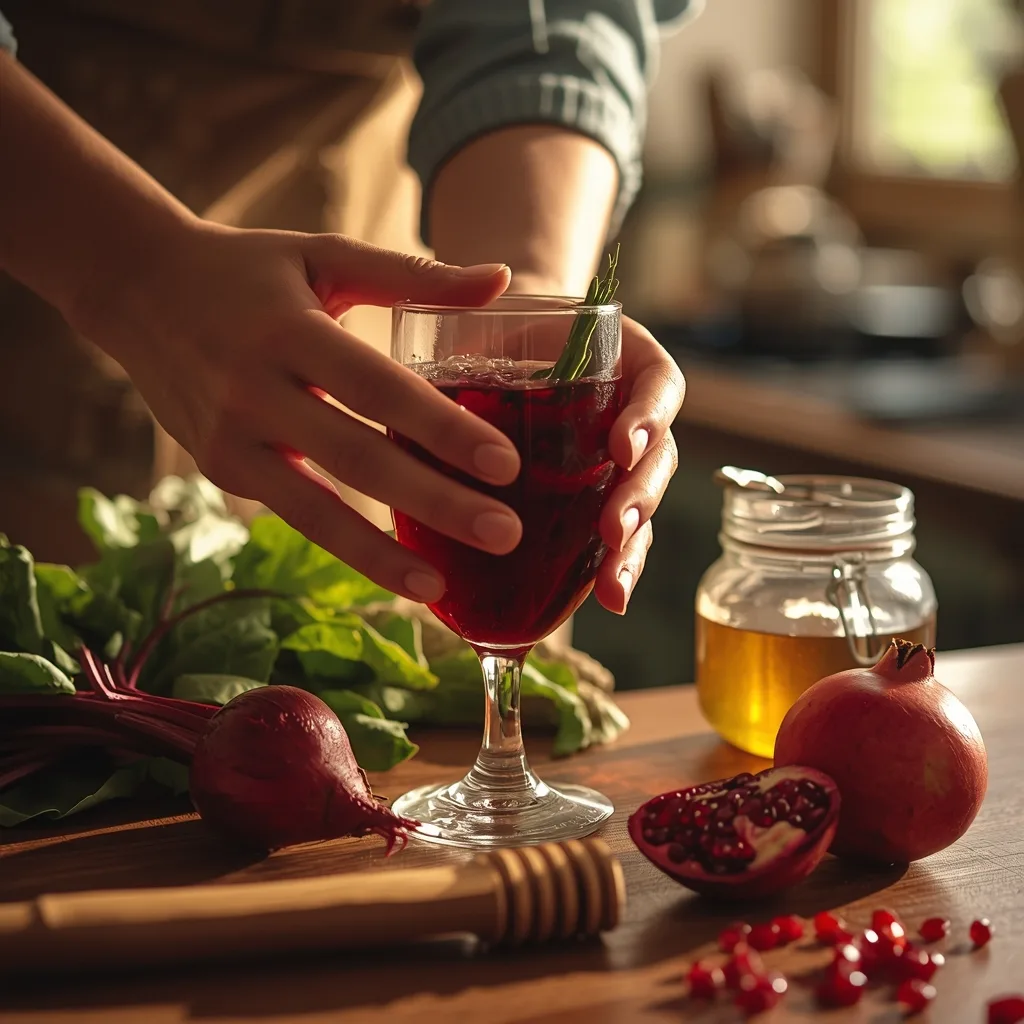
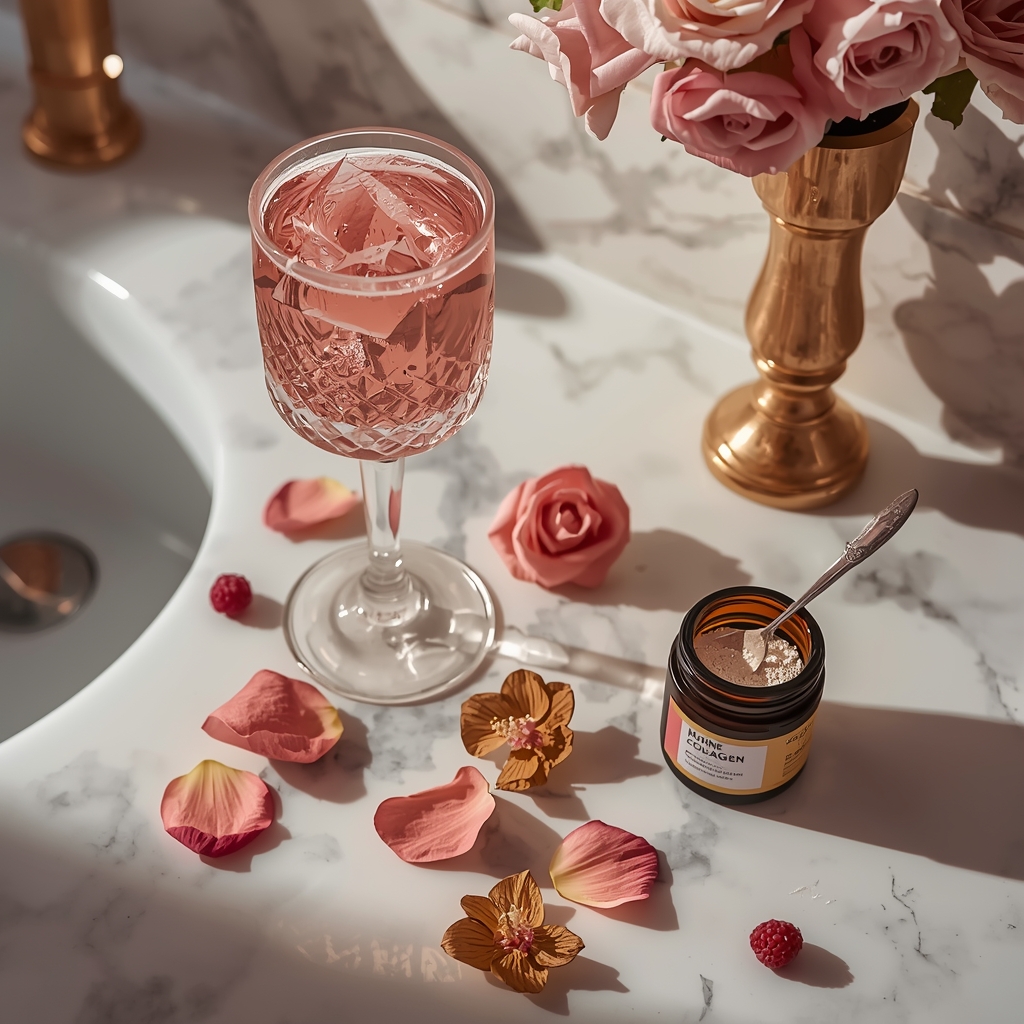
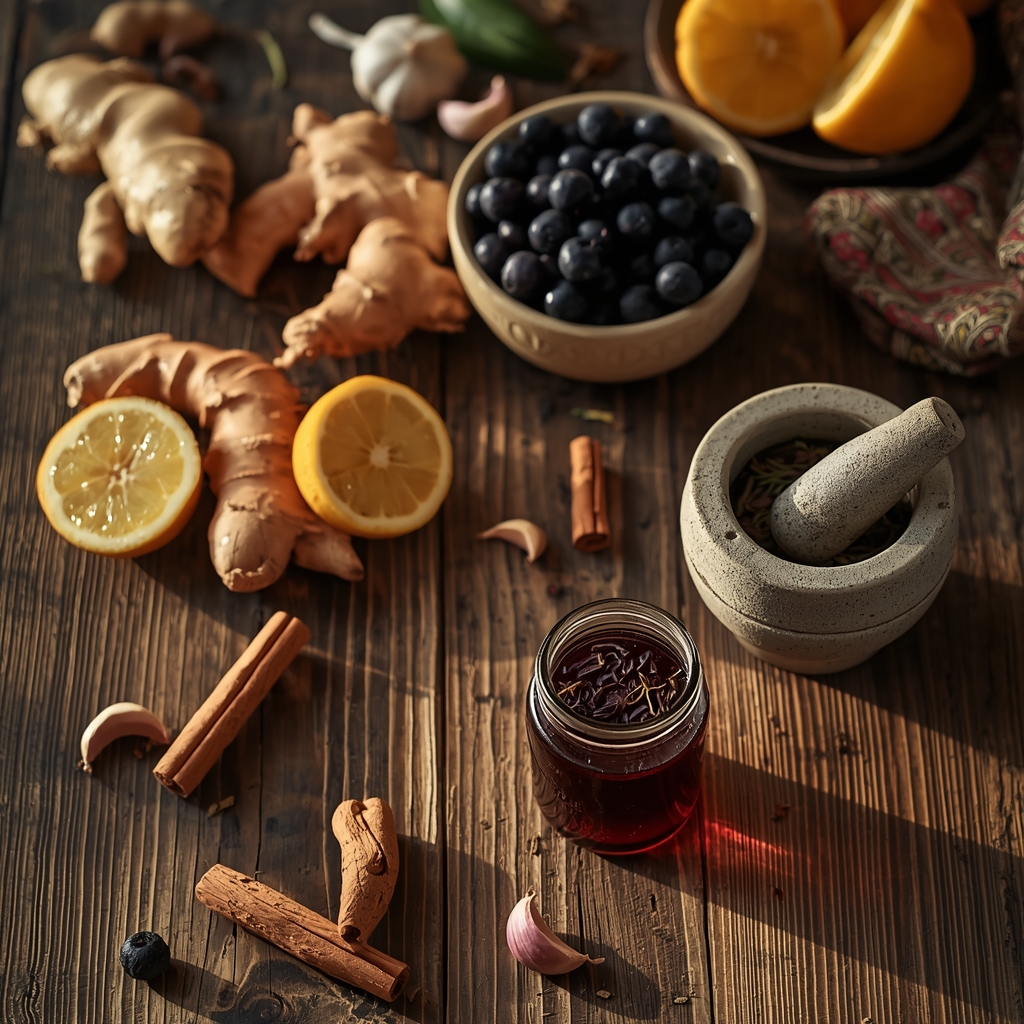
When the dermatologist mentions niacinamide as an adjunct option — but no one explains what to actually drink — this rosy daily sip was built for that quiet middle ground.
| ⏱ Prep 5 min | 👥 Serves 1 | 💚 Goal Autoimmune skin support (adjunct) | ⭐ Difficulty Easy |
Bullous pemphigoid (BP) is one of the most distressing autoimmune skin diseases — and one of the most under-discussed in the wellness world. It primarily affects adults over 70, produces tense blisters under the epidermis, and is accompanied by an itching that can rob people of sleep for weeks. Treatment is mainly topical and systemic corticosteroids, sometimes paired with tetracyclines or rituximab in resistant cases. What very few patients hear in the dermatology office is that one over-the-counter compound — niacinamide — has actually been studied as a clinical adjunct, with randomized trials behind it.
This silky-rose daily sip is built for the stable phase of BP — never the acute one — and pairs four ingredients with documented relevance to autoimmune blistering: niacinamide (vitamin B3), algae omega-3, vitamin D3 with K2, and quercetin. Built around a nettle-and-blueberry base, it is gentle, low-sugar, and designed to fit alongside the dermatology plan rather than replace it.
The Vitamin That Quietly Made Its Way Into Dermatology Textbooks
In the 1990s, a small group of dermatologists noticed something unusual: in patients with mild bullous pemphigoid who couldn’t tolerate the standard corticosteroid dose, a combination of niacinamide and tetracycline produced surprisingly good control — sometimes comparable to oral prednisone, with far fewer side effects. The findings were small but persistent, and eventually were summarized in the British Journal of Dermatology and the Journal of the American Academy of Dermatology.
Niacinamide doesn’t have the glamour of newer biologic agents. It’s a simple over-the-counter B-vitamin. But for a subset of BP patients — particularly those in stable or mild phases, or those who cannot tolerate higher-dose steroids — it has earned a quiet place in the dermatologic toolkit. Combined with omega-3 (which calms the inflammatory cytokines driving the autoimmune attack), vitamin D (almost universally low in BP patients), and quercetin (a mast-cell stabilizer that addresses the maddening itch), it forms the basis of a gentle, daily nutritional companion to whatever dermatology has prescribed.
Why This Cocktail Works (According to Science)
Each ingredient was chosen for one specific mechanism in autoimmune blistering disease — and the doses are deliberately mild, because this is an adjunct, not a replacement.
- Niacinamide (500 mg, vitamin B3): The British Journal of Dermatology and the Journal of the American Academy of Dermatology have both published RCT-level evidence supporting niacinamide — alone or in combination with tetracyclines — as a clinical adjunct (and occasionally monotherapy) in mild bullous pemphigoid. It works partly by stabilizing the dermal-epidermal junction and partly by modulating inflammation.
- Algae-based omega-3 (1000 mg): The Journal of Lipid Research has documented omega-3’s reduction of inflammatory mediators in autoimmune skin diseases. Algae-based omega-3 is preferred in BP because elderly patients often have fish-allergy concerns and slower fish-oil tolerance.
- Vitamin D3 with K2 (5,000 IU): Skin Pharmacology and Physiology has reported low vitamin D in most BP patients at diagnosis. Supplementation supports immune modulation; the K2 ensures calcium is directed to bone rather than soft tissue.
- Quercetin (500 mg): The Journal of Allergy and Clinical Immunology has documented quercetin as a mast-cell stabilizer — directly relevant to the histamine-driven itch that often dominates the BP experience, even when the blistering itself is controlled.
| 💡 Did You Know? Niacinamide (the amide form of vitamin B3, NOT niacin) has roughly 60 years of dermatologic use behind it — for everything from acne to rosacea to bullous pemphigoid. It does not cause the flushing of niacin, and its safety profile at moderate doses (500 mg) is excellent. It has earned its quiet spot in the dermatology toolkit. |
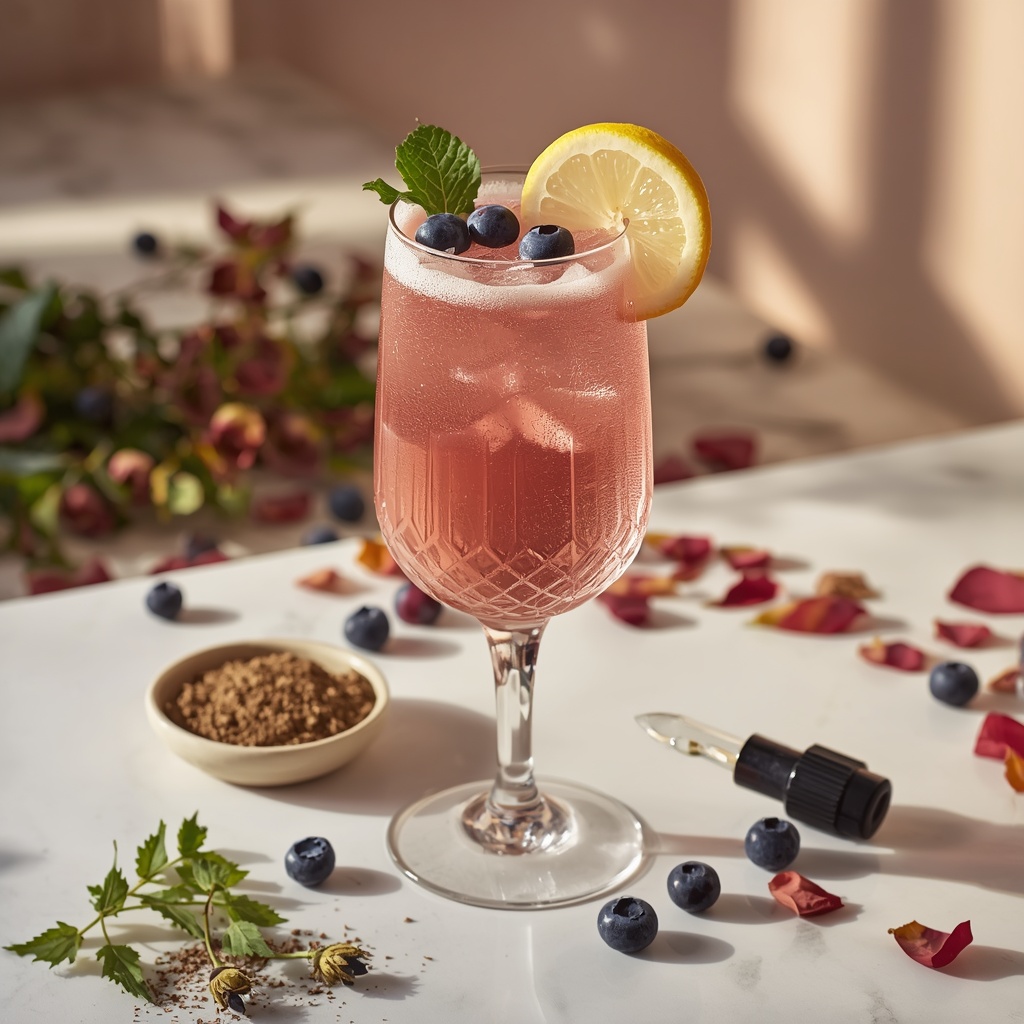
Recipe: Blister Calm Cascade
Ingredients
- 6 oz brewed nettle tea (2 bags steeped 12 minutes, then chilled 5 minutes)
- 2 oz filtered water
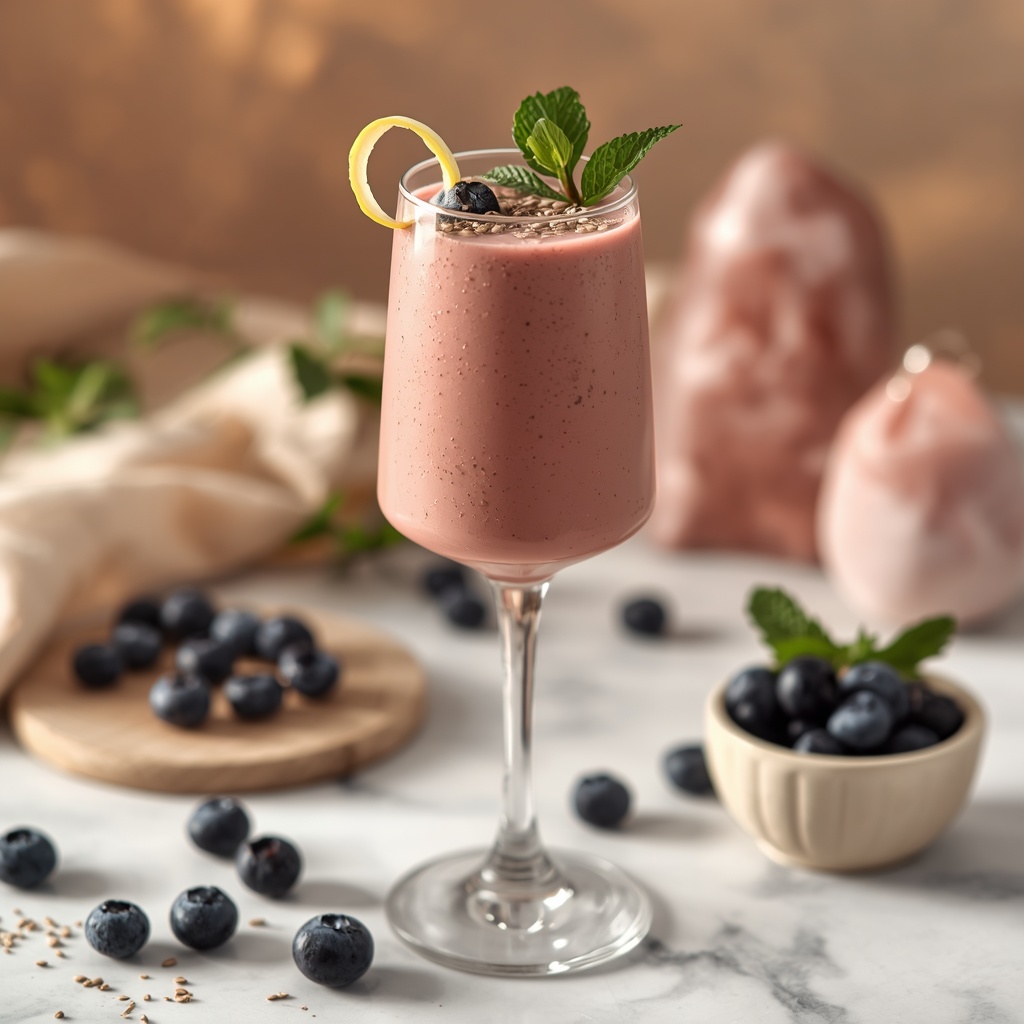
- ¼ cup frozen blueberries
- 1 tsp fresh lemon juice
- 500 mg niacinamide (opened capsule — niacinamide, NOT niacin)
- 1000 mg algae-based omega-3 (opened capsule)
- 500 mg quercetin powder
- 5,000 IU vitamin D3 with K2 (drops or capsule)
- 2 drops liquid stevia (optional)
- For garnish: a single fresh blueberry or mint leaf
Instructions
- Brew the nettle generously. Steep two nettle tea bags in 8 oz of hot water for a full 12 minutes — the long steep extracts silica and chlorophyll, both gentle skin allies. Strain, chill 5 minutes, and reserve 6 oz.
- Build the blender base. In a blender, combine the 6 oz of cooled nettle tea, the 2 oz of filtered water, the frozen blueberries, and the lemon juice.
- Add the actives. Empty the niacinamide capsule, the algae omega-3 capsule, the quercetin powder, and the vitamin D3/K2 drops into the blender.
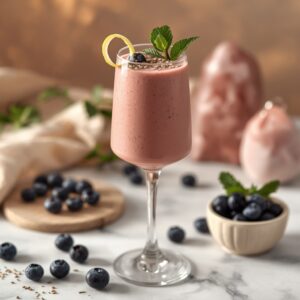
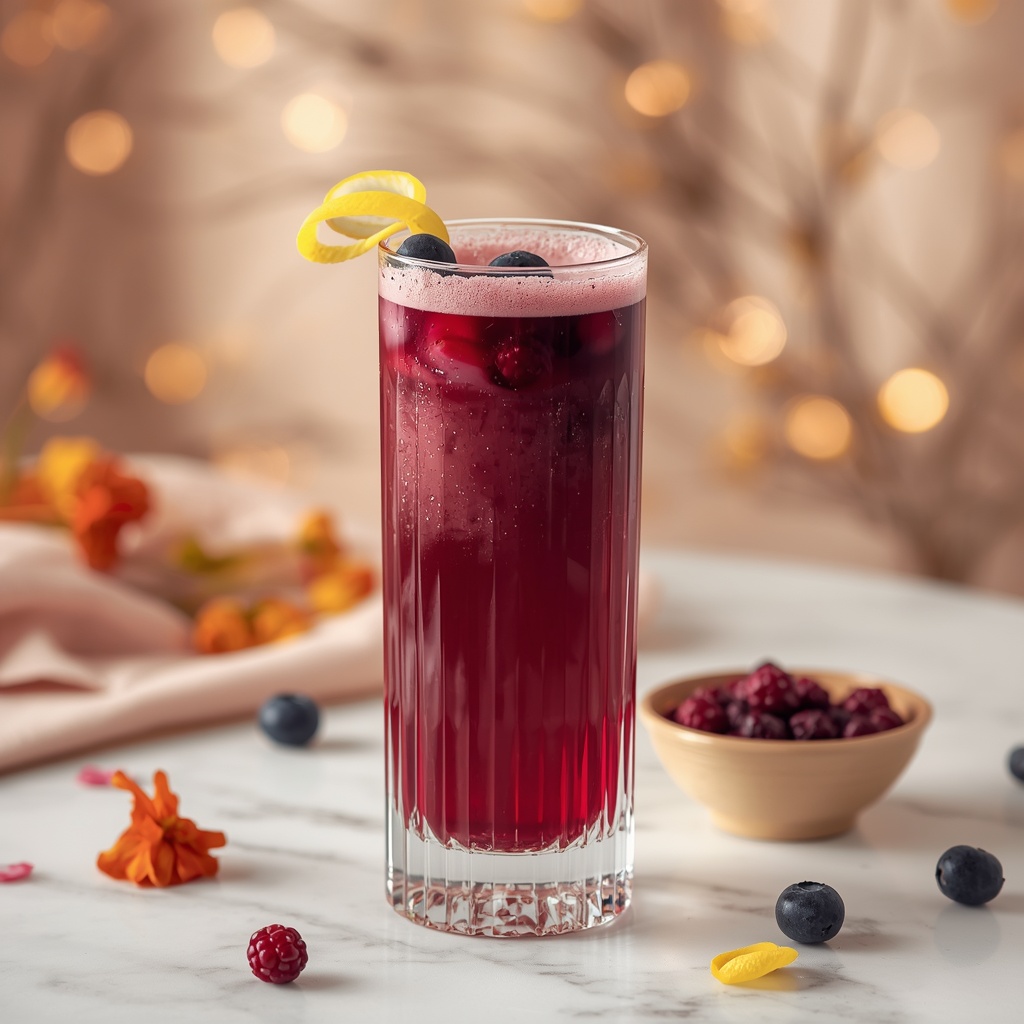
- Blend smooth. Run the blender for 30 seconds — the texture should be silky and a deep rose color from the blueberries.
- Sip mid-afternoon, daily, for at least 12 weeks alongside your dermatology treatment plan. Track itch intensity (a simple 1–10 daily score) and any new blister activity in a notes app — this becomes useful data for your next appointment.
| 💡 Tip Always niacinamide — never niacin. The two are easily confused on supplement shelves. Niacin causes a hot, prickly flush that is uncomfortable on already-irritated skin. Niacinamide does not flush. Read the label carefully. |
Variations
| 🌿 Strict sugar-free | Skip the stevia entirely — the blueberries provide enough natural sweetness. |
| 🥛 Vegan | Already 100% plant-based as written. |
| ❄️ Iced | Adapts well — the chilled version is often gentler on inflamed skin and more soothing. |
| 💪 Boosted | Add 200 mg evening primrose oil (GLA) for additional anti-inflammatory skin support, especially during itch-dominant phases. |
Use It For Twelve Weeks Alongside Your Dermatologist
BP runs on a slow timeline. This sip is built for the months between flares, not for the acute blistering phase, and never as a replacement for prescribed therapy. Share the recipe with your dermatologist before adding it to your routine — particularly if you take tetracyclines, immunosuppressants, or anticoagulants.
📌 Save this recipe on Pinterest for later — niacinamide & BP is rarely discussed online.
| ⚠️ Disclaimer: This article is for informational and educational purposes only and does not constitute medical advice. It is NOT intended to diagnose, treat, cure, or prevent any disease. Bullous pemphigoid is a serious autoimmune disease requiring dermatology follow-up. Do not use this sip during an acute blistering flare, alongside immunosuppressant initiation, or in place of prescribed treatment. Niacinamide can interact with diabetes medications and certain anticoagulants; high-dose vitamin D requires monitoring. Always consult a qualified healthcare professional before making dietary changes. |