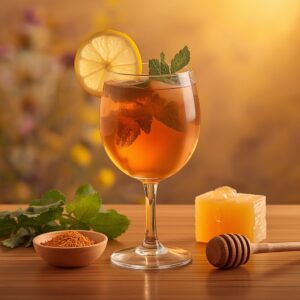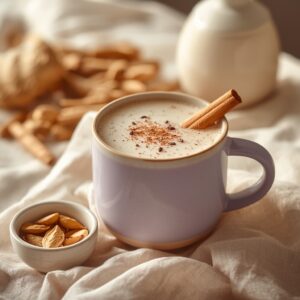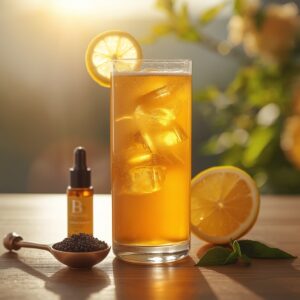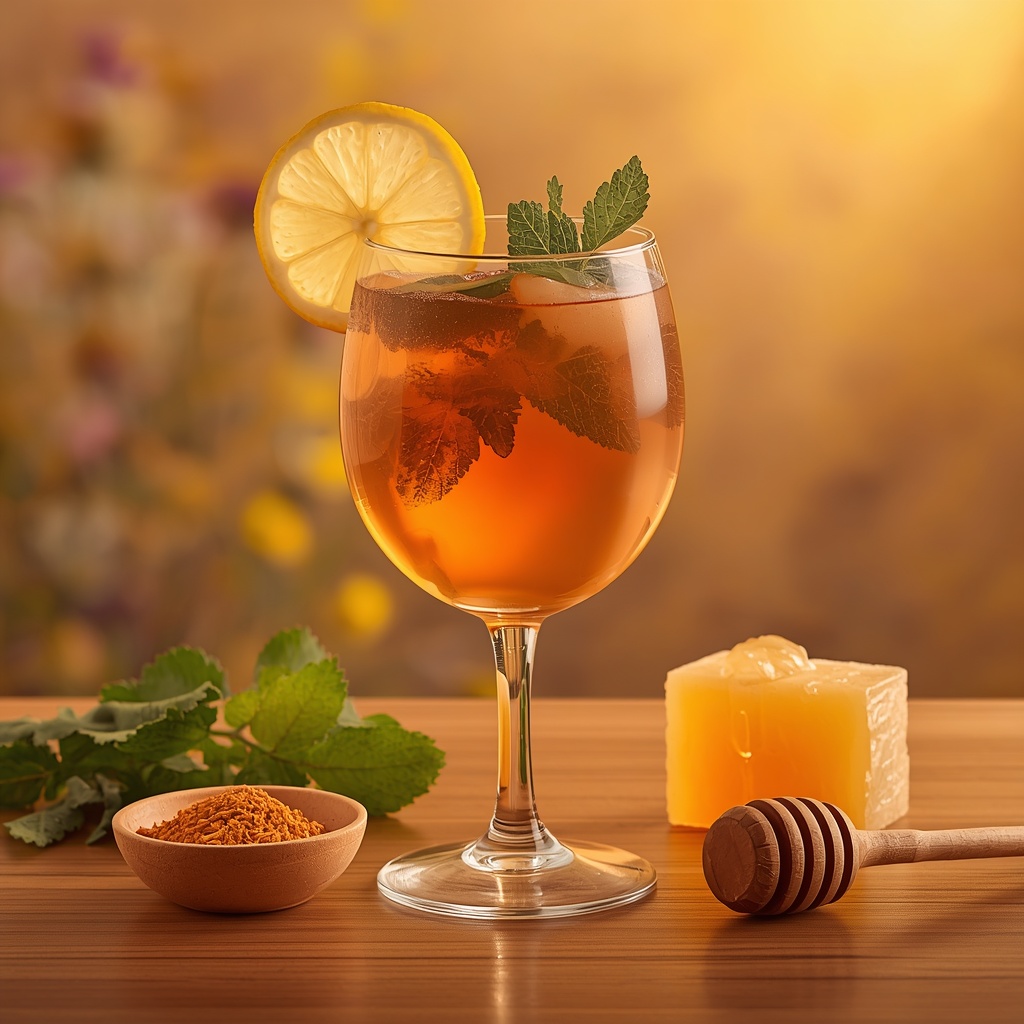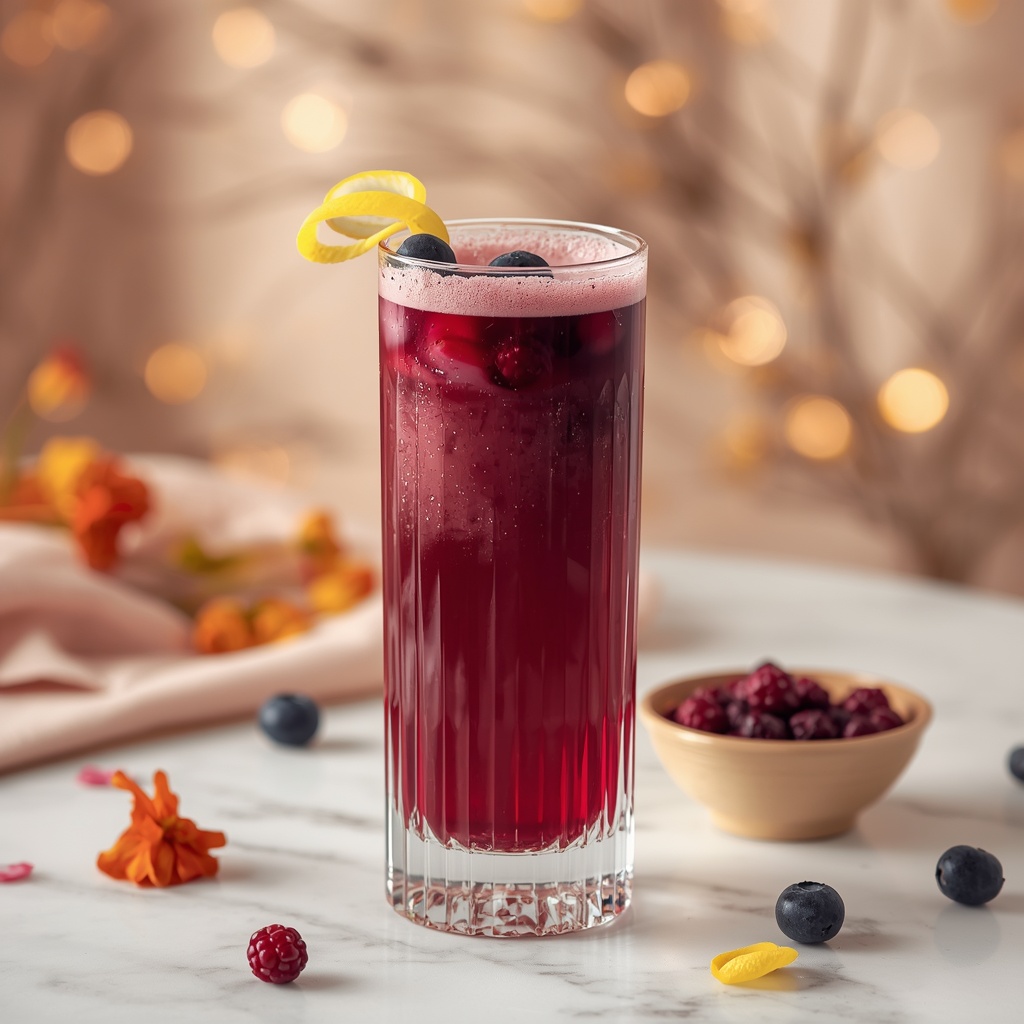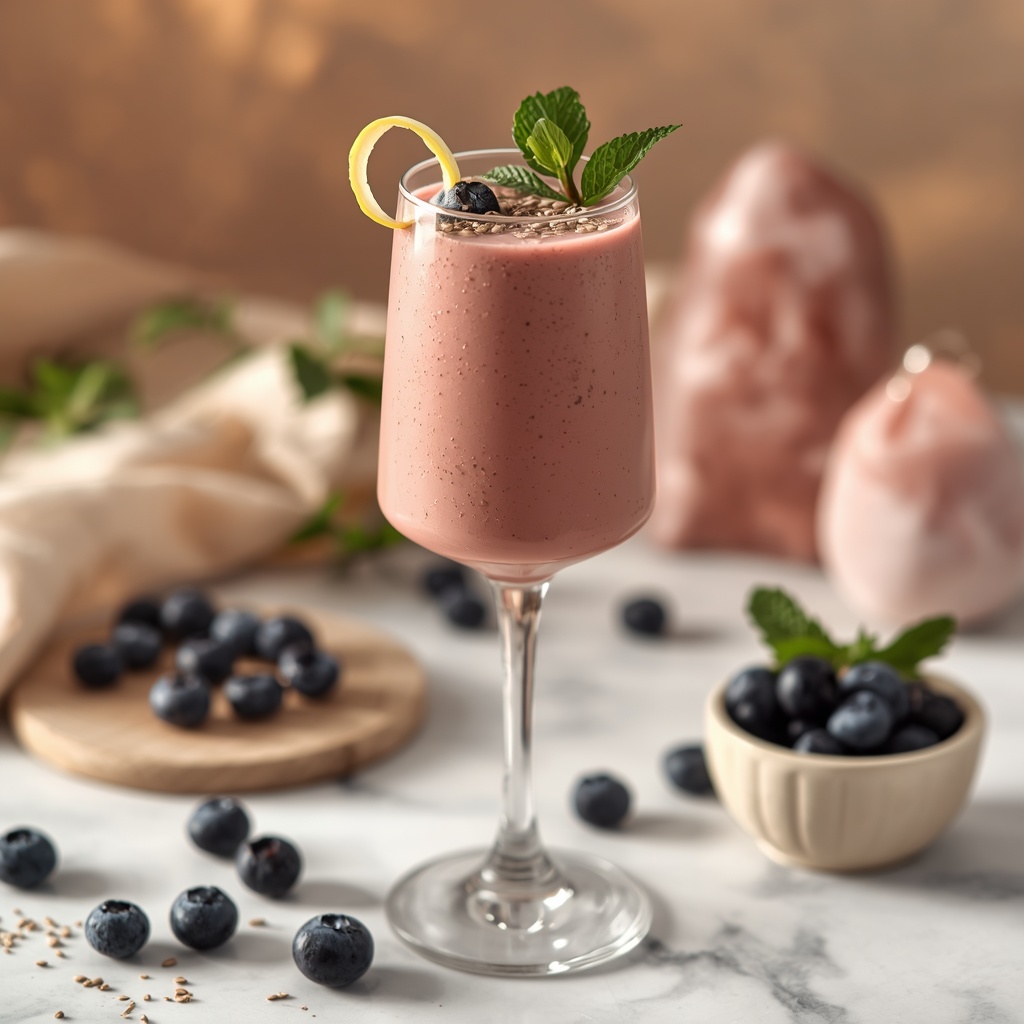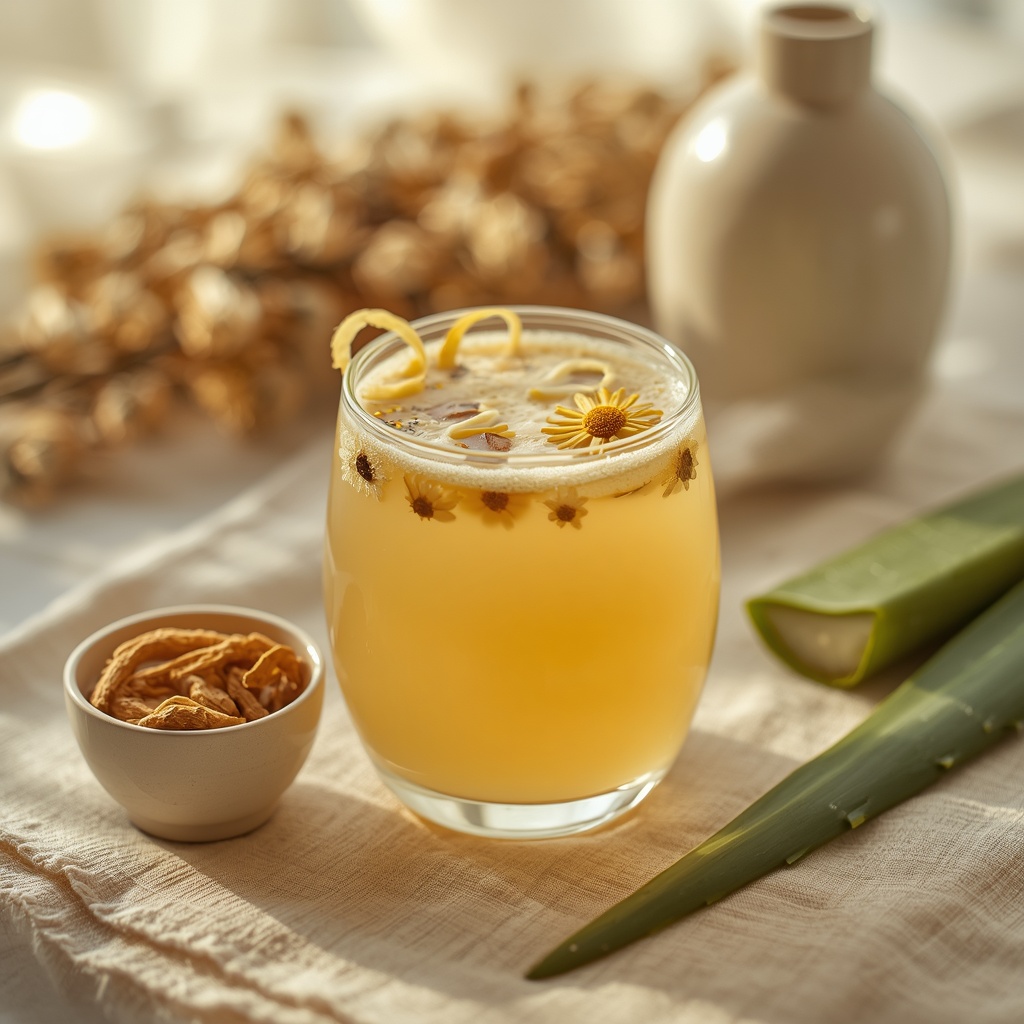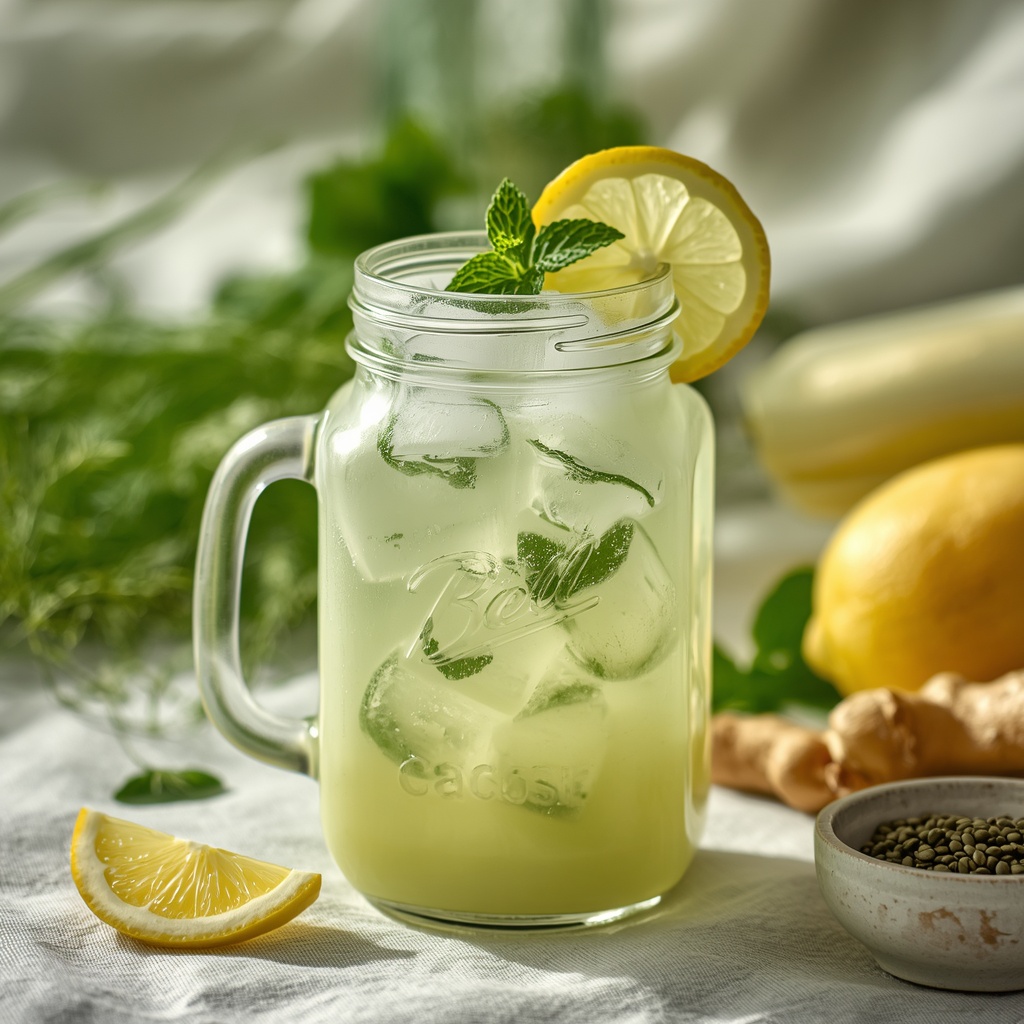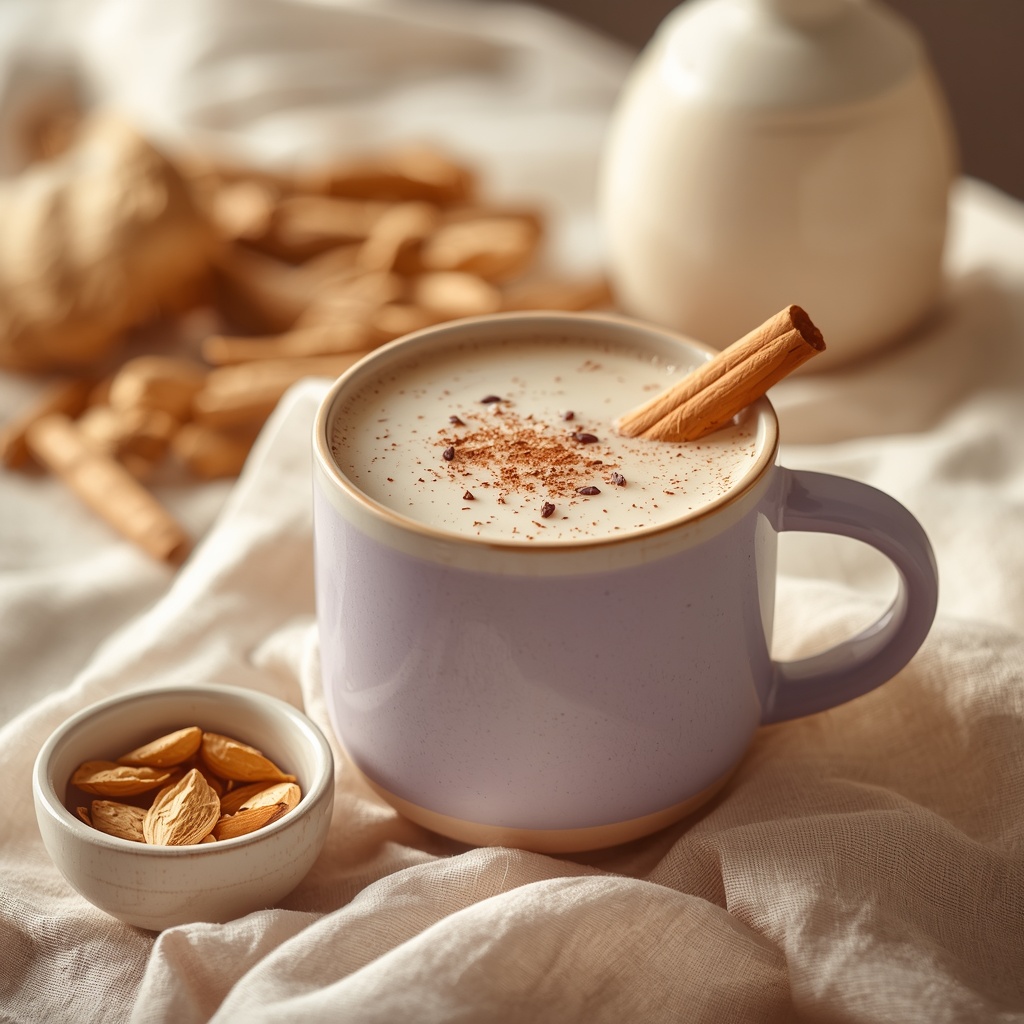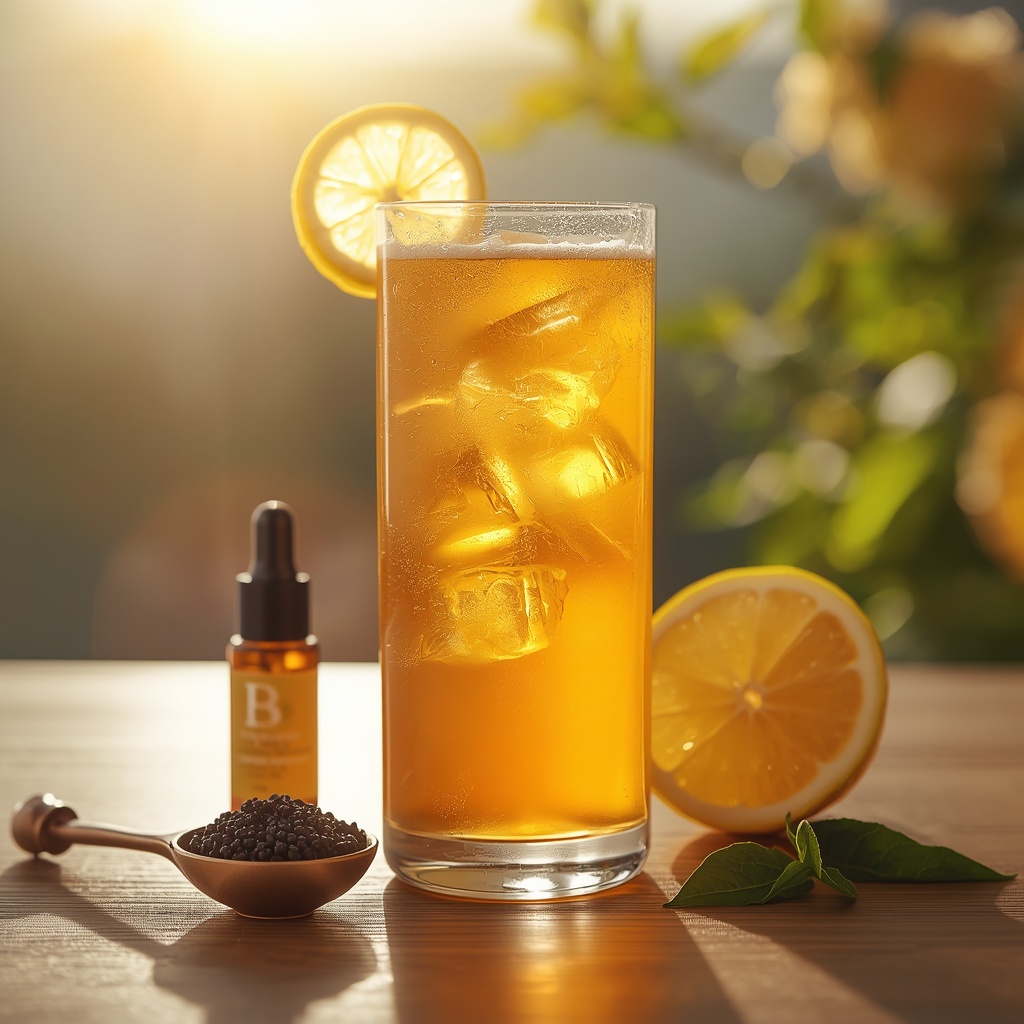
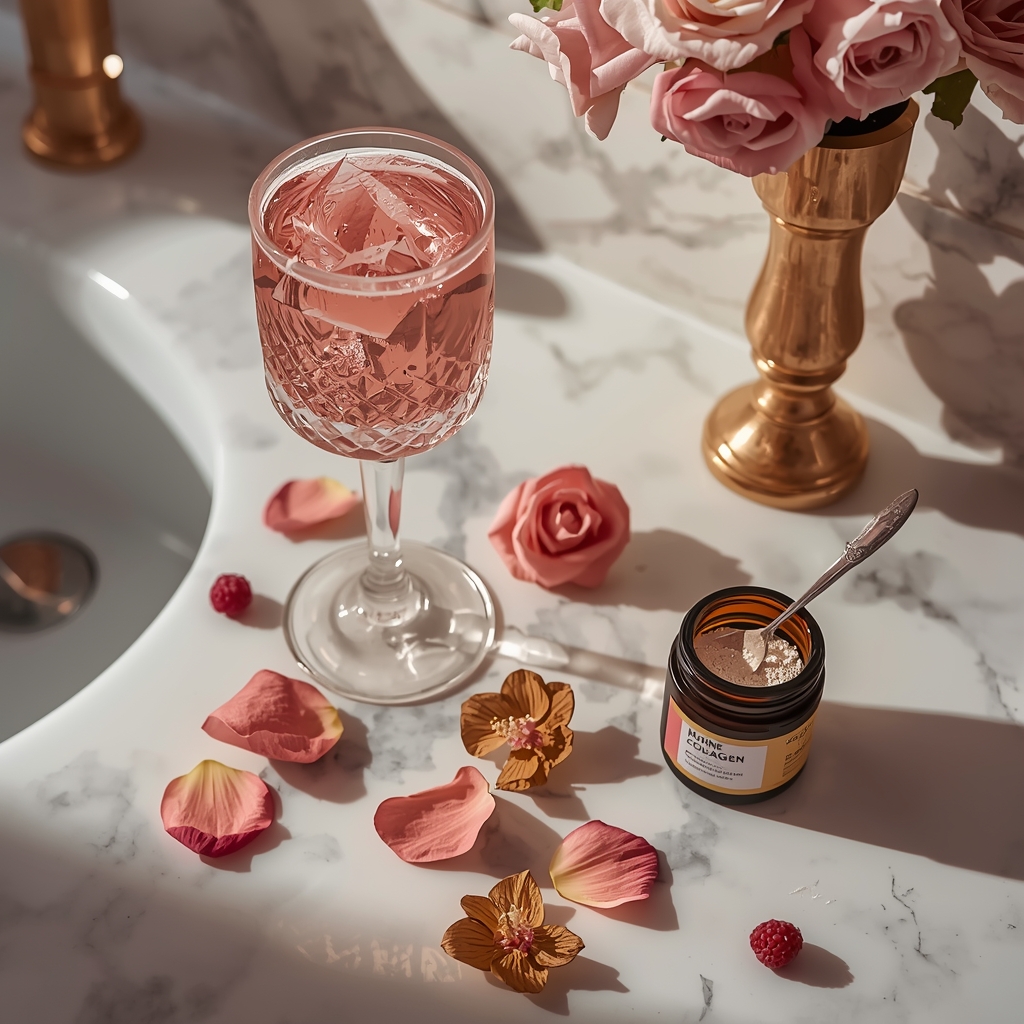
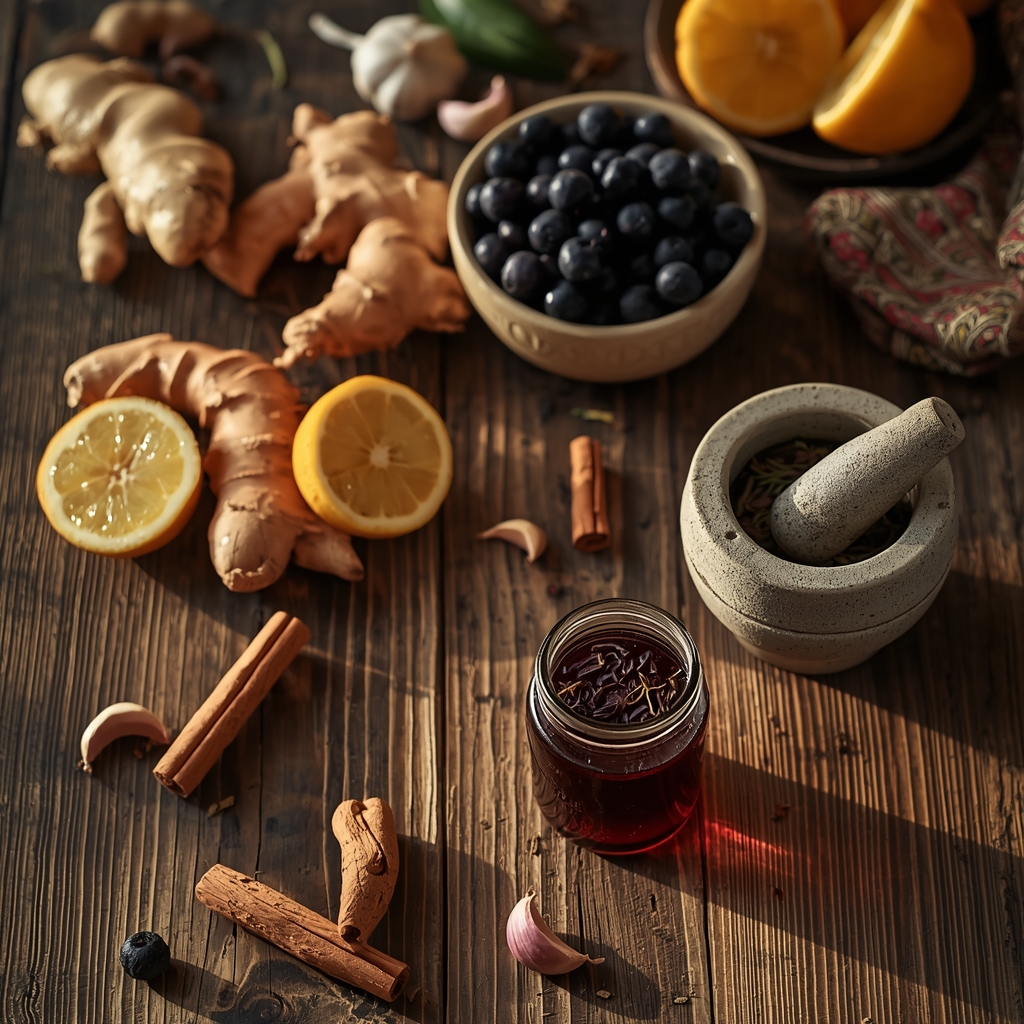
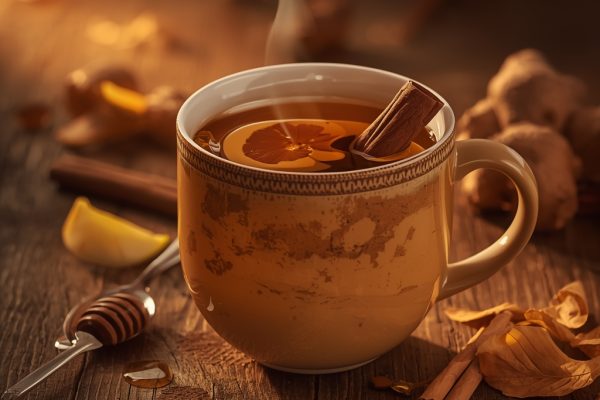
Quitting tobacco isn’t the end of the story with Buerger’s — it’s where recovery actually begins. This warm amber elixir was built for the months your vessels are trying to heal.
Buerger’s disease (also called thromboangiitis obliterans) is one of the most punishing diagnoses in vascular medicine: small and medium blood vessels in your hands and feet inflame and clot, often leading to digital ulcers, intractable pain, and in severe cases, amputation. The cause is almost always tobacco — and tobacco cessation is the only intervention that consistently changes the trajectory of the disease.
But cessation is the hard part. The vessels need months to start recovering, and during that window your body is craving nicotine while also trying to repair itself. This is where a daily warming ritual earns its place — supporting microcirculation, calming inflammation, and giving your body something to do that isn’t lighting up.
| ⏱ Prep: 6 min | 👥 Serves: 1 | 💚 Goal: Microcirculation | ⭐⭐ Intermediate |
A Disease That Used to Be a Death Sentence for Smokers Under 40
In 1908, a New York surgeon named Leo Buerger published a series of cases at Mount Sinai Hospital that confused his colleagues. Young men — most of them in their 20s and 30s, almost all heavy smokers — were arriving at the hospital with painful black toes, ulcers that wouldn’t heal, and gangrene spreading up the foot. Their arteries were inflamed and clotted, but the typical risk factors for vascular disease were absent. They weren’t old. They didn’t have diabetes. Their cholesterol was fine.
What they all had in common was tobacco. Buerger documented case after case and published his findings, and the disease eventually took his name. For decades, the only outcome was amputation — first toes, then feet, then sometimes legs. Surgeons learned to recognize the pattern: a young smoker with cold, painful, blackening fingertips.
Then something remarkable happened in the 1980s. Researchers noticed that patients who completely quit tobacco — and stayed off it — sometimes saw their disease arrest entirely. The vessels would slowly recover. Some patients went on to live normal lives. The catch? Even one cigarette could restart the process. This is the recovery window where nutrition matters most.
Why This Cocktail Works (According to Science)
Buerger’s is fundamentally a problem of inflamed, clotted small vessels — and the goal during the cessation window is to support endothelial recovery, microcirculation, and reduce vasculitic inflammation. Four ingredients in this elixir target exactly that.
- L-arginine — A 2007 randomized controlled trial at Stanford (NCT00284076) and a Phase 4 trial in Vienna (NCT01682889) documented that L-arginine, the precursor to nitric oxide, improves blood flow and microcirculation in peripheral arterial occlusive disease. Nitric oxide tells small vessels to relax and open — exactly what Buerger’s patients need during recovery.
- Ginkgo biloba — A systematic review published in IJMS (PMC9855530) confirmed Ginkgo’s efficacy in peripheral arterial disease, particularly for intermittent claudication. Older studies in the journal Clinical Hemorheology and Microcirculation showed Ginkgo significantly reduces erythrocyte aggregation and improves capillary blood flow. A combined Ginkgo + L-arginine + magnesium protocol has even been studied for stage IV chronic obliterating arteriopathy with positive video capillaroscopy results.
- Curcumin — A 2025 review in Inflammopharmacology (Springer) detailed how curcumin inhibits the NLRP3 inflammasome, NF-κB signaling, and IL-1β release — three of the central pathways driving vasculitic inflammation in Buerger’s. Black pepper (piperine) increases its absorption by up to 2,000%.
- Algae omega-3 — Research in Current Medicinal Chemistry consistently shows that EPA/DHA reduce vascular inflammation and support endothelial function — relevant in any inflammatory vasculopathy.
| 💡 Did You Know? Buerger’s disease is so closely tied to tobacco that it’s been called “the smoker’s disease” — but recent research suggests cannabis, e-cigarettes, and even smokeless tobacco can also trigger it. The mechanism appears to be the immune response to tobacco antigens, not just the nicotine. Even passive smoke exposure can prevent recovery in some patients. |

Recipe: Peripheral Flow Revival
| ⏱ Prep: 6 min | 👥 Serves: 1 (10 oz) | 🟡 Intermediate | 💚 Heart & Metabolic |
Ingredients
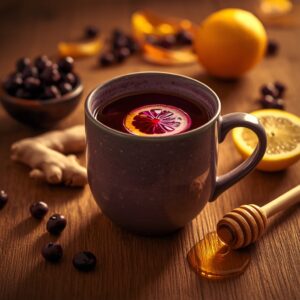
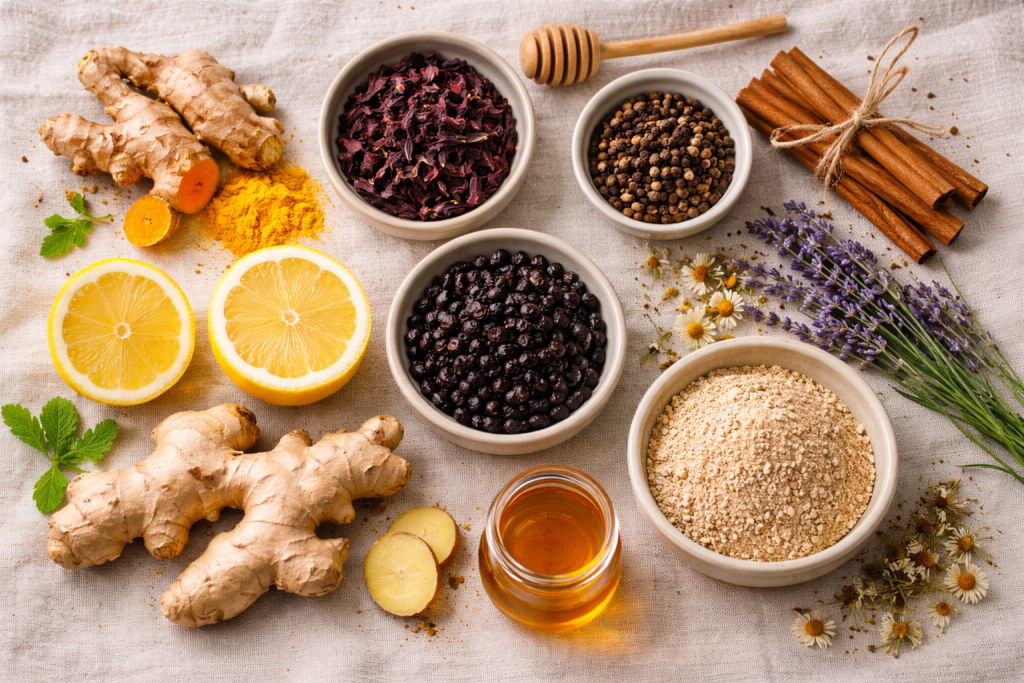
- 6 oz hot filtered water (175°F)
- 4 thin slices fresh ginger root
- 1 cinnamon stick (Ceylon preferred)
- 3 g L-arginine powder (NOW Foods)
- 120 mg ginkgo biloba extract drops (Nature’s Way Ginkgold)
- 500 mg curcumin extract 95% — capsule contents (Doctor’s Best Curcumin C3 + BioPerine)
- Tiny pinch black pepper (cracked, for piperine)
- 1000 mg algae omega-3 — capsule contents (Ovega-3)
- ½ tsp raw Manuka honey
Instructions
- Bring 8 oz filtered water to 175°F. Add 4 thin ginger slices and 1 cinnamon stick. Steep covered for 5 minutes.
💡 Tip: Don’t boil — high temperatures degrade volatile gingerols, the main vasodilatory compounds.
- Strain into a 10 oz ceramic mug; remove ginger and cinnamon stick.
- In a small bowl, dissolve 3 g L-arginine in 2 tbsp warm water. Add the curcumin capsule contents, omega-3 capsule contents, and a tiny pinch of black pepper.
- Stir the slurry into the ginger water. Add 120 mg ginkgo biloba drops and ½ tsp Manuka honey. Whisk for 30 seconds.
- Sip slowly while warm, mid-morning daily. Coordinate with your vascular specialist — and remember, the foundation is and remains tobacco cessation.
Variations
| 🌱 Vegan | 🚫🍯 Honey-free | 💪 Boosted |
| Use the honey-free version below — every other ingredient is naturally vegan. | Skip the Manuka honey and use 1 drop of monk fruit extract for sweetness. | Add 200 mg pine bark extract (Pycnogenol) — additional microcirculation support backed by RCTs. |
Try It Tomorrow Morning
Make this elixir tomorrow morning. Wrap your hands around the warm mug. Feel the warmth reach your fingertips — and remember that’s your vessels learning how to function again.
📌 Save this recipe on Pinterest for later — your future self in week 4 of cessation will thank you.
| ⚠️ Disclaimer: This article is for informational purposes only and does not constitute medical advice. It is NOT intended to diagnose, treat, cure, or prevent any disease, including Buerger’s disease (thromboangiitis obliterans). This recipe complements — and never replaces — complete tobacco cessation, which is the only proven treatment. Always consult your vascular specialist before adding supplements, especially if you take antiplatelet or anticoagulant medications, as ginkgo and omega-3 can affect bleeding risk. |