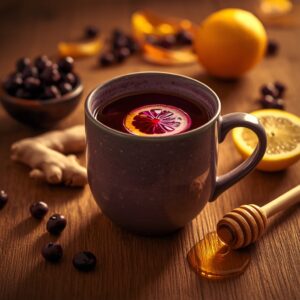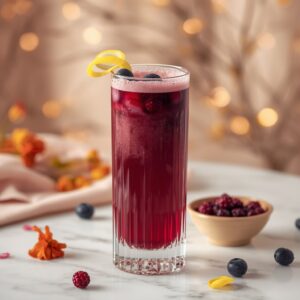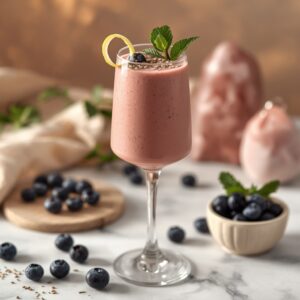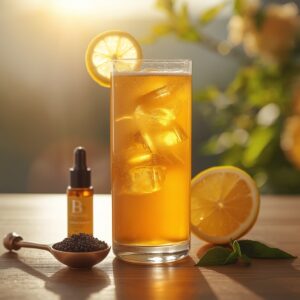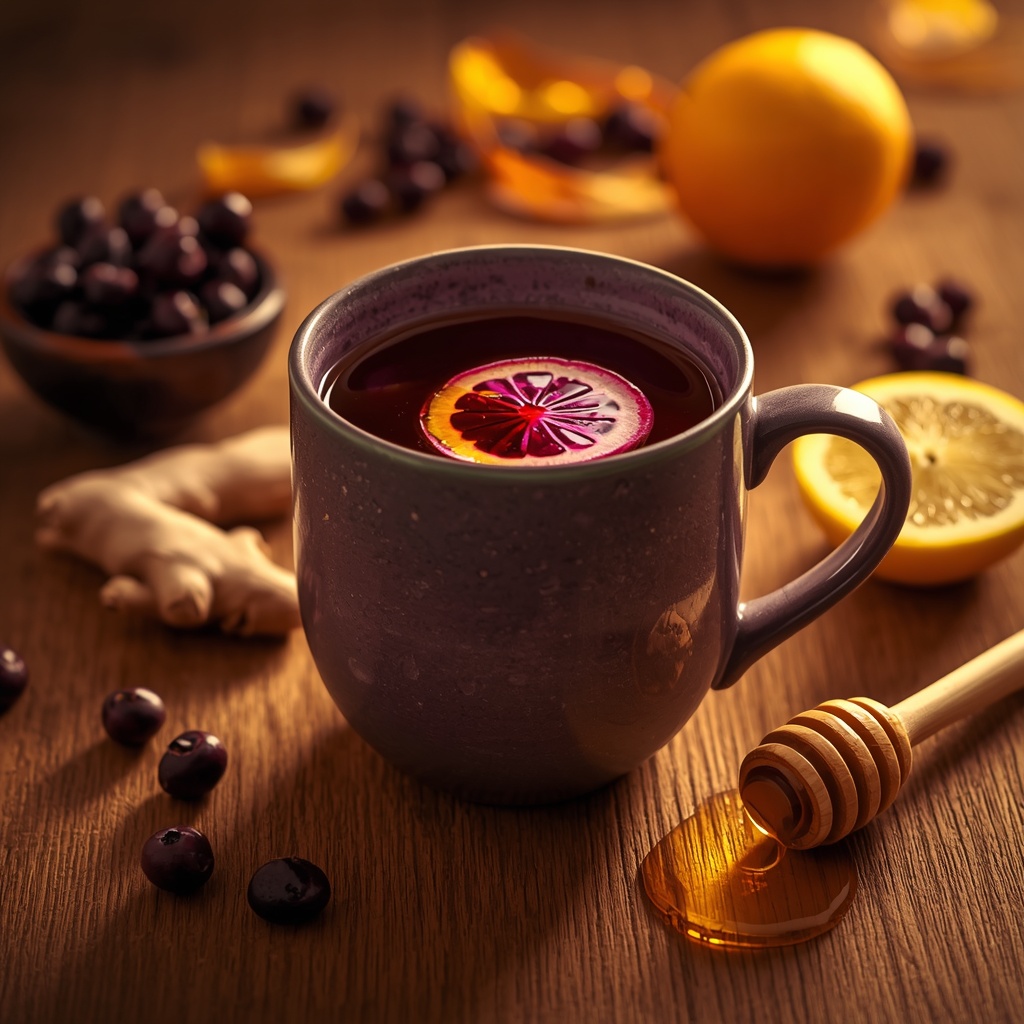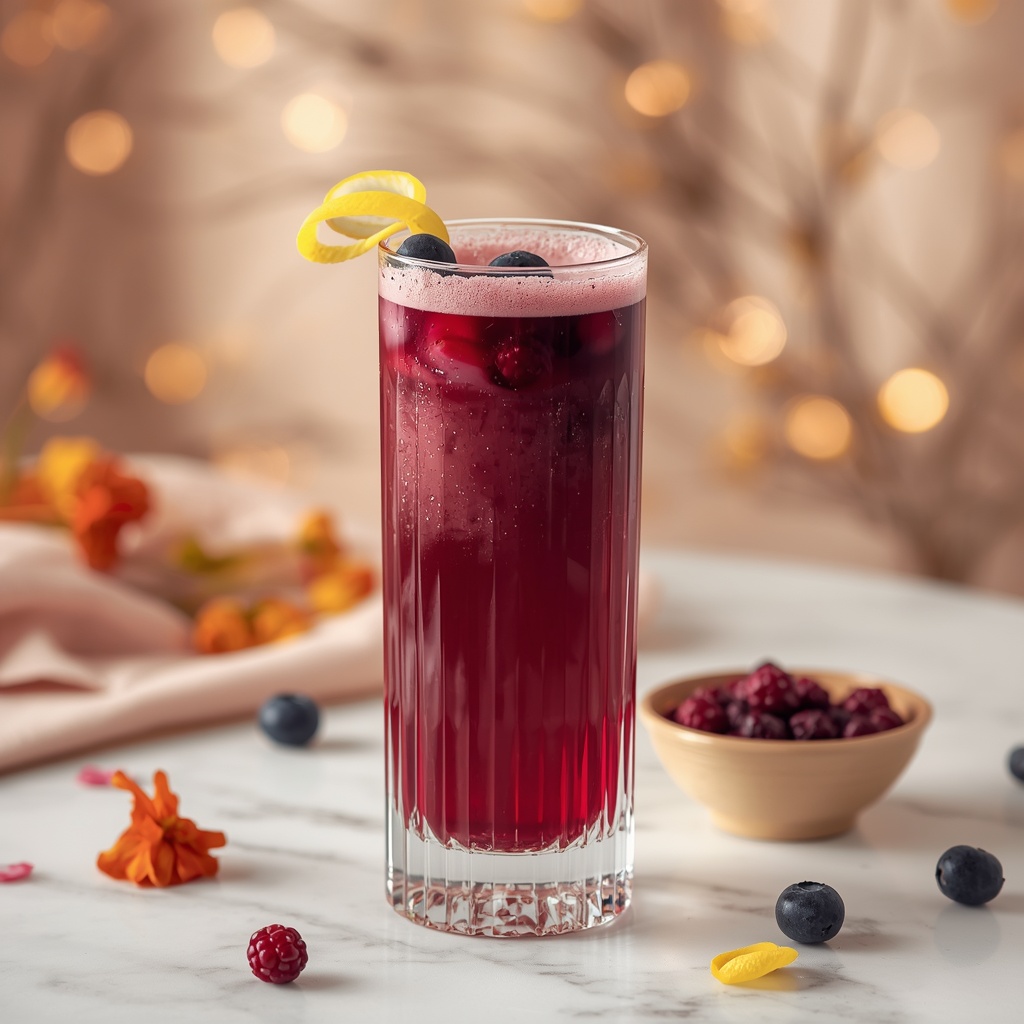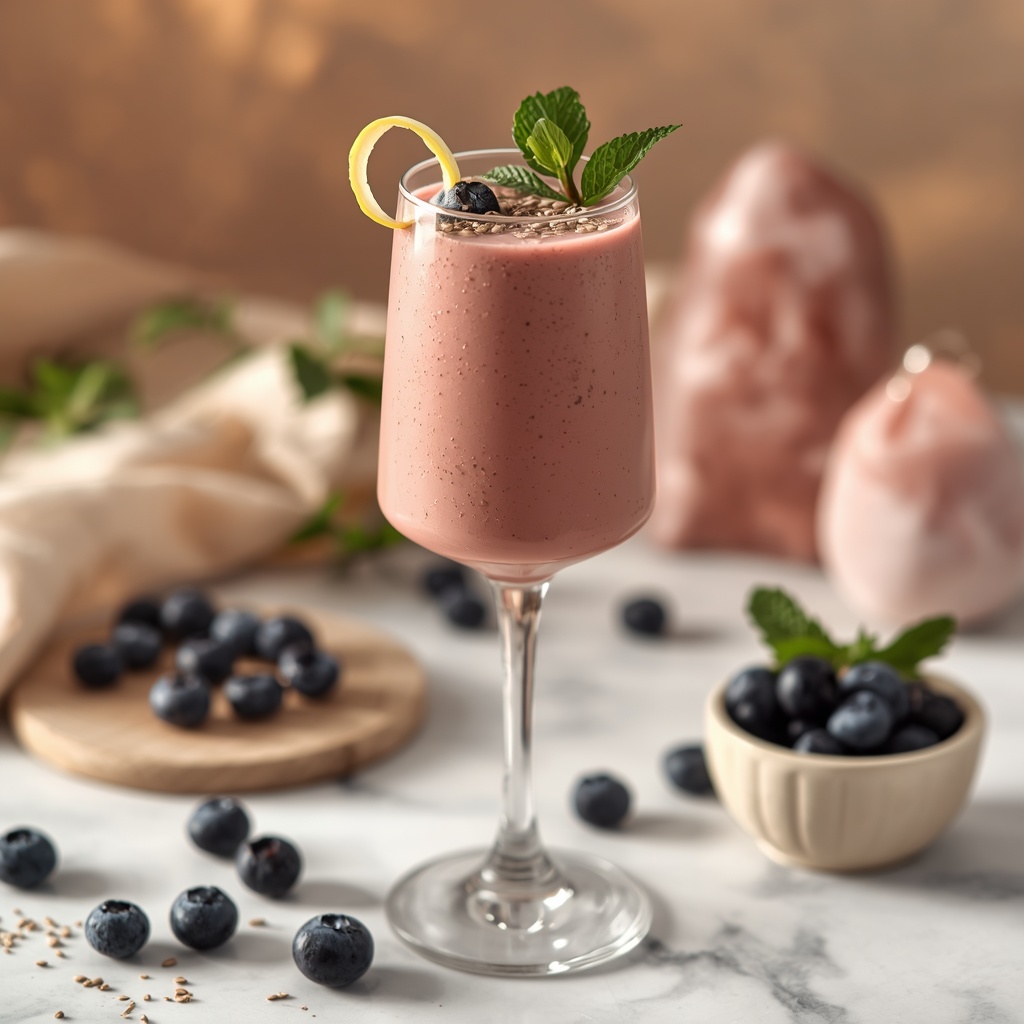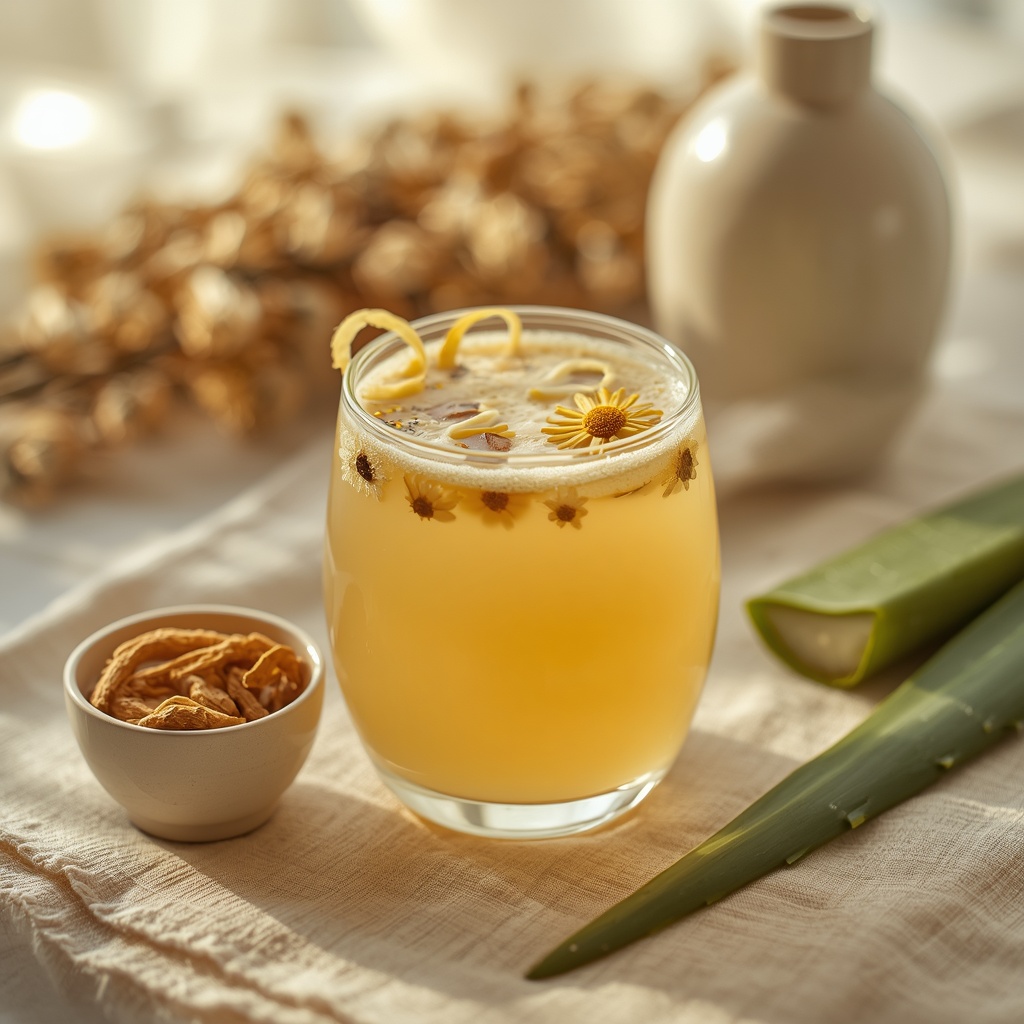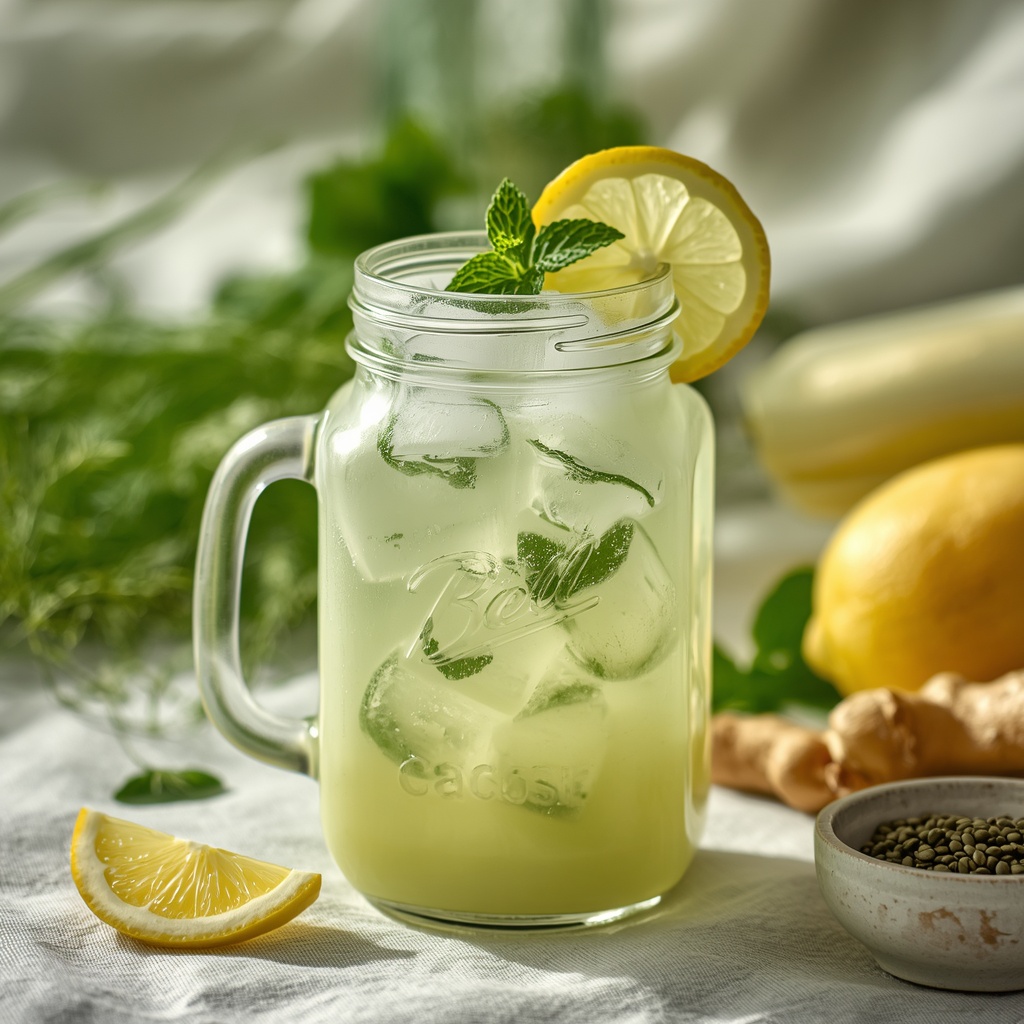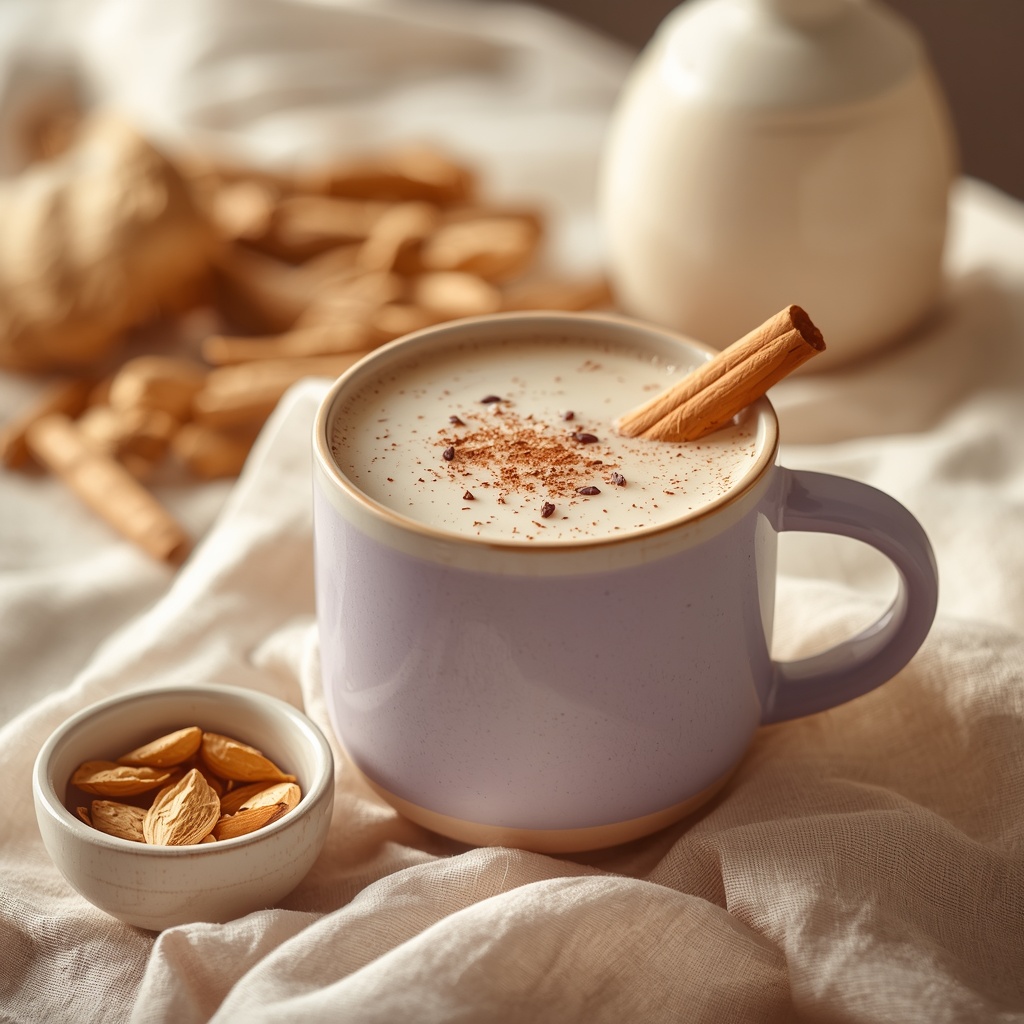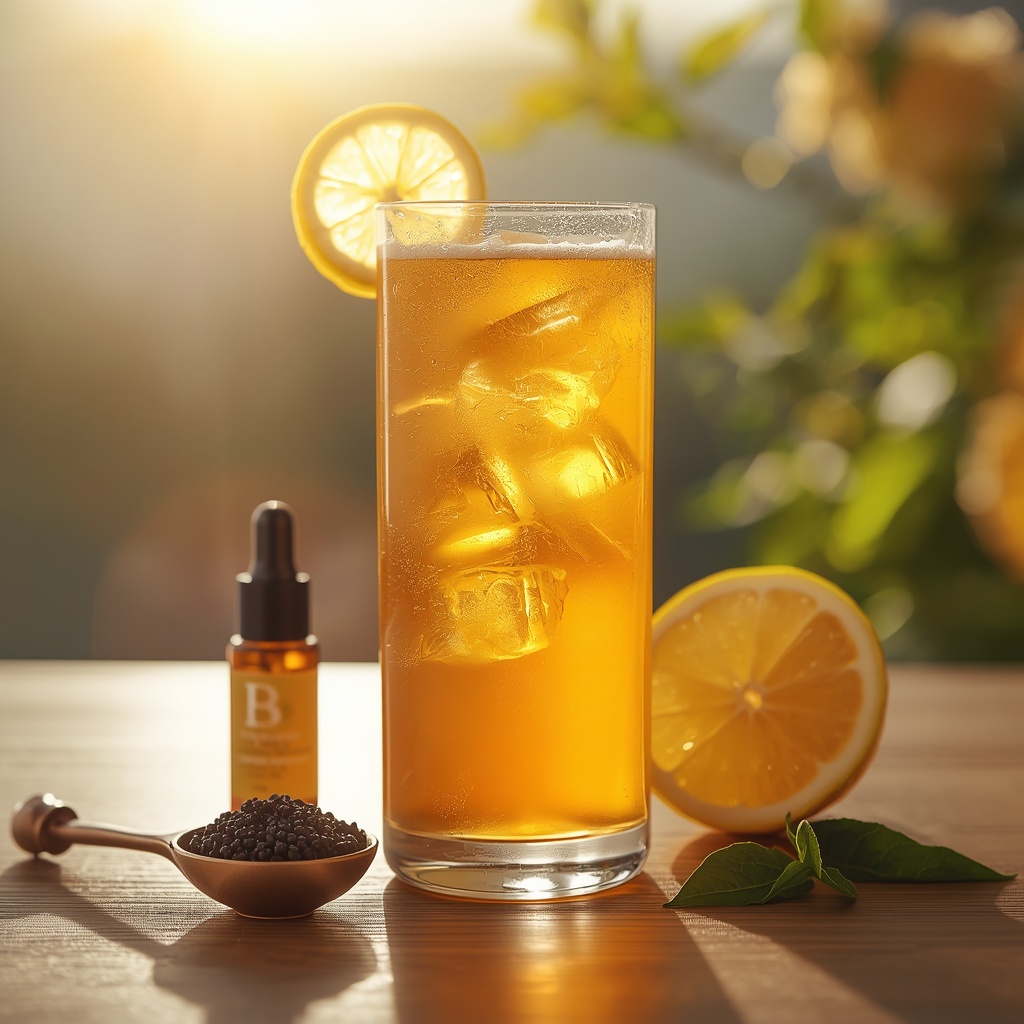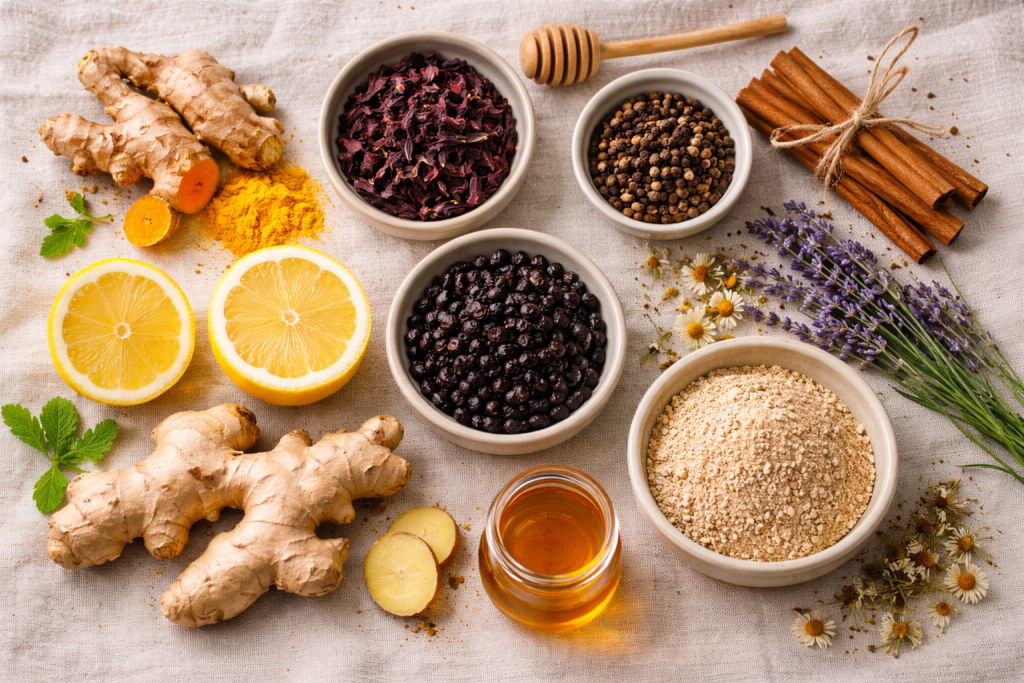

What cardiologists are quietly recommending in the recovery weeks after Takotsubo cardiomyopathy isn’t a new drug — it’s a daily ritual that supports your heart and nervous system as they re-learn how to function.
If you or someone you love just survived broken heart syndrome — that terrifying mimicry of a heart attack triggered by extreme emotional or physical stress — you already know one thing: the hospital sends you home, and then nothing. No clear path. No daily ritual. Just a vague “we’ll see you in 6 weeks” and a body that feels like it just ran a marathon.
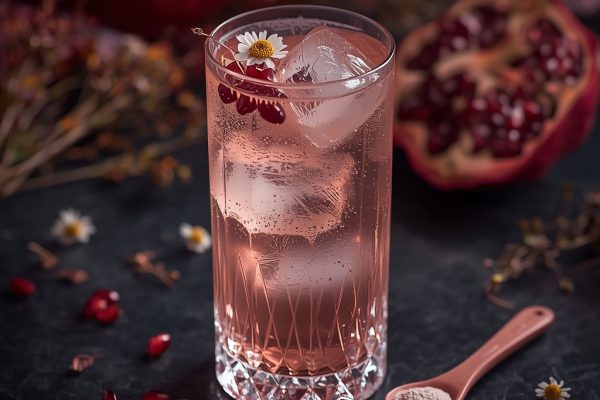
This rosy, gentle elixir was built for that exact window — the 4 to 12 weeks of cardiac and nervous system recovery after Takotsubo. Four ingredients with serious cardiology research behind them. Zero caffeine. Zero stimulants. Zero panic.
| ⏱ Prep: 5 min | 👥 Serves: 1 | 💚 Goal: Cardiac recovery | ⭐ Easy |
A Heart That Looks Like a Japanese Octopus Trap
In 1990, a Japanese cardiologist named Hikaru Sato published an unusual case series. He described patients — almost all women, almost all over 50 — arriving at the ER with crushing chest pain, EKG changes, and elevated cardiac enzymes. Every sign pointed to a massive heart attack. But when cardiologists looked inside their hearts, the coronary arteries were clean. No blockage. No clot.
Instead, the lower part of the left ventricle had ballooned out, leaving the heart shaped exactly like a tako-tsubo — the round-bottomed, narrow-necked clay pot Japanese fishermen use to trap octopus.
Every patient had one thing in common: a recent, massive emotional or physical shock. A spouse’s funeral. A car accident. A divorce. A diagnosis. The triggers told the story before the science did. Western medicine eventually adopted Sato’s name for it, but most cardiologists today still call it by its more honest English translation: broken heart syndrome.
For decades, doctors believed Takotsubo was self-limiting — a few weeks and the heart would simply bounce back. We now know that’s only half true. The wall motion recovers, yes. But the underlying cardiac energy deficit and nervous system dysregulation can linger for months. This is exactly where nutrition, magnesium, and adaptogens earn their place.
Why This Cocktail Works (According to Science)
Takotsubo isn’t a plumbing problem like a heart attack — it’s an electrical and metabolic problem caused by a sudden surge of catecholamines (adrenaline and noradrenaline). The heart muscle gets flooded, stunned, and runs out of energy. Recovery isn’t about reopening arteries. It’s about refueling cells and calming the nervous system that triggered the storm in the first place. Four ingredients in this elixir target exactly that.
- CoQ10 (ubiquinol form) — A 2024 systematic review and meta-analysis (medRxiv) confirmed that CoQ10 supplementation supports mitochondrial function and cardiac performance across cardiovascular disease populations. The HEROIC study (Circulation Research and clinical trial NCT02989454) directly documented a profound shortage of energy in Takotsubo hearts during the acute phase, with only partial recovery at 4 months — making mitochondrial cofactors a logical adjunctive support.
- Ashwagandha KSM-66 — A 2026 randomized controlled trial published in Nutrients (MDPI) showed that 600 mg/day of standardized KSM-66 ashwagandha root extract significantly stabilized cortisol responses and improved recovery markers in adults under high physiological stress. Across multiple trials, this same dose has consistently lowered serum cortisol — the exact hormone class that triggers Takotsubo.
- Magnesium glycinate — Published in Cardiovascular Drugs and Therapy and supported by Cochrane reviews, magnesium acts as a cardiac membrane stabilizer, calms sympathetic nervous activity, and reduces ventricular arrhythmia risk — all priorities in the post-Takotsubo recovery window.
- Glycine — Research in Frontiers in Neuroscience shows that glycine improves heart rate variability and supports parasympathetic (“rest-and-digest”) nervous system tone. After a catecholamine storm, restoring vagal tone is one of the most direct paths back to baseline.
| 💡 Did You Know? Roughly 90% of Takotsubo cases occur in women — and the average age is around 67. Researchers now believe the post-menopausal drop in estrogen, combined with how women metabolize stress hormones, helps explain why broken heart syndrome is overwhelmingly a women’s health issue. Yet most wellness content treats it as if it doesn’t exist. |
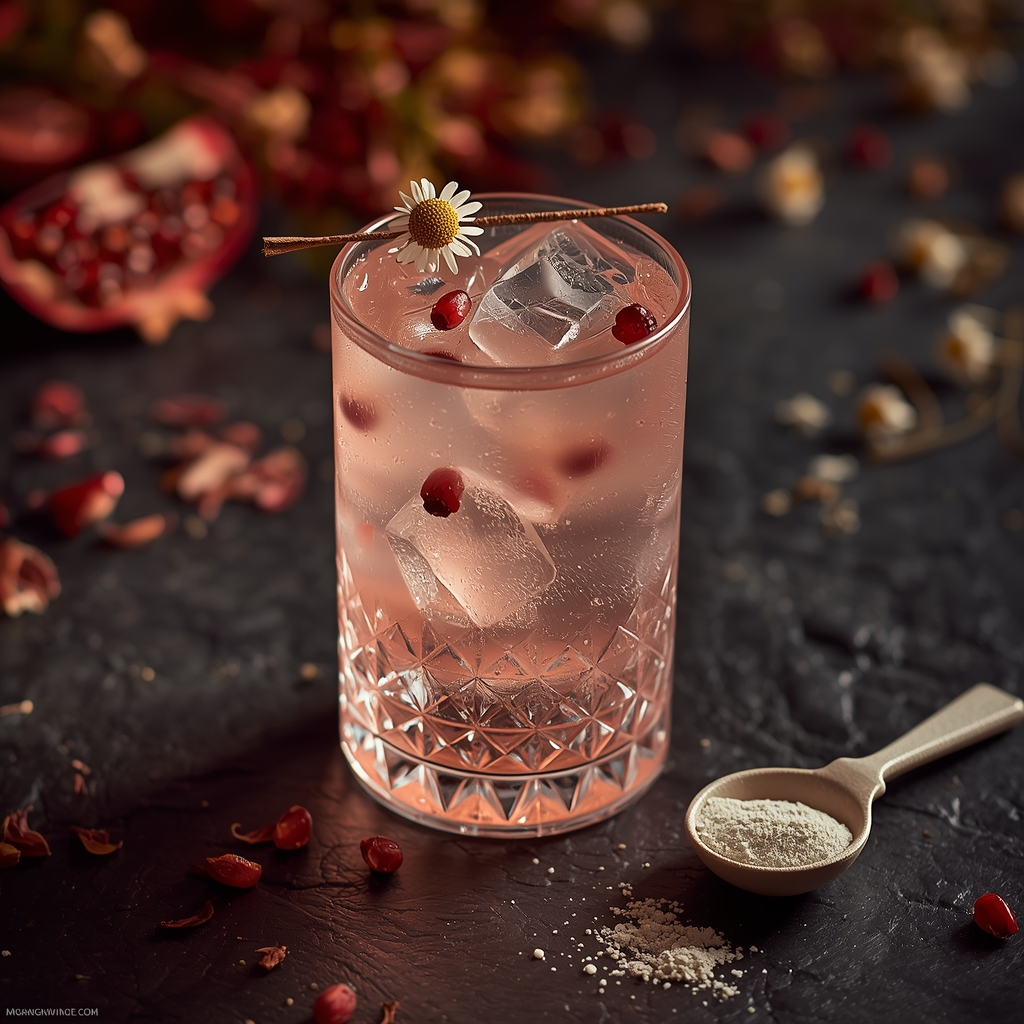
Recipe: Broken Heart Bloom
| ⏱ Prep: 5 min | 👥 Serves: 1 (10 oz) | 🟢 Easy | 💚 Heart & Metabolic |
Ingredients
- 6 oz cooled chamomile tea (steep 2 bags in 8 oz hot water for 10 min, cool 5 min)
- 2 oz filtered water
- 1 oz pomegranate juice (no added sugar — POM Wonderful or similar)
- 100 mg liquid CoQ10 ubiquinol (Jarrow QH-Absorb)
- 300 mg magnesium glycinate powder (Doctor’s Best)
- 3 g glycine powder (NOW Foods)
- 600 mg ashwagandha KSM-66 — capsule contents (Ixoreal)
- 1 drop stevia (optional)
For garnish: 1 fresh chamomile flower (decorative).
Instructions
- Brew chamomile tea: steep 2 chamomile tea bags in 8 oz hot water for 10 minutes. Strain, cool for 5 minutes, and reserve 6 oz.
💡 Tip: Brew a quart on Sunday and refrigerate — it stays fresh for 4 servings across 4 days.
- In a 10 oz glass, combine the 6 oz cooled chamomile tea, 2 oz filtered water, and 1 oz pomegranate juice.
- Add 100 mg liquid CoQ10 ubiquinol, 300 mg magnesium glycinate, 3 g glycine, and the contents of one 600 mg ashwagandha KSM-66 capsule. Whisk vigorously for 30 seconds.
- Add 1 drop stevia if desired. The final color should be a soft rose-amber.
- Sip slowly mid-afternoon, daily for 8 to 12 weeks of recovery — pair with cardiology follow-up and echocardiogram tracking.
Variations
| 🌱 Vegan | 🚫🍬 Sugar-free | 💪 Boosted |
| 100% plant-based as written — every ingredient is naturally vegan. | Skip the stevia entirely — pomegranate juice carries enough natural sweetness on its own. | Add 1 g taurine — additional cardiac amino acid support during recovery (with cardiology approval). |
Try It Tonight
Make this elixir tomorrow afternoon. Sit down. Breathe. Let your nervous system understand that the storm has passed.
📌 Save this recipe on Pinterest for later — your future self in week 4 of recovery will thank you.
| ⚠️ Disclaimer: This article is for informational purposes only and does not constitute medical advice. It is NOT intended to diagnose, treat, cure, or prevent any disease, including Takotsubo cardiomyopathy. This recipe is intended for the stable post-discharge recovery phase only — never during an acute episode. Always consult your cardiologist or primary care physician before adding supplements, especially if you are taking beta-blockers, ACE inhibitors, or any other prescribed medication, or if you are pregnant or breastfeeding. |