What if one of the most studied natural compounds for gut bacterial overgrowth was sitting in your spice cabinet this whole time?
| ⏱ Prep: 8 min | 👥 Serves: 1 | 💚 Goal: SIBO & Gut Dysbiosis Support | ⭐⭐ Intermediate |
The Apothecary’s Secret: A Thousand Years Before Antibiotics
Long before rifaximin existed, herbalists across the Mediterranean were already reaching for oregano. In ancient Greece, Hippocrates — considered the father of modern medicine — used oregano oil as a remedy for digestive complaints, respiratory infections, and intestinal disorders. For centuries, the herb’s sharp, phenolic scent was understood to be more than a flavor: it was medicine.
Fast-forward to a 2024 clinical study published in Nutrients — researchers found that a botanical protocol including oregano oil and berberine showed comparable effectiveness to rifaximin for clearing hydrogen-dominant SIBO (Nutrients 2024, DOI: 10.3390/nu16183149). What Greek physicians intuited two thousand years ago, modern science is now measuring, quantifying, and confirming in breath hydrogen tests.
This Oregano Shield Tonic is built on that very intersection — ancient antimicrobial wisdom, validated by peer-reviewed research. It’s not a comfort drink. It’s a precision protocol. And once you understand why every single ingredient is there, you’ll understand why the combination is greater than the sum of its parts.
Why This Tonic Works (According to Science)
The Science Behind the Herbs
Oregano Oil (Carvacrol): Carvacrol, the primary active phenol in oregano oil, works by directly penetrating and destabilizing bacterial cell membranes — including the biofilm matrices that protect SIBO-associated bacteria like E. coli and Klebsiella from conventional treatments. A 2024 study in Microorganisms showed that oregano essential oil inhibited biofilm formation by up to 93.83% and eradicated preformed 48-hour-old biofilms by up to 85.32%. Carvacrol also disrupts quorum sensing — the bacterial communication system that allows colonies to coordinate and resist host defenses. (Microorganisms 2024, DOI: 10.3390/microorganisms12081651)
Berberine (from Barberry/Goldenseal): Berberine is arguably the most clinically studied botanical for SIBO. A 2023 randomized clinical trial published in Frontiers in Pharmacology (BRIEF-SIBO study) directly compares berberine 800mg/day to rifaximin 800mg/day for SIBO eradication — with the primary hypothesis that berberine is non-inferior to rifaximin. Earlier research confirmed that herbal therapy containing berberine produced equivalent results to rifaximin. A 2024 Nutrients study further confirmed that a botanical protocol including berberine and oregano oil achieved SIBO clearance in 42.8% of hydrogen-dominant cases at week 10. (Front Pharmacol 2023, DOI: 10.3389/fphar.2023.1121435 | Nutrients 2024, DOI: 10.3390/nu16183149)
Ginger (Prokinetic Action): SIBO doesn’t only result from bad bacteria — it results from a gut that has stopped cleaning itself. The migrating motor complex (MMC), the gut’s natural “housekeeper wave,” sweeps bacteria downward between meals. Ginger activates this mechanism. A study published in World Journal of Gastroenterology (2011) demonstrated that ginger significantly accelerated gastric emptying and stimulated antral contractions in patients with functional dyspepsia — addressing the very root-cause motility dysfunction that allows SIBO to recur after treatment. (World J Gastroenterol 2011, DOI: 10.3748/wjg.v17.i1.105)
Apple Cider Vinegar: Low stomach acid (hypochlorhydria) is a key SIBO risk factor — it allows bacteria to pass the first line of defense and colonize the small intestine. ACV’s acetic acid gently supports gastric acidity, restoring this critical antimicrobial barrier. (Cleveland Clinic SIBO Overview: https://my.clevelandclinic.org/health/diseases/21820-small-intestinal-bacterial-overgrowth-sibo)
💡 Did You Know? SIBO affects an estimated 6–15% of healthy individuals and up to 80% of people with irritable bowel syndrome — yet most cases go undiagnosed for years because the symptoms (bloating, gas, brain fog, nutrient deficiencies) overlap with dozens of other conditions.

Recipe: Oregano Shield Tonic
| ⏱ Prep: 8 min | 👥 Serves: 1 | 💚 Goal: SIBO & Gut Dysbiosis Support | ⭐⭐ Intermediate |
Ingredients
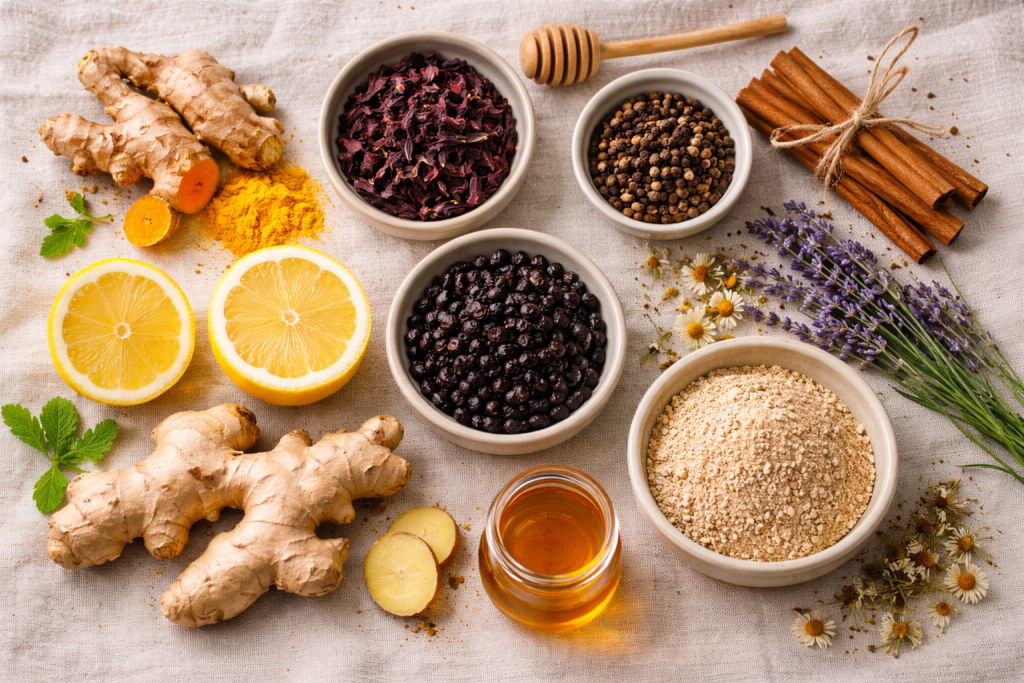
• 1 drop food-grade oregano oil — diluted into 1 tsp MCT oil or olive oil (NEVER consume undiluted)
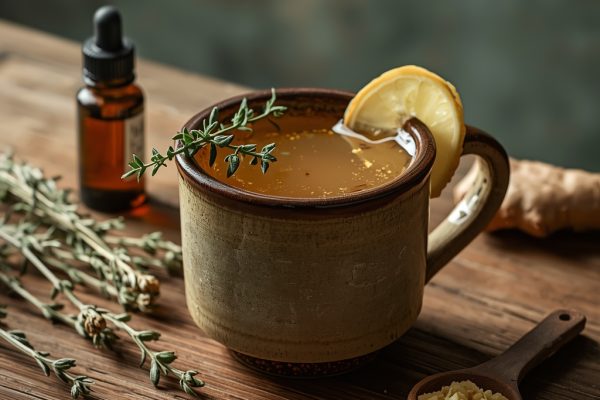
• 6 oz (180 ml) fresh thyme tea (fresh or dried thyme, steeped 10 min, strained)
• 1 berberine tea bag (barberry or goldenseal) — brewed into the thyme base
• ½ tsp fresh ginger, finely grated
• 1 tsp raw apple cider vinegar (with the mother)
• 2 oz (60 ml) warm filtered water (for dilution and emulsification)
• 1 drop pure liquid stevia (optional — for minimal sweetness)
• For garnish: fresh thyme sprig + thin slice of fresh ginger
Instructions
1. Brew the herbal base. Steep thyme and the berberine tea bag together in 6 oz of near-boiling water for 10 minutes. Strain and cool to warm (around 130°F / 55°C). Never add oregano oil to boiling water.
💡 Tip: Brew a 2× strength concentrate on Sunday, refrigerate, and dilute with warm water each morning to save 5 minutes daily.
2. Dilute the oregano oil. In a small bowl or shot glass, mix 1 drop food-grade oregano oil into 1 tsp MCT oil or olive oil. Stir 20 seconds. This step is non-negotiable for safety — undiluted oregano oil can irritate mucous membranes.
3. Combine all ingredients. Add the diluted oregano emulsion, grated ginger, and ACV to the warm herbal tea. Add 2 oz additional warm water.
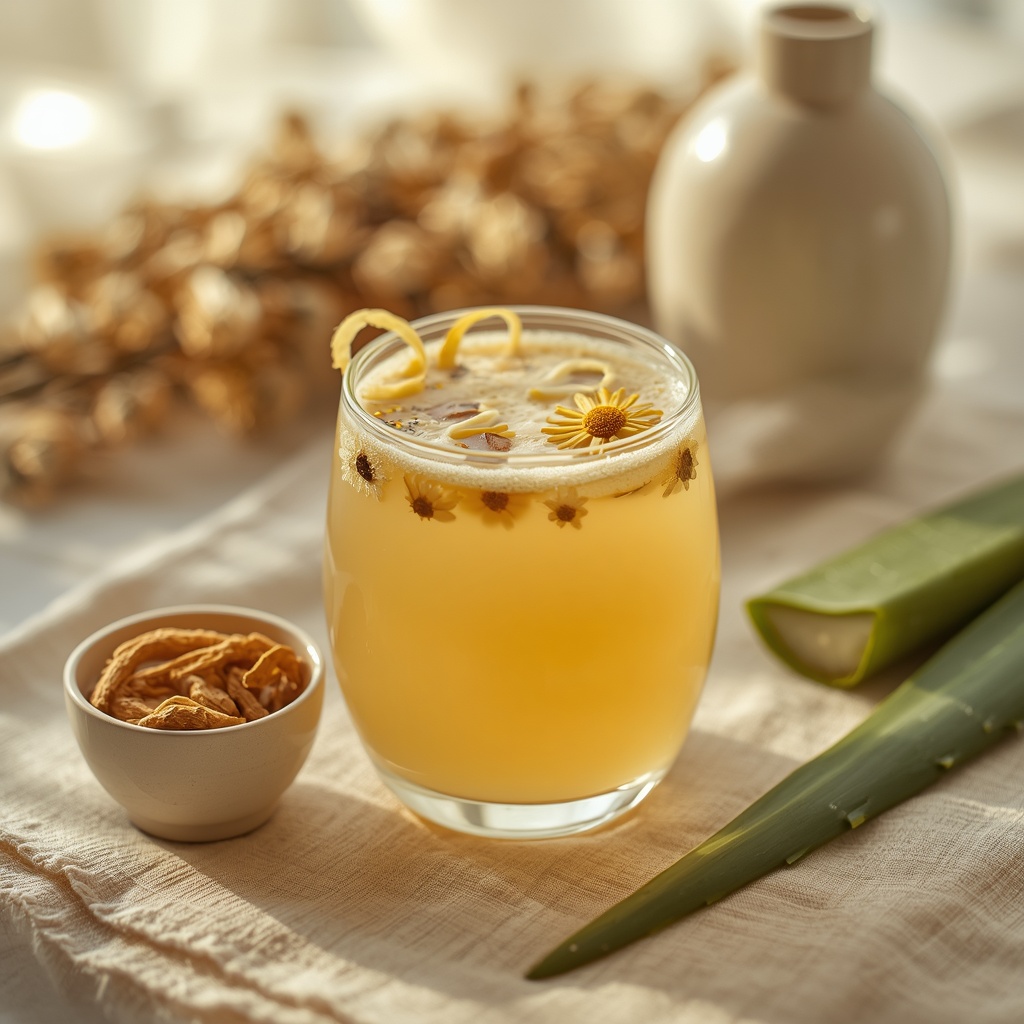
4. Whisk to emulsify. Whisk briskly for 20 seconds. The tonic should appear slightly cloudy and amber-gold — this opacity is the oil emulsion correctly integrating. A light froth is normal.
5. Finish and serve warm. Add 1 drop stevia if desired. Drink warm — cold blunts ginger’s prokinetic effect and breaks the oil emulsion. Ideally consume 20–30 minutes before a meal. Garnish with thyme sprig and ginger slice.
Variations
| Version | Modification |
| 🌿 Zero Sugar | Omit the stevia drop — already 100% sugar-free and FODMAP-friendly |
| 🥛 Vegan | Fully vegan as written — no substitutions needed |
| 💪 Rebuilding Phase | Post-SIBO only: add aged garlic extract. HIGH FODMAP — only after SIBO is confirmed cleared. |
Make It Your Daily Gut Protocol
Try this tonic consistently for 2 weeks — ideally first thing in the morning, 20–30 minutes before breakfast — and pay close attention to how your gut responds. Most people with active dysbiosis notice meaningful changes in bloating and digestive rhythm within the first week.
📌 Save this recipe on Pinterest for your gut health board!
⚠️ Disclaimer: This recipe is intended for general wellness and informational purposes only. It is NOT intended to diagnose, treat, cure, or prevent any disease. Scientific references cited reflect current research and do not constitute medical advice. Always consult your physician or a qualified healthcare professional before making changes to your diet, especially if you are managing a chronic condition, are pregnant, or are taking medications. Oregano oil must NEVER be consumed undiluted — this recipe uses a safely diluted dose. This tonic is not a replacement for medical SIBO treatment. If you suspect SIBO, consult a gastroenterologist for proper breath testing and diagnosis.