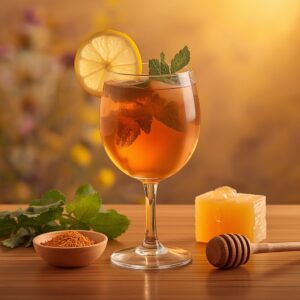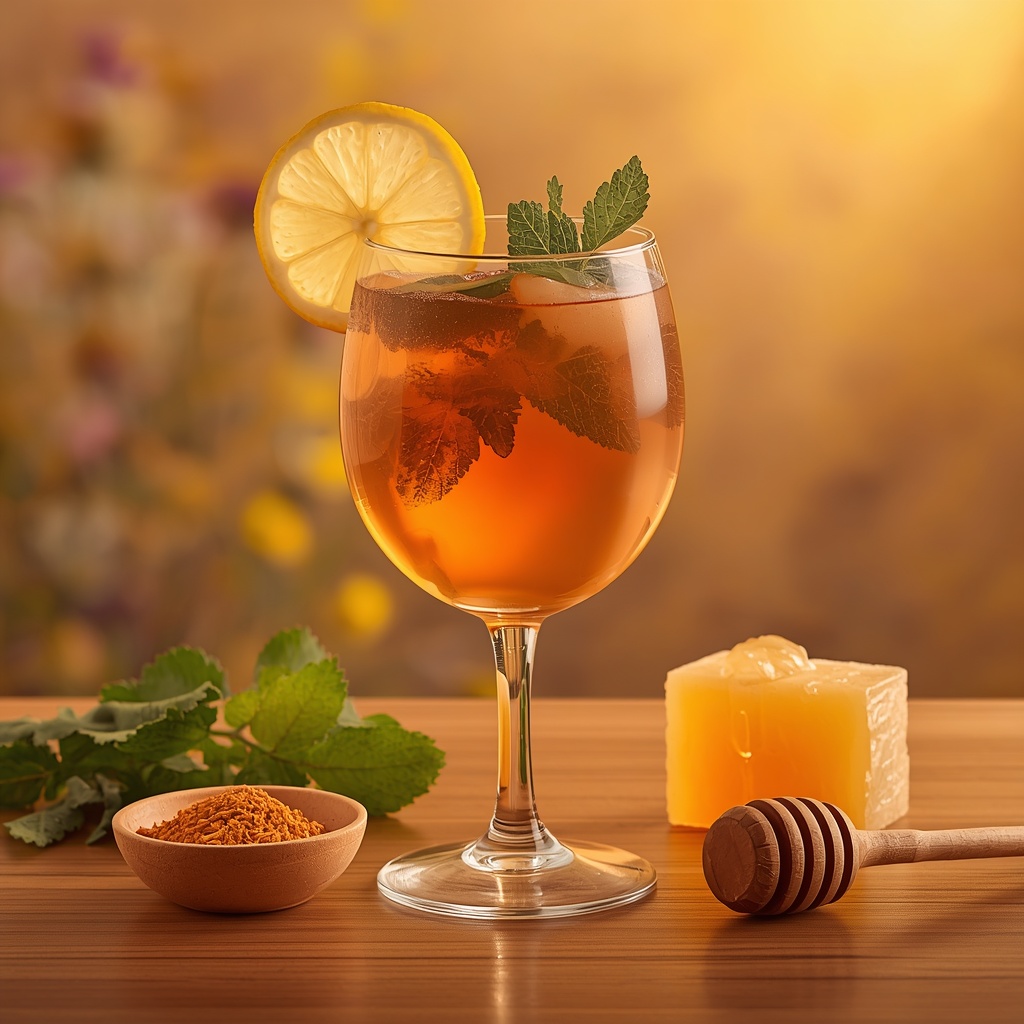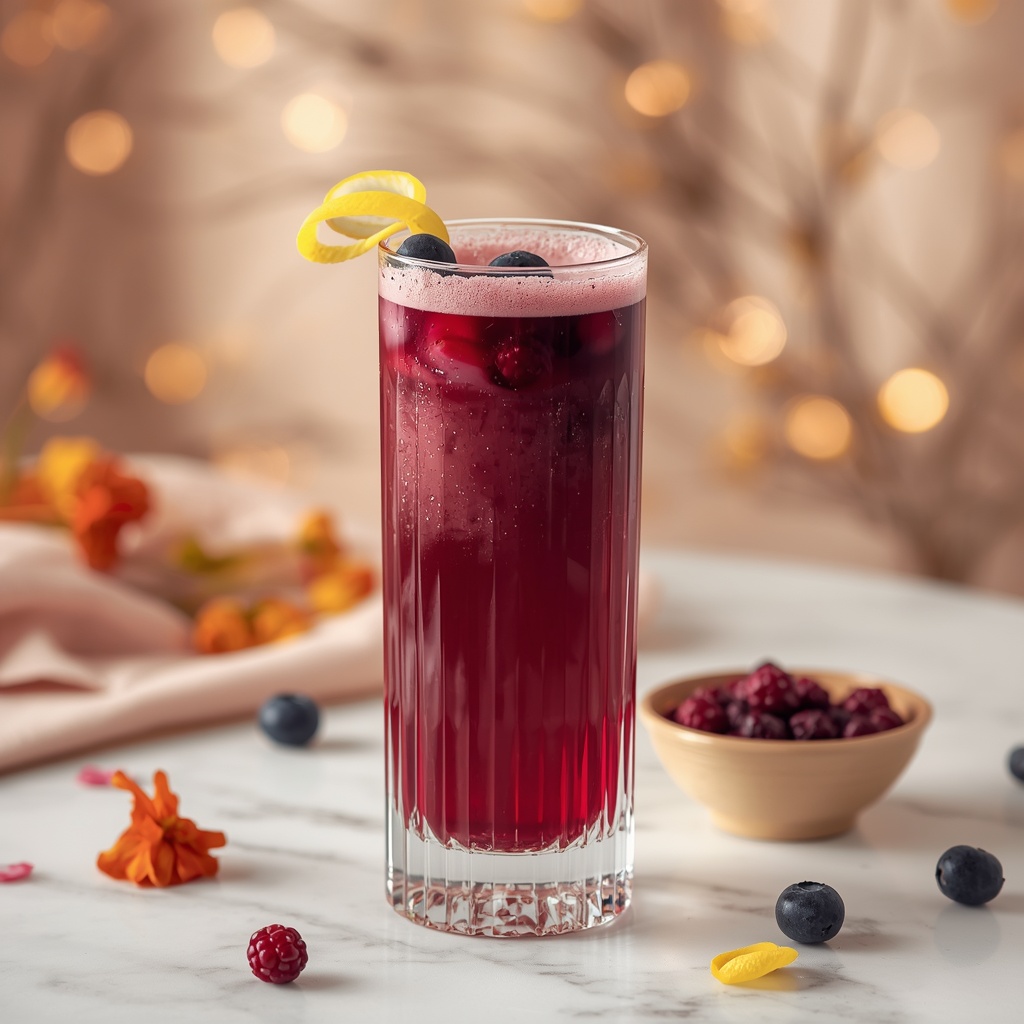
The 7-Minute Bile Flow Activator That Ends Post-Meal Bloating — Backed by 400 Years of European Herbalism
| ⏱ Prep: 7 min | 👥 Serves: 1 | 💚 Goal: Bile Flow & Fat Digestion | ⭐ Easy |
You eat a beautifully prepared meal — roasted salmon, avocado, a generous drizzle of olive oil. And then it hits: that heavy, bloated feeling that lingers for hours. You’re not imagining it. For millions of Americans, fat digestion is the body’s Achilles heel — not because the fat is bad, but because the bile meant to break it down never fully shows up.
Bile is your digestive system’s most underrated superstar. Without adequate bile flow, fat-soluble vitamins A, D, E, and K can’t be absorbed. Fatty meals become bloating events. And the gallbladder — which stores and concentrates bile — sits sluggish and underused.
This is where the Bitters & Bloom Digestif comes in. It’s not another trendy wellness drink. It’s a science-grounded, pre-dinner ritual designed to activate your bile system from two angles at once — and it tastes like something you’d order at a high-end wellness bar.
From Alpine Meadows to European Pharmacies: The Gentian Story
In the high-altitude meadows of the Alps and Pyrenees, European herbalists have been harvesting Gentiana lutea — gentian root — since the Middle Ages. Medieval monks brewed it into bitter tonics for pilgrims with sluggish digestion after long fasting periods. By the 19th century, it had earned a place in virtually every European pharmacopeia, prescribed for appetite loss, biliary insufficiency, and dyspeptic complaints.
What those monks didn’t know — but what researchers confirmed in 2025 in the journal Nutrients — is that gentian’s bitter compounds, amarogentin and gentiopicroside, stimulate a network of bitter taste receptors (TAS2R) that extends from the tongue all the way down into the gut wall. When these receptors fire, they trigger a cascade: the vagus nerve activates, digestive secretions increase, and — critically — the gallbladder contracts, releasing bile into the small intestine where fat digestion happens.
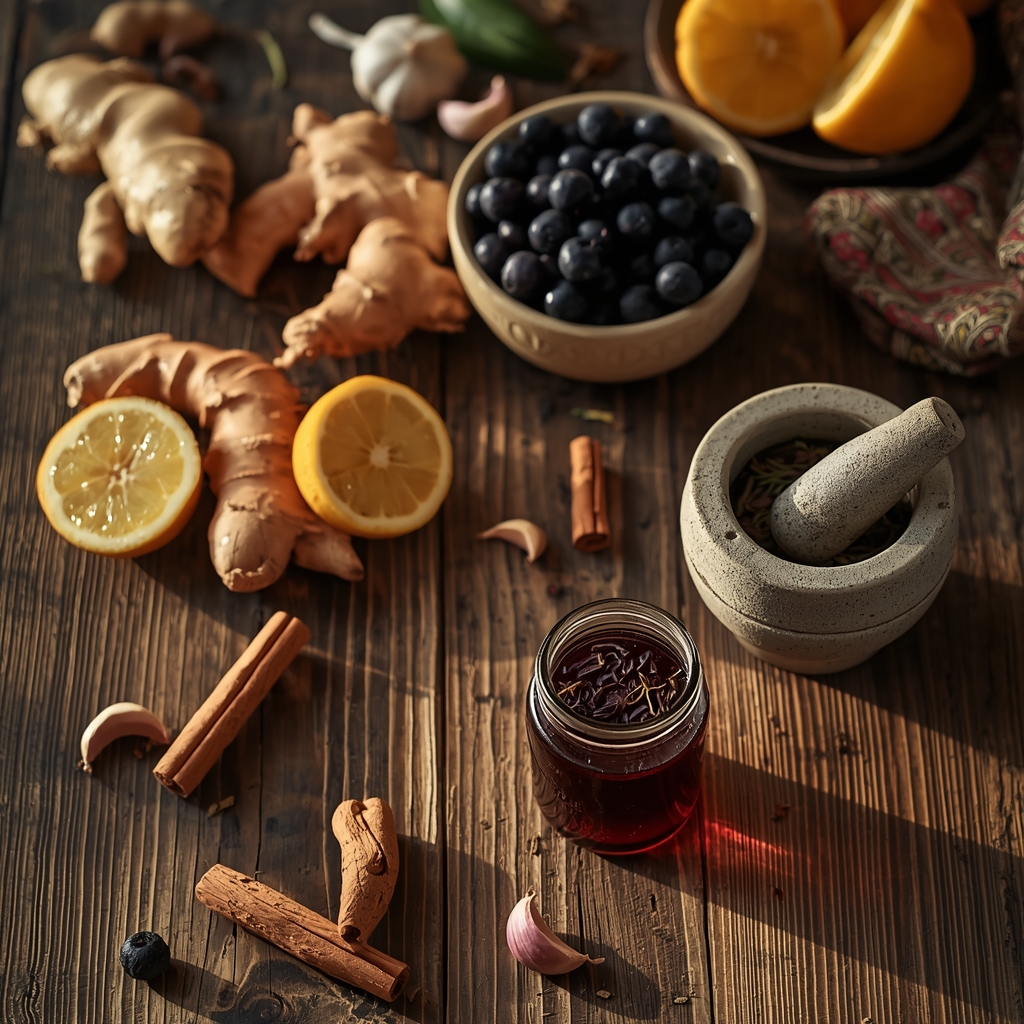
The Bitters & Bloom Digestif takes this centuries-old wisdom and pairs it with modern botany: black radish (a staple of French phytotherapy), rosemary’s choleretic acids, and d-limonene from lemon and orange peel. Together, they activate the bile system from the top down and the bottom up — simultaneously.
Why This Digestif Works (According to Science)
Three distinct mechanisms drive the Bitters & Bloom’s effect on fat digestion:
Gentian Root (Amarogentin / Gentiopicroside) — The Cephalic Bile Reflex
Amarogentin is the bitterest naturally occurring compound ever measured. Even at concentrations of 1 part per 58 million, it registers as intensely bitter on the tongue. This isn’t a quirk — it’s the point. A 2025 review published in Nutrients (PMC12389160) confirmed that gentian’s secoiridoid glycosides stimulate TAS2R bitter receptors in the oropharynx and throughout the gastrointestinal tract, triggering vagal nerve activation, bile acid synthesis, and gallbladder contractility. A landmark 2026 study in the Iranian Journal of Basic Medical Sciences (PMC12867094) further showed that amarogentin regulates bile acid transport via the FXR/Nrf2 pathway — improving bile flow rates and reducing cholestatic markers. Translation: even before your first bite of food, this digestif has already cued your gallbladder to release bile.
💡 Did You Know? The bitterness threshold for amarogentin is so extreme that Swiss researchers identified it as the most bitter compound in nature — detectable at 1 part in 58 million. Your T2R receptors are essentially the most sensitive chemical detectors in your body.
Black Radish (Raphanus sativus var. niger) — The Gallbladder Contractor
Black radish has been a cornerstone of French liver and biliary medicine for generations. A 2020 study published in Preventive Nutrition and Food Science (PMC7813598) confirmed that black radish extract modulates hepatic bile acid secretion and gallbladder contractility. Its active compounds — glucosinolate hydrolysis products — directly stimulate hepatic bile output. In French clinical tradition, black radish extract is prescribed specifically for cholestasis (sluggish bile flow) and biliary dyskinesia. Here it works synergistically with gentian: while gentian sends the top-down vagal signal, black radish delivers a direct, local stimulus to the liver and bile ducts.
D-Limonene (Lemon + Orange Peel Bitters) — The Gallbladder Motility Booster
D-limonene, the primary compound in citrus peel, has one of the most compelling clinical records of any dietary bile-support compound. A clinical study (PMID 9878944) demonstrated that 1g daily of d-limonene dissolved cholesterol gallstones in patients — used here at a lower wellness dose, it promotes upper GI motility and gallbladder contraction. The combination of Meyer lemon juice and alcohol-free orange bitters delivers a meaningful dose of limonene alongside citric acid, which primes gastric acid secretion — ensuring the entire fat-digestion cascade fires in the correct sequence.
Bitter Taste Receptors (TAS2R) — The Hidden Architecture of Bile Release
A 2025 review in Theranostics documented the multiple signaling pathways through which TAS2R activation triggers CCK (cholecystokinin) release from enteroendocrine cells. CCK is the primary hormonal signal that tells the gallbladder to contract and eject bile into the duodenum. The Bitters & Bloom Digestif delivers bitter compounds to these receptors at three points: the tongue, the stomach, and the upper small intestine — creating a layered, sustained bile-release signal across the entire digestive process.
Recipe: Bitters & Bloom Digestif
| ⏱ Prep: 7 min | 👥 Serves: 1 | 💚 Goal: Bile Flow & Fat Digestion | ⭐ Easy |
Ingredients
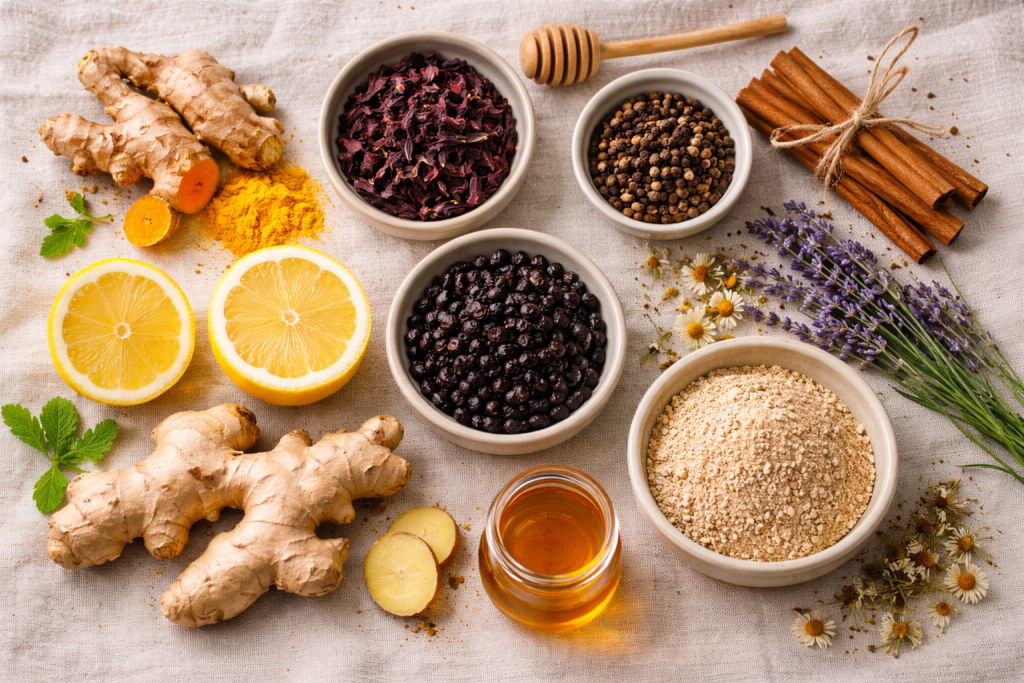
- ½ tsp (2.5 ml) gentian root tincture (alcohol-free, glycerin-based)
- ½ tsp black radish juice powder
- 5 oz (150 ml) rosemary tea (freshly brewed)
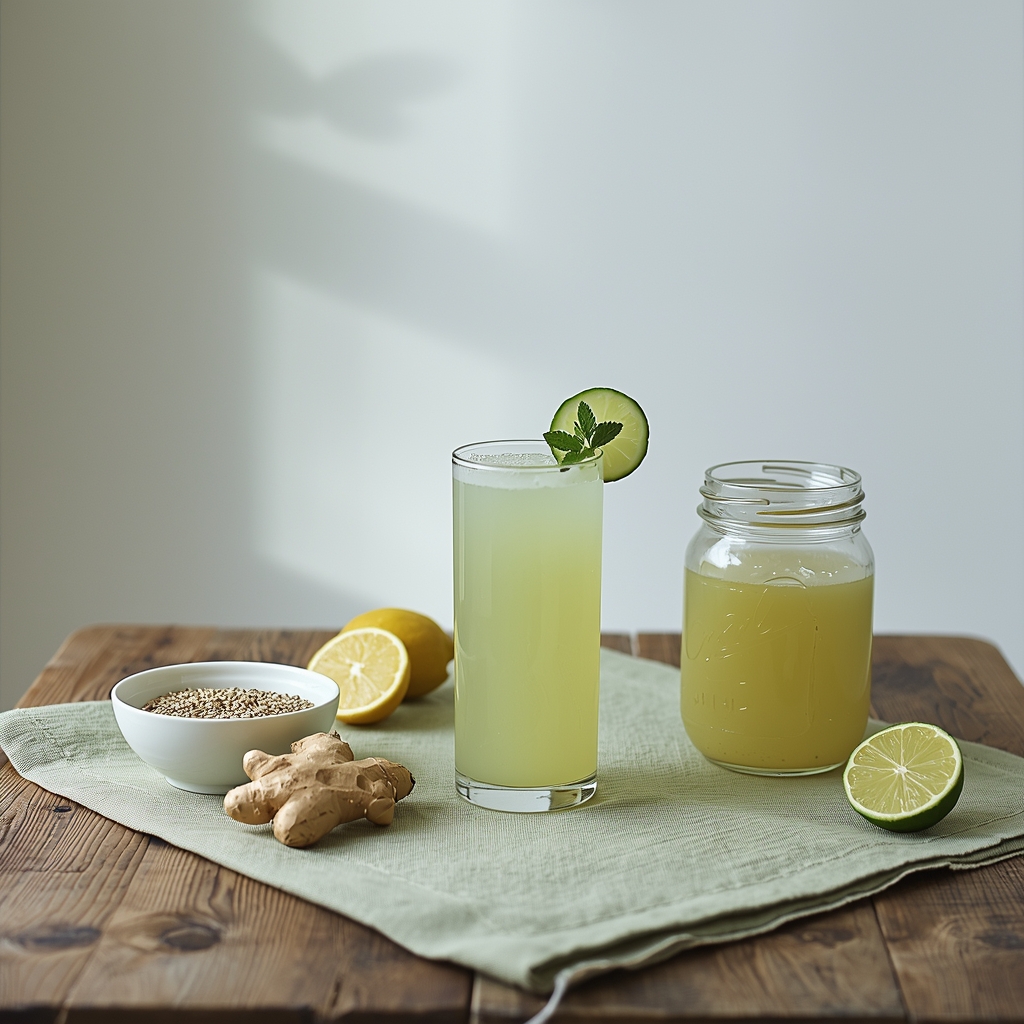
- 2 tbsp fresh Meyer lemon juice
- 3 oz (90 ml) sparkling water
- 4 dashes alcohol-free orange peel bitters
- ¼ tsp raw honey (or 1 drop stevia for sugar-free)
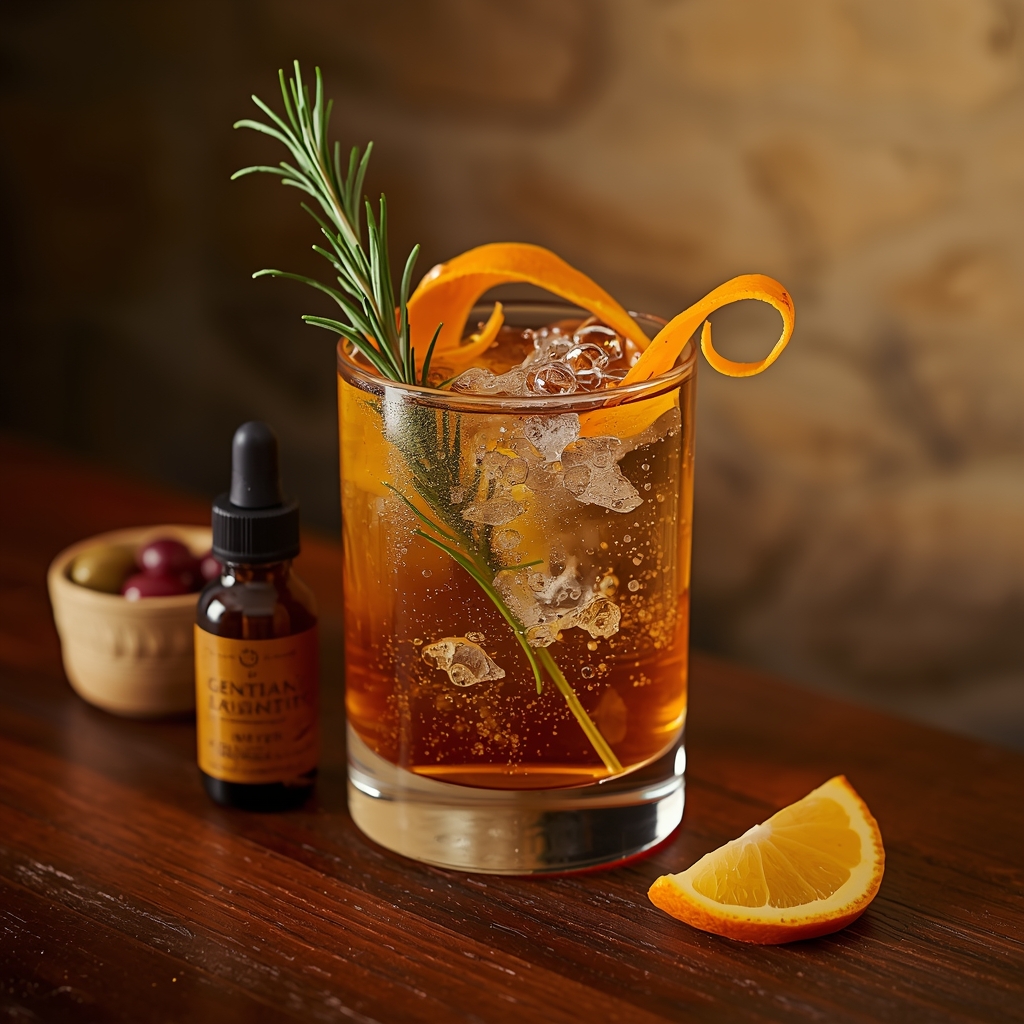
- For garnish: rosemary sprig + orange peel twist
Instructions
- Brew rosemary tea using 2 tsp dried rosemary (or 4 fresh sprigs) steeped in 5 oz of near-boiling water for 6 minutes. Strain and cool to room temperature. 💡 Brew a 3× strength concentrate on Sundays and dilute 2 oz + 3 oz water daily for the week.
- Whisk gentian tincture and black radish powder directly into the cooled rosemary tea until fully dissolved — no clumps.
- Add Meyer lemon juice, raw honey, and alcohol-free orange bitters. Stir to combine.
- Just before serving, add sparkling water and stir gently to preserve carbonation.
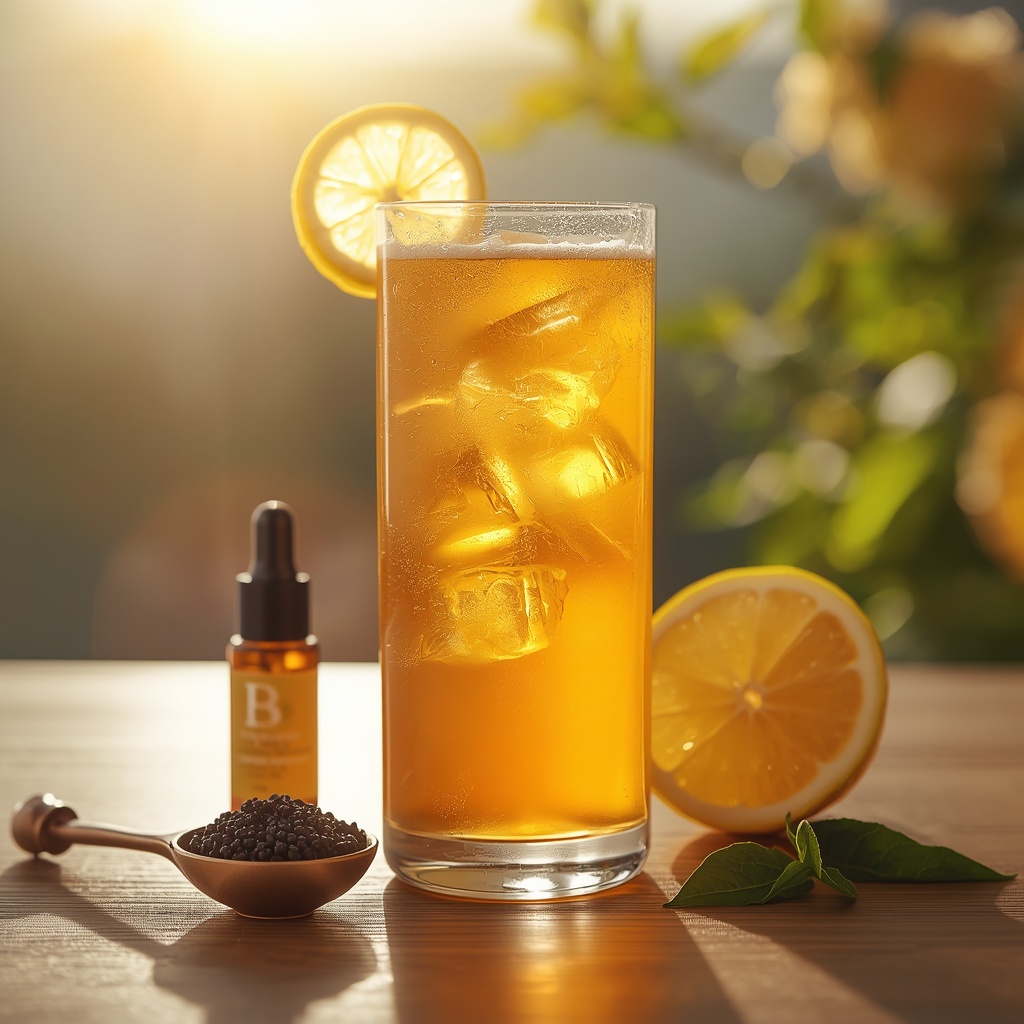
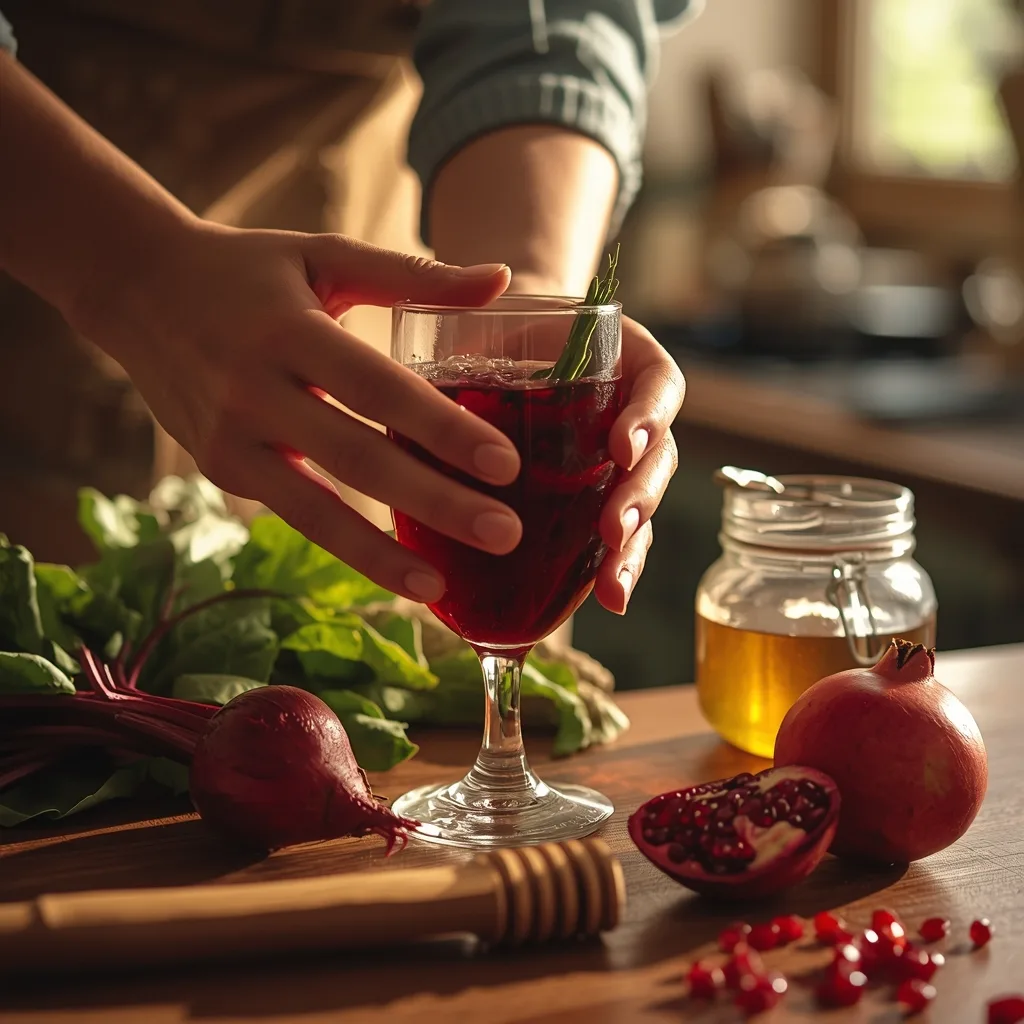
- Serve at room temperature or slightly chilled — never iced. Garnish with rosemary sprig and orange peel twist curled on the rim. Serve 15 minutes before or 30 minutes after a fatty meal.
Variations
| 🌿 Sugar-Free Version | Replace honey with 1 drop stevia — already very low sugar |
| 🥛 Vegan Version | Replace honey with ¼ tsp pure maple syrup |
| ☕ Warm Version | Omit sparkling water — serve as warm rosemary-gentian tea |
| 💪 Boosted Version | Add ¼ tsp artichoke leaf powder + 1 capsule phosphatidylcholine for post-meal bile support |
Your Gallbladder Will Thank You
Try the Bitters & Bloom Digestif tonight before your next meal — especially if that meal includes healthy fats like salmon, avocado, olive oil, or eggs. Notice the difference in how you feel 30 minutes post-meal. No bloating. No heaviness. Just clean, effortless digestion.
📌 Save this recipe on Pinterest for later — your gut health board needs this!
⚠️ Disclaimer: This recipe is intended for general wellness and informational purposes only. It is NOT intended to diagnose, treat, cure, or prevent any disease. Scientific references cited reflect current research and do not constitute medical advice. Always consult your physician before making changes to your diet, especially if you are managing a chronic condition or taking medications. Individuals with active gallstones should consult their physician before using cholagogue herbs.