
| ⏱ Prep Time | 7 minutes | 👥 Serves | 1 |
| 💚 Goal | H. Pylori & Gastric Healing | ⭐ Difficulty | Intermediate |
From the Island of Chios to Your Kitchen Counter
For over 2,500 years, the inhabitants of Chios — a small Greek island in the Aegean Sea — have harvested a precious, aromatic resin from the Pistacia lentiscus tree. The ancient Greeks called it masticha. Hippocrates prescribed it. Dioscorides wrote about its healing powers. For generations, Chios islanders chewed it daily, and their rates of stomach ailments were notably lower than surrounding regions. Researchers eventually took notice.
In 1998, a landmark study published in the New England Journal of Medicine confirmed what the people of Chios had known for millennia: mastic gum could kill Helicobacter pylori, the bacterium now recognized as the primary driver behind gastric ulcers, gastritis, and even stomach cancer risk. With just 1 mg per day, mastic gum demonstrated antibacterial activity against H. pylori — a discovery that sent a ripple through the gastroenterology community.
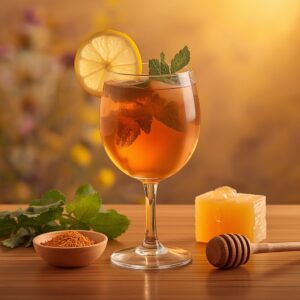
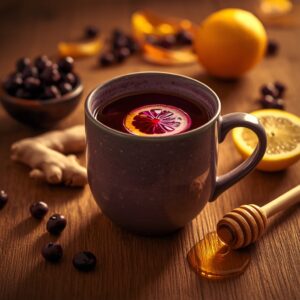
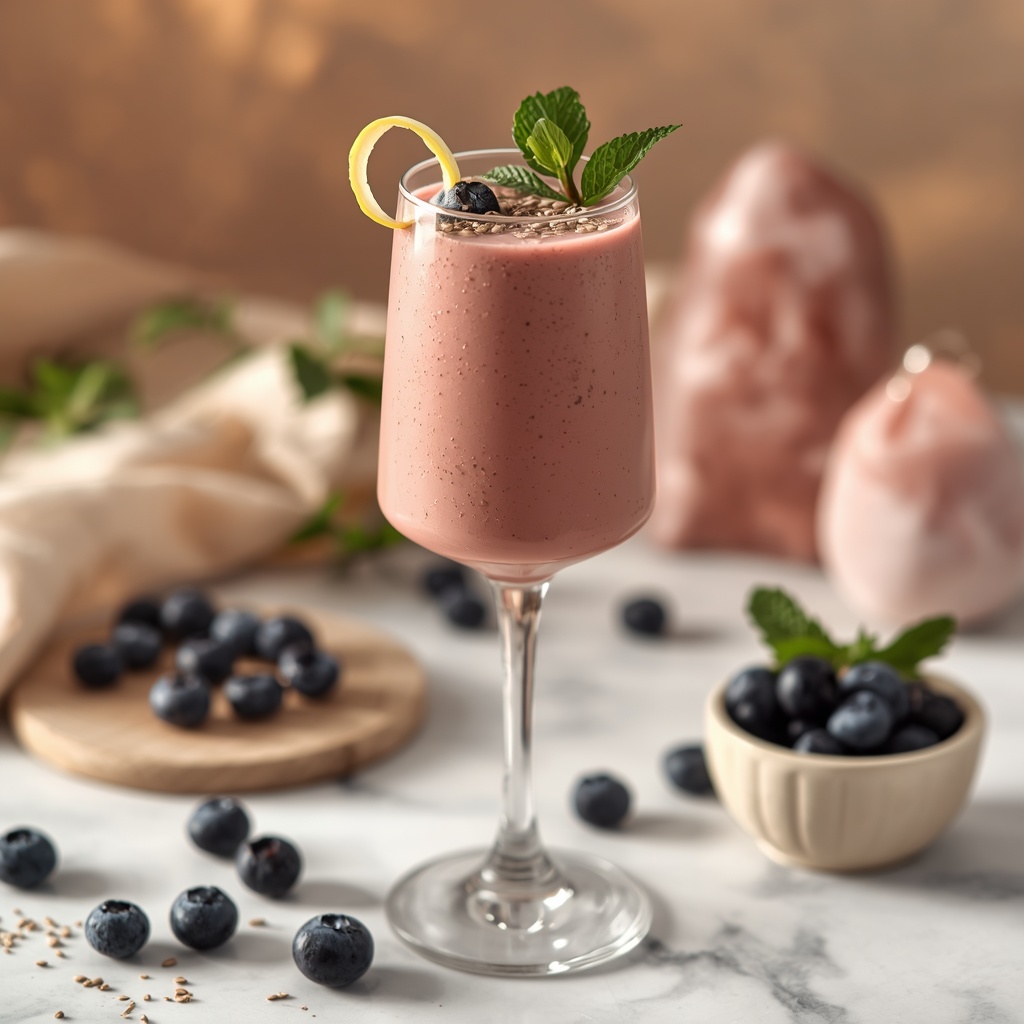
The Mastic Belly Shield tonic bridges ancient wisdom and modern evidence, pairing mastic gum with DGL licorice and fresh cabbage juice — two compounds with their own peer-reviewed legacy in gastric repair. The result is a targeted, functional tonic you can make in under 10 minutes. (See NEJM, 1998)[1]
Why This Tonic Works (According to Science)
This is not a “wellness trend” drink. Each ingredient was selected based on peer-reviewed research targeting the specific mechanisms of H. pylori infection and gastric mucosal damage. Here is what the science says:
Mastic Gum — The H. Pylori Assassin
The active compound in mastic gum, isomasticadienolic acid, disrupts the outer membrane of H. pylori bacteria, preventing colonization and triggering bacterial cell death. In the 1998 NEJM study (Huwez et al.), even 1 mg of mastic gum daily for two weeks led to an 80% ulcer healing rate — significantly faster than the placebo group. Additional research has confirmed its broad antibacterial profile, including activity against antibiotic-resistant H. pylori strains.[2]
DGL Licorice — The Mucosal Shield Builder
Deglycyrrhizinated licorice (DGL) stimulates gastric mucin secretion — the thick, gel-like protective coating that lines the stomach wall. When H. pylori infection erodes this layer, DGL helps rebuild it. A pivotal study published in the British Journal of Clinical Practice found that DGL formulations significantly reduced ulcer healing time compared to controls.[3] Unlike whole licorice root, DGL has the glycyrrhizin compound removed, eliminating risks of elevated blood pressure associated with long-term licorice use.
Cabbage Juice — The Forgotten Ulcer Remedy
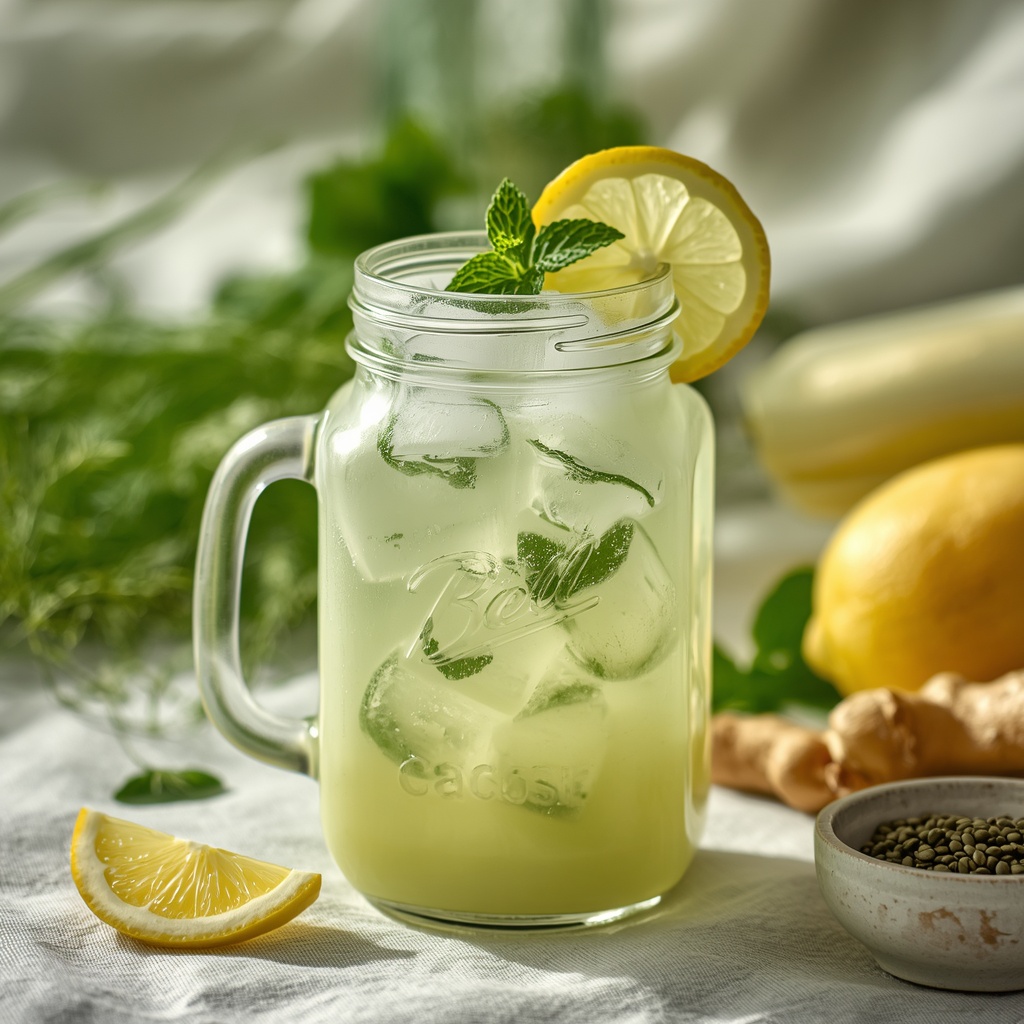
Fresh green cabbage is one of the richest dietary sources of L-glutamine (historically nicknamed “Vitamin U” for its ulcer-healing properties). In a 1949 Stanford University study by Dr. Garnett Cheney[4], patients drinking fresh cabbage juice healed their peptic ulcers in an average of 10 days compared to the standard 37-day healing time. L-glutamine feeds and regenerates enterocytes — the epithelial cells lining the gut wall — accelerating mucosal repair from the inside out.
Chamomile & Ginger — The Anti-Inflammatory Duo
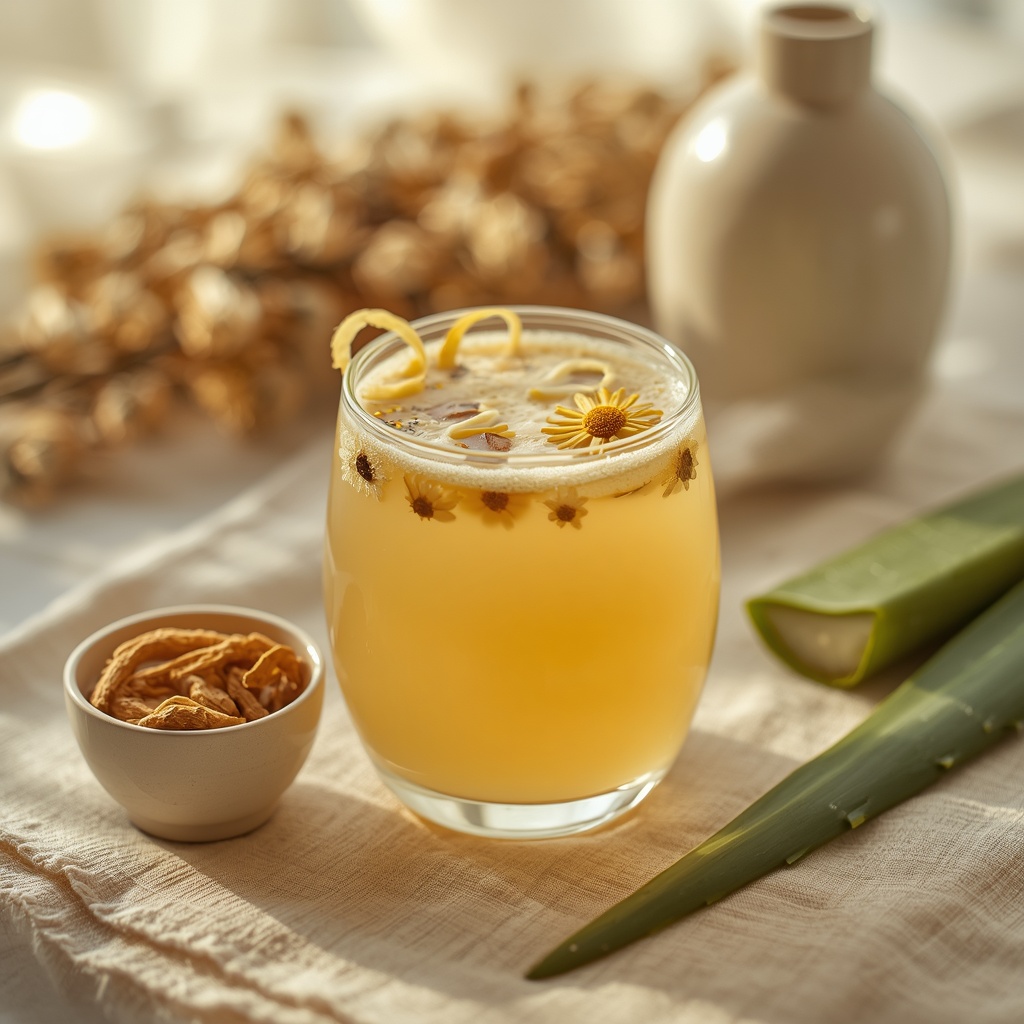
Chamomile (Matricaria chamomilla) contains apigenin and bisabolol, two compounds clinically shown to reduce gastric inflammation and soothe smooth muscle spasms — the cramping sensation often associated with gastritis. Fresh ginger adds additional anti-inflammatory and prokinetic properties, helping food move through the digestive tract more efficiently and reducing the stagnation that worsens gastric symptoms.
| 💡 Did You Know?H. pylori (Helicobacter pylori) is one of the most common bacterial infections in the world, estimated to affect more than 50% of the global population. Yet most infected individuals show no symptoms for years — until the bacteria erodes the stomach lining and triggers gastritis or peptic ulcers. The good news: natural compounds like mastic gum have shown documented antibacterial activity against H. pylori in peer-reviewed research. |
Together, these five ingredients create a powerful synergy: mastic attacks H. pylori directly; DGL and cabbage juice rebuild the damaged mucus layer; chamomile and ginger reduce inflammation and calm the gastric environment. This is not one ingredient doing all the work — it is a coordinated, multi-mechanism approach to gastric healing.
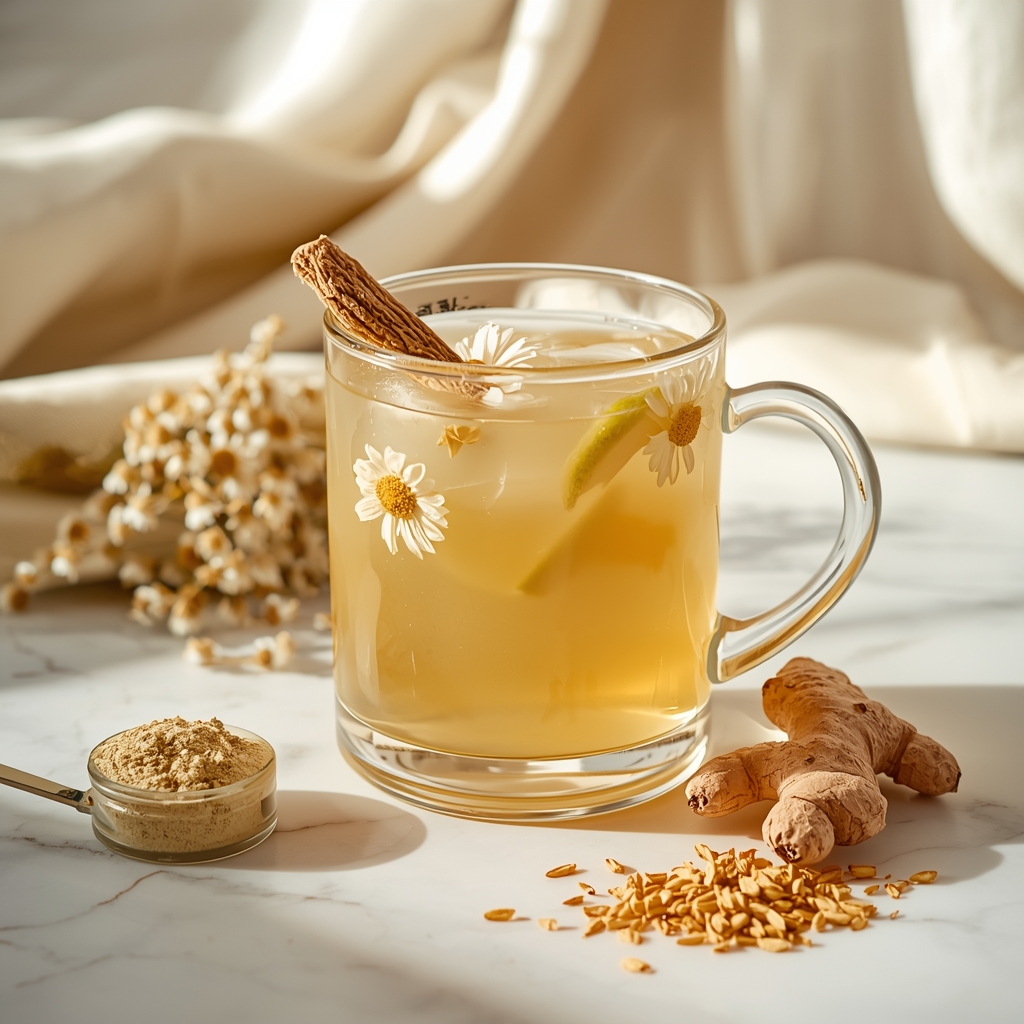
Mastic Belly Shield Recipe — Full Instructions
| Ingredient | Amount |
| Mastic gum powder | 500 mg (approx. 1/4 tsp) |
| DGL licorice powder | 250 mg (approx. 1/8 tsp) |
| Fresh cabbage juice | 2 oz (approx. 4 tbsp) |
| Chamomile tea (brewed) | 6 oz |
| Fresh ginger, grated | ⅛ tsp |
| Pure stevia drops | 3–5 drops (to taste) |
Instructions
- Brew chamomile tea in 6 oz of hot water for 5 minutes. Remove the tea bag or strain. Allow to cool to approximately 120°F (49°C) — warm to the touch but not scalding. Tip: Use a kitchen thermometer for precision; excessive heat can degrade the active compounds in mastic gum.
- Add mastic gum powder (500 mg) and DGL licorice powder (250 mg) directly into the warm chamomile tea. Whisk vigorously for 60–90 seconds until both powders are fully dissolved. Tip: Mastic gum may clump if the liquid is too hot; keep temperature below 130°F.
- Pour in 2 oz of fresh-pressed cabbage juice. Stir gently to incorporate. Tip: Use a cold-press juicer for maximum L-glutamine retention; avoid store-bought cabbage juice, which is often pasteurized and nutrient-depleted.
- Add ⅛ tsp of freshly grated ginger and 3–5 drops of pure stevia (adjust to taste). Stir to combine.
- Drink slowly over 10–15 minutes, 20–30 minutes before meals or first thing in the morning on an empty stomach. For therapeutic benefit, continue daily for 4–8 weeks.
Variations & Customizations
✅ Vegan: Already 100% plant-based.
✅ Sugar-Free: Stevia is zero-glycemic. Safe for diabetics and those monitoring blood sugar.
🌿 Boosted Version: Add 1/2 tsp slippery elm bark powder (Ulmus rubra) to the tonic after step 2. Slippery elm creates an additional mucilage layer that coats and soothes the entire GI tract, from esophagus to colon — excellent for those also dealing with acid reflux or irritable bowel symptoms.
❌ Do Not: Do not use whole licorice root powder (not DGL). Do not mix with carbonated drinks or hot coffee. Do not exceed 1g mastic gum per day without medical supervision.
Ready to Give Your Gut the Support It Deserves?
If you have been struggling with chronic stomach pain, persistent gastritis, or have recently been diagnosed with H. pylori, this tonic is a powerful, evidence-backed complement to support your healing journey. Consistency is the key — give it 4–8 weeks and pay attention to how your digestion responds.
📌 Save this on Pinterest so you can find it easily when you need it.
| ⚠️ Medical DisclaimerThis article is intended for informational and educational purposes only. It does not constitute medical advice, diagnosis, or treatment. The statements in this article have not been evaluated by the Food and Drug Administration (FDA). The Mastic Belly Shield tonic is not intended to diagnose, treat, cure, or prevent any disease, including H. pylori infection or gastric ulcers.Always consult a qualified healthcare provider before starting any new supplement, herbal remedy, or dietary protocol, especially if you are pregnant, nursing, taking prescription medications, or have a pre-existing medical condition. If you suspect you have an H. pylori infection or any gastrointestinal disorder, seek professional medical diagnosis and treatment promptly.Individual results may vary. DrinkHealer.com is not responsible for any adverse effects resulting from the use of the recipes, information, or products mentioned on this site. |
[1]Huwez FU et al., “Mastic gum kills Helicobacter pylori”, NEJM, 1998. https://pubmed.ncbi.nlm.nih.gov/9872216/
[3]DGL licorice and gastric mucin secretion. https://pubmed.ncbi.nlm.nih.gov/7064271/
[4]Cheney G, “Rapid Healing of Peptic Ulcers in Patients Receiving Fresh Cabbage Juice”, Stanford study, 1949/1952. https://www.ncbi.nlm.nih.gov/pmc/articles/PMC1521464/