What if the key to quieting your uric acid levels was already sitting in your kitchen — and worked by the exact same biological mechanism as the medication your doctor prescribed?
| ⏱ Prep: 6 min | 👥 Serves: 1 | 💚 Goal: Uric Acid Support | ⭐ Difficulty: Easy |
From Michigan Orchards to the Pharmacist’s Counter: A 150-Year Story
Montmorency tart cherries have been cultivated in Michigan’s Traverse City region since the 1850s. For generations, local farmers and home healers used cherry preparations to ease joint stiffness and swelling — long before anyone had named the molecule responsible. The practice spread quietly through European immigrant communities who remembered similar uses of sour cherries and rhubarb in traditional remedies for the hot, swollen joints we now call gout.
Fast-forward to a pharmacist’s consultation table in the early 2000s. A patient arrives holding a printout about cherry juice. “Can this really help my gout?” The honest answer at the time was: “The evidence is promising but limited.” That answer changed decisively in 2012, when a landmark case-crossover study at Boston University — led by Dr. Yuqing Zhang — followed 633 gout patients and found something remarkable: cherry consumption over just two days was associated with a 35% lower risk of a gout attack.
The plant world, it turned out, had been sitting on a biochemically sophisticated solution all along. And tart cherry was only the beginning.
Why This Cocktail Works (According to Science)
Every ingredient in Uric Urate Calm was selected for a specific, mechanistically understood reason. Here is the pharmacist’s breakdown:
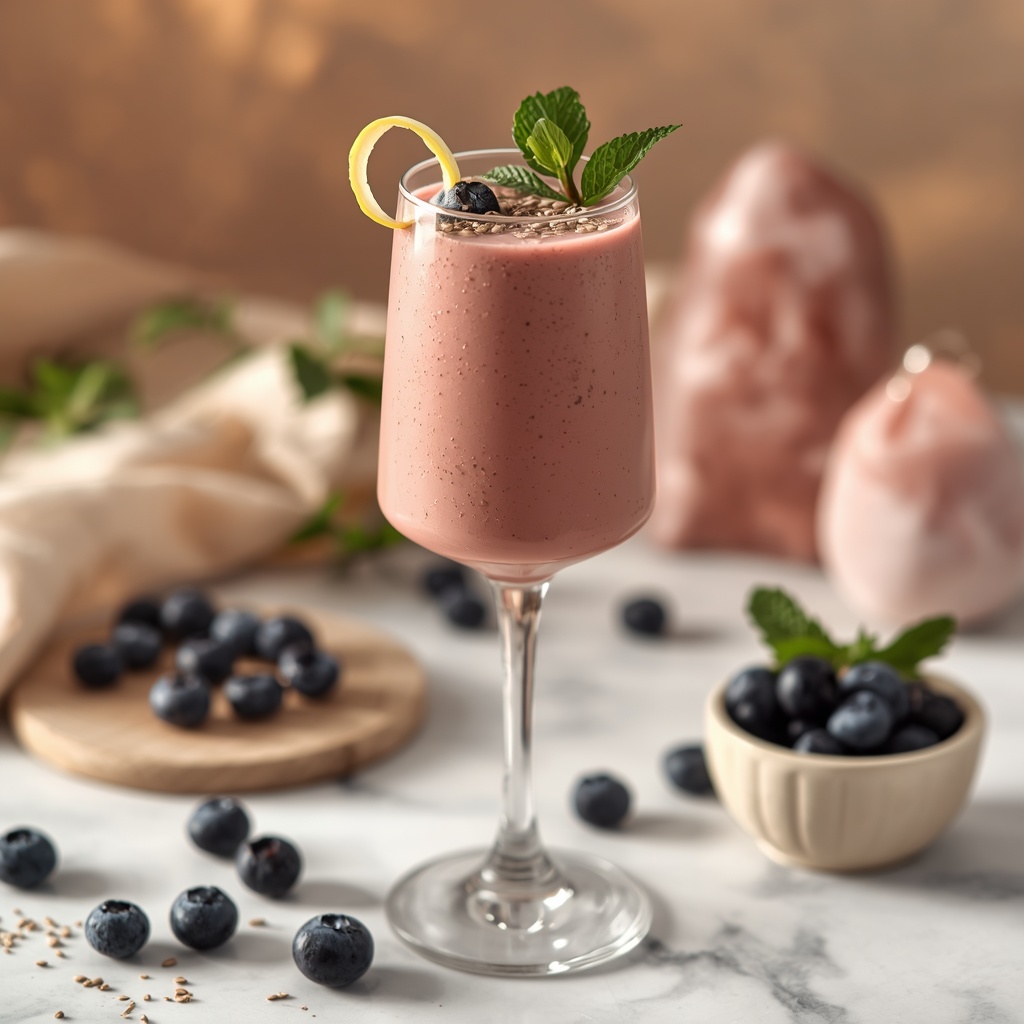
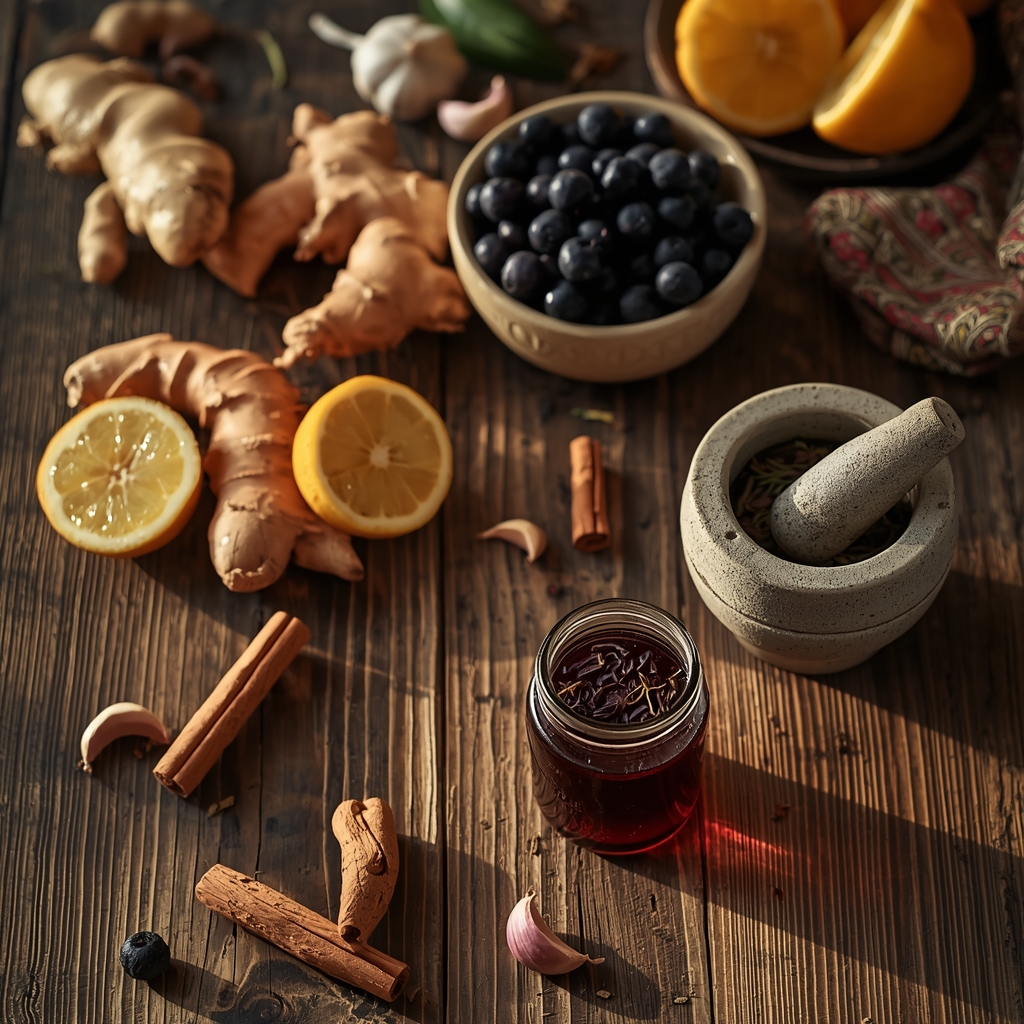
Tart Montmorency Cherry (cyanidin-3-glucoside & cyanidin-3-rutinoside anthocyanins) — Cherry anthocyanins reduce inflammatory signaling by suppressing NF-κB and COX-2 pathways — the same inflammatory cascade that drives the agonizing pain of a gout flare. In the Zhang et al. study (Arthritis & Rheumatism, 2012; PMID: 23023818; pubmed.ncbi.nlm.nih.gov/23023818/), cherry intake was associated with a 35% lower risk of recurrent gout attacks in 633 patients. When combined with allopurinol, risk dropped by 75%. A 2025 randomized controlled trial by Jäger et al. further confirmed that four weeks of daily tart cherry extract supplementation reduced serum urate by 37.4% and CRP by 23.0% versus placebo (doi: 10.1080/19390211.2025.2589787).
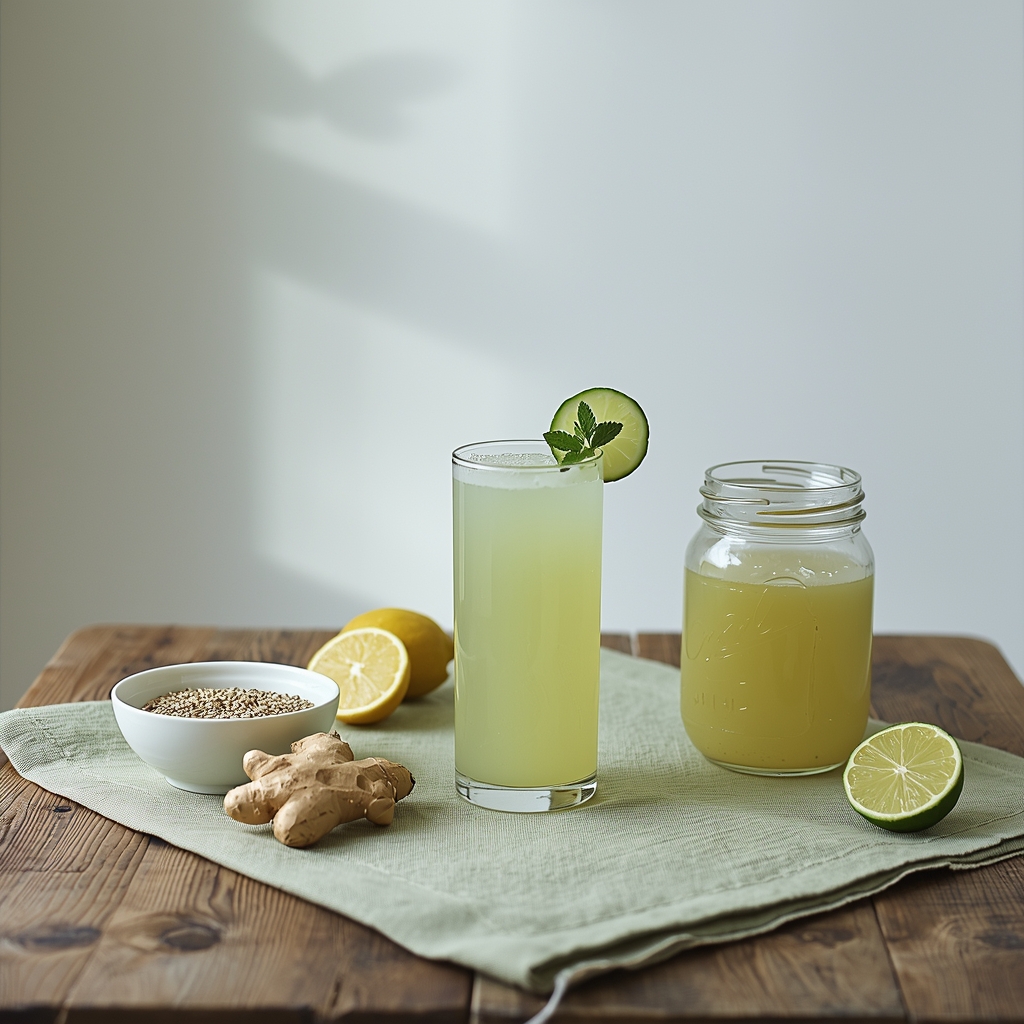
Celery Seed (apigenin & luteolin — xanthine oxidase inhibitors) — Celery seeds are rich in flavone aglycones, especially apigenin and luteolin, that directly bind to and inhibit xanthine oxidase (XOD) — the enzyme that catalyzes the final step in uric acid synthesis. A 2023 affinity ultrafiltration study published in Molecules (Gan et al., PMID: 37630301; pmc.ncbi.nlm.nih.gov/articles/PMC10458824/) confirmed dose-dependent XOD inhibition, with luteolin showing an IC₅₀ of 69.23 µmol/L and apigenin an IC₅₀ of 92.56 µmol/L. These compounds bind to the same domain as febuxostat — the gold-standard prescription XOD inhibitor.
Red Onion Skin Tea (quercetin — dual xanthine oxidase inhibitor and uricosuric agent) — Quercetin is the most potent dietary XOD inhibitor identified to date, with an in vitro Ki of 1.40 µmol/L — comparable to allopurinol (Ki = 0.34 µmol/L). In a randomized, double-blind, placebo-controlled crossover trial (Shi & Williamson, British Journal of Nutrition, 2016; PMID: 26785820; pubmed.ncbi.nlm.nih.gov/26785820/), 500 mg quercetin daily for 4 weeks significantly reduced plasma uric acid by −26.5 µmol/L (P = 0.008) — approximately 8% — without adverse effects. Critically, the bioavailable quercetin in 100 g of fresh red onion skin is equivalent to a 500 mg supplement dose, meaning this recipe delivers meaningful dietary quercetin.
| 💡 Did You Know? Xanthine oxidase is the exact enzyme that allopurinol — the world’s most prescribed gout medication — blocks to lower uric acid production. Celery seed apigenin and quercetin both inhibit this same enzyme through competitive binding at the febuxostat domain. You are essentially serving your joints a pharmacologically targeted beverage — assembled from ingredients you can buy at Whole Foods. |
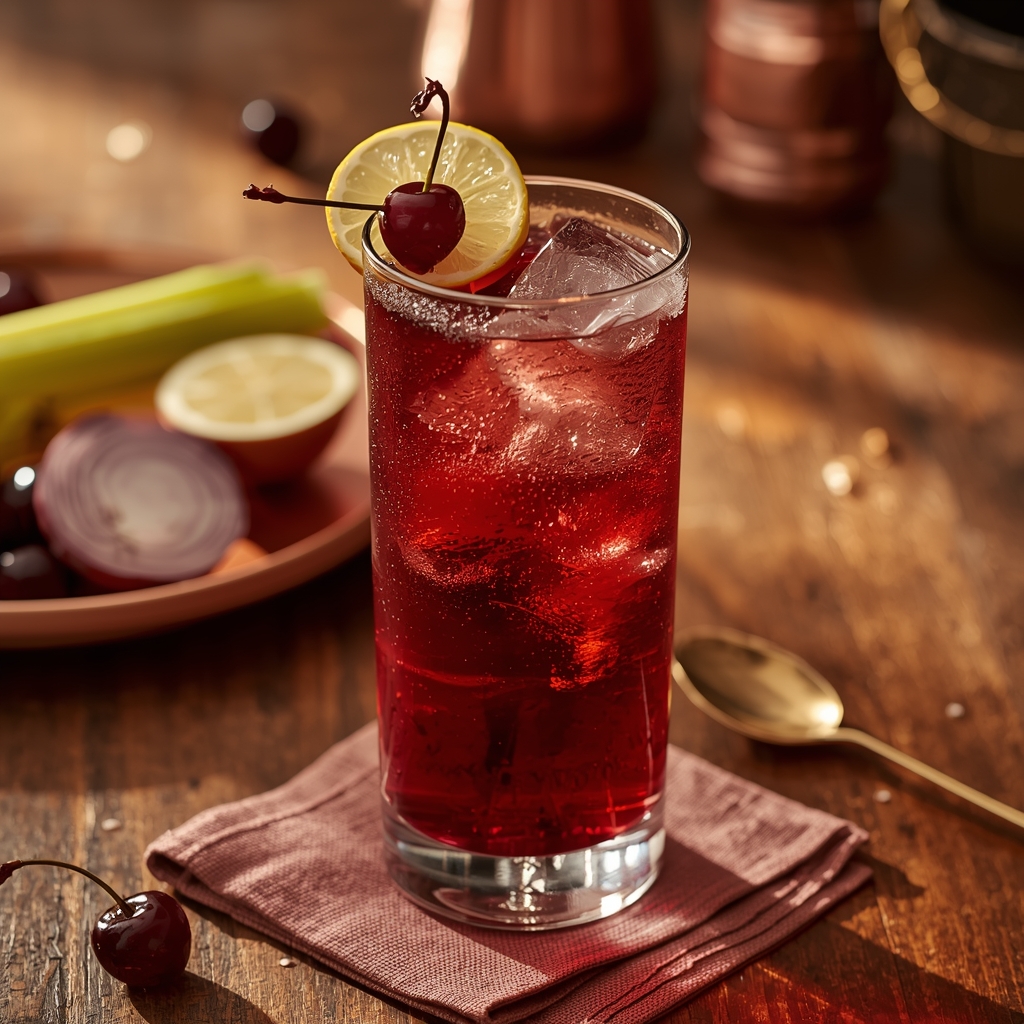
Recipe: Uric Urate Calm
| ⏱ Prep: 6 min | 👥 Serves: 1 | 💚 Goal: Uric Acid Support | ⭐ Difficulty: Easy |
Estimated cost: $1.80–$2.50 per serving. Zero added sugar. Zero purine-rich ingredients.
Ingredients
●120 ml (½ cup) Montmorency tart cherry juice, 100% unsweetened — Cheribundi or Whole Foods 365 brand
●120 ml (½ cup) celery seed tea — brew ½ tsp crushed celery seeds (Frontier Co-op) in 120 ml just-boiled filtered water for 10 minutes; strain well
●60 ml (¼ cup) red onion skin tea — steep 1 tsp dried red onion skins (or the skins of ½ medium red onion) in 80 ml just-boiled water for 8 minutes; strain
●1 tbsp (15 ml) freshly squeezed lemon juice — alkalinizing cofactor; any grocery store
●2 drops pure liquid stevia or monk fruit sweetener (optional) — Amazon or Whole Foods
●Cold filtered water — top up to reach 300 ml total
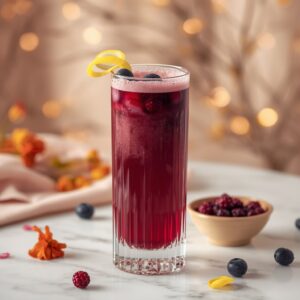
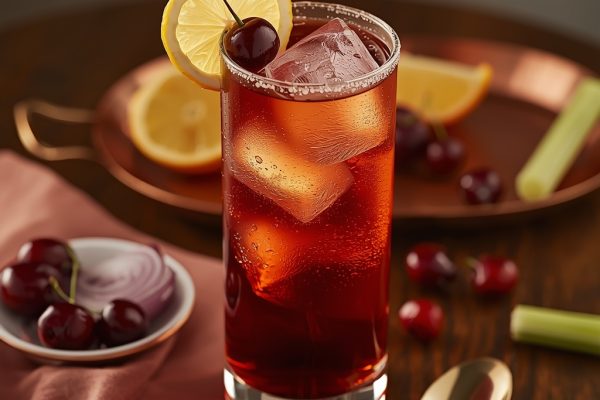
●Garnish: 2 tart cherries on a pick + 1 thin lemon wheel + pinch of whole celery seeds on rim
Instructions
1.Brew the celery seed tea: Crush ½ tsp celery seeds lightly with the back of a spoon. Place in a small heatproof cup, pour 120 ml just-boiled filtered water over them, and steep for 10 minutes. Strain through a fine-mesh sieve. Allow to cool to room temperature (or place in fridge for 5 minutes). 💡 Tip: Do not over-steep beyond 12 minutes — the bitter compounds can overpower the drink.
2.Brew the red onion skin tea: Place dried or fresh red onion skins in a small cup. Pour 80 ml just-boiled water over them and steep for 8 minutes. Strain, pressing the skins gently. The liquid should be a deep amber. Allow to cool.
3.Combine: In a cocktail shaker or lidded jar, combine the chilled celery seed tea, red onion skin tea, tart cherry juice, and lemon juice. Add stevia or monk fruit if using. Add 3–4 ice cubes. 💡 Tip: Shake for 15 seconds — this aerates the drink and integrates the flavors beautifully.
4.Strain and pour: Strain through a fine-mesh sieve into a tall highball glass filled with fresh ice. Top up with cold filtered water to reach 300 ml total volume. Stir gently.
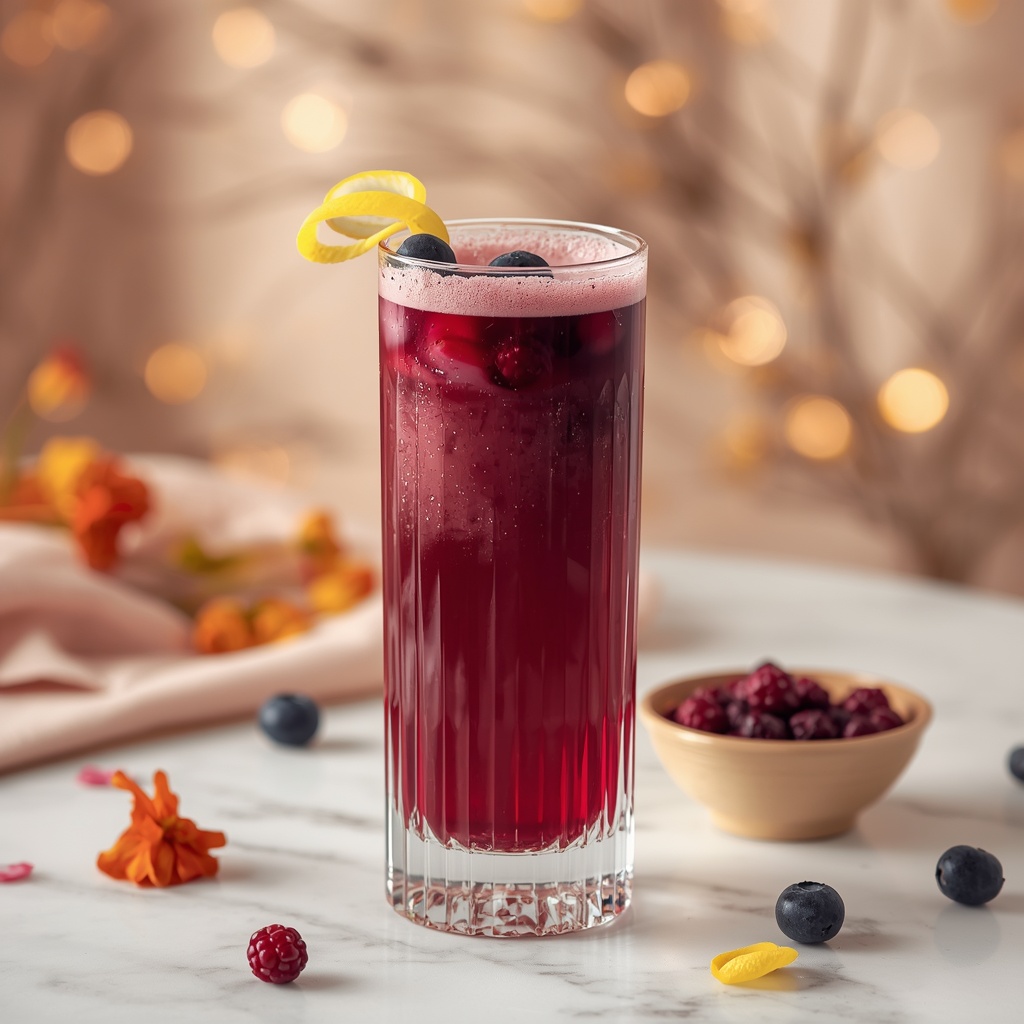
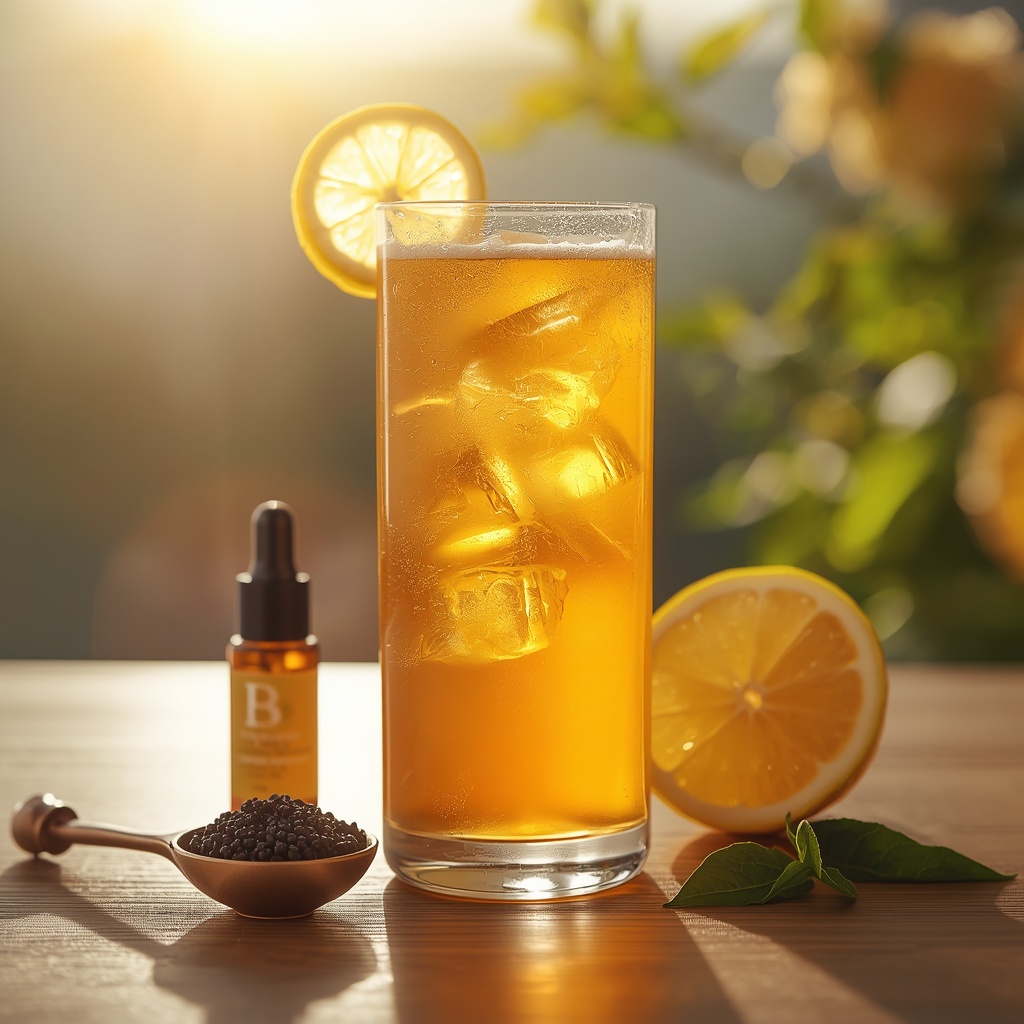
5.Garnish and serve: Moisten the rim of the glass lightly with lemon juice and press it into a small plate of celery seeds to create a seed rim. Add a lemon wheel and 2 tart cherries on a cocktail pick. Photograph from above for your Pinterest pin — the ruby-amber color is striking against a linen background.
📌 During a gout flare: Drink 2 servings per day (morning and evening) for up to 7 days, while continuing any prescribed medication. Do not reduce or stop medication without physician guidance.
Variations
| 🌱 Vegan version | Already 100% plant-based — no changes needed. |
| 🚫🍬 Sugar-free version | Already sugar-free — stevia/monk fruit adds zero glycemic load. |
| 💊 Boosted version | Add one 500 mg quercetin capsule (opened into the drink or taken alongside) to mirror the clinical dose used in the Shi & Williamson RCT. |
Try It Tonight — Your Joints Will Thank You Tomorrow
Mix your first Uric Urate Calm this evening and notice how a glass of deep ruby can feel like a clinical decision you made for yourself. Consistency matters: the science on tart cherry and quercetin shows progressive effects over days to weeks, not hours. Make this part of your daily routine.
📌 Save this recipe on Pinterest for later — and share it with someone who needs a natural approach to joint comfort.
| ⚠️ Medical Disclaimer: This article is for informational and educational purposes only and does not constitute medical advice. It is not intended to diagnose, treat, cure, or prevent any disease. Never use this drink as a replacement for prescribed medications such as allopurinol or febuxostat. If you are experiencing an acute gout attack, consult your physician immediately. Some of the ingredients in this recipe — particularly tart cherry, celery seed, and quercetin — may interact with diuretics, anticoagulants (e.g., warfarin), and other medications. Always consult a qualified healthcare professional before making dietary changes, especially if you have gout, kidney disease, or any other medical condition. |
Sources
●Zhang Y et al. (2012). Cherry consumption and decreased risk of recurrent gout attacks. Arthritis & Rheumatism, 64(12), 4004–4011. PMID: 23023818. https://pubmed.ncbi.nlm.nih.gov/23023818/
●Shi Y, Williamson G (2016). Quercetin lowers plasma uric acid in pre-hyperuricaemic males: a randomised, double-blinded, placebo-controlled, cross-over trial. British Journal of Nutrition, 115(5), 800–806. PMID: 26785820. https://pubmed.ncbi.nlm.nih.gov/26785820/
●Gan X et al. (2023). Identification of Xanthine Oxidase Inhibitors from Celery Seeds Using Affinity Ultrafiltration–LC–MS. Molecules, 28(16), 6048. PMID: 37630301. https://pmc.ncbi.nlm.nih.gov/articles/PMC10458824/
●Jäger R et al. (2025). Effects of Tart Cherry Extract Supplementation on Plasma Urate and C-Reactive Protein Levels in Healthy Adults: A Randomized Controlled Trial. Journal of Dietary Supplements. doi: 10.1080/19390211.2025.2589787