What your dermatologist isn’t telling you: most breakouts after 25 aren’t a skincare problem. They’re a hormone signaling problem.
| ⏱ Prep: 5 min | 👥 Serves: 1 | 💚 Goal: Hormonal Acne / Skin Clarity | ⭐ Difficulty: Easy |
Why Hormonal Acne Is a Hormone Problem, Not a Skincare Problem
For centuries, spearmint has been used across North Africa and the Middle East not just as a tea, but as a medicinal ritual. Moroccan mothers brewed it to balance the body during puberty. Turkish healers prescribed it for “excessive heat” — a concept that maps remarkably well onto what we now call androgen excess.
Then in 2007, Dr. Akdogan’s team at Celal Bayar University in Turkey ran the first human trial on spearmint and testosterone. Twenty-one women with hirsutism drank spearmint tea twice daily for five days. Their free testosterone levels dropped. Significantly. The women with PCOS in the group noticed the clearest difference — not just in labs, but in self-reported skin and hair quality.
A follow-up randomized controlled trial in 2010 extended this to 30 days. The results held. Spearmint wasn’t folklore — it was pharmacology in a teacup. And when combined with rosehip’s vitamin C and pumpkin seed’s zinc, it becomes something far more targeted: a full hormonal support protocol, glass by glass.
Why This Elixir Works (According to Science)
Spearmint (rosmarinic acid → anti-androgenic action): Rosmarinic acid, the primary bioactive in spearmint, acts as a 5-alpha reductase inhibitor — the same enzyme targeted by the pharmaceutical drug finasteride. A 30-day RCT (Grant, 2010, n=42 women with PCOS-related hirsutism) showed that drinking spearmint tea twice daily significantly reduced plasma free testosterone. This matters because free testosterone — not total testosterone — is the form that binds to androgen receptors in sebaceous glands and triggers excess sebum production, the precursor to every clogged pore. (Endocrine Abstracts, 2010 — pubmed.ncbi.nlm.nih.gov/19585478)
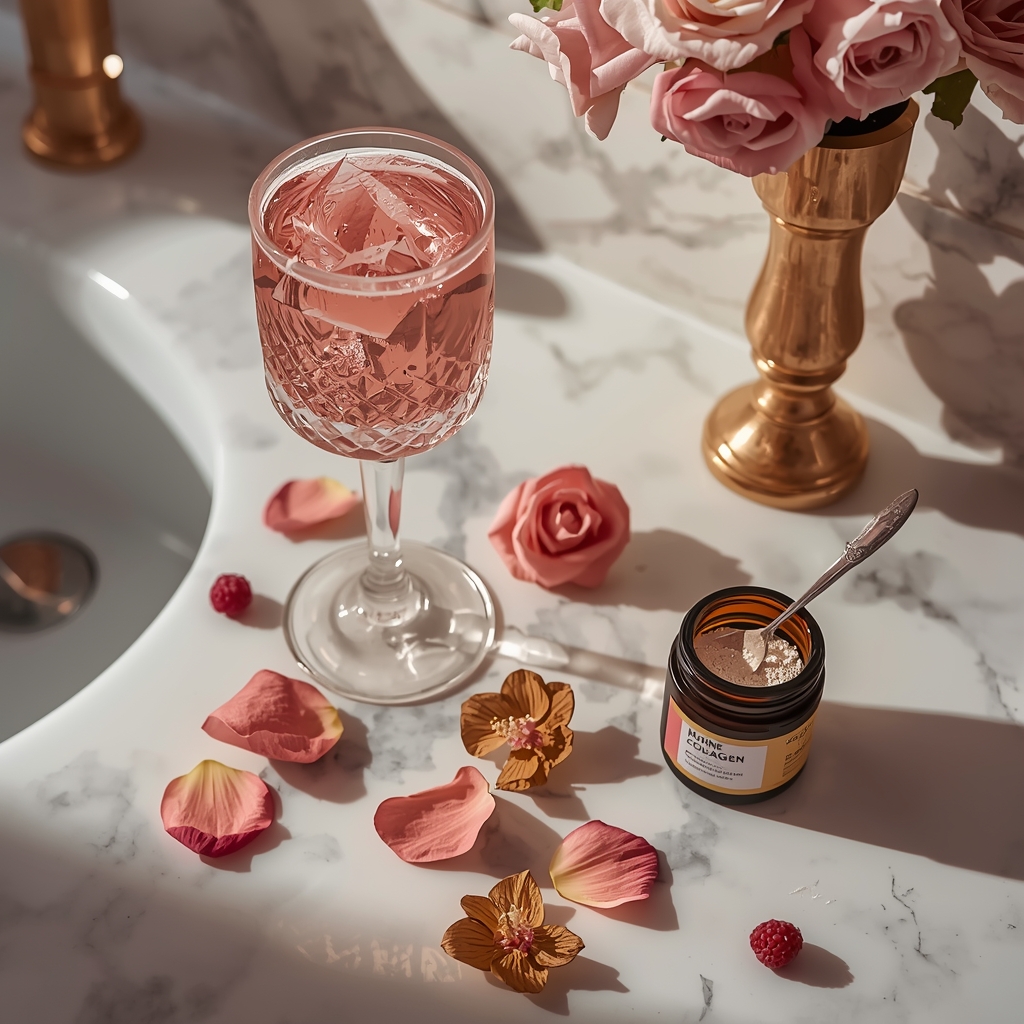
Rosehip powder (vitamin C → collagen synthesis + skin repair): Vitamin C (ascorbic acid) is a non-optional cofactor for prolyl hydroxylase — the enzyme that stabilizes the triple-helix structure of collagen fibers. Without adequate vitamin C, newly synthesized collagen degrades before it can reinforce the skin barrier, leaving post-acne marks slower to heal. A landmark 2025 study from the University of Otago (published in the Journal of Investigative Dermatology) confirmed that dietary vitamin C directly increases skin vitamin C levels and improves both skin thickness and epidermal renewal. Rosehip powder from Rosa canina is one of the most concentrated natural sources of vitamin C available. (EurekAlert, Dec 2025; Pullar et al., Nutrients 2017 — PMC5579659)
Pumpkin seed milk (zinc + phytosterols → sebum regulation + DHT inhibition): Zinc is a trace mineral that modulates 5-alpha reductase activity — the same enzyme spearmint targets — but acts locally at the level of the sebaceous gland. Delta-5-phytosterols found in pumpkin seeds may also competitively inhibit DHT binding at the androgen receptor. This creates a dual mechanism: spearmint lowers the circulating androgens that reach the skin, while pumpkin seed zinc blocks DHT locally at the sebaceous gland. A hormonal intervention from two angles simultaneously. (Cho et al., Nutr Res Pract 2009; International Journal of Endocrinology and Metabolism, PMC3693613)
💡 Did You Know? Spearmint contains almost no menthol (unlike peppermint) — which means it has essentially zero hormonal disruption risk associated with menthol. Its anti-androgenic action comes entirely from rosmarinic acid, a compound that has been studied in peer-reviewed randomized controlled trials in humans, not just laboratory cell cultures.
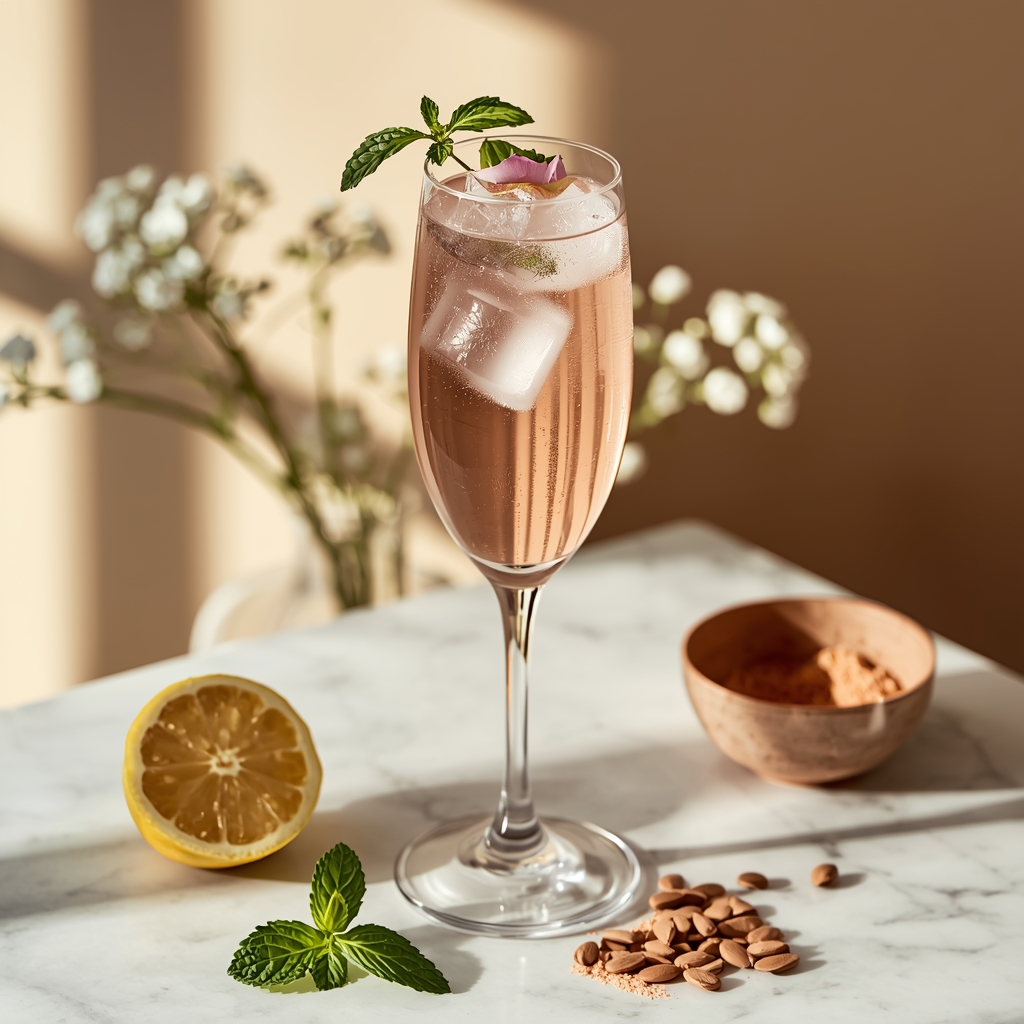
Recipe: Spearmint Clarity Elixir
| ⏱ Prep: 5 min | 👥 Serves: 1 | 💚 Goal: Hormonal Acne / Skin Clarity | ⭐ Difficulty: Easy |
Ingredients
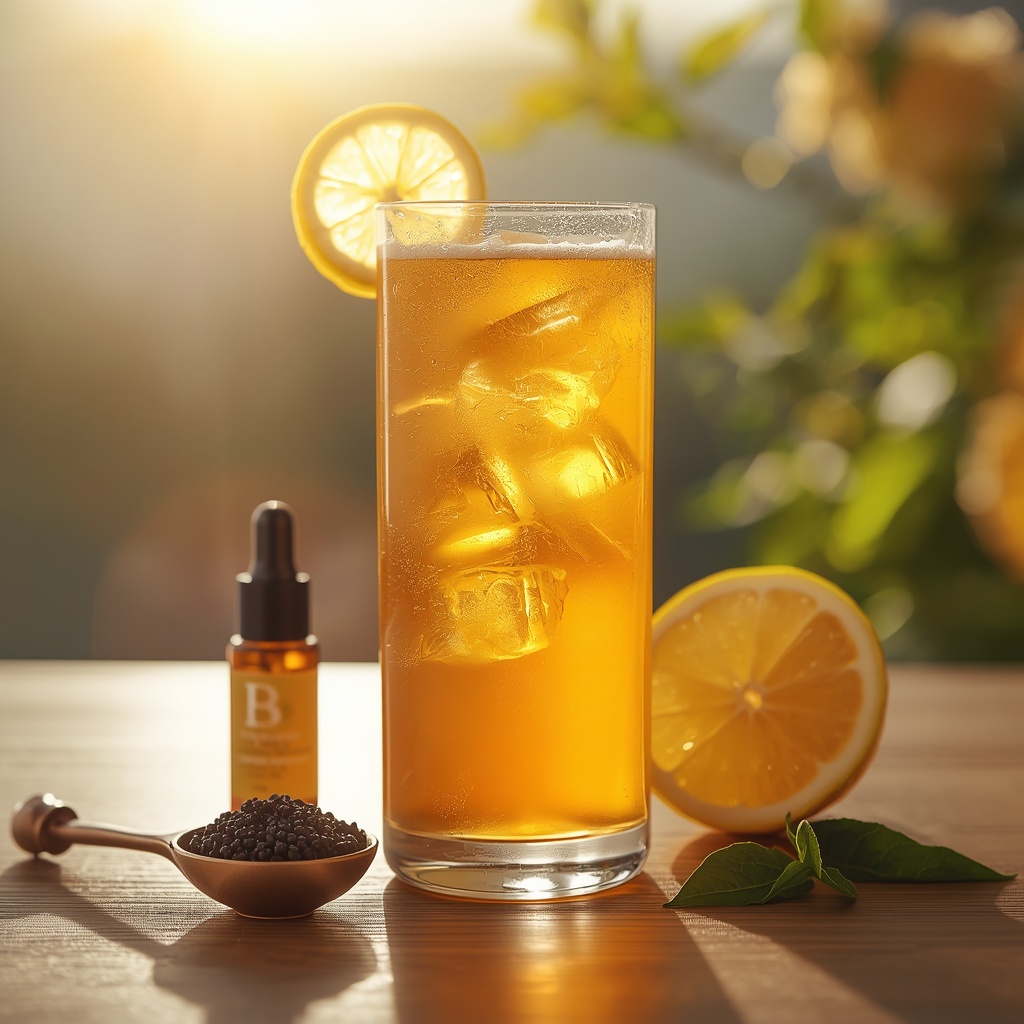
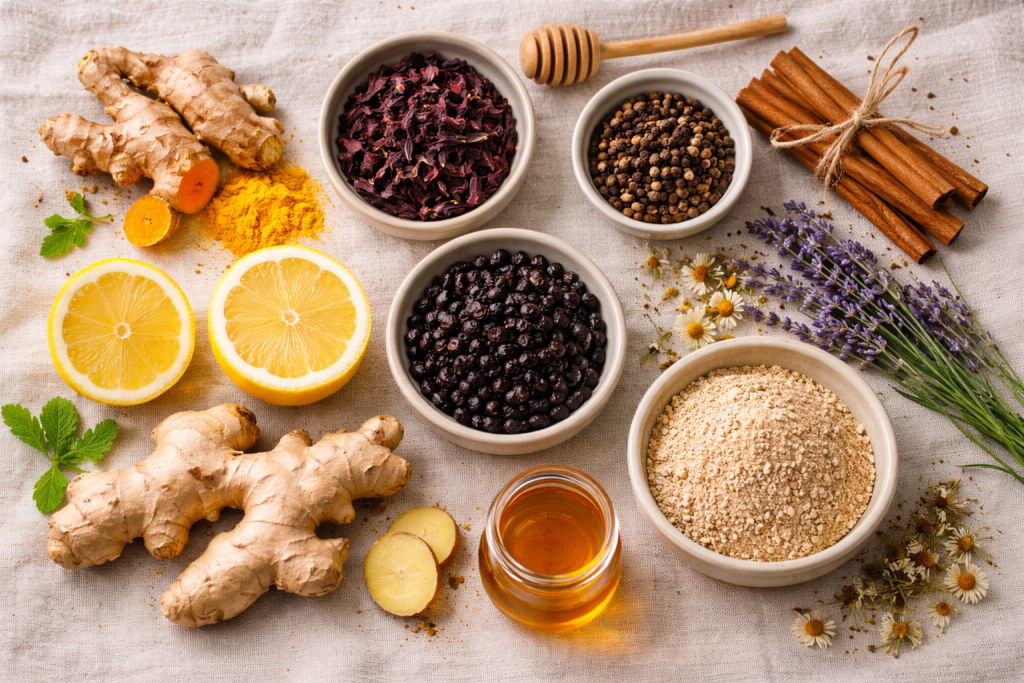
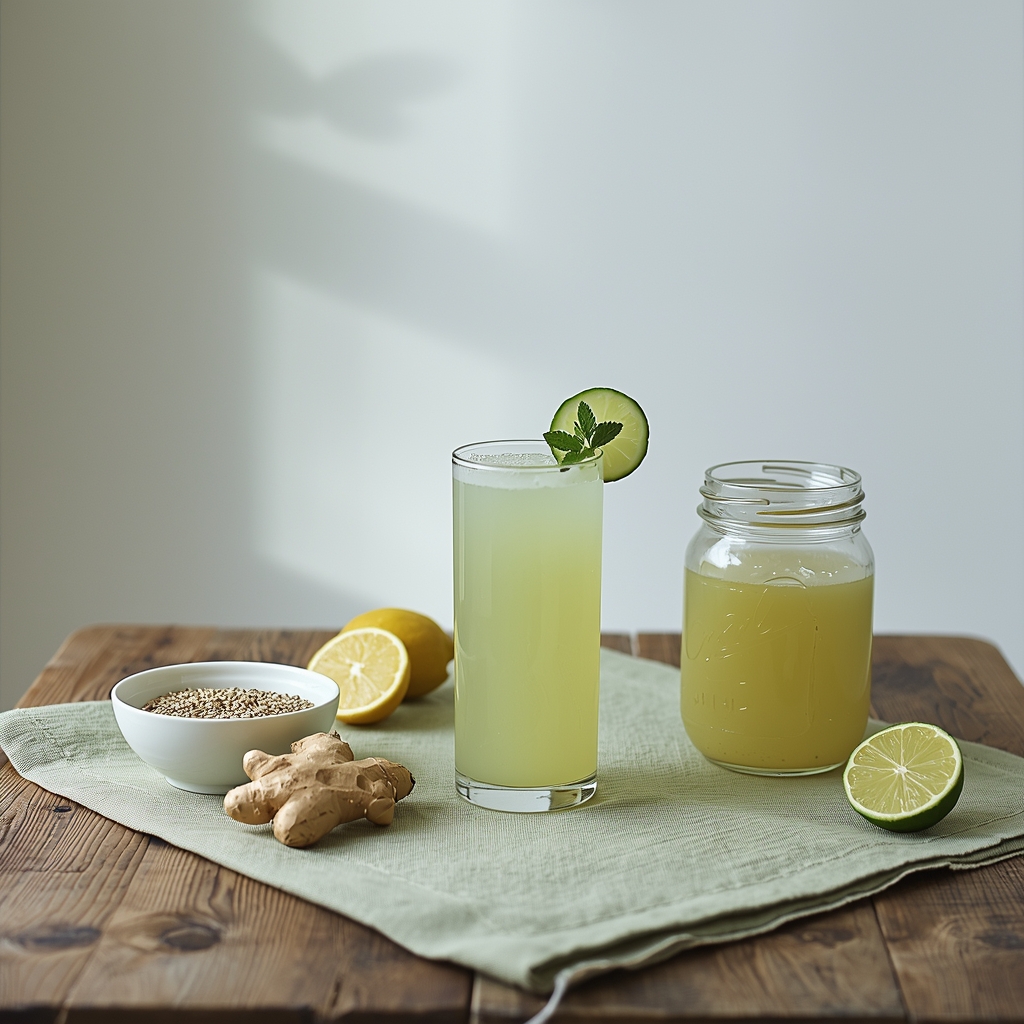
- 2 cups spearmint tea, brewed strong (2 tea bags in 8 oz hot water, steeped 5 minutes, then cooled)
- 1 tsp rosehip powder (Rosa canina — unsweetened, available on Amazon / Whole Foods)
- 2 oz (60 ml) pumpkin seed milk, unsweetened (no dairy)
- ½ tbsp fresh lemon juice
- 2 drops monk fruit extract (glycemic index 0 — zero insulin spike)
- 6 oz (180 ml) sparkling or still water
- Ice cubes
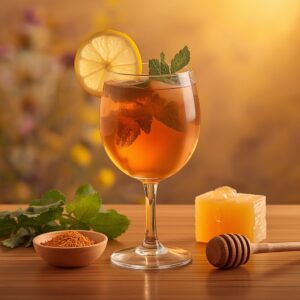
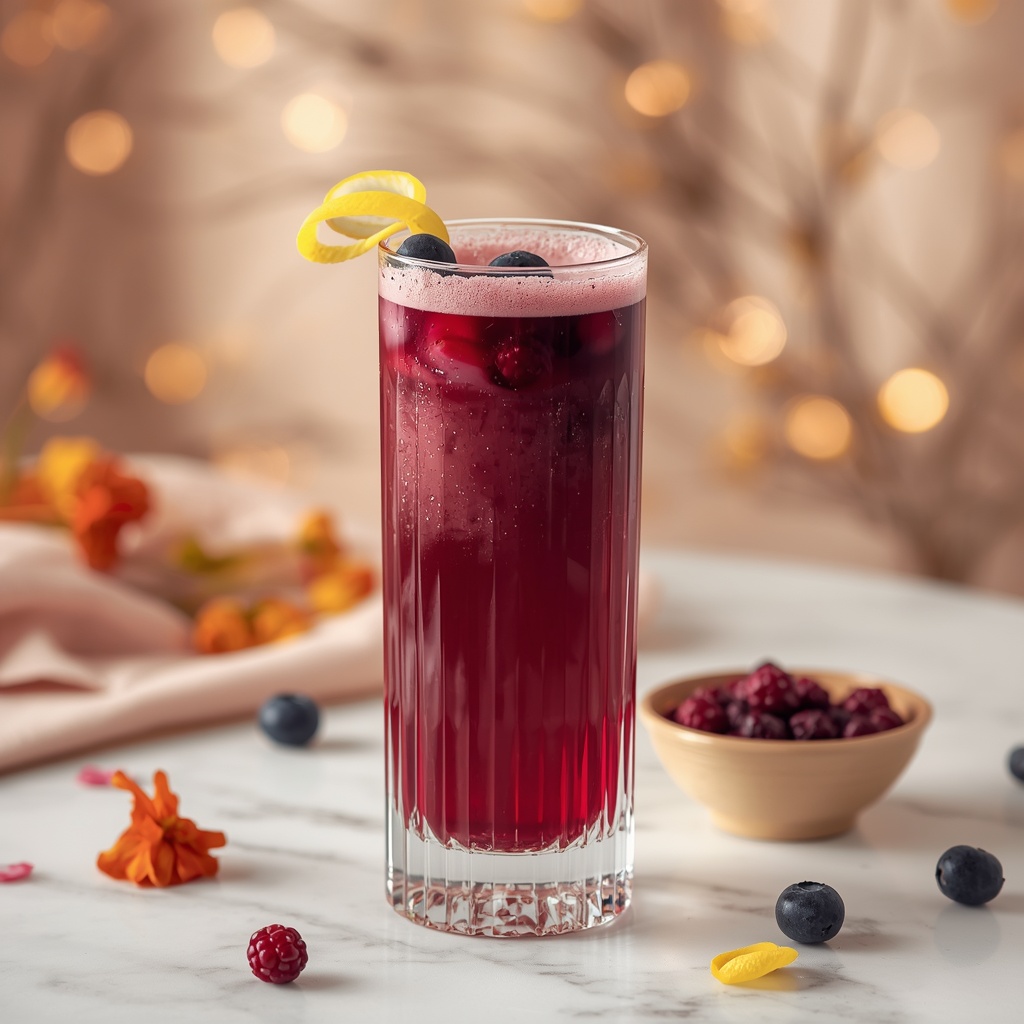
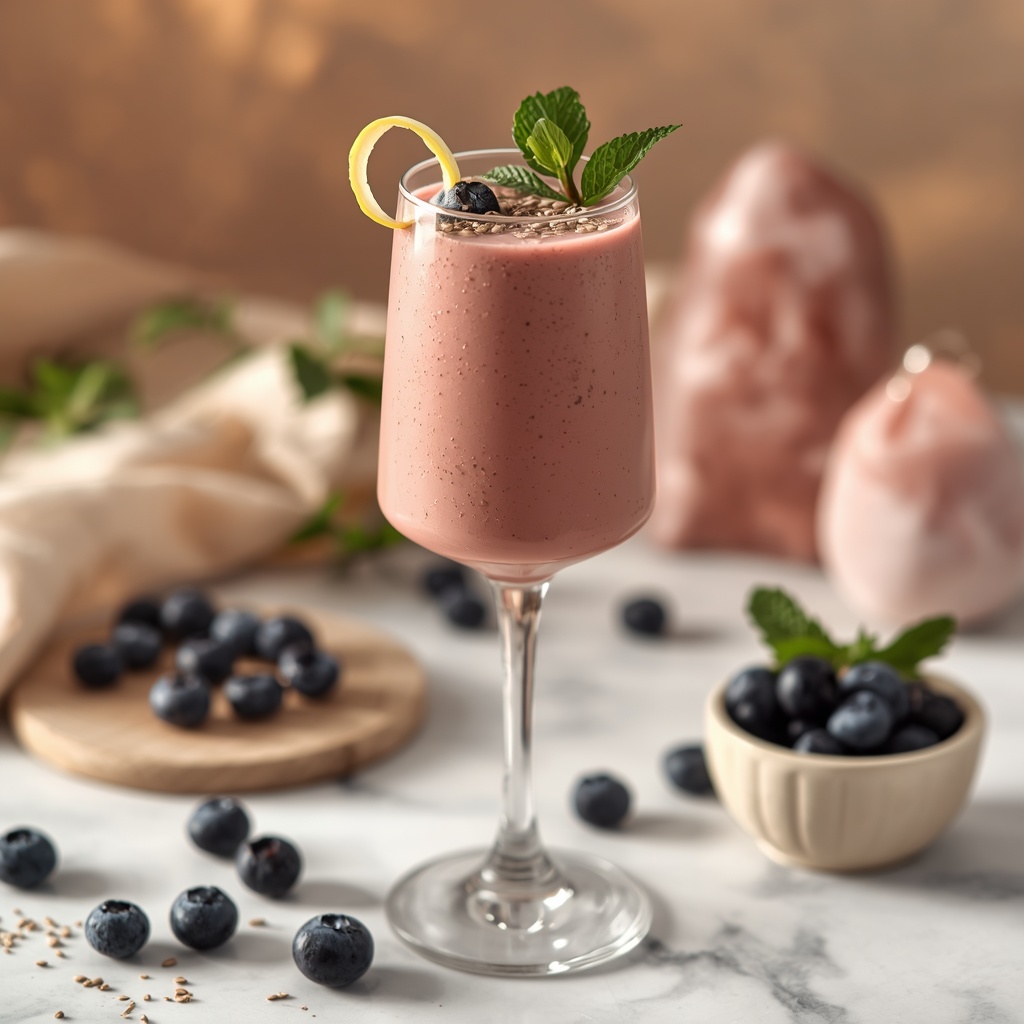
- Garnish: fresh spearmint sprig, edible rose petal, dried rosehip berries
Instructions
- Brew 2 spearmint tea bags in 8 oz of hot water for exactly 5 minutes for maximum rosmarinic acid extraction. Let cool completely — or refrigerate until cold. Do not rush this step with warm tea; the rosmarinic acid is more bioavailable cold-steeped.
💡 Tip: Brew a 1L pitcher every Sunday — refrigerates for 5 days. Batch-prepping saves the entire week.
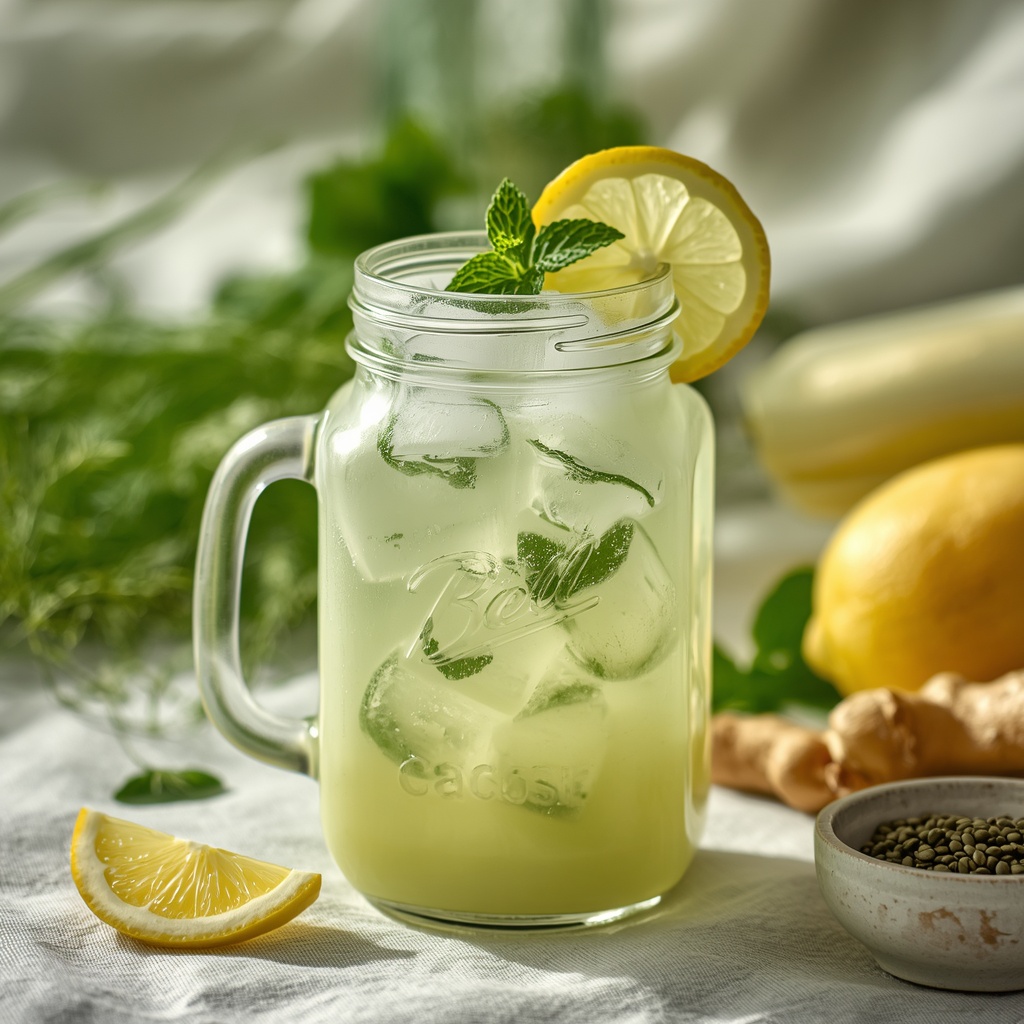
- Pour the cooled spearmint tea into a tall glass or mason jar over ice.
- Add pumpkin seed milk, rosehip powder, and fresh lemon juice. Stir vigorously for 20 seconds — rosehip powder needs agitation to fully incorporate.
- Add 2 drops of monk fruit extract. Stir again.
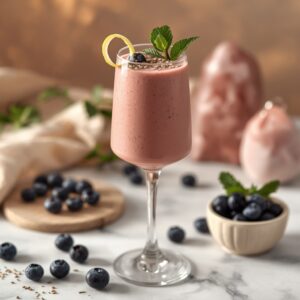
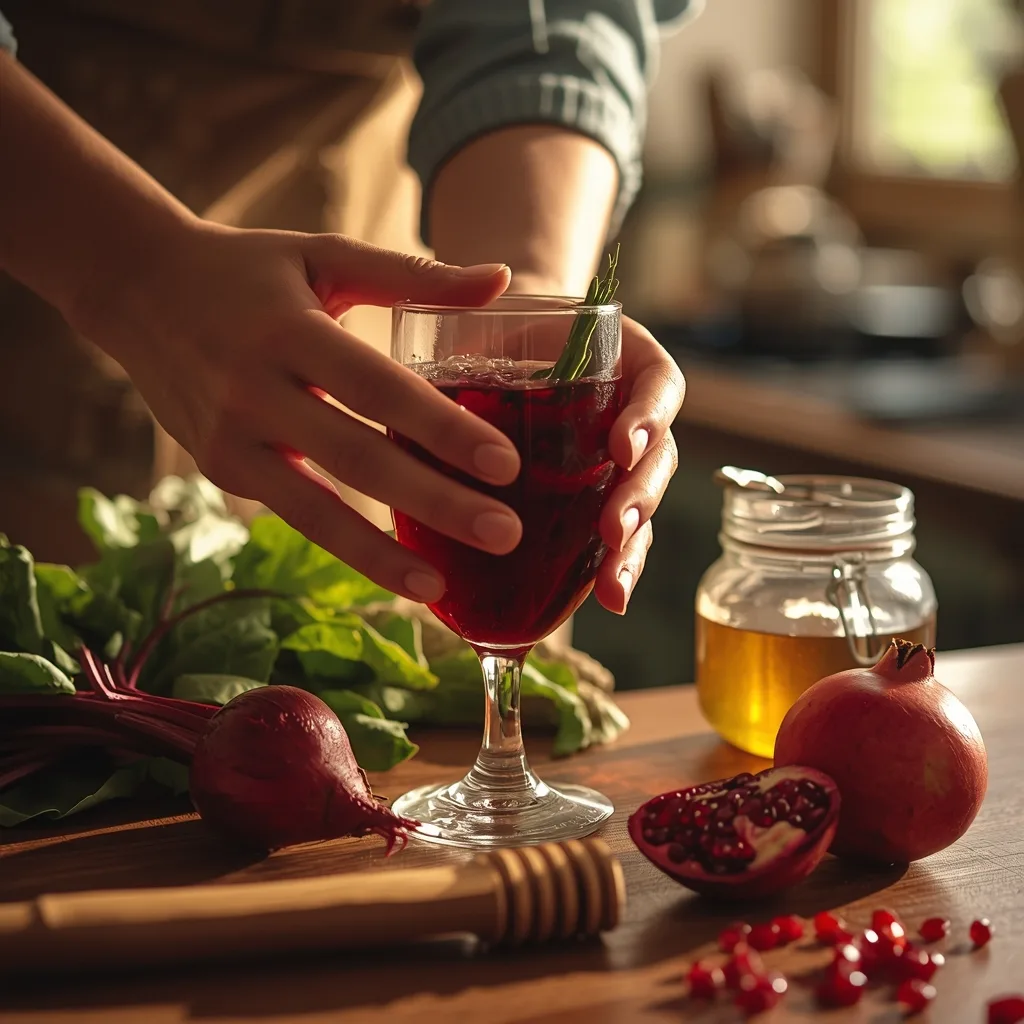
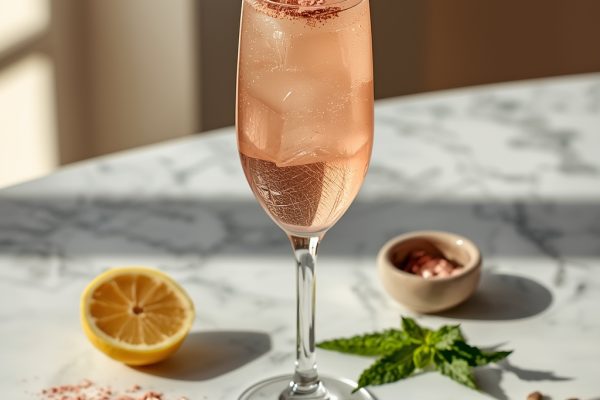
- Top with sparkling or still water. Garnish with a fresh spearmint sprig, an edible rose petal, and dried rosehip berries. Serve immediately. For best results, drink once in the morning and once mid-afternoon — mirroring the twice-daily protocol used in the clinical trials.
Variations
| 🌿 Sugar-free | Skip monk fruit — spearmint is naturally mild and pleasant unsweetened. |
| 🥛 Vegan | 100% vegan as written. Pumpkin seed milk is plant-based, no casein. |
| ❄️ Hot / Cold | Serve hot as a tea ritual in winter; cold over ice in summer. |
| 💪 Boosted | Add ½ tsp myo-inositol powder for additional hormonal balance (especially PCOS). |
Your 30-Day Hormone Ritual Starts Here
Try this every morning and every afternoon for 30 days — the exact protocol from the clinical trial. The results you see on your skin will be the same results the researchers measured in the lab: lower free testosterone, clearer sebaceous glands, brighter skin.
📌 Save this recipe on Pinterest for later!
⚠️ Disclaimer: This article is for informational purposes only and does not constitute medical advice. Spearmint consumed in large quantities may affect hormone levels. Always consult your physician or dermatologist before making dietary changes, especially if you have a hormone-related condition or are taking hormonal medications.