| Prep Time | 5 minutes |
| Servings | 1 |
| Goal | Seasonal Allergy & Histamine Relief |
| Difficulty | Easy |
| Best Time | Start 2–4 weeks before pollen season |
| Budget | $6–9 per serving |
Every spring, millions of people reach for an antihistamine pill — and pay for it with hours of drowsiness, dry mouth, and brain fog. But what if the real problem isn’t a lack of antihistamine drugs? What if it’s overactive mast cells that are already primed to explode at the first pollen particle?
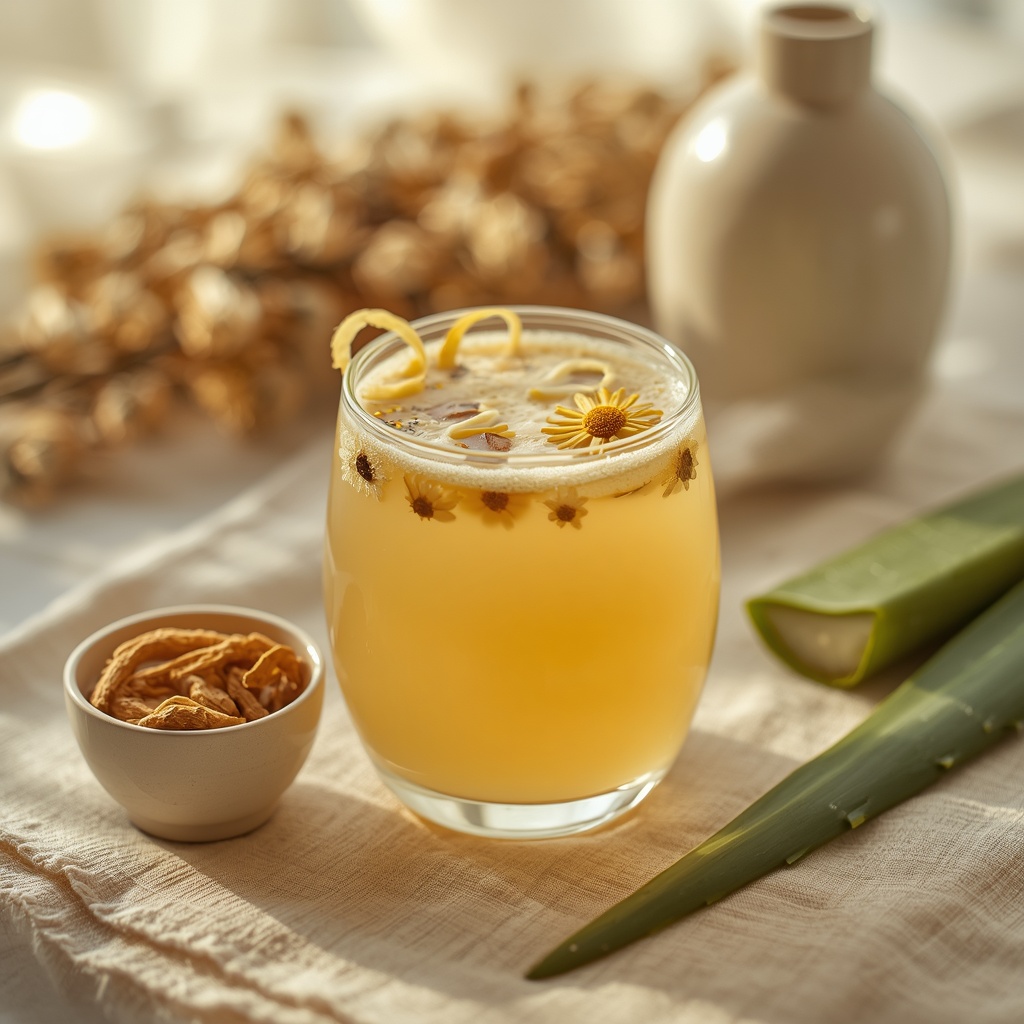
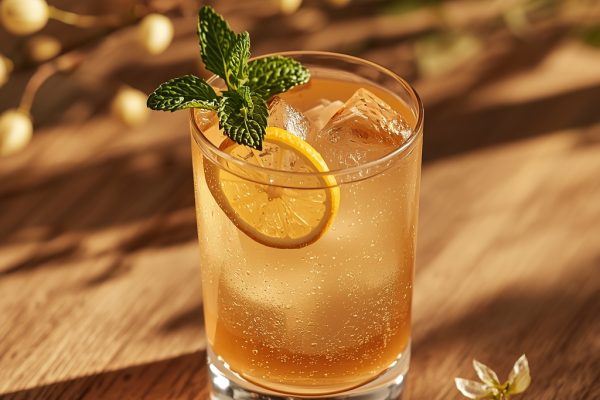
Quercetin — a flavonoid found in onion skins, capers, and green tea — acts almost exactly like cromolyn sodium, the prescription mast cell stabilizer, but without a pharmacy visit. Stack it with freeze-dried stinging nettle, bromelain enzyme, and high-dose vitamin C from acerola cherry, and you have a four-layer molecular shield that blocks every phase of the allergic cascade — before histamine is ever released. That is what this golden drink delivers in five minutes.
A Spring Morning That Changed My Allergy Routine
It starts before you even open your eyes. The itch behind the lids. The pressure building across the bridge of your nose. By the time you reach the bathroom mirror, your eyes are watering and your throat is already scratching. You swallow an antihistamine with your coffee — and spend the first half of your workday moving through a mild fog.
That was every April morning for years. The allergy season felt like an unavoidable tax on spring. Then, while researching functional beverages, I came across something unexpected: immunologists had been studying quercetin’s effect on mast cells since the early 1980s. Unlike H1-blockers that merely jam the histamine receptor after the damage is done, quercetin works upstream — it literally prevents mast cells from degranulating in the first place.
The more I read — nettle’s prostaglandin inhibition, bromelain’s ability to clear inflamed nasal mucosa, vitamin C’s direct enzymatic degradation of histamine — the clearer it became: this wasn’t folk medicine. This was targeted molecular nutrition. So I built a drink around it. The Quercetin Pollen Shield was born.
Why This Drink Works (According to Science)
Every ingredient in this recipe has a specific, documented job in the allergic response chain. Here’s the mechanism behind each one:
Quercetin — The Mast Cell Stabilizer
Quercetin intercepts the allergic response at its source. In vitro and human studies show it stabilizes mast cell membranes and reduces histamine release by 60–95% by inhibiting the IgE-mediated signaling cascade that triggers degranulation. It also inhibits histidine decarboxylase, the enzyme that converts histidine into histamine in the first place. A landmark clinical study published in the Journal of Allergy and Clinical Immunology demonstrated that quercetin significantly reduced allergic rhinitis symptoms compared to cromolyn sodium — the gold-standard prescription mast cell stabilizer.
Stinging Nettle — The Multi-Pathway Blocker
Freeze-dried stinging nettle contains at least 16 biologically active compounds that simultaneously inhibit histamine receptor binding, prostaglandin formation via COX-1 inhibition, and platelet-activating factor (PAF) — a potent bronchial constrictor. A double-blind, randomized controlled trial published in Planta Medica (1990) rated freeze-dried nettle as “moderately effective” for allergic rhinitis. This is one of the few botanicals with RCT-level evidence for allergy relief.
Bromelain — The Mucolytic Decongestant
Bromelain is a proteolytic enzyme from pineapple — but the key word here is supplement powder, not pineapple juice (which is loaded with sugar that can worsen histamine intolerance). Oral bromelain exhibits powerful systemic anti-inflammatory effects: it breaks down mucus proteins that clog nasal passages, reduces leukotriene-induced bronchial inflammation, and has been shown in a 2013 trial published in Evidence-Based Complementary and Alternative Medicine to reduce allergic rhinitis symptom scores by approximately 60%.
Vitamin C (Acerola Cherry) — The Histamine Degrader
Ascorbic acid has a unique, often overlooked role in histamine metabolism: it is a critical cofactor for diamine oxidase (DAO), the primary enzyme that breaks down histamine in the gut and bloodstream. A double-blind study published in the Journal of Allergy and Clinical Immunology (1992) showed that 2 g of daily vitamin C reduced blood histamine levels by 38%. Acerola cherry powder delivers a natural, whole-food form of vitamin C alongside bioflavonoids that amplify absorption.
💡 Did You Know? Quercetin vs. Antihistamine Pills
Standard antihistamines (like cetirizine or loratadine) are H1 receptor blockers — they compete with histamine at the receptor AFTER it has already been released. Quercetin, by contrast, is a mast cell stabilizer: it prevents histamine from being released at all. This is why quercetin causes zero drowsiness — it works upstream of the receptor, not at it. The synergy in this drink covers all four phases: release prevention (quercetin), receptor blockade (nettle), mucosal clearance (bromelain), and histamine degradation (vitamin C). No single OTC pill does all four.
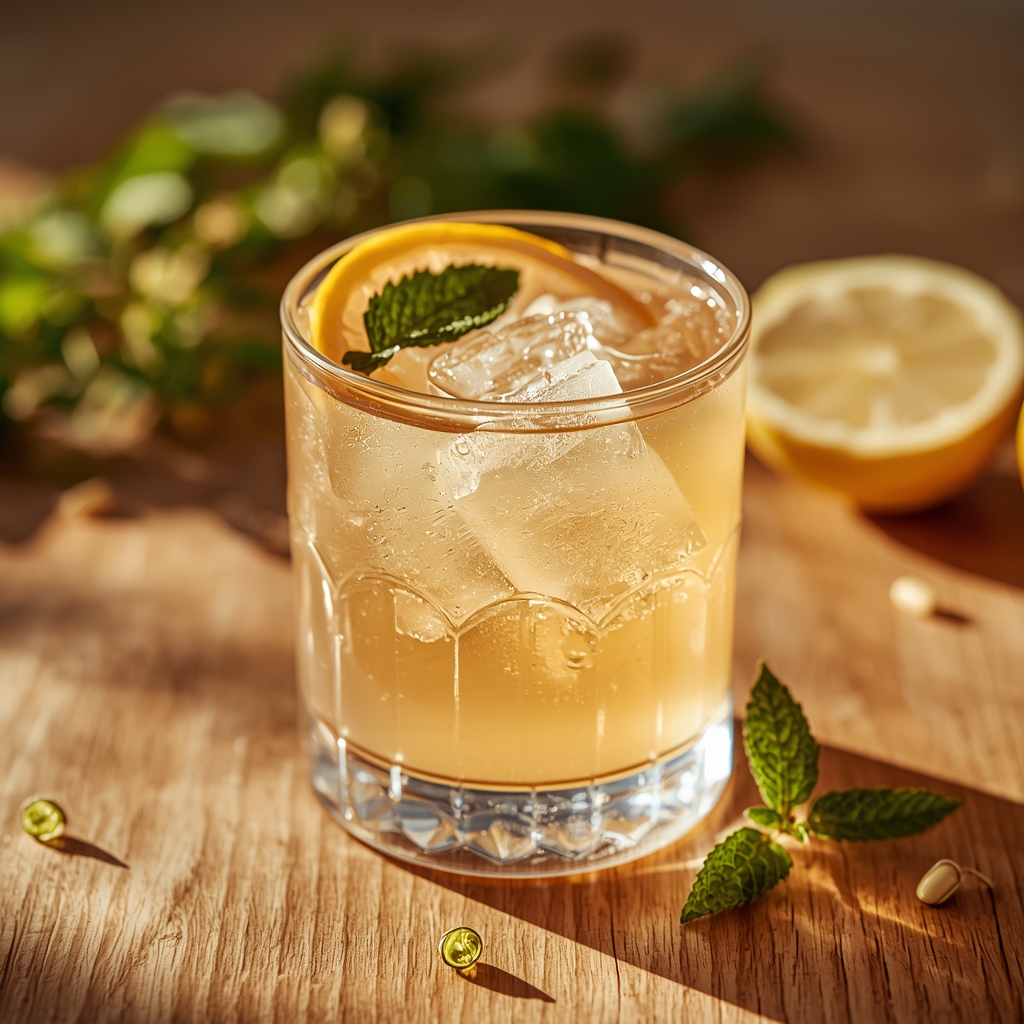
Recipe: Quercetin Pollen Shield
Ingredients
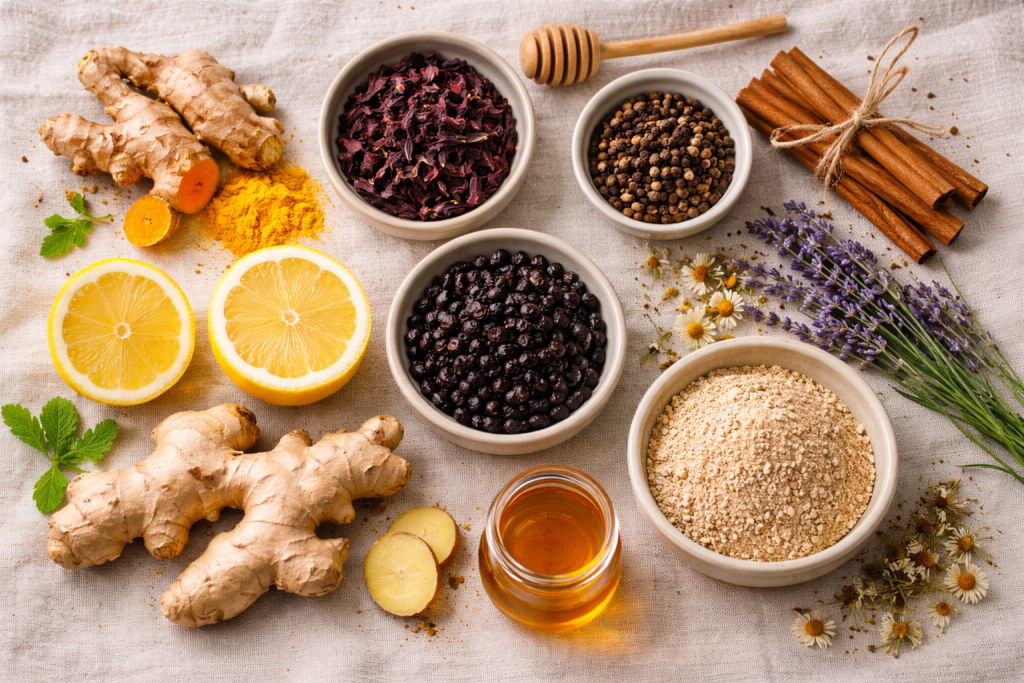
- ½ tsp quercetin powder (~500 mg — quercetin dihydrate preferred for better water solubility)
- 2 tea bags or 2 tsp freeze-dried stinging nettle leaf tea
- ¼ tsp bromelain powder (~250 mg) — SUPPLEMENT POWDER ONLY, not pineapple juice
- ½ tsp acerola cherry powder (high-potency vitamin C, whole-food source)
- 8 oz filtered cold water
- 1 tbsp fresh lemon juice (improves quercetin solubility + extra vitamin C)
- 2–3 drops pure stevia (to taste)
⚠️ CRITICAL: Sourcing Bromelain
Use bromelain SUPPLEMENT POWDER only — not pineapple juice. Pineapple juice is high in sugar, which promotes inflammation and worsens histamine intolerance. No dairy and no fermented foods alongside this drink — both are high in histamine and counterproductive.
Instructions
- Brew stinging nettle tea in 6 oz of hot water for 8 minutes. Strain well and let cool completely to room temperature, or refrigerate until cold.
- Combine cold nettle tea with quercetin powder and bromelain powder in a shaker or blender. Shake vigorously for 60 seconds — quercetin requires strong agitation to dissolve properly.
- Add acerola cherry powder, fresh lemon juice, and the remaining 2 oz of filtered water. Shake again for 20 seconds.
- Add 2–3 drops of pure stevia. Taste and adjust sweetness.
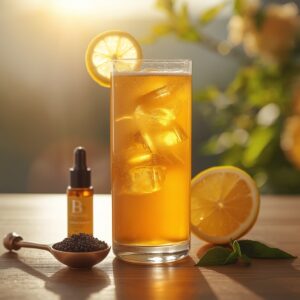
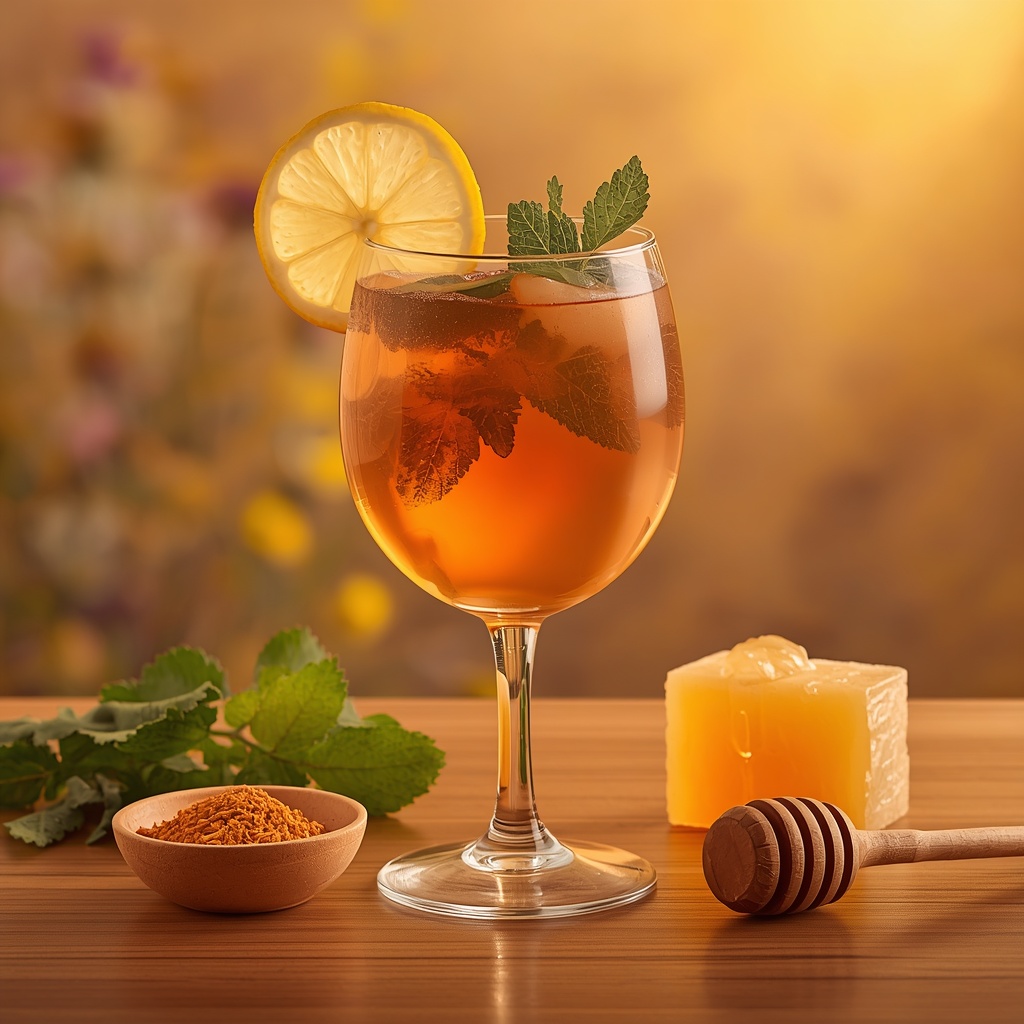
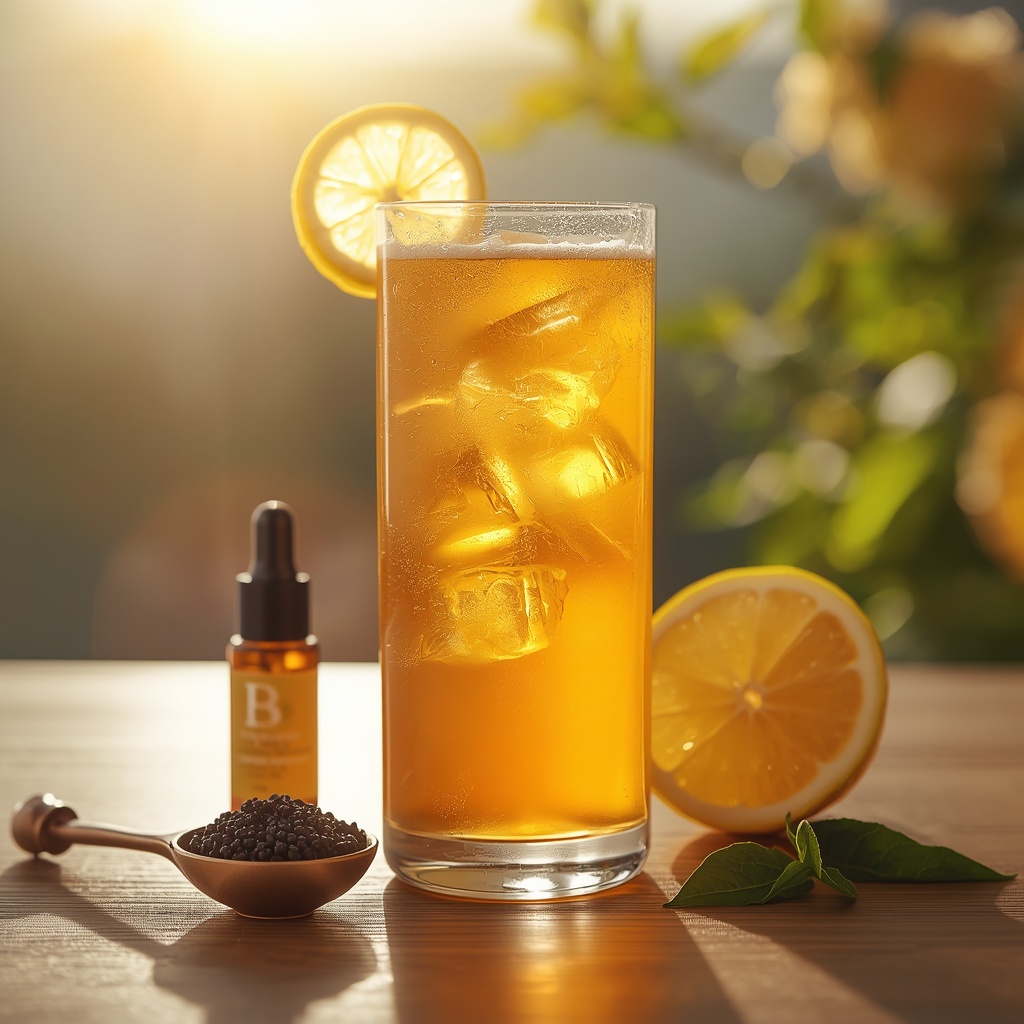
- Serve cold or over ice. For prevention, begin 2–4 weeks before pollen season. For acute relief, consume at the first signs of symptoms.
⚡ Time-Saving Tip: Pre-Mix Your Pollen Shield Blend
Combine quercetin, bromelain, and acerola powder in a small airtight jar (ratio: 2:1:2). Measure out 1¼ tsp per serving. This “pollen shield blend” stores for up to 3 months and makes your morning routine even faster.
Variations & Tips
- Vegan: ✅ Fully plant-based as written
- Sugar-Free: ✅ Stevia only — no honey, agave, or fruit juice
- Best served cold, especially during active allergy season
- Boosted: Add ¼ tsp black seed (Nigella sativa) powder for additional anti-inflammatory and anti-histamine properties
- Consistency tip: drink daily during pollen season — quercetin requires consistent dosing to maintain mast cell stability
Ready to Shield Yourself From Pollen Season?
Your immune system doesn’t have to wage war with spring. Start the Quercetin Pollen Shield 2–4 weeks before your local pollen season peaks — consistency is everything. Within a week or two of daily use, most people notice a meaningful reduction in morning symptoms, without the fog that comes with antihistamine pills.
📌 Save to Pinterest: “The Golden Daily Drink That May Tame Your Seasonal Allergies From the Inside Out — No Drowsiness”
⚕️ Medical Disclaimer: This article is for informational and educational purposes only. It is not intended to constitute medical advice, diagnosis, or treatment. Always consult a qualified healthcare provider before making changes to your diet or supplement regimen, especially if you are pregnant, breastfeeding, taking medications, or managing a medical condition. Quercetin supplements may interact with certain drugs including blood thinners and quinolone antibiotics. Individual results may vary.
Scientific Sources
1. Quercetin vs. cromolyn sodium — Journal of Allergy and Clinical Immunology (1984): https://pubmed.ncbi.nlm.nih.gov/3176916/
2. Stinging nettle RCT — Planta Medica (1990): https://pubmed.ncbi.nlm.nih.gov/2193918/
3. Bromelain allergic rhinitis trial — EBCAM (2013): https://pubmed.ncbi.nlm.nih.gov/23853638/
4. Vitamin C & histamine — Journal of Allergy and Clinical Immunology (1992): https://pubmed.ncbi.nlm.nih.gov/1564390/