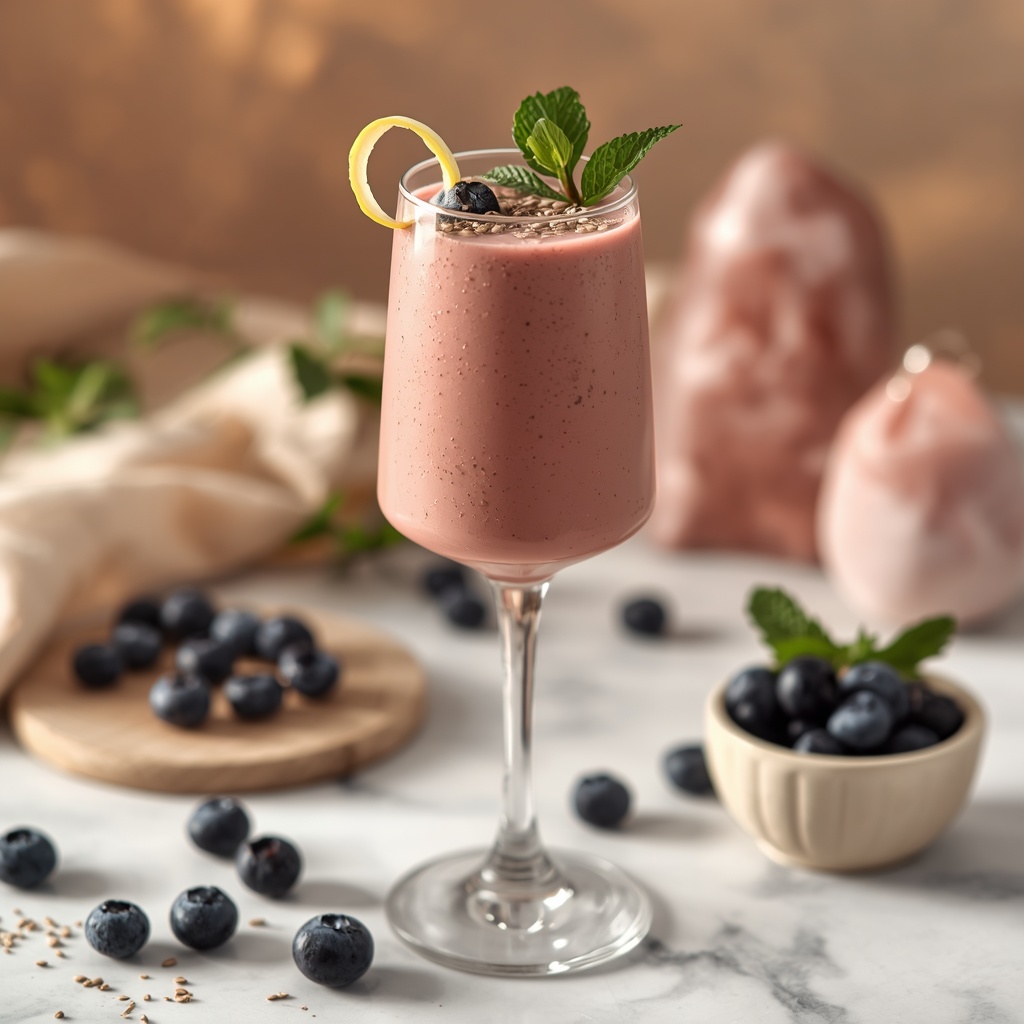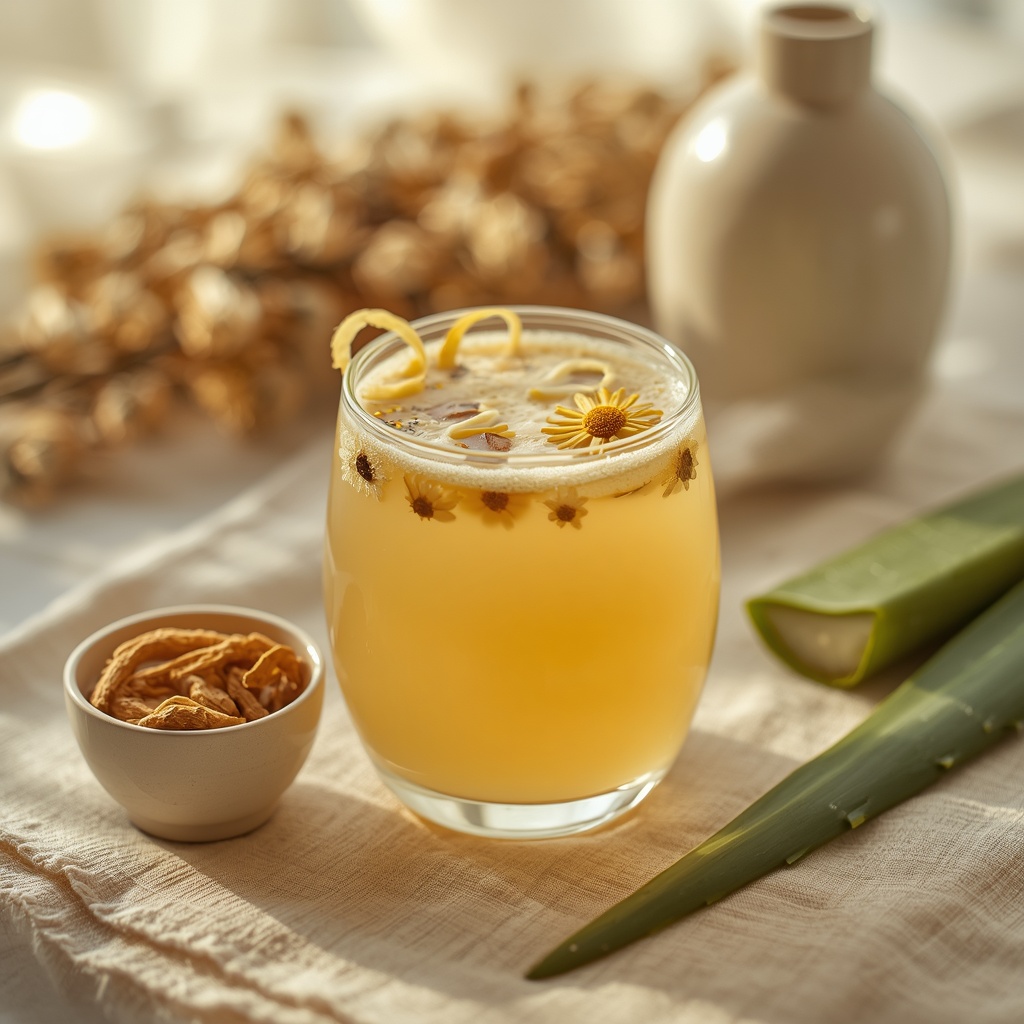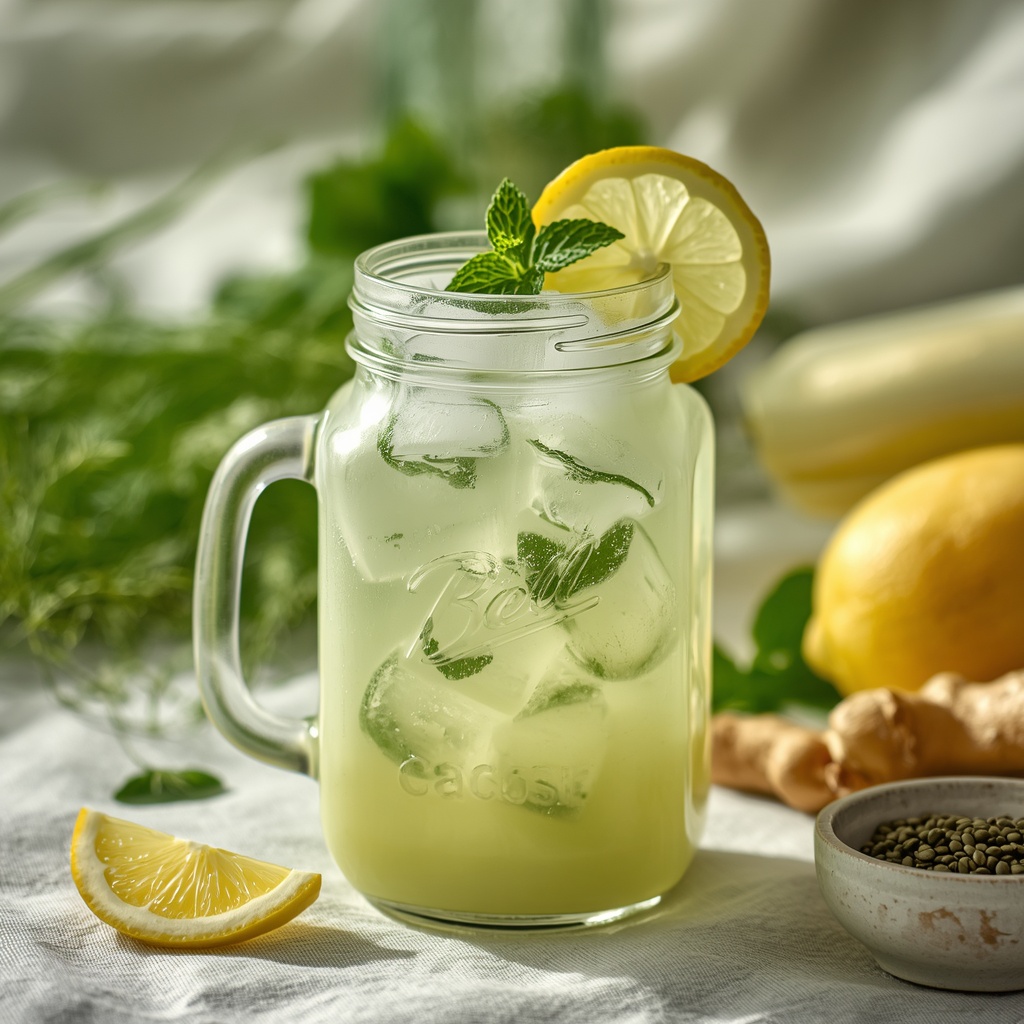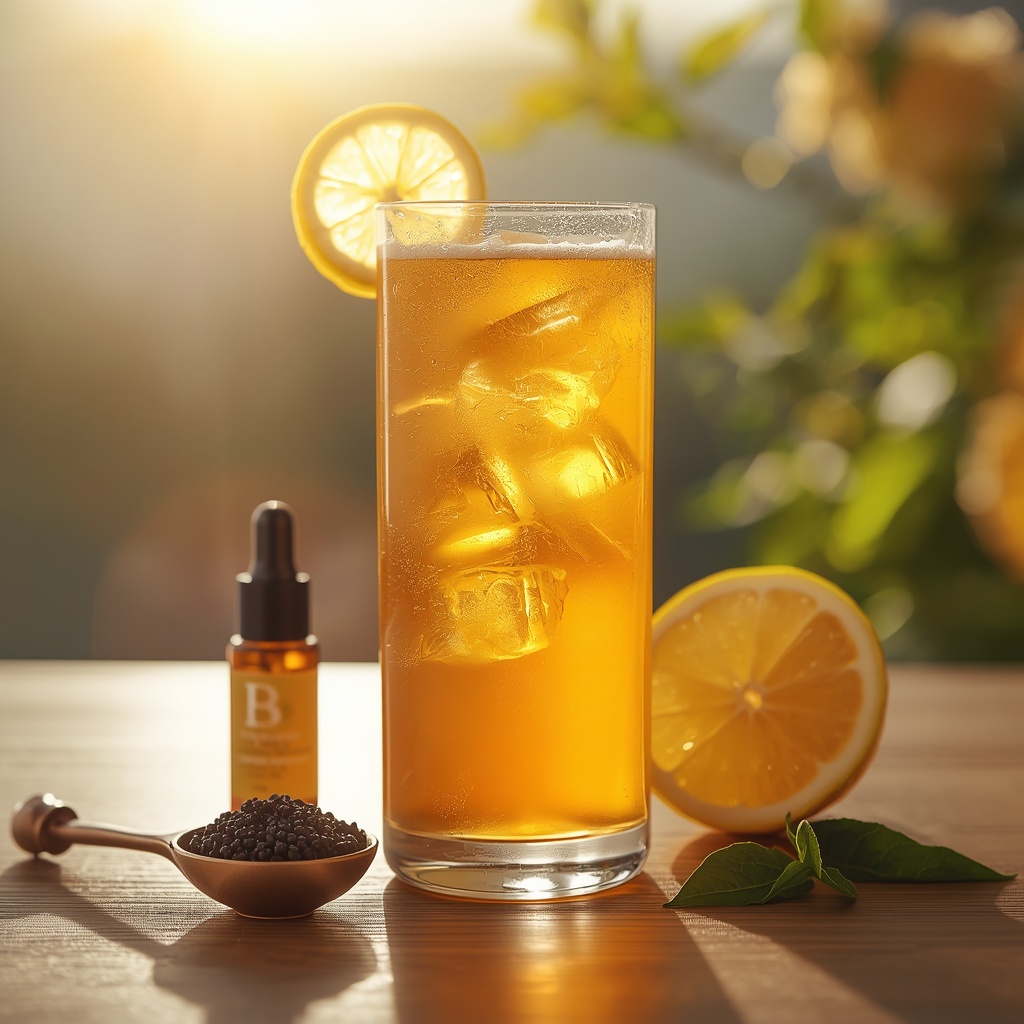
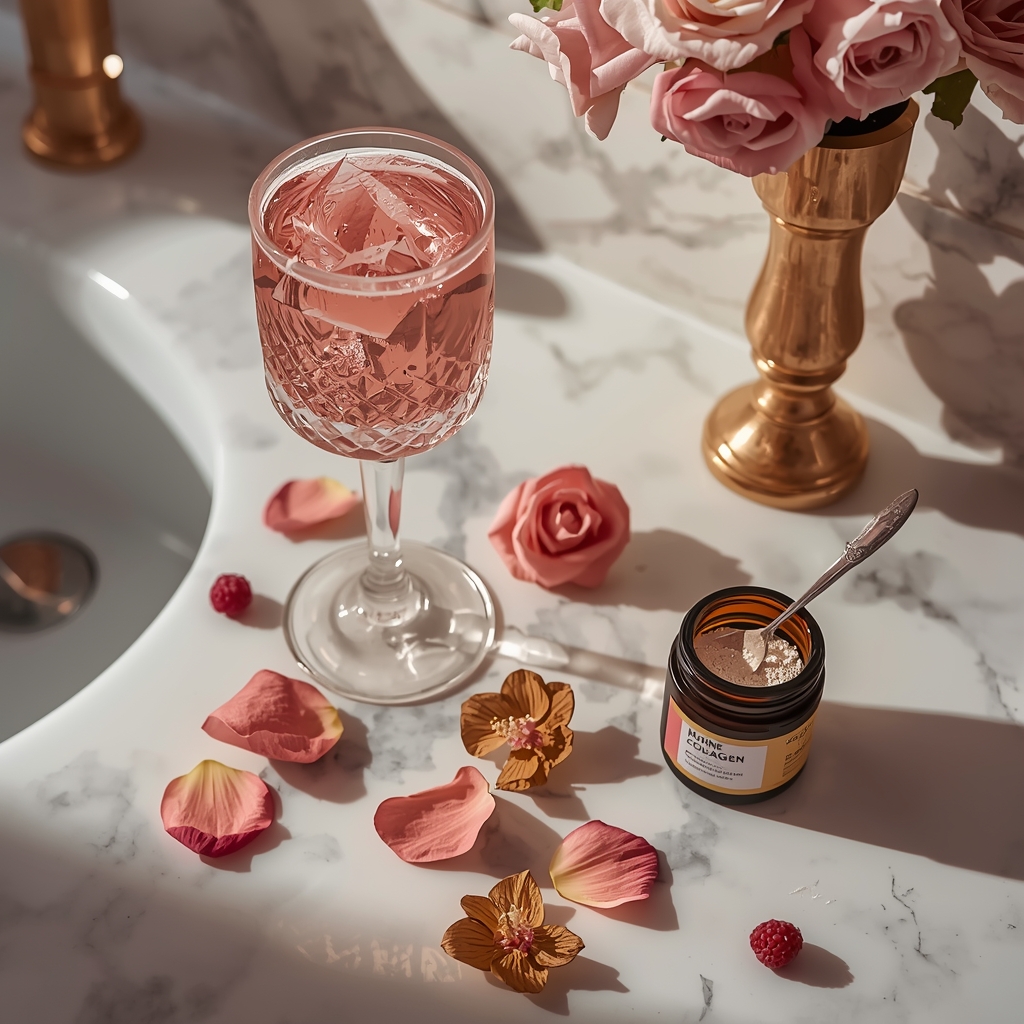
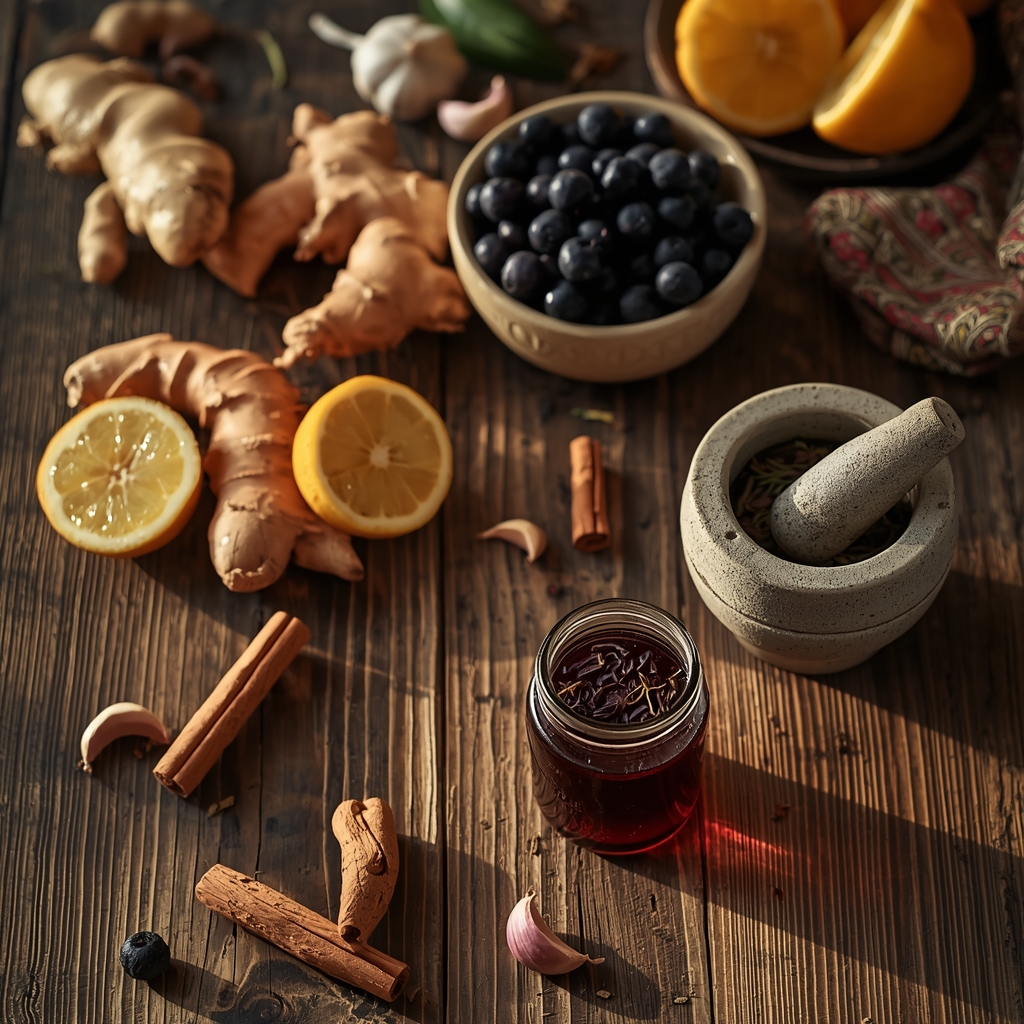
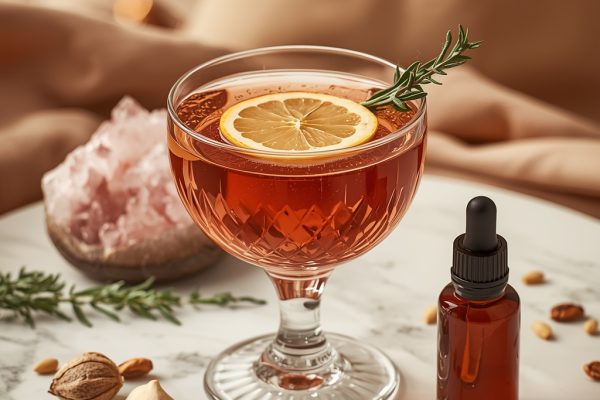
Even oral terbinafine clears toenail fungus in only about 40% of cases. This deep rose-amber sip is the inside-out adjunct dermatology rarely talks about — and it starves the dermatophytes you can’t see.
| ⏱ Prep 5 min | 👥 Serves 1 (10 oz) | 💚 Goal Systemic antifungal & nail matrix support | ⭐ Difficulty Easy |
Toenail fungus is the diagnosis nobody wants and the treatment everybody postpones. Topical creams disappoint. Oral terbinafine — the closest thing to a cure — clears stubborn cases in only about 40% of patients, and toenails take 12 to 18 months to fully grow out anyway. Onychomycosis is a long, patient battle, and the body’s internal antifungal terrain matters as much as what you put on the nail. This deep rose-amber sip layers four research-backed antifungals — pau d’arco, oregano oil, aged garlic, and selenium — into a sugar-free matrix that doesn’t feed the very organisms you’re trying to clear.
The 40% Cure Rate Nobody Wants to Talk About
The Quechua and Guarani peoples of South America have brewed pau d’arco — the inner bark of the Tabebuia tree — for fungal and parasitic ailments for centuries. When ethnopharmacologists isolated its active compound, lapachol, in the twentieth century, in vitro studies confirmed broad antifungal activity, including against the dermatophytes responsible for onychomycosis. Italian researchers, meanwhile, were quietly building a parallel literature on Mediterranean oregano oil and its main constituent, carvacrol. Today the picture is straightforward: chronic toenail fungus responds best to combined topical, oral, and systemic-supportive strategies. The drink in your hand is the third pillar.
Onychomycosis treatment is a marathon, not a sprint. Toenails grow at roughly 3 mm per month, which means a fully infected great-toe nail can take 12 to 18 months to clear, even with the best topical and oral antifungal treatment. The internal terrain — the body’s nutritional and immune environment — does its work in the background that whole time. This drink is a small daily input into that long, patient process. Pair it with whatever your dermatologist has prescribed, and remember that the nail you see today reflects what your body was doing six months ago.
Why This Cocktail Works (According to Science)
Pau d’arco: Lapachol — Documented antifungal activity against dermatophytes — the family of fungi responsible for most toenail infections.
Source: Journal of Ethnopharmacology
Oregano oil (P73, carvacrol-standardized): Carvacrol — Broad-spectrum antifungal in both lab and animal studies.
Source: Phytotherapy Research
High-dose biotin: Vitamin B7 — Supports nail matrix regeneration during the slow regrowth phase of onychomycosis treatment.
Source: Skin Appendage Disorders
Selenium: Trace mineral antioxidant cofactor — Acts as a cofactor in immune-mediated fungal defense.
Source: Mycopathologia
| 💡 Did You Know? Dermatophytes feed on dietary sugar and keratin debris. The single most underrated part of any onychomycosis protocol is the sugar-free matrix of what you drink — which is why this recipe ditches juice and added sugar entirely. |
Built For This Body — Not Against It
Every ingredient is chosen to starve fungal growth from the inside. There’s no added refined sugar, because dietary sugar feeds candida and dermatophytes — the fungi responsible for chronic toenail infections. There’s no high-glycemic fruit juice. There’s no alcohol, which suppresses immune function. There’s no dairy in the matrix, since some dermatophytes can use lactose. The high-dose biotin (5000 mcg) is appropriate for short-term courses of 2-3 months during the active nail regrowth phase. Together, the antifungal stack — pau d’arco, oregano oil, aged garlic, and selenium — provides three botanical pathways plus an immune cofactor for systemic support.
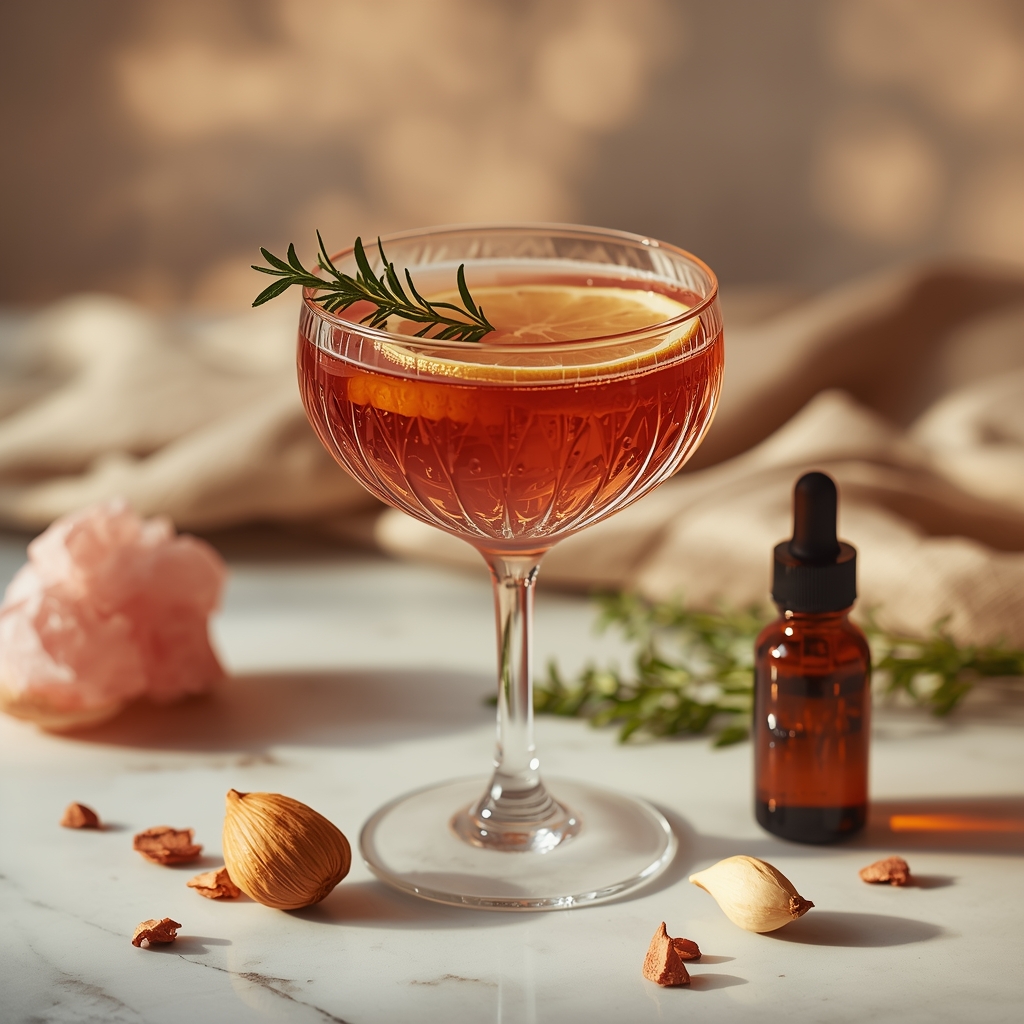
Recipe: Nail Fortify Bloom
| ⏱ Prep 5 min | 👥 Serves 1 (10 oz) | 💚 Goal Systemic antifungal & nail matrix support | ⭐ Difficulty Easy |
Ingredients
- 6 oz cooled pau d’arco tea (Buddha Teas)
- 2 oz filtered water
- 10 drops oil of oregano P73 (North American Herb & Spice)
- 600 mg aged garlic capsule, opened (Kyolic)
- 5000 mcg liquid biotin (Pure Encapsulations)
- 1 Brazil nut, finely chopped
- 1 tbsp fresh lemon juice
- 2 drops liquid stevia (optional)
- For garnish: 1 thin lemon wheel
Instructions
- Steep 1 pau d’arco tea bag in 8 oz hot water for 12 minutes; strain, cool 5 minutes. Reserve 6 oz.
💡 Tip: Brew a quart on Sunday — it covers four servings, four days fresh.
- In a 10 oz glass, combine the cooled pau d’arco tea with the filtered water.
- Add oregano oil drops, the contents of the opened aged garlic capsule, the liquid biotin, the chopped Brazil nut, and the lemon juice.
- Add stevia. Whisk well — color should deepen to rose-amber.
- Drink mid-afternoon, daily, for 6+ months. Adjunct to topical or oral antifungal medication, never a replacement.
Variations
| 🥛 Vegan version | Already 100% plant-based. |
| 🚫🍬 Sugar-free version | Skip stevia — pau d’arco and lemon are flavor-balanced. |
| 💪 Boosted version | Add 1 tbsp organic apple cider vinegar for extra antifungal acidity. |
Try It Tonight
Make this drink today and watch how your body responds over the next four to twelve weeks. Chronic conditions move slowly, and consistency — not perfection — is what shifts the curve. Pair this ritual with whatever your specialist has put you on; this drink is designed as an adjunct, never a replacement. Track one symptom, one number, or one note in a small notebook. The ones who win the long game are the ones who notice.
📌 Save this recipe on Pinterest for later — and add it to a board you actually open.
| ⚠️ Disclaimer: This article is for informational purposes only and does not constitute medical advice. It is not intended to diagnose, treat, cure, or prevent any disease. Always consult a qualified healthcare professional before making dietary changes, especially if you have a medical condition, are pregnant or breastfeeding, or are taking medications. |