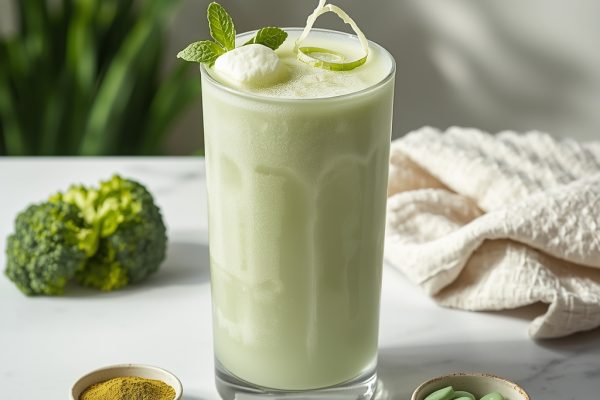
When the antibiotic protocol doesn’t apply, the mucosal repair pathway becomes the whole story.
| ⏱ Prep: 4 min | 👥 Serves: 1 | 💚 Goal: Gastric mucosa support | ⭐ Difficulty: Easy |
Not every burning, gnawing stomach belongs to H. pylori. A growing number of Americans live with autoimmune atrophic gastritis, NSAID-induced damage, or simply the stubborn aftermath of years of stress and antacids. For them, the standard antibiotic protocol just doesn’t apply — and most blog recipes designed to “fight gastritis” actually irritate inflamed mucosa with citrus, mint, or cold shocks. The Gastric Heal Dew is built differently. Lukewarm. Soothing. Built around three molecules that protect, regenerate, and quiet the gastric lining — without provoking the acid rebound that derails so many gastritis sufferers.
The Quiet Rise of Mucosal Repair Science
For decades, gastritis treatment in the US revolved around two pillars: kill H. pylori, and suppress acid. Effective for many — but a growing minority of patients fell through the cracks. Their biopsies came back negative for H. pylori. Their PPIs caused side effects. Their symptoms stayed. Then, in the late 2010s, a quieter line of Japanese and European research surfaced: zinc carnosine — a compound used in Japan since the 1990s — was being formally tested for its ability to repair the gastric lining itself. Sulforaphane, the broccoli sprout molecule, was shown to activate the Nrf2 protective pathway. And DGL licorice — the deglycyrrhizinated form — increased mucin without raising blood pressure. The Gastric Heal Dew brings these three forward, in a glass that’s gentle enough to drink before every meal.
What’s quietly revolutionary about this combination isn’t any single ingredient — it’s the sequencing. Marshmallow root coats first. DGL increases mucin behind it. Sulforaphane activates Nrf2 protective genes in the cells underneath. Zinc carnosine repairs the tissue layer below that. Layer by layer, sip by sip, 30 minutes before each meal, you build something the gastric mucosa has rarely been given: time and the right molecules.
Why This Sip Works (According to Science)
Three repair molecules, one quiet mucosal coat:
Zinc carnosine (PepZin GI): Zinc-L-carnosine chelate — Documented to support gastric mucosal repair in the Journal of Pharmacology and Experimental Therapeutics and Alimentary Pharmacology & Therapeutics.
Sulforaphane (broccoli sprout powder): Nrf2 pathway activator — Activates the body’s master antioxidant pathway and protects gastric mucosa against H. pylori AND NSAID damage — Cancer Prevention Research.
DGL licorice (deglycyrrhizinated): Glycyrrhizin removed for safety — Increases mucin production and mucosal protection without affecting blood pressure (Phytotherapy Research).
Marshmallow root: Mucilage polysaccharides — Forms a soothing protective coating on inflamed mucosa (Phytotherapy Research).
| 💡 Did You Know? PepZin GI — the zinc carnosine compound — was originally developed in Japan as a prescription gastric medication in the 1990s. In the US, it remains a quietly available over-the-counter supplement that gastroenterology specialists know about, even when most patients don’t. |
How This Fits Your Day
Where this fits in real life: the 30-minutes-before-meals timing is the entire point. Drinking it after a meal turns it into just another mineral water. Drinking it before lets the protective layers form before food and acid arrive. Many patients pair it with a phone reminder labeled simply “dew” — three times a day, eight to twelve weeks, the full mucosal regeneration cycle that gastroenterologists quietly hope you’ll commit to.
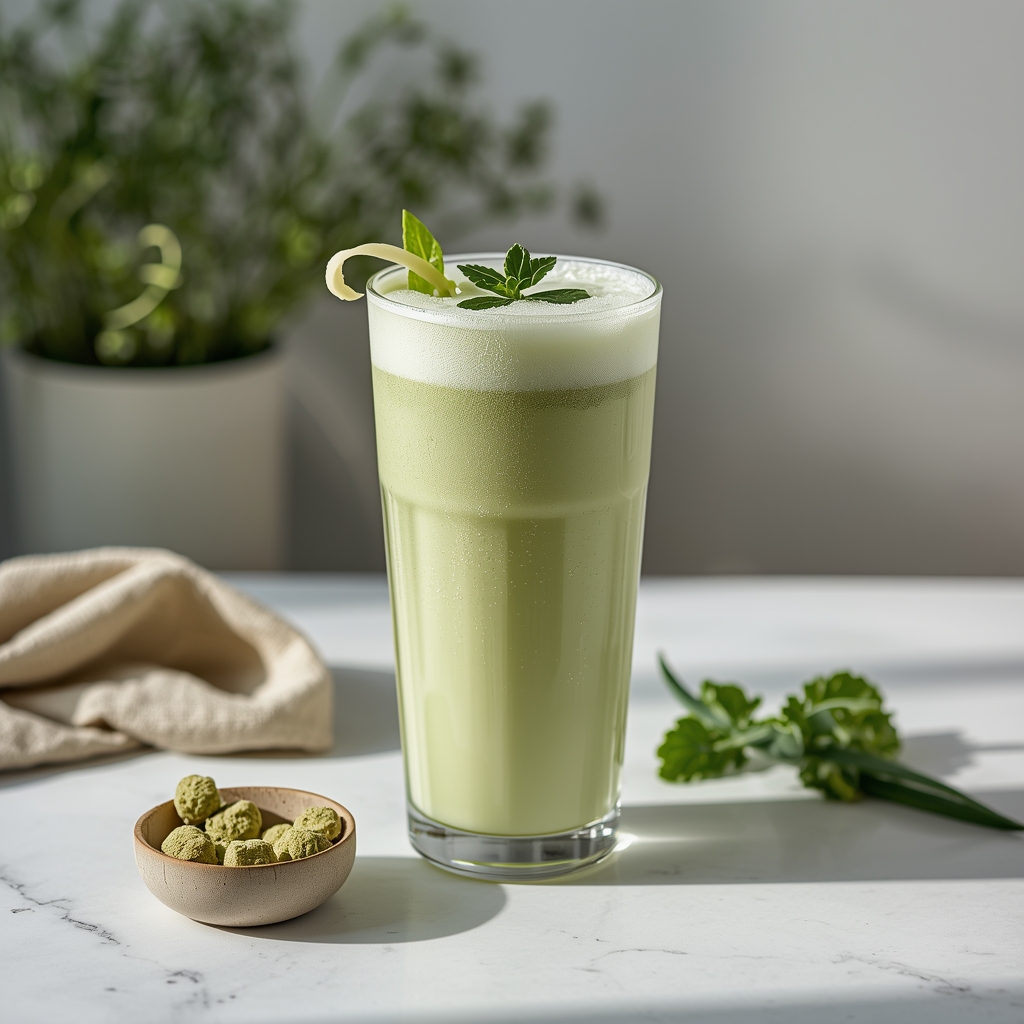
Recipe: Gastric Heal Dew
| ⏱ Prep: 4 min | 👥 Serves: 1 | 💚 Goal: Soothe and protect chronic gastritis lining | ⭐ Difficulty: Easy |
Ingredients
- 6 oz cool filtered water
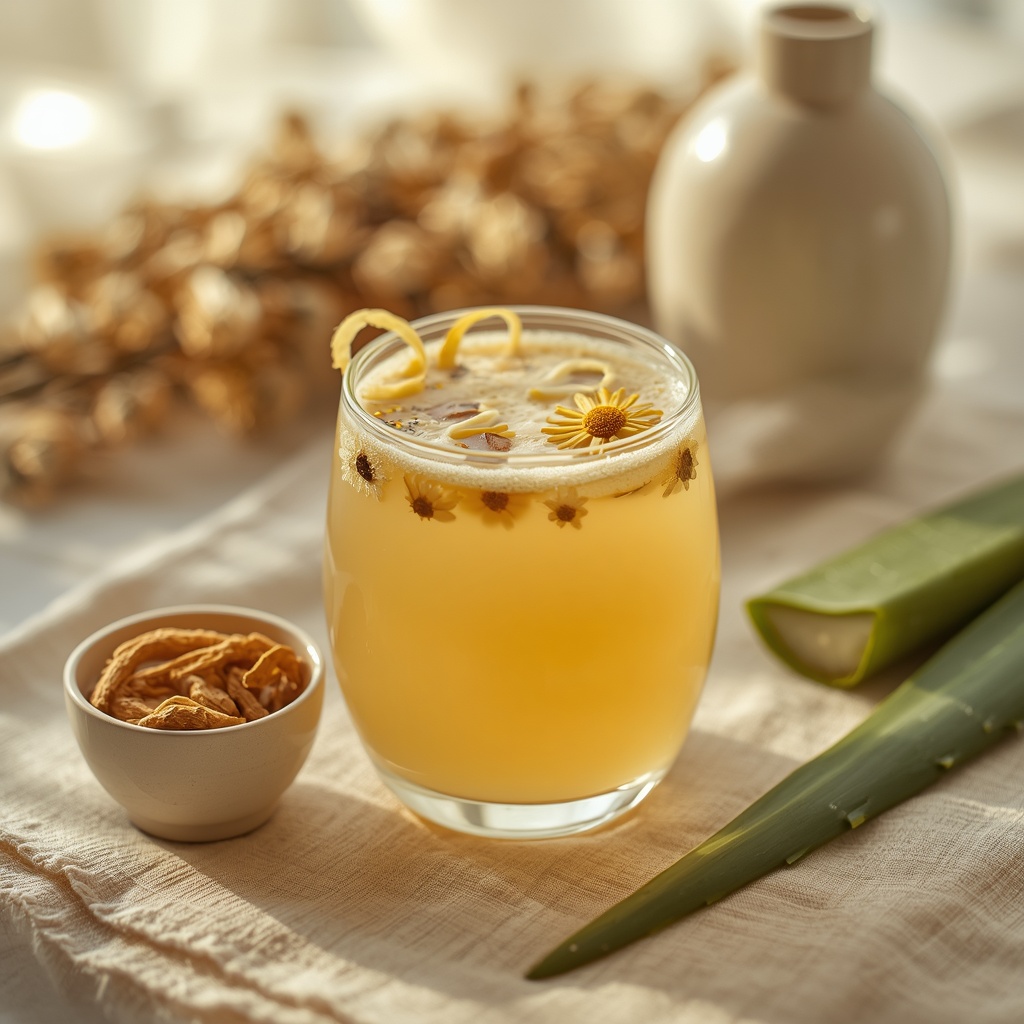
- 2 oz lukewarm marshmallow root tea (1 tsp dried root steeped in 4 oz hot water 15 min, strained)
- 1 oz decolorized aloe vera juice (inner leaf only — verify label)
- 1 tsp broccoli sprout powder
- 1 PepZin GI capsule, opened (75 mg zinc carnosine)
- 1 DGL licorice tablet, crushed (400 mg)
- 1 drop liquid stevia (optional)
Instructions
1. Brew marshmallow root tea — steep 1 tsp dried root in 4 oz hot water for 15 minutes. Strain very finely. Cool 5 minutes. Reserve 2 oz.
💡 Tip: 15 minutes is non-negotiable — that’s how mucilage extracts.
2. In a 10 oz lukewarm glass (avoid cold shock to inflamed mucosa), combine 6 oz cool filtered water with 2 oz marshmallow tea.
3. Add 1 oz decolorized aloe vera juice and 1 tsp broccoli sprout powder. Stir gently for 30 seconds.
4. Open 1 PepZin GI capsule and crush 1 DGL tablet. Stir into the mixture until fully integrated.
5. Add 1 drop stevia if desired. Sip slowly 30 minutes BEFORE meals — daily for 8–12 weeks for a full mucosal regeneration cycle.
💡 Tip: Cold drinks can shock inflamed gastric mucosa. Lukewarm is the rule.
Variations
| 🌿 Caffeine-free | Already caffeine-free. |
| 🥛 Vegan version | 100% plant-based — verify zinc carnosine supplement is vegan-certified. |
| ❄️ Warm version | Use lukewarm water and warm marshmallow tea for severe inflammation. |
| 💪 Boosted version | Add 200 mg mastic gum (Pistacia lentiscus) — additional gastric mucosal support. |
Try It Tonight
Set a phone reminder for 30 minutes before each meal. Three sips a day. For 12 weeks. And keep a small symptom diary — a single line per day. The mucosal healing arc is slow, and small changes early often forecast meaningful changes later.
📌 Save this recipe on Pinterest for later!
| ⚠️ Disclaimer: This article is for informational purposes only and does not constitute medical advice. Always consult a qualified healthcare professional before making dietary changes, especially if you have a medical condition, are pregnant, breastfeeding, or taking medications. |