What if the biochemistry responsible for every freckle, every skin tone, and every patch of color in your body could be fed — deliberately, daily — with a single warm tonic?
| Prep Time6 min | Serves1 | GoalVitiligo & Pigmentation | DifficultyIntermediate |
Vitiligo affects roughly 1–2% of the global population — an estimated 65 to 95 million people worldwide — yet the mainstream conversation rarely touches on the nutritional co-factors that the skin’s pigment-producing cells, called melanocytes, require just to survive and function. The Amla Melanin Revival is a daily tonic formulated around three ingredients backed by peer-reviewed clinical research: ginkgo biloba to protect melanocytes from oxidative destruction, amla (Indian gooseberry) to supply the enzyme cofactors that drive melanin synthesis, and sunflower seed butter to deliver the copper atom that literally sits at the active site of tyrosinase — the master enzyme of pigmentation. Together, they form the complete triad of melanin biosynthesis support.
From Ancient Ayurveda to Modern Biochemistry
Long before chromatography or enzyme kinetics existed, Ayurvedic physicians in India were documenting the skin-transforming properties of a small sour fruit: amla, or Indian gooseberry (Phyllanthus emblica). For more than 3,000 years, this berry has occupied a sacred place in Chyawanprash, the foundational Ayurvedic tonic, revered for promoting “ojas” — the luminous vitality thought to radiate through healthy skin and clear complexion. Ancient texts from the Charaka Samhita prescribed amla specifically to address “shvitra,” a term describing white patches on the skin that modern dermatology recognizes as vitiligo.
What those early physicians were intuiting through centuries of clinical observation, modern science has now explained at the molecular level: amla is one of the single richest natural sources of vitamin C on the planet, delivering up to 600 mg per teaspoon — a concentration twenty times higher than an orange. Vitamin C is not merely an antioxidant; it is an essential enzymatic cofactor for tyrosinase, the copper-dependent enzyme responsible for converting the amino acid tyrosine into melanin pigment. Without sufficient ascorbate and copper, the entire melanin biosynthesis pathway grinds to a halt.
This tonic honors that 3,000-year heritage while adding two more ingredients the ancient physicians never had clinical trial data for — but that peer-reviewed science now endorses. Here is exactly what the research shows.
Why This Tonic Works (According to Science)
Ginkgo Biloba — Melanocyte Protector
Active compound: Flavonoids (quercetin, kaempferol) and terpenoids (ginkgolides).
Melanocytes in vitiligo patients are under relentless attack from reactive oxygen species (ROS) — particularly hydrogen peroxide (H₂O₂), which accumulates in affected skin at concentrations toxic enough to trigger melanocyte apoptosis (programmed cell death). Ginkgo biloba’s concentrated flavonoids neutralize this oxidative stress, effectively throwing a protective shield around surviving melanocytes.
Clinical evidence: A double-blind, placebo-controlled RCT published in Phytotherapy Research (2011) found that ginkgo biloba halted vitiligo progression in the majority of participants and led to repigmentation in 40% of the treatment group versus placebo over 6 months.[1]
Amla & Vitamin C — Tyrosinase Cofactor
Active compounds: Ascorbic acid (vitamin C), emblicanin A, emblicanin B tannins.
Tyrosinase, the enzyme that produces melanin, requires ascorbate as a functional cofactor. When vitamin C levels are insufficient, tyrosinase cannot perform the hydroxylation reactions that convert tyrosine through DOPA to melanin. Beyond enzymatic support, amla’s unique tannin compounds — emblicanin A and B — provide additional photoprotective shielding, guarding melanocytes against UV-induced apoptosis, a key driver of depigmentation in sun-exposed areas.
Clinical evidence: Research published in the Journal of Investigative Dermatology (1995) confirmed vitamin C’s essential role in melanogenesis, with deficiency directly impairing the melanocyte’s ability to produce pigment.[2]
Copper (Sunflower Seed Butter) — Tyrosinase’s Metal Core
Active compound: Dietary copper (plus zinc and selenium from sunflower seeds).
If ginkgo defends the melanocyte and vitamin C activates the enzyme, copper IS the enzyme. Tyrosinase is a copper-containing metalloenzyme: two copper atoms occupy its active site and are structurally inseparable from its catalytic function. Without dietary copper, the body cannot synthesize functional tyrosinase, and melanin production is physiologically impossible. Copper deficiency has been directly linked to premature depigmentation and graying in both animal models and human observational studies.
Clinical evidence: Research in Pigment Cell Research (2001) established copper’s essential role as the metallic core of tyrosinase and its association with depigmentation when deficient.[3]
| 💡 Did You Know? — The Copper-Melanin ConnectionTyrosinase is one of the most copper-dependent enzymes in the human body. Each tyrosinase molecule contains exactly two copper ions at its active site — and if those copper atoms are removed, the enzyme becomes completely inactive. That means copper isn’t just helpful for melanin production: it is structurally non-negotiable. One tablespoon of sunflower seed butter delivers approximately 0.3–0.5 mg of bioavailable copper, contributing meaningfully to the recommended daily intake of 0.9 mg for adults. |
The synergy is precise: ginkgo protects the melanocytes that survive, amla’s vitamin C provides the enzymatic reaction fuel, and sunflower copper provides the metallic scaffold that makes the reaction physically possible. No single ingredient covers all three steps — but this tonic does.
Recipe: Amla Melanin Revival
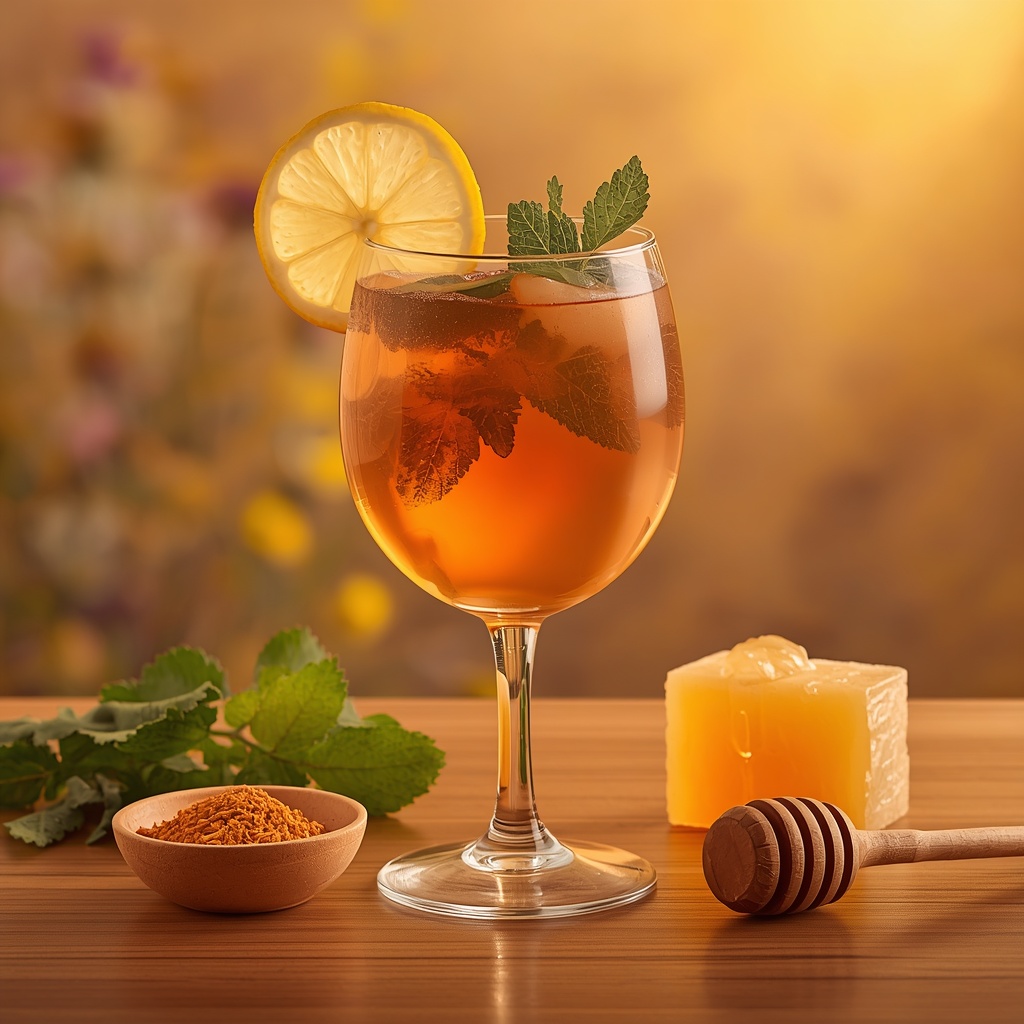
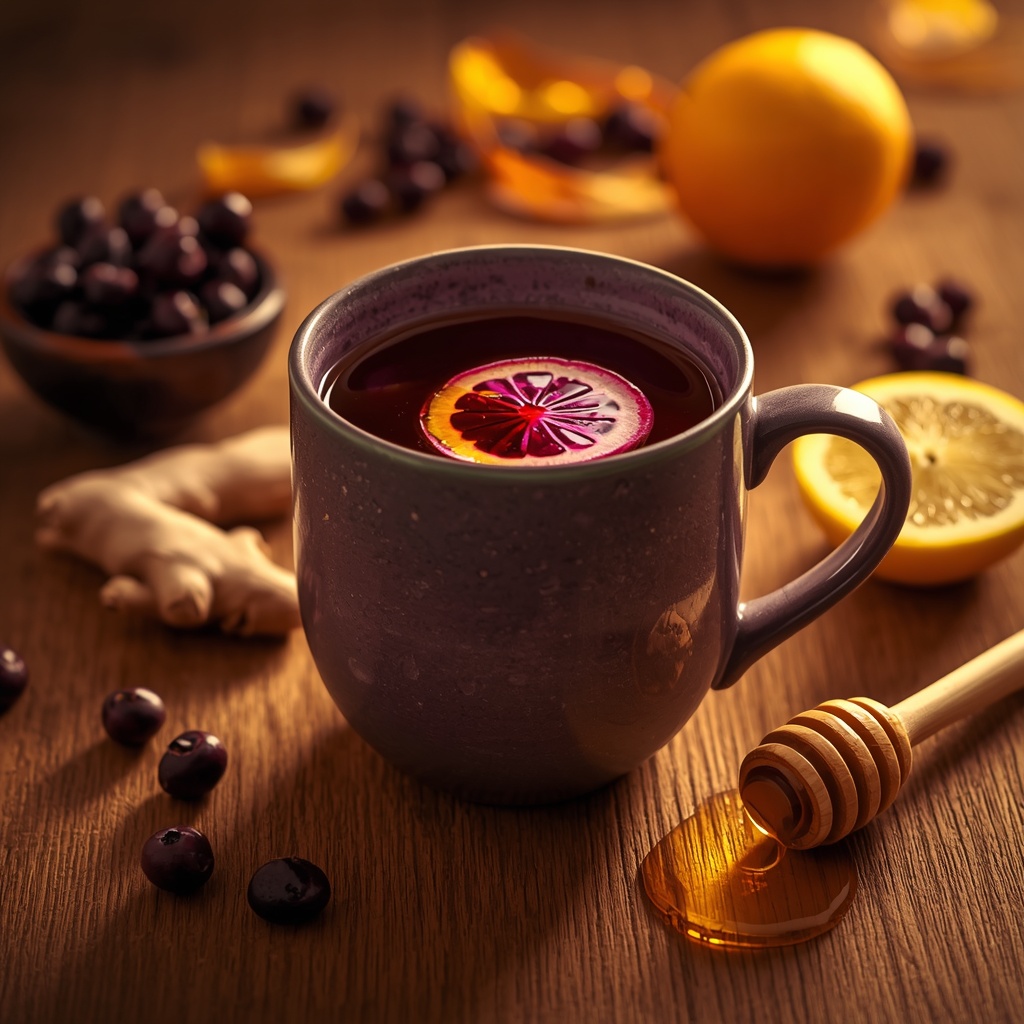
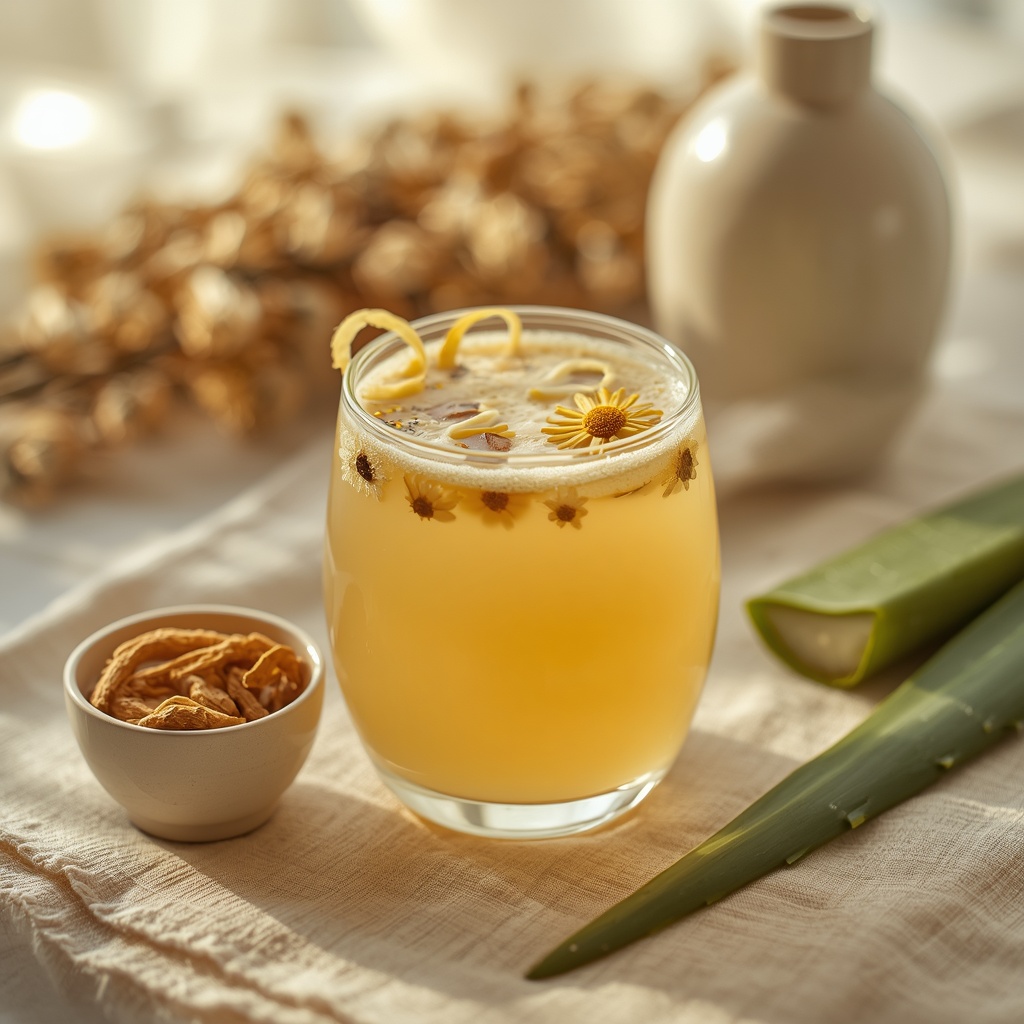
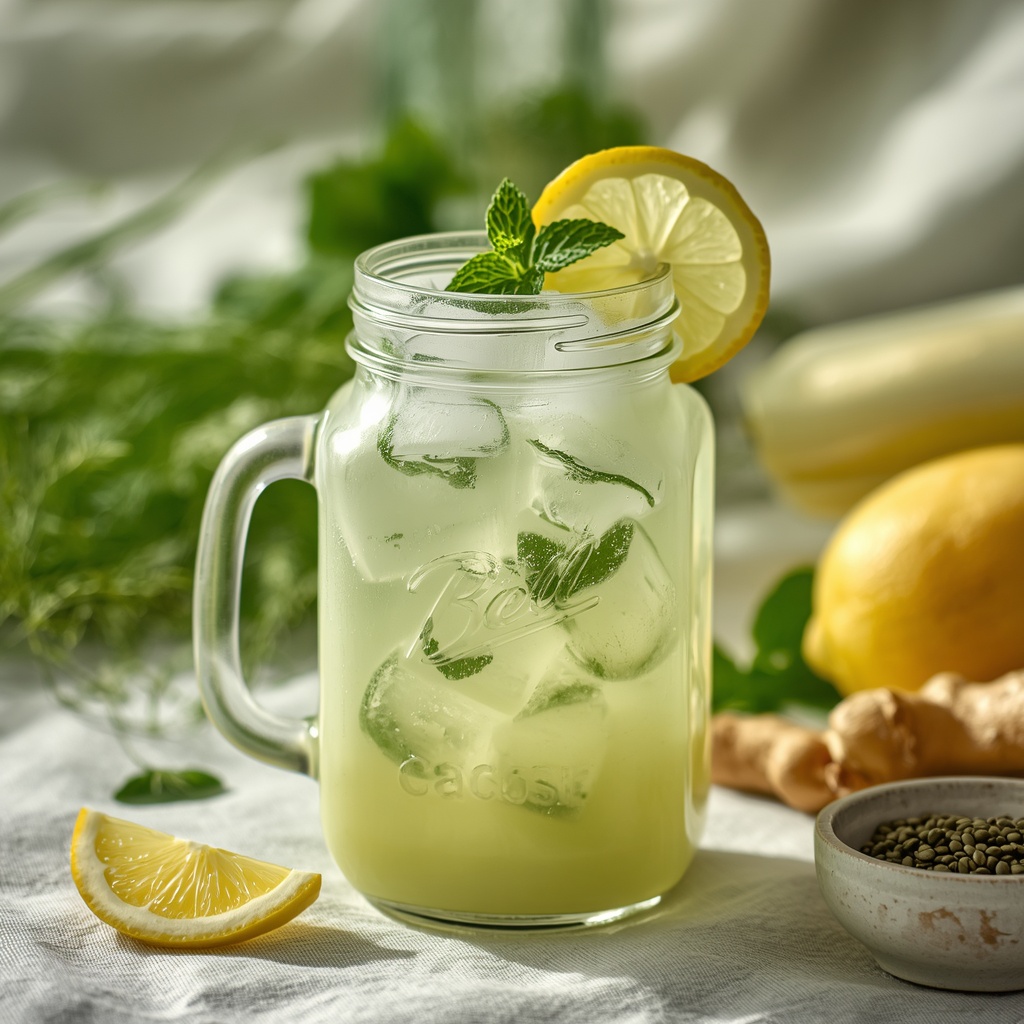
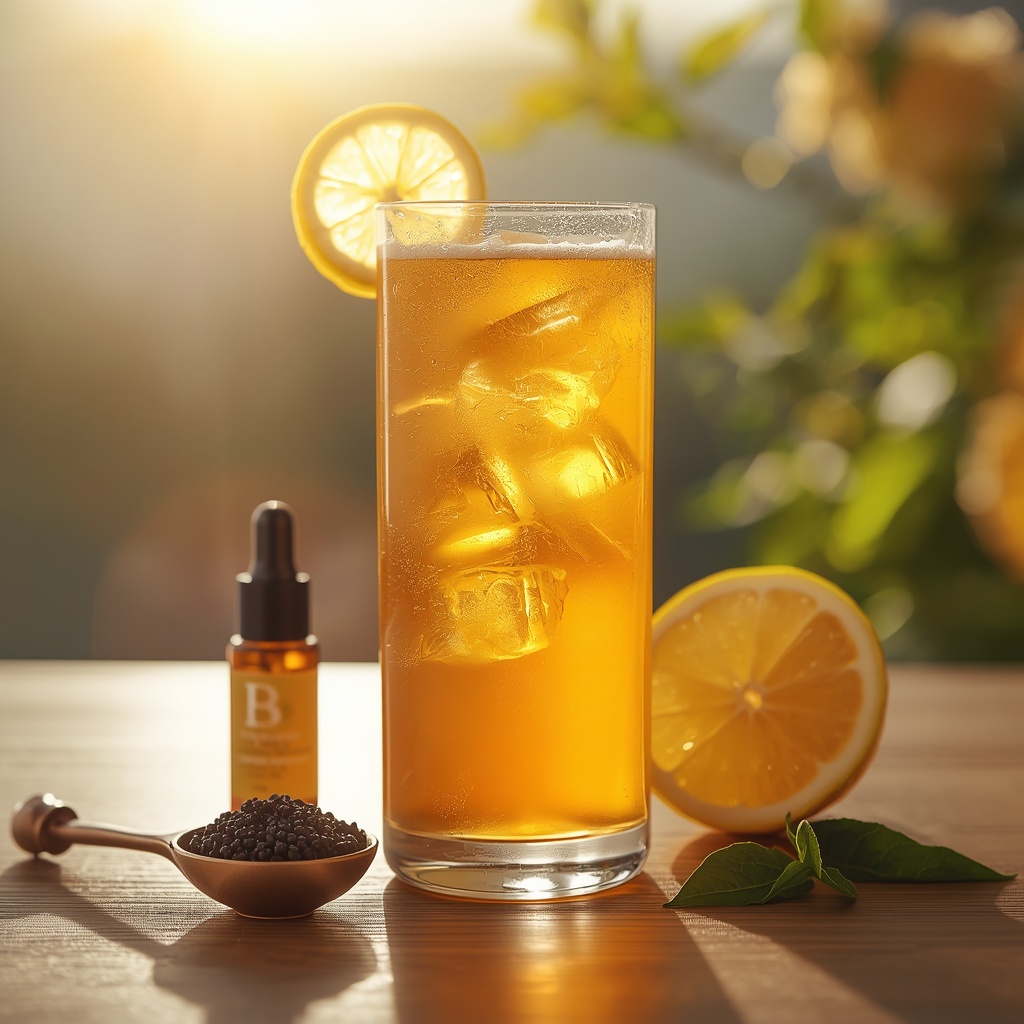
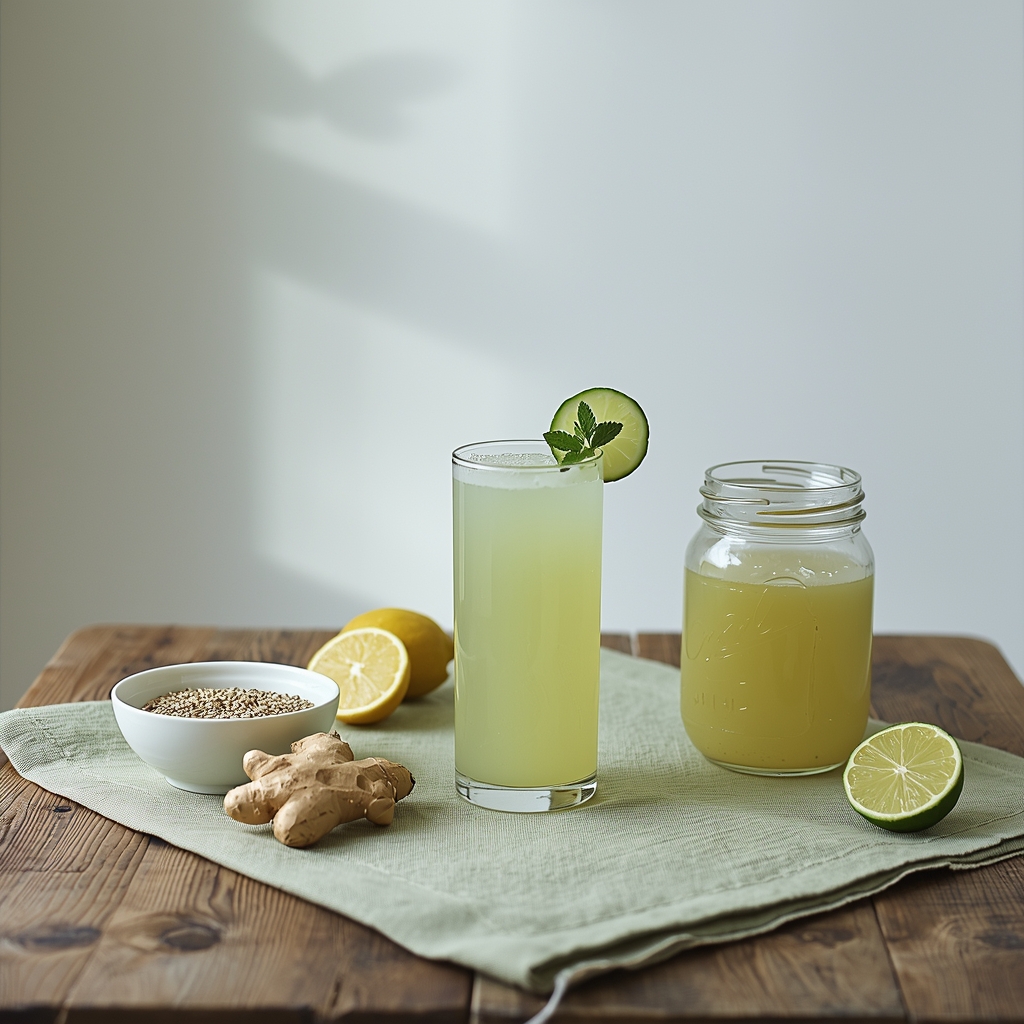
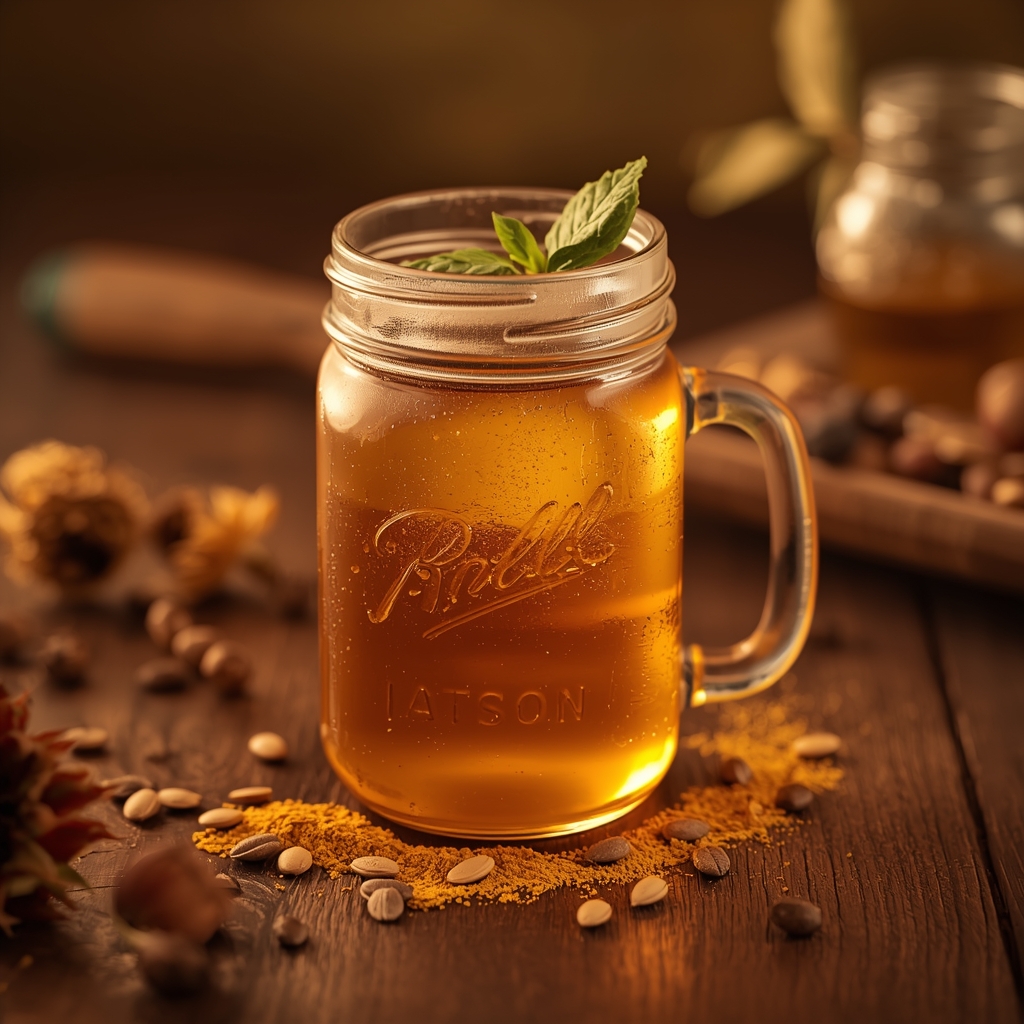
A golden-amber tonic with a subtle green tint — earthy, lightly tart, faintly nutty. Serve in a wide-mouth mason jar or ceramic mug for the full wellness aesthetic.
Ingredients
| Quantity | Ingredient |
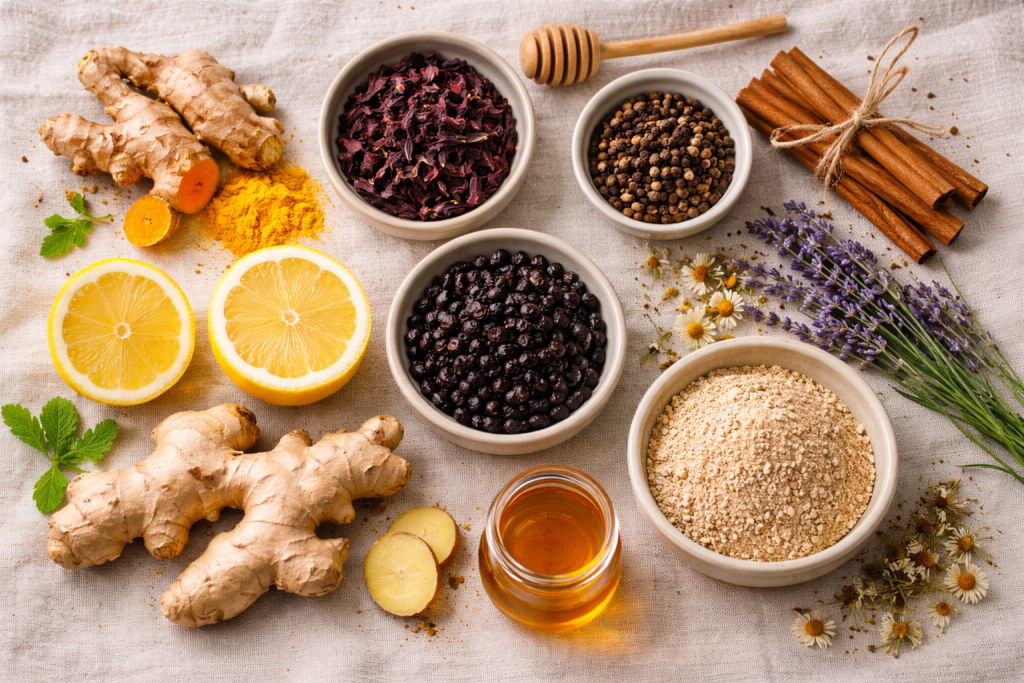
| 1 tea bag or 1 tsp | Ginkgo biloba tea |
| 1 tsp | Amla powder (Indian gooseberry, Phyllanthus emblica) |
| 1 tbsp | Sunflower seed butter (unsweetened) |
| 6 oz | Filtered water |
| 1 tsp | Fresh lemon juice |
| 2–3 drops | Pure stevia |
Instructions
- Steep the ginkgo biloba tea bag in 6 oz of hot water for 7 minutes. Remove the bag and let the tea cool to warm — not hot. This step is critical: amla’s vitamin C degrades above 140°F (60°C).
- Whisk the amla powder into the warm ginkgo tea for about 60 seconds until as smooth as possible. A slight graininess is normal and does not affect potency.
- Add the sunflower seed butter to the tea mixture and blend using a small blender or immersion blender until fully emulsified. This ensures the copper and healthy fats are properly incorporated.
- Add the fresh lemon juice and stevia drops. Blend briefly for 5–10 seconds to combine.
- Serve at room temperature or lightly chilled. For best results, consume daily for a minimum of 3 months — melanocyte regeneration is a slow, cumulative process.
Variations & Customizations
| Variation | Details |
| Vegan | ✅ Fully plant-based as written |
| Sugar-Free | ✅ Stevia provides sweetness with zero glycemic impact |
| Heat Caution | Avoid serving very hot — vitamin C degrades above 140°F (60°C). Allow ginkgo tea to cool to warm before adding amla. |
| Boosted Version | Add 1 tsp black seed oil (Nigella sativa) for additional anti-inflammatory synergy supporting skin barrier integrity. |
Start Your 3-Month Pigmentation Journey
Skin pigmentation biochemistry operates on a long timeline — melanocytes are slow-cycling cells, and meaningful support requires consistency over months, not days. Commit to one Amla Melanin Revival daily for a minimum of 3 months and track any changes in affected areas with monthly photographs in consistent lighting.
Save this recipe on Pinterest → Pin “The Golden Daily Tonic That Feeds the Three Key Steps of Melanin Production”
| ⚠️ Medical DisclaimerThis recipe is intended for general wellness and nutritional support only. It is not a medical treatment and is not intended to diagnose, treat, cure, or prevent vitiligo or any other skin condition. Vitiligo is a complex autoimmune-related condition that requires evaluation and management by a qualified dermatologist. Always consult your healthcare provider before making significant dietary changes, especially if you are taking medications. The clinical studies cited here were conducted with pharmaceutical-grade extracts — results from food-form ingredients may differ. |
[1]Parsad D et al. “A randomized placebo-controlled double blind study of levamisole and ginkgo biloba in patients with active limited vitiligo.” Phytotherapy Research, 2011. https://pubmed.ncbi.nlm.nih.gov/20564545/
[2]Tyrrell RM. “UV-A activates and is involved in the mechanisms of melanogenesis.” Journal of Investigative Dermatology, 1995. https://pubmed.ncbi.nlm.nih.gov/7636435/
[3]Sturm RA. “Molecular genetics of human pigmentation diversity.” Pigment Cell Research, 2001. https://pubmed.ncbi.nlm.nih.gov/11354128/