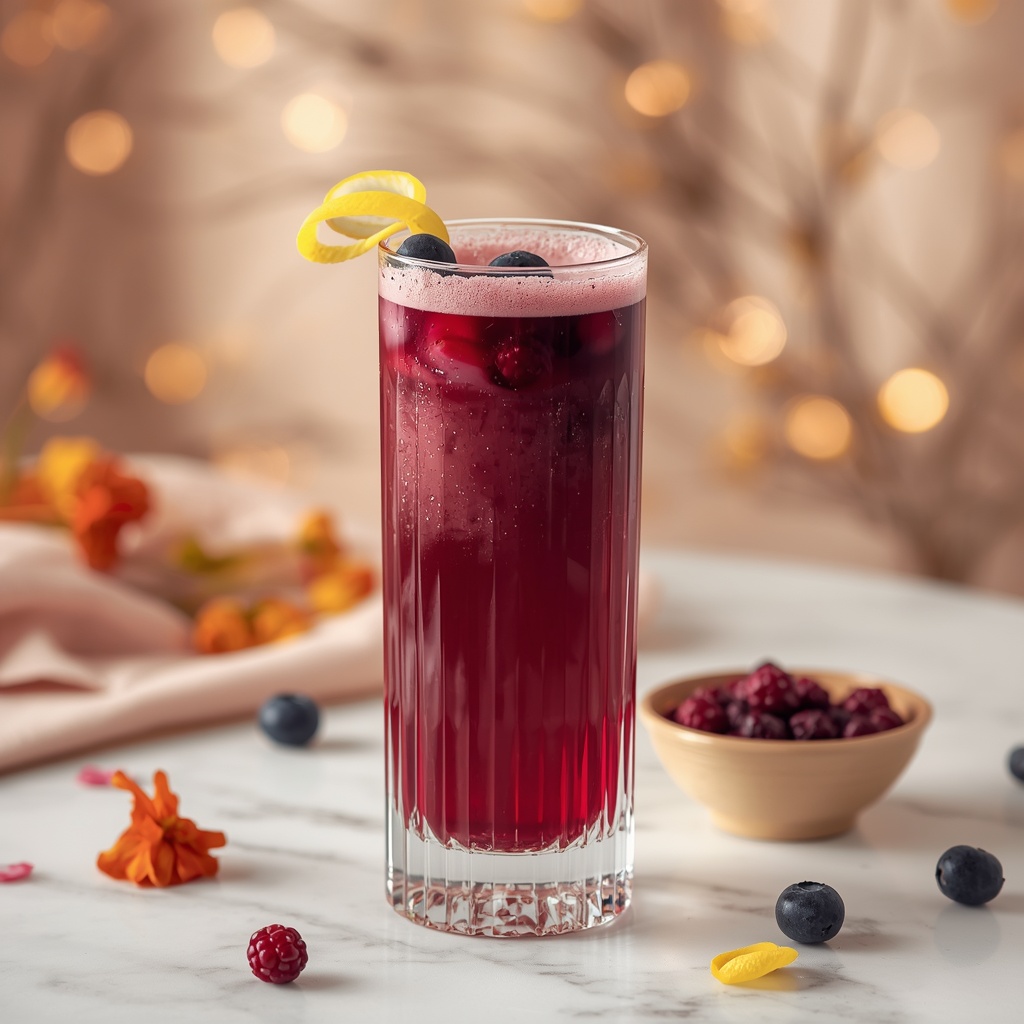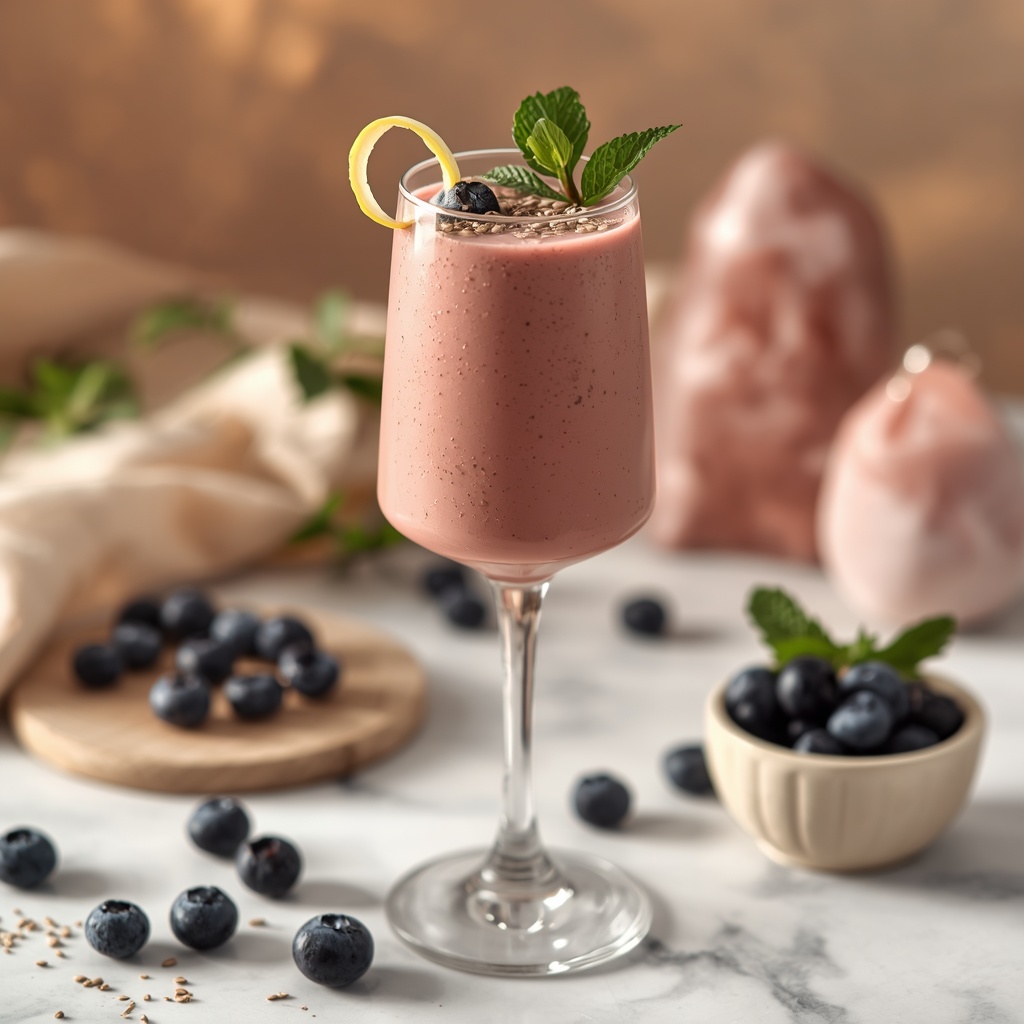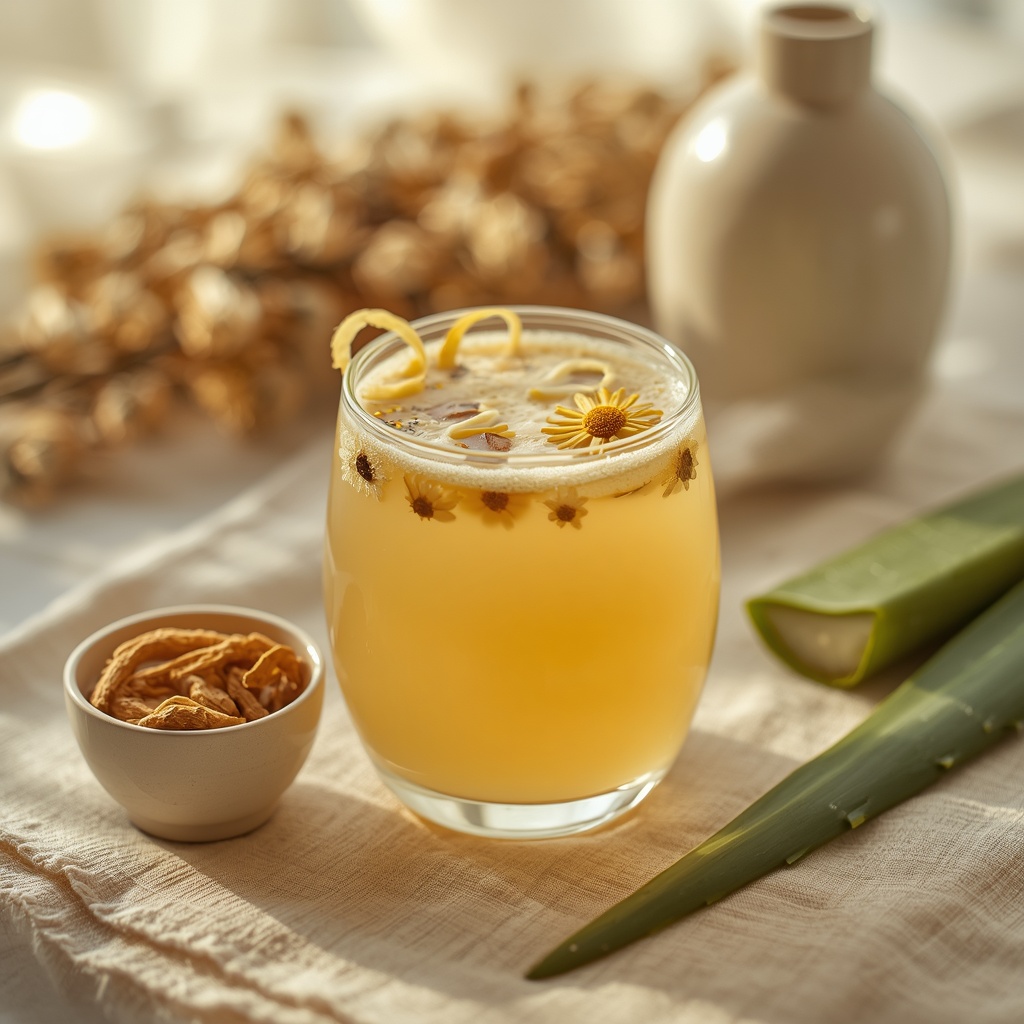
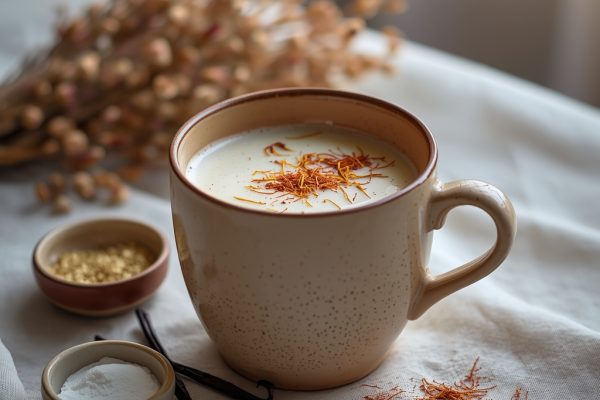
If chewing sounds make you rage and breathing makes you brace, you’re not dramatic — your anterior insula is on fire. This warm, garnish-light sip targets the auditory-limbic loop.
| ⏱ Prep 4 min | 👥 Serves 1 (10 oz) | 💚 Goal Auditory-limbic calming | ⭐ Difficulty Easy |
If the sound of your partner chewing makes your shoulders tense and your fists clench, you may have spent years assuming you were petty. You’re not. Misophonia is a neurological condition involving the anterior insula and limbic system — and brain imaging studies have repeatedly shown the difference. This warm golden-cream sip is designed for the brain that hears too much: garnish-free (no clinking ice, no crunchy bits), built around saffron, glycine, L-theanine, and magnesium — the four nutrients quietly accumulating support in misophonia and auditory-hypersensitivity research.
When the Brain Hears Too Much
For years, misophonia patients were dismissed by clinicians as having a sensory quirk or a low irritation threshold. Then in 2017, a now-famous fMRI study from researchers at Newcastle University showed that misophonia is associated with measurable hyperconnectivity between the anterior insula and the limbic system. Suddenly the rage at chewing sounds had an address in the brain. Researchers in nutritional psychiatry began noting which compounds could quiet that overactive insular cortex without flattening the rest of cognition. Saffron — the spice prized in Persian medicine for centuries — turned out to be one of them, alongside glycine for vagal tone, L-theanine for auditory cortex calming, and magnesium for limbic excitability.
Misophonia is one of the most isolating sensory conditions in adult psychiatry, partly because nobody can see it and partly because patients have spent years being told they’re being dramatic. The validation of brain-imaging studies has changed the conversation, but the daily reality of living with it has not. This drink is a small ritual of self-recognition — a calm, quiet, garnish-free 10-ounce window where the body can stop bracing. Drink it with intention, in a quiet space, ideally with noise-canceling headphones nearby. The sensory environment is part of the dose.
Why This Cocktail Works (According to Science)
Saffron: Crocins (carotenoid pigments) — Modulates anterior insula activity and limbic-emotional regulation in mood and sensory-sensitivity research.
Source: Journal of Affective Disorders
Glycine: Inhibitory amino acid — Improves heart rate variability and parasympathetic balance — a quiet vagal anchor for hyperaroused nervous systems.
Source: Frontiers in Neuroscience
L-theanine: Amino acid from green tea — Increases alpha brain-wave activity and calms the auditory cortex without sedation.
Source: Nutritional Neuroscience
Magnesium glycinate: Bioavailable magnesium — Modulates NMDA receptor activity and dampens limbic over-arousal.
Source: Magnesium Research
| 💡 Did You Know? Saffron is one of the few botanicals to have shown effect sizes comparable to SSRIs in mild-to-moderate depression trials — and the same crocins that help mood are now being studied in sensory-overload conditions. |
Built For This Body — Not Against It
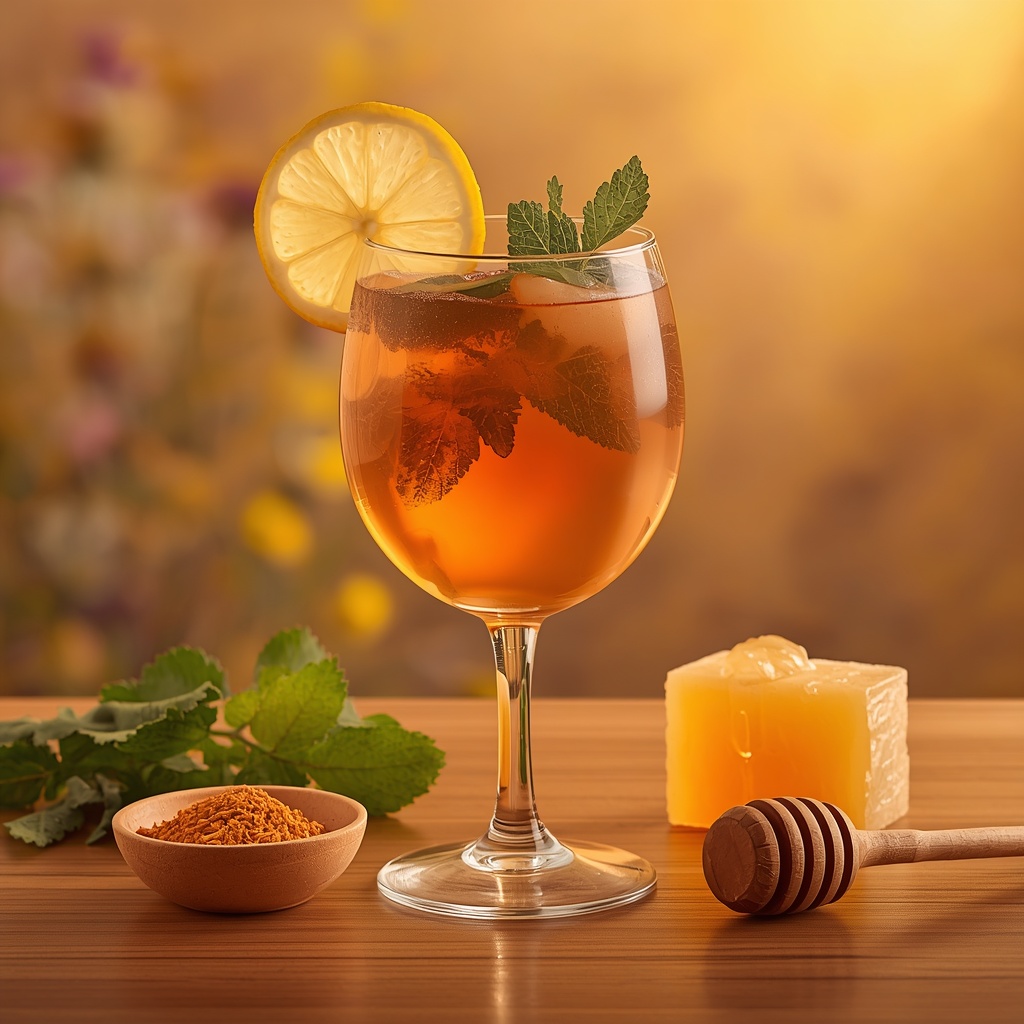
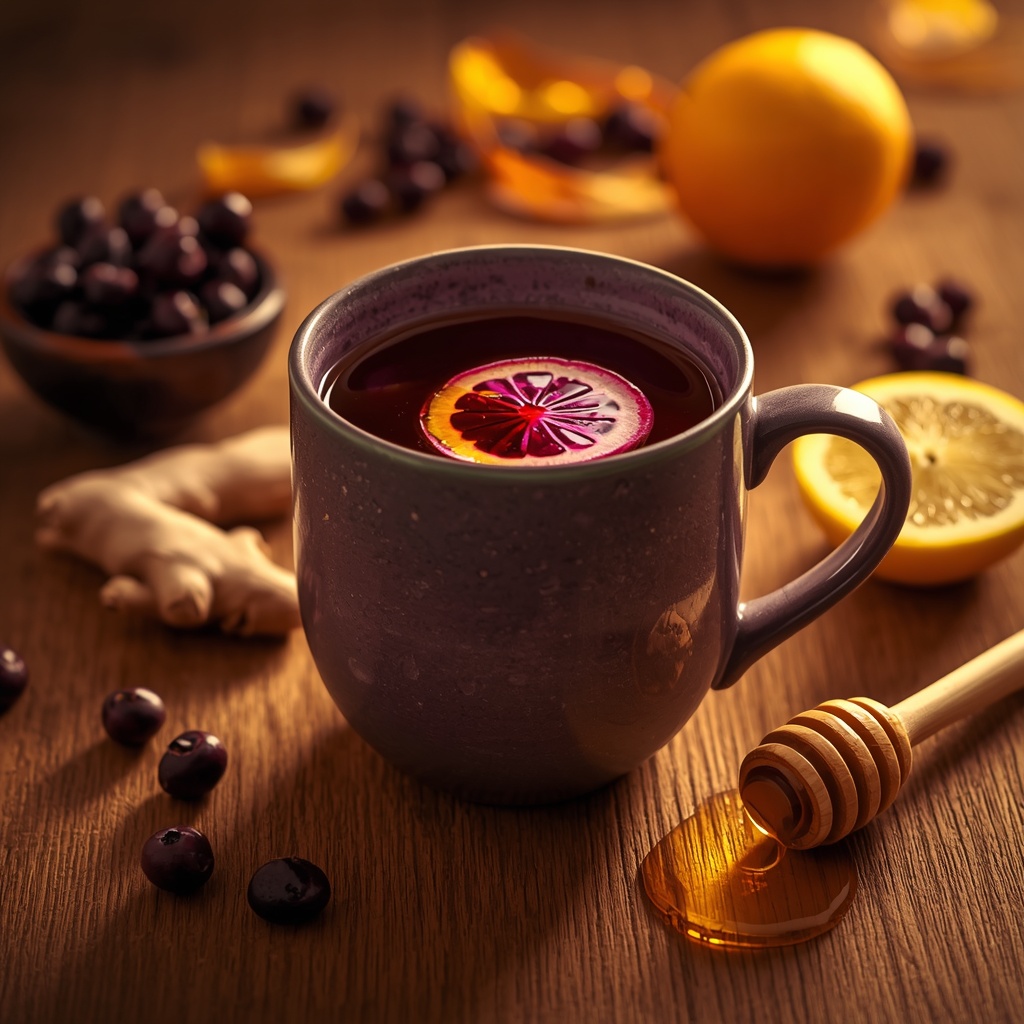
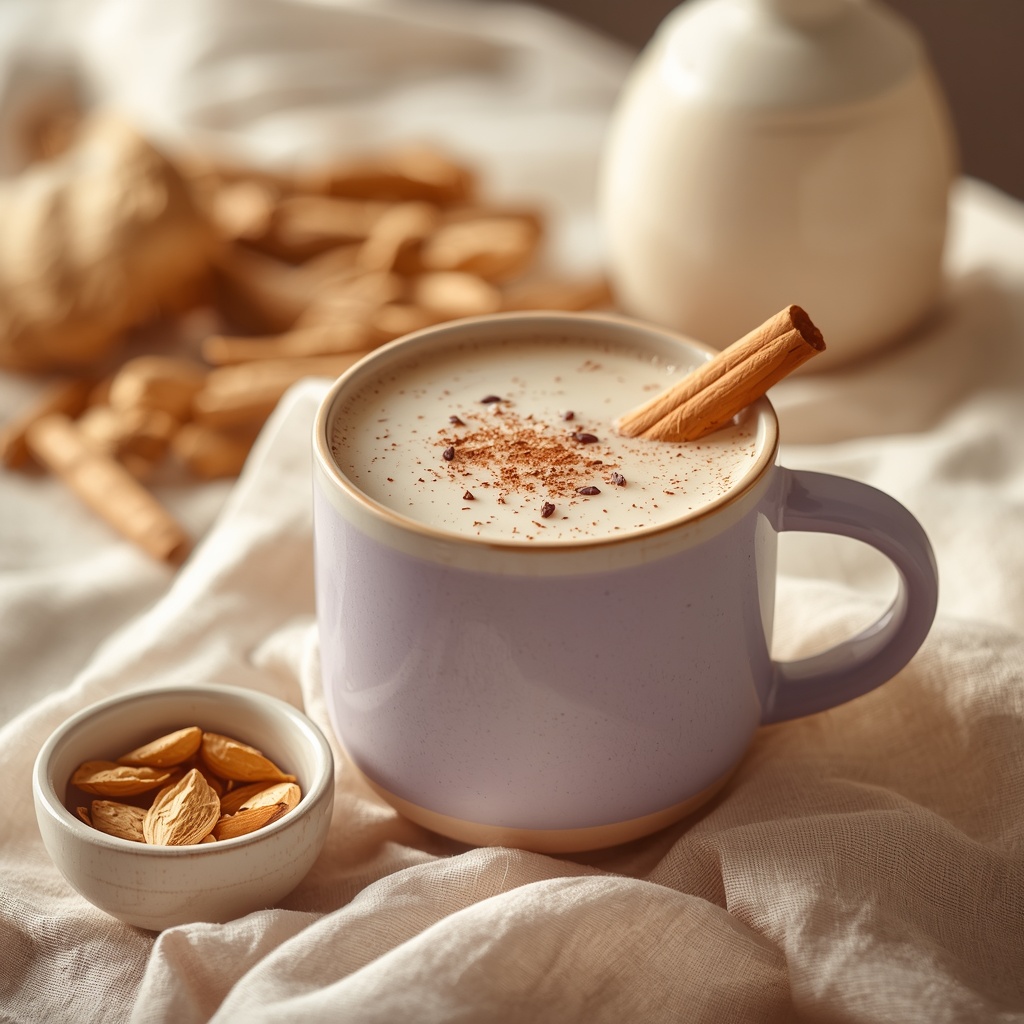
Every detail of this drink is engineered for a brain that hears too much. There’s no caffeine, which heightens auditory hypervigilance. There’s no added refined sugar (glucose drops worsen irritability and mood lability). There’s no alcohol, which causes rebound limbic dysregulation. There are no crunchy garnishes — a misophonia patient is the one drinking this, and chewy bits are off the table. The aesthetic itself is part of the recipe: a wide matte ceramic mug that absorbs sound, no clinking ice, no rattling spoons. The whole experience is calm-by-design.
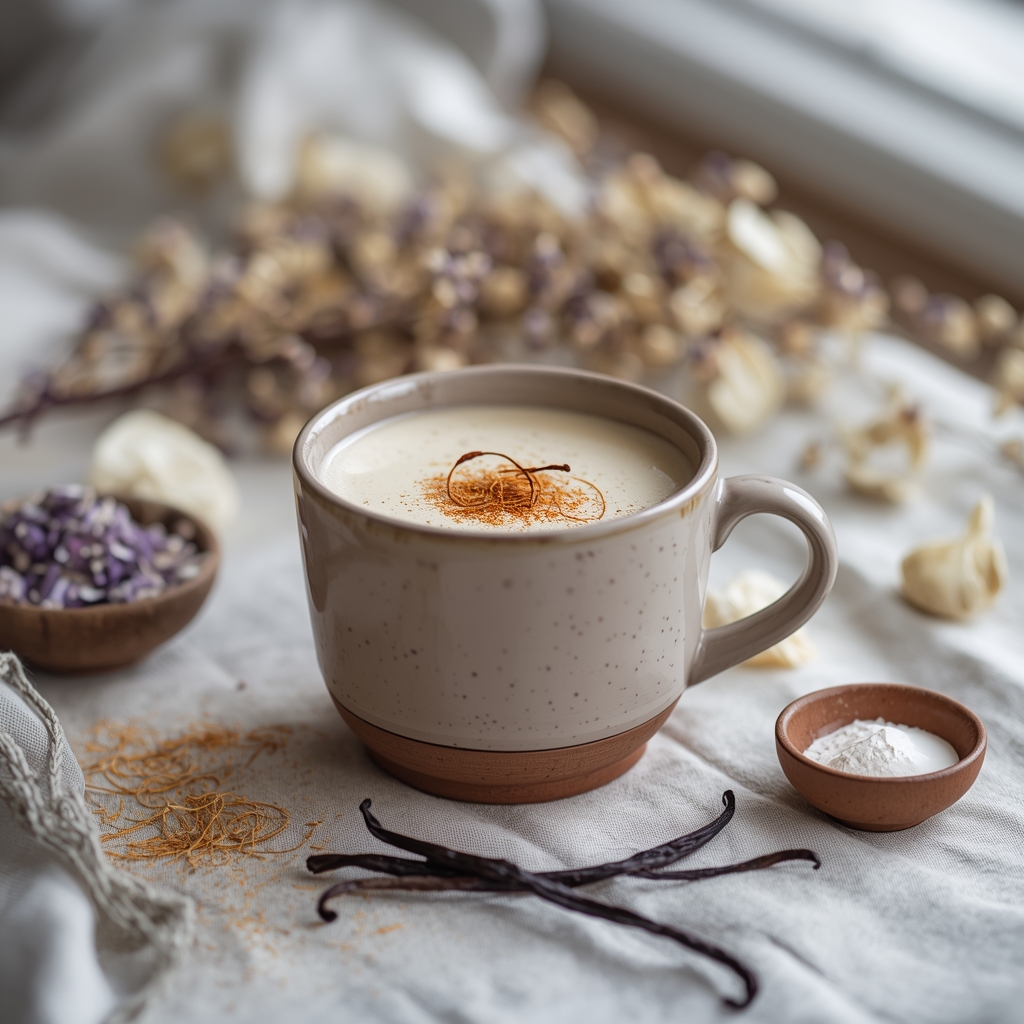
Recipe: Sound Harbor Elixir
| ⏱ Prep 4 min | 👥 Serves 1 (10 oz) | 💚 Goal Auditory-limbic calming | ⭐ Difficulty Easy |
Ingredients
- 8 oz unsweetened oat milk
- 10 saffron threads (~20 mg, Persian saffron)
- 3 g glycine powder (NOW Foods)
- 200 mg L-theanine powder (Suntheanine)
- 300 mg magnesium glycinate powder (Doctor’s Best)
- ⅛ tsp ground cardamom
- ¼ tsp alcohol-free vanilla extract
- 2 drops liquid stevia (optional)
Instructions
- Warm the oat milk gently for 4 minutes on low heat — do not boil.
💡 Tip: Drink in a quiet space, ideally with noise-canceling headphones nearby. The whole sensory environment is part of the recipe.
- Crumble the saffron threads with the back of a spoon and steep in 1 tbsp of warm oat milk for 2 minutes.
- In a separate small bowl, whisk glycine, L-theanine, and magnesium glycinate with 2 tbsp warm oat milk to form a slurry.
- Combine the saffron infusion and the supplement slurry into the warmed oat milk; whisk smoothly.
- Add cardamom, vanilla, and stevia. Pour into a wide matte ceramic mug. Drink in evening quiet — no crunchy garnish, ever.
Variations
| 🥛 Vegan version | Already 100% plant-based. |
| 🚫🍬 Sugar-free version | Skip stevia — saffron and vanilla carry the comfort. |
| 💪 Boosted version | Add 200 mg phosphatidylserine for extra stress-response calming. |
Try It Tonight
Make this drink today and watch how your body responds over the next four to twelve weeks. Chronic conditions move slowly, and consistency — not perfection — is what shifts the curve. Pair this ritual with whatever your specialist has put you on; this drink is designed as an adjunct, never a replacement. Track one symptom, one number, or one note in a small notebook. The ones who win the long game are the ones who notice.
📌 Save this recipe on Pinterest for later — and add it to a board you actually open.
| ⚠️ Disclaimer: This article is for informational purposes only and does not constitute medical advice. It is not intended to diagnose, treat, cure, or prevent any disease. Always consult a qualified healthcare professional before making dietary changes, especially if you have a medical condition, are pregnant or breastfeeding, or are taking medications. |