What the Iroquois knew in 1535, Western science spent centuries confirming — and your legs may thank you for it every evening.
| PREP TIME6 min | SERVES1 | GOALVenous Support | DIFFICULTYIntermediate |
A Winter on the St. Lawrence River — and the Tree That Saved 85 Men
It is the winter of 1535–1536. French explorer Jacques Cartier and his crew of 110 men are locked in the ice at Stadacona — what is now Quebec City. Scurvy has taken hold. In his journal, Cartier writes that by mid-February, “not ten were well enough to help the others.” Twenty-five men have already died.
Then something remarkable happens. Domagaya, an Iroquois man, shows the desperate French sailors a remedy: a decoction boiled from the bark and needles of a tree the Iroquois call “Annedda” — the tree of life. The French use up the bark of an entire tree in a single week. The results, Cartier records, are miraculous. Within days, men who could barely stand are walking.
Centuries later, in 1947, a young French biochemist named Dr. Jacques Masquelier was studying peanut membrane compounds when he stumbled upon a class of molecules called oligomeric proanthocyanidins (OPCs). His instinct led him to the inner bark of the French maritime pine — Pinus pinaster — where these same compounds were extraordinarily abundant. He spent four decades proving what the Iroquois already knew: the bark of a conifer contains some of the most powerful vascular-protective molecules in nature.
He named them Pycnogenol. And that is exactly what is in your glass.
Why This Cocktail Works (According to Science)
Three ingredients. Three layers of vascular armor. Here is what the research says:
Pycnogenol (French Maritime Pine Bark Extract)
Active compounds: Oligomeric proanthocyanidins (OPCs) and procyanidins. These polyphenols bind to collagen and elastin in blood vessel walls, strengthening the capillary network and reducing the abnormal leakage that causes leg swelling and heaviness. A review published in International Angiology (2015) — the most comprehensive at the time — summarized Pycnogenol’s efficacy across multiple clinical trials in chronic venous insufficiency (CVI), confirming significant reductions in leg heaviness, subcutaneous edema, and venous pressure. (PMID: 25972189)
Citrus Bioflavonoid Complex — Hesperidin + Diosmin
Active compounds: Flavanone glycosides that increase venous tone and facilitate lymphatic drainage. A 2017 meta-analysis in Phlebology confirmed that micronized purified flavonoid fraction (MPFF — primarily hesperidin and diosmin) significantly improved venous symptoms and edema across randomized controlled trials. (PMID: 28395602) The synergy with Pycnogenol amplifies the effect: OPCs reinforce capillary walls while bioflavonoids enhance venous return from the legs back toward the heart.
Tart Cherry Juice (Montmorency)
Active compounds: Anthocyanins — specifically cyanidin-3-glucosylrutinoside and cyanidin-3-rutinoside. A 2019 review in Nutrients linked tart cherry polyphenols to reduced markers of vascular inflammation, improved endothelial function, and decreased oxidized LDL — a key driver of vascular wall damage. (PMID: 30709065) The 60 ml dose in this recipe is precisely calibrated: meaningful anthocyanin delivery without excess fructose.
Synergy note: Rosehip vitamin C is not just garnish — it is essential. Vitamin C is a cofactor for collagen cross-linking; without it, even the best OPCs cannot fully repair damaged capillary walls. The three layers work together as a structural repair system for the venous network.
| 💡 Did You Know?Pycnogenol has been the subject of more than 400 peer-reviewed publications — making it one of the most extensively studied botanical extracts in vascular medicine. Yet its story began not in a laboratory, but on the banks of the frozen St. Lawrence River in 1535. |
Recipe: Pine Bark Citrus Armor
Ingredients
•100 mg Pycnogenol / French maritime pine bark extract (1 capsule, contents only) — OPCs for capillary integrity and venous tone
•500 mg citrus bioflavonoid complex — hesperidin + diosmin (1 capsule, contents only) — lymphatic and venous drainage support
•1 tsp (3 g) rosehip vitamin C powder — collagen synthesis cofactor
•60 ml (¼ cup) unsweetened tart cherry juice — anthocyanins for microcirculation
•60 ml (¼ cup) freshly squeezed orange juice — citrus bioflavonoid synergy and flavor
•2 drops liquid monk fruit extract — zero-glycemic sweetener
•120 ml (½ cup) cold filtered water — carrier and hydration
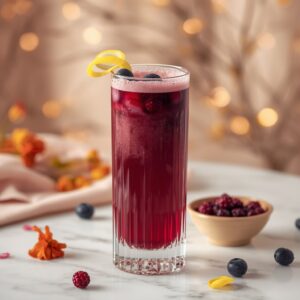
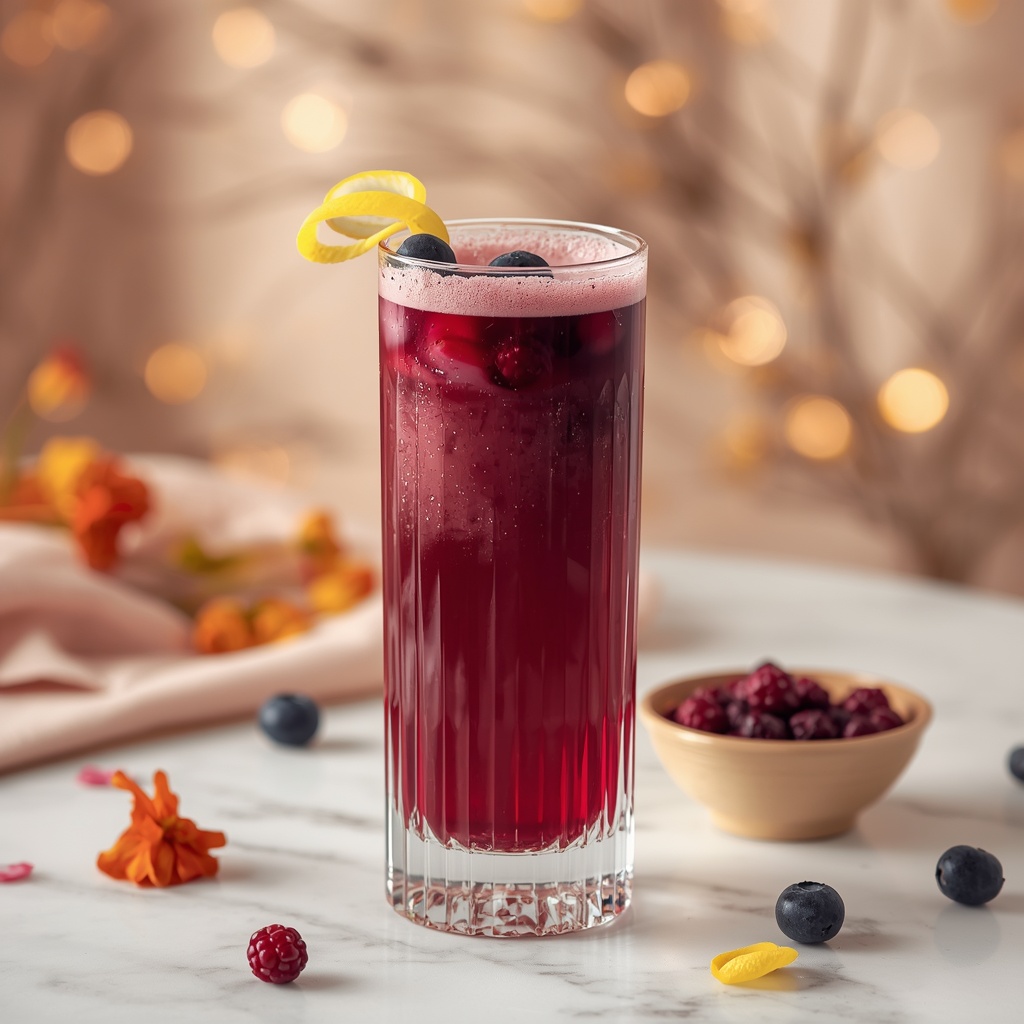
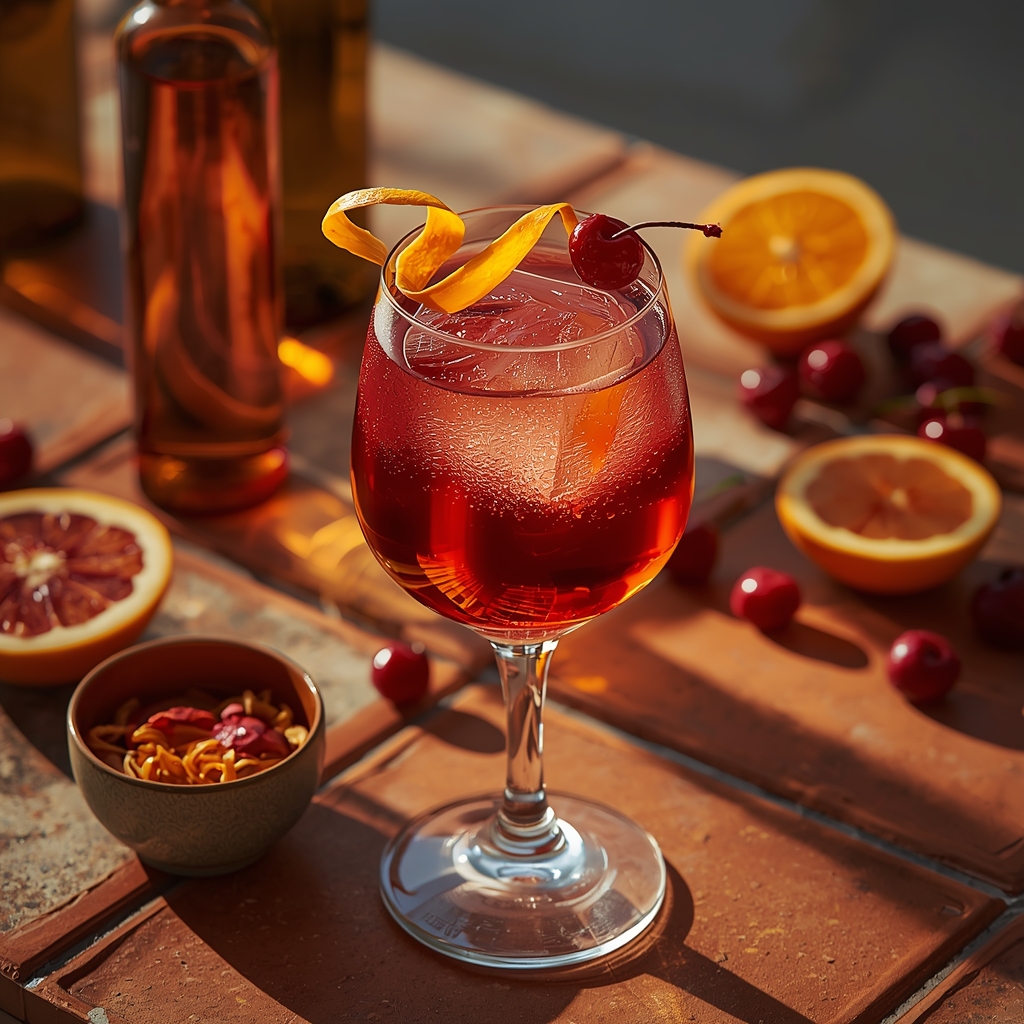
•For garnish: 1 long orange peel twist + 1 tart cherry
Instructions
1.Open the Pycnogenol and citrus bioflavonoid capsules into a small bowl. Whisk the powder with 2 tbsp of warm (not hot) water until you have a smooth slurry. Tip: Water above 60°C (140°F) can degrade heat-sensitive polyphenols — keep it warm, not boiling.
2.Add the rosehip powder to the slurry and stir until fully dissolved.
3.Pour the slurry, tart cherry juice, orange juice, and cold filtered water into a cocktail shaker. Add the monk fruit drops.
4.Seal and shake vigorously for 15 seconds. Tip: The vigorous shake emulsifies the capsule powders for a smoother mouthfeel.
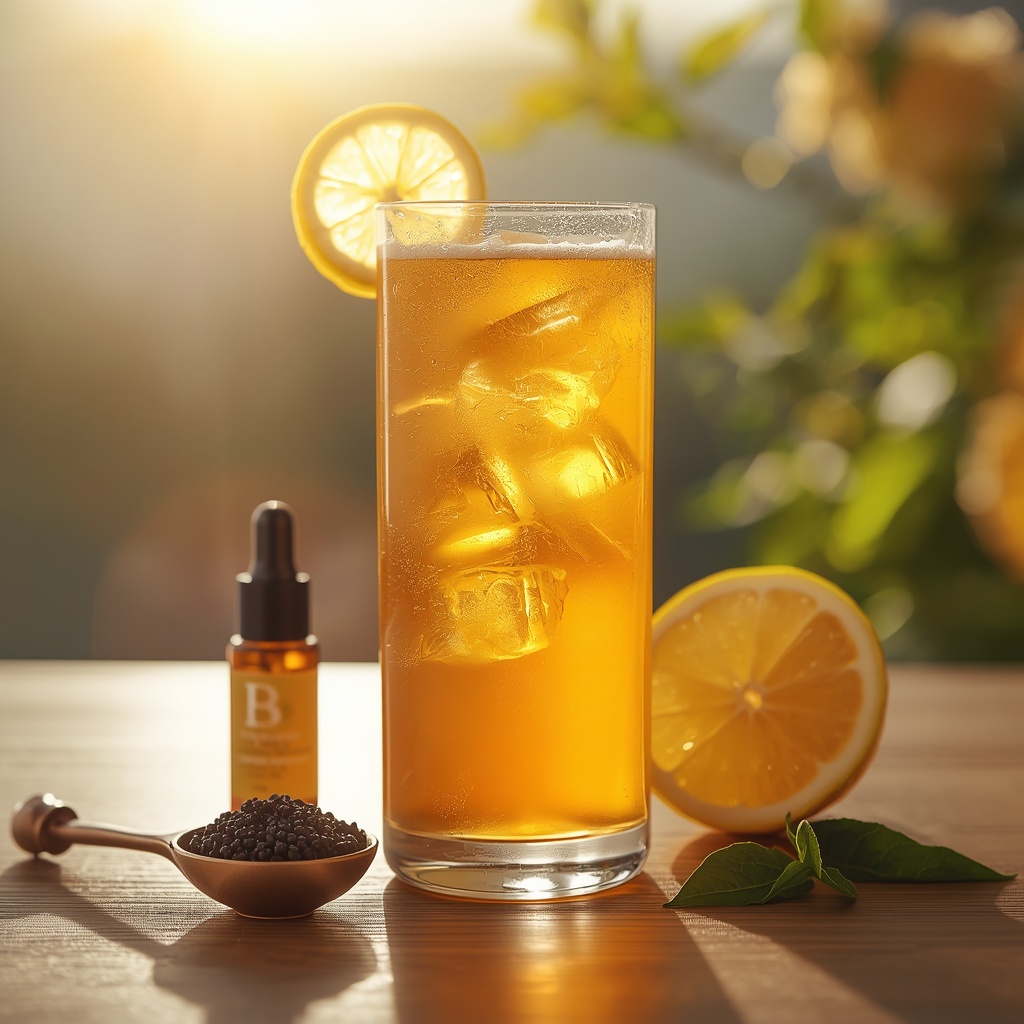
5.Strain through a fine-mesh sieve into a tall ruby-amber glass over 2 ice cubes, to remove any capsule residue.
6.Garnish with a long orange peel twist curled around the rim and a single tart cherry on the glass edge. Serve immediately.
⏱ Consistency tip: Pycnogenol requires sustained intake — clinical trials typically run 8–12 weeks to observe meaningful changes in leg heaviness and capillary resilience. Think of this as a long-term ritual, not a one-off remedy.
Variations
| 🌱 Vegan | Already 100% plant-based — no substitutions needed. |
| 🚫🍬 Sugar-Free | Already sugar-free. Monk fruit drops provide zero-glycemic sweetness. |
| ❄️ / 🔥 Cold / Warm | Cold preferred for daily use. In winter, serve warm with an extra squeeze of lemon. |
| 💪 Boosted | Add 1 g grape seed extract for stacked OPC synergy on heavy-leg days. |
Estimated cost per serving: $2.40–$3.50 (supplements amortized across 30+ servings per bottle)
Ready to Armor Your Circulation?
Try the Pine Bark Citrus Armor tonight and notice how your legs feel after two weeks of daily use. Small, consistent rituals build the vascular resilience that heavy legs have been asking for.
📌 Save this recipe on Pinterest so you can find it when your legs need it most!
| ⚠️ Important DisclaimerThis article is for informational purposes only and does not constitute medical advice. Always consult a qualified healthcare professional before making dietary changes, especially if you have a medical condition.Blood-thinner warning: Pycnogenol (French maritime pine bark extract) has documented antiplatelet and mild anticoagulant properties. If you are taking blood-thinning medications such as warfarin (Coumadin), aspirin, clopidogrel, or any other anticoagulant or antiplatelet drug, do NOT consume Pycnogenol without explicit approval from your physician. Combining Pycnogenol with blood thinners may increase bleeding risk. |