The Pale Blush Drink That Fights the Real Cause of Collagen Breakdown
Sugar is silently aging your skin — and sunscreen alone will not stop it.
When biochemists talk about the real driver of collagen breakdown and age-related skin stiffening, they keep coming back to one word: glycation. It is not a skincare buzzword — it is a documented molecular process in which glucose molecules bond irreversibly to collagen and elastin fibers, forming harmful compounds called Advanced Glycation End-products (AGEs). The result? Skin that wrinkles faster, yellows, loses elasticity, and resists regeneration.
This White Tea Anti-Glycation Elixir is formulated around three clinically studied anti-glycation compounds — white tea catechins, pomegranate ellagic acid, and hibiscus anthocyanins — layered together to intercept glycation at every stage. It costs under $8 per serving and takes 7 minutes to prepare.
| Prep: 7 min | Serves: 1 | Goal: Anti-Aging & Collagen Protection | Difficulty: Intermediate |
The Science That Changed How We Think About Aging Skin
In 1912, French chemist Louis-Camille Maillard was studying amino acids when he observed something unexpected: at elevated temperatures, sugars and proteins react together to create new brown compounds. The “Maillard reaction” became a cornerstone of food science — it explains why bread crusts turn golden, why seared meat develops complex flavors, and why roasted coffee smells irresistible.
For decades, researchers studied it only in kitchens and food manufacturing. Then, in the 1980s and 1990s, biochemists made an unsettling discovery: the exact same reaction was occurring inside the human body — silently, at body temperature, over decades. Dietary sugars were binding to the body’s structural proteins, including skin collagen and elastin, generating the same class of compounds: AGEs.
By the early 2000s, dermatological research confirmed that AGE accumulation in the dermis directly correlates with skin yellowing, cross-linking of collagen fibers (the structural cause of deep wrinkles), reduced skin elasticity, and impaired wound healing. The more AGEs accumulate, the stiffer and more fragile the collagen matrix becomes — and conventional antioxidants do almost nothing to stop it.
That gap in skin protection is exactly what this elixir was formulated to address.
Why This Elixir Works (According to Science)
Each ingredient targets a distinct phase of the glycation cascade, creating a layered defense that conventional antioxidant drinks do not replicate.
White Tea Catechins — Blocking Glycation at the Source
White tea (Silver Needle or Bai Mu Dan) contains the highest polyphenol density of any tea type. Its key catechins — EGCG and ECG — inhibit the very first step of glycation by trapping reactive carbonyl species before they can bond to collagen. A 2009 study published in Food Chemistry demonstrated that white tea extract inhibited AGE formation more effectively than green tea at equal doses.[1] Critical temperature note: steep at 175°F maximum — boiling water destroys these delicate catechins entirely.
Pomegranate Ellagic Acid — Protecting Collagen Architecture
Pure pomegranate juice provides ellagic acid, a polyphenol that works differently from catechins: it binds directly to protein carbonyl groups and prevents cross-linking of adjacent collagen strands — the molecular event responsible for deep structural wrinkles. A cell study published in Experimental Dermatology (2010) found that ellagic acid reduced AGE-induced MMP-1 (collagenase) expression by 45%.[2] Use 100% pure juice only — no added sugar, which would directly drive the glycation you are trying to prevent.
Hibiscus Anthocyanins — Calming AGE-Driven Inflammation
Once AGEs have formed, they trigger a secondary inflammatory cascade via NF-κB activation that accelerates collagen breakdown independently of further glycation. Hibiscus flowers provide delphinidin and cyanidin — anthocyanins that reduce NF-κB-mediated inflammation in glycated skin tissue. A 2016 study in Food & Functionconfirmed their role in dampening this AGE-induced inflammatory damage.[3] The low dose used here (½ tsp) is deliberate — hibiscus at high doses can add excessive tartness and disrupt the delicate catechin balance.
| 💡 Did You Know? The AGE–Skin Color ConnectionAdvanced Glycation End-products are literally yellow-brown in color. As they accumulate in skin collagen over decades, they impart a yellowish, dull tone to the complexion — a change often mistaken for “natural” aging. AGEs also make collagen fibers rigid and brittle, reducing the skin’s ability to bounce back after deformation. Sun damage accelerates AGE formation in UV-exposed areas, which is why protecting against glycation is as important as sunscreen for long-term skin health. |
The Synergy: White tea catechins block the early carbonyl-amine reaction that initiates glycation. Ellagic acid from pomegranate prevents collagen cross-linking at the structural level. Hibiscus anthocyanins reduce the inflammatory damage from AGEs that have already formed. Together, they deliver pre-emptive, structural, and repair-phase anti-aging support in a single glass.
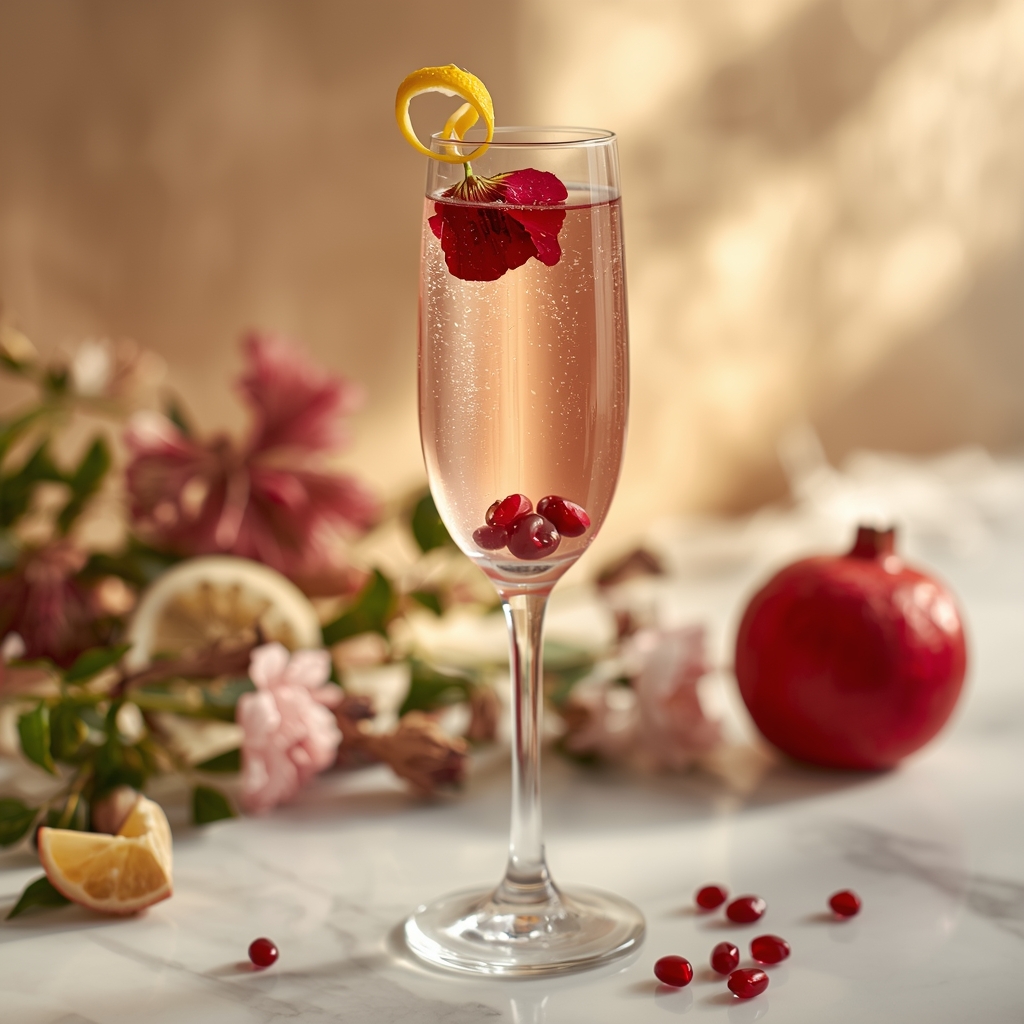
Recipe: White Tea Anti-Glycation Elixir
| Prep Time | Servings | Difficulty | Cost/Serving |
| 7 minutes | 1 | Intermediate | $5–8 |
Ingredients
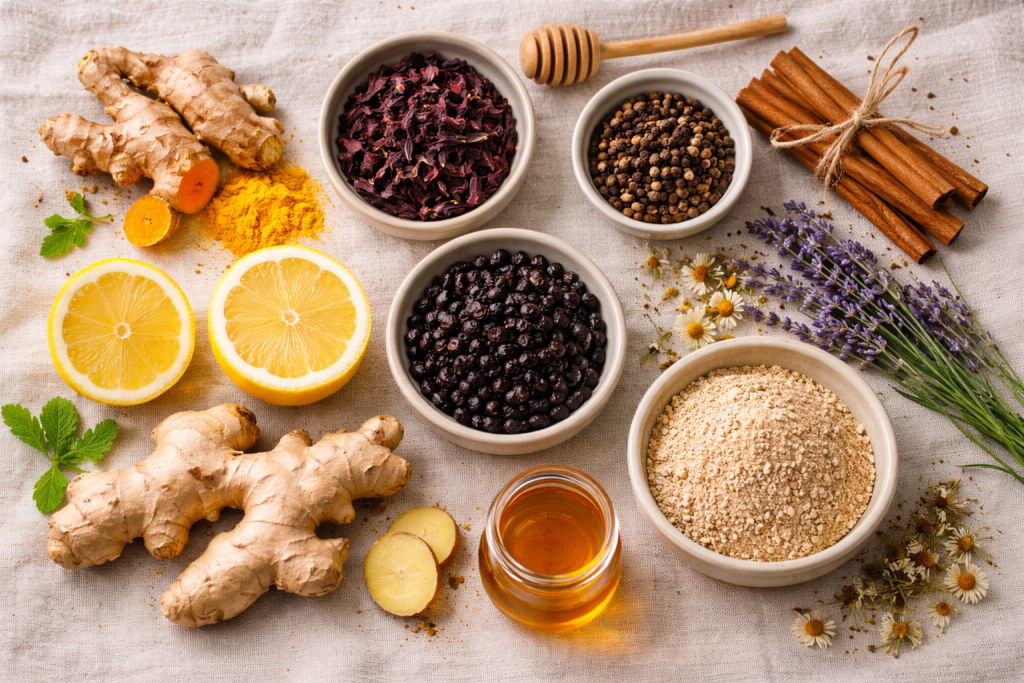
- 2 tsp loose white tea (Silver Needle or Bai Mu Dan) or 2 tea bags — highest catechin-to-caffeine ratio of all teas
- 2 oz pure pomegranate juice (100%, no added sugar) — ellagic acid for collagen cross-link prevention
- ½ tsp dried hibiscus flowers — low-dose anthocyanins for AGE-triggered inflammation control
- 6 oz filtered water
- 1 tsp fresh lemon juice — citric acid and ascorbate chelate metal ions that catalyze glycation
- 2–3 drops pure monk fruit extract (ONLY sweetener allowed — zero sugar, zero glycation trigger)
| IMPORTANT: Zero added sugar. No honey, agave, maple syrup, or cane sugar. All conventional sweeteners drive the glycation this drink is designed to prevent. Monk fruit extract is the only acceptable sweetener. |
Instructions
- Heat water to 175°F (79°C). Do NOT bring to a boil — boiling destroys delicate white tea catechins. Steep white tea and hibiscus flowers together for exactly 5 minutes, then remove and strain.
- Let the tea cool for 2–3 minutes, then stir in the pomegranate juice and fresh lemon juice.
- Add 2–3 drops of monk fruit extract. Taste: the result should be lightly floral, subtly fruity, and refreshing.
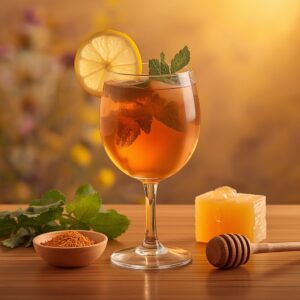
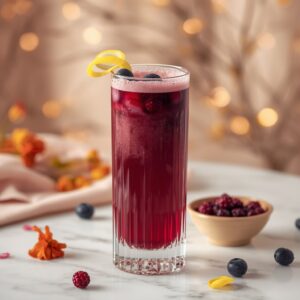
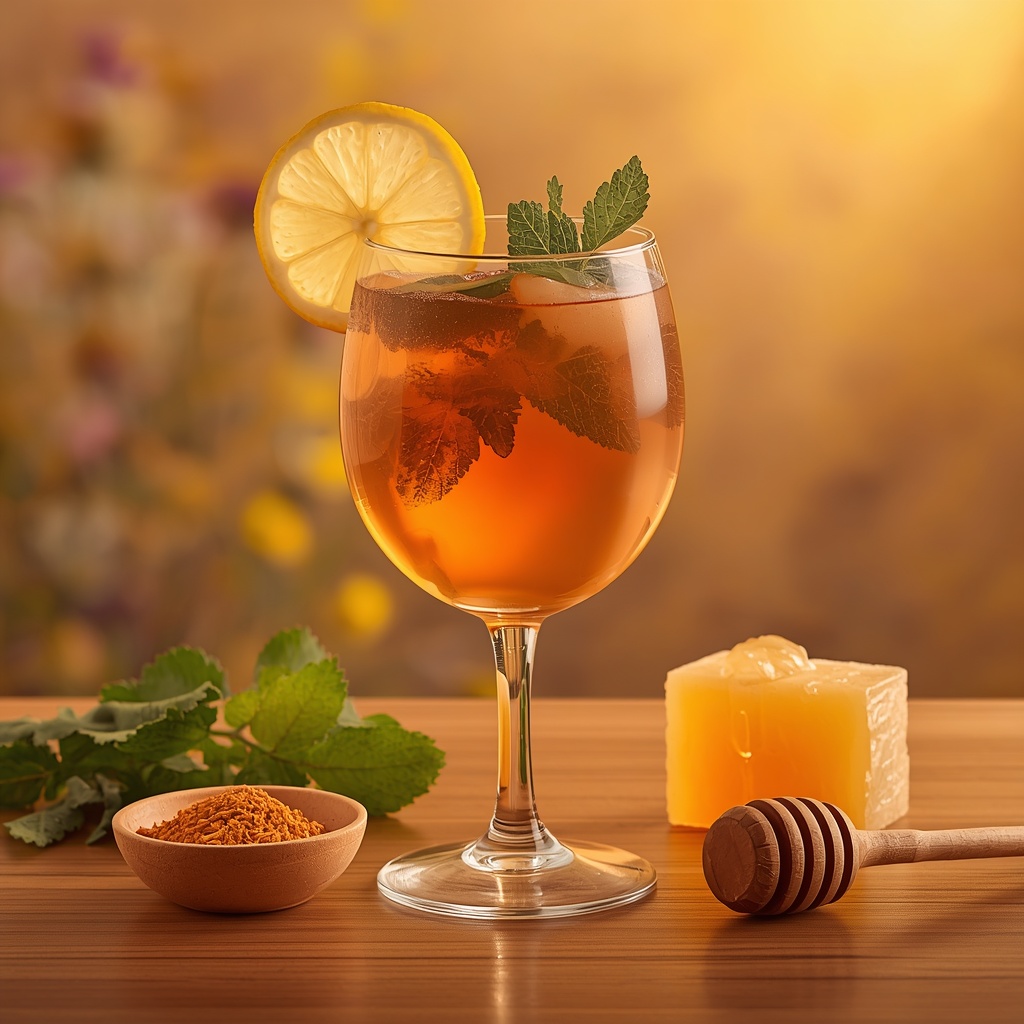
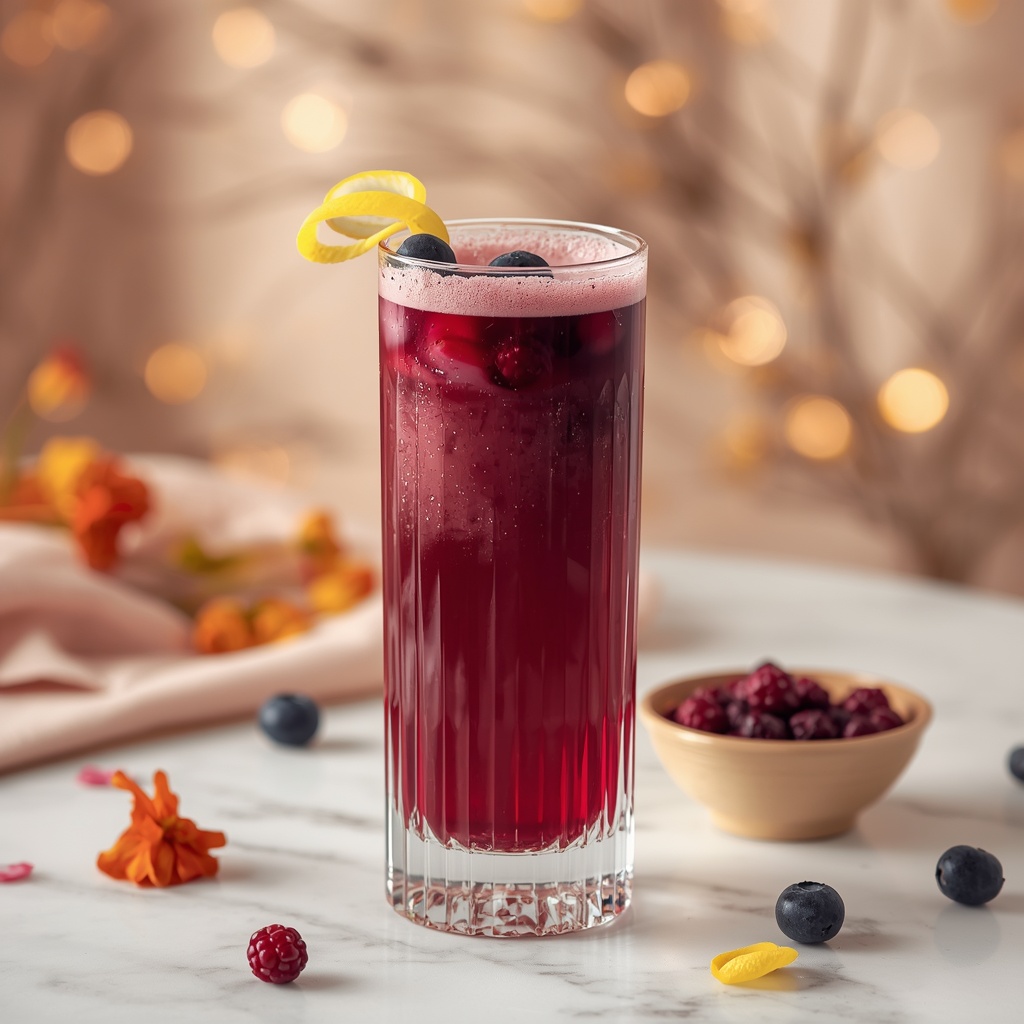
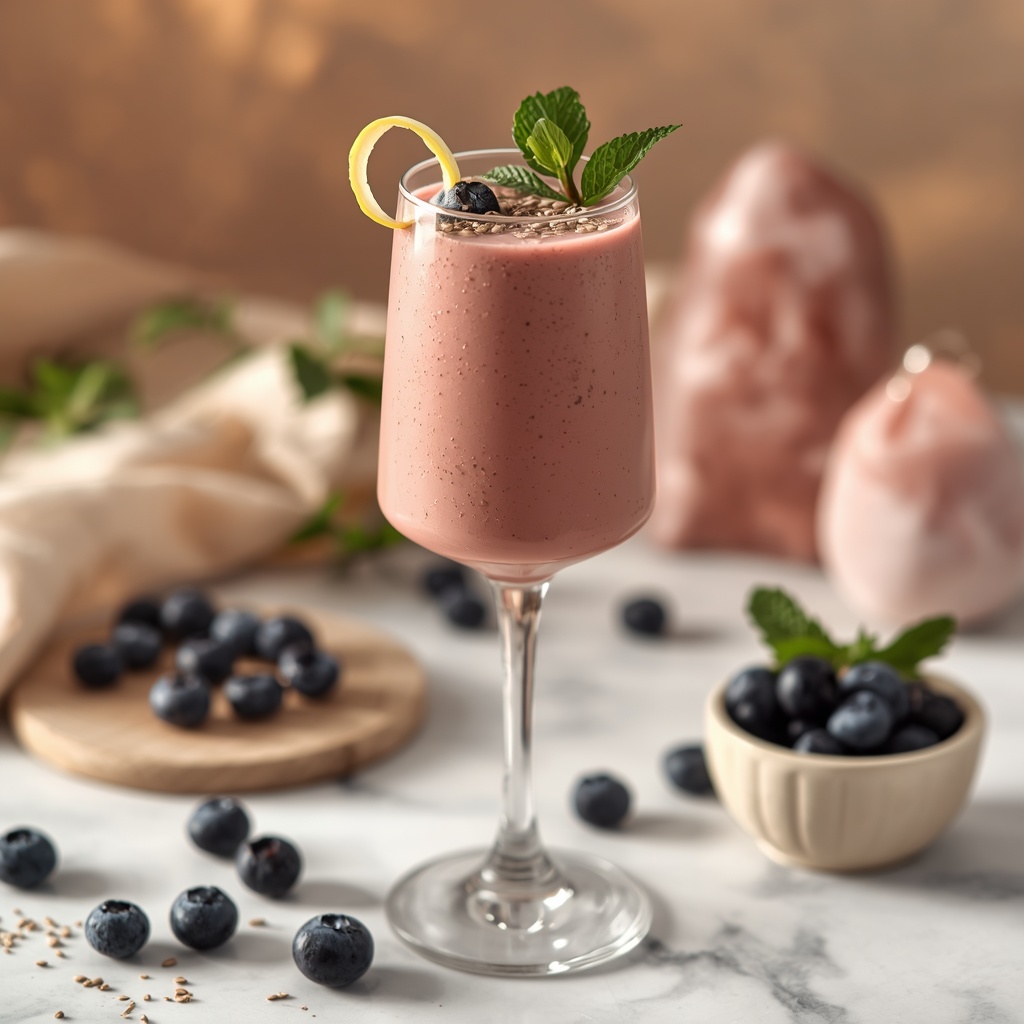
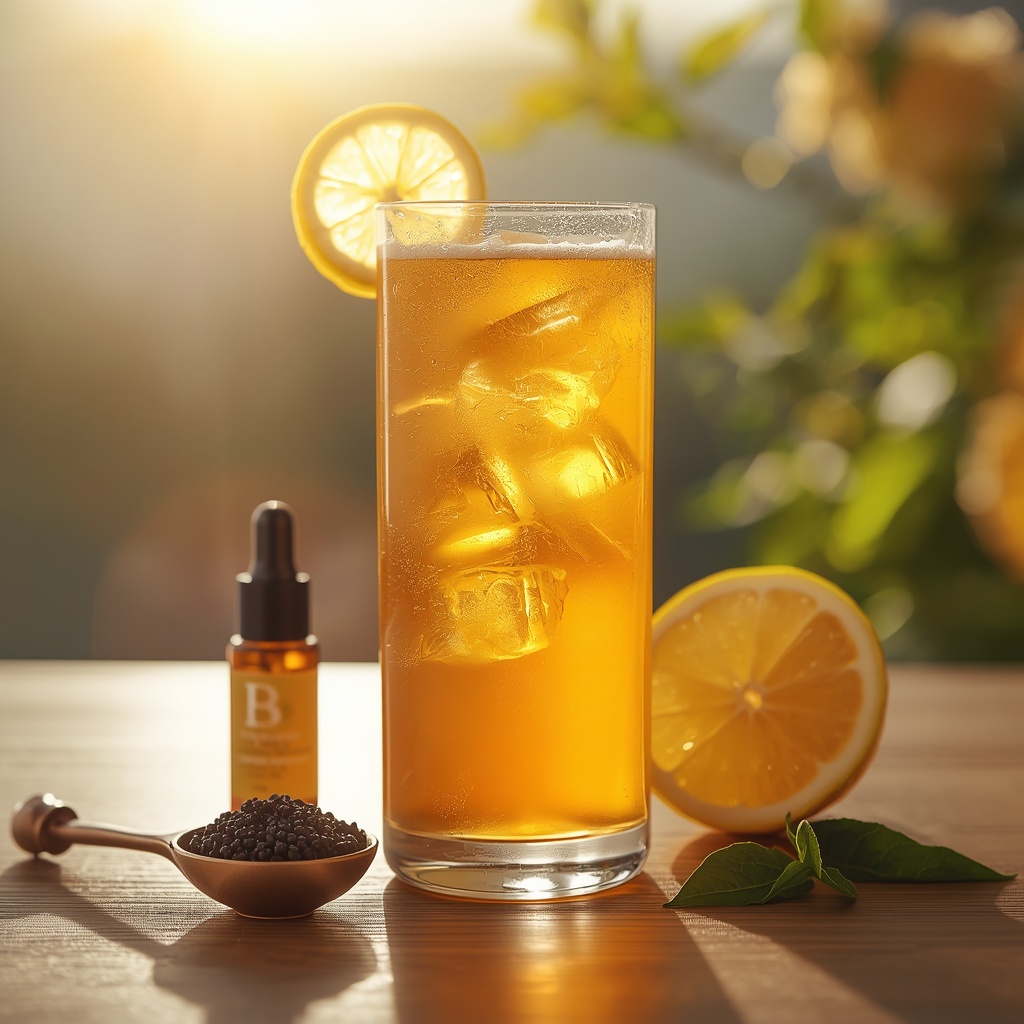
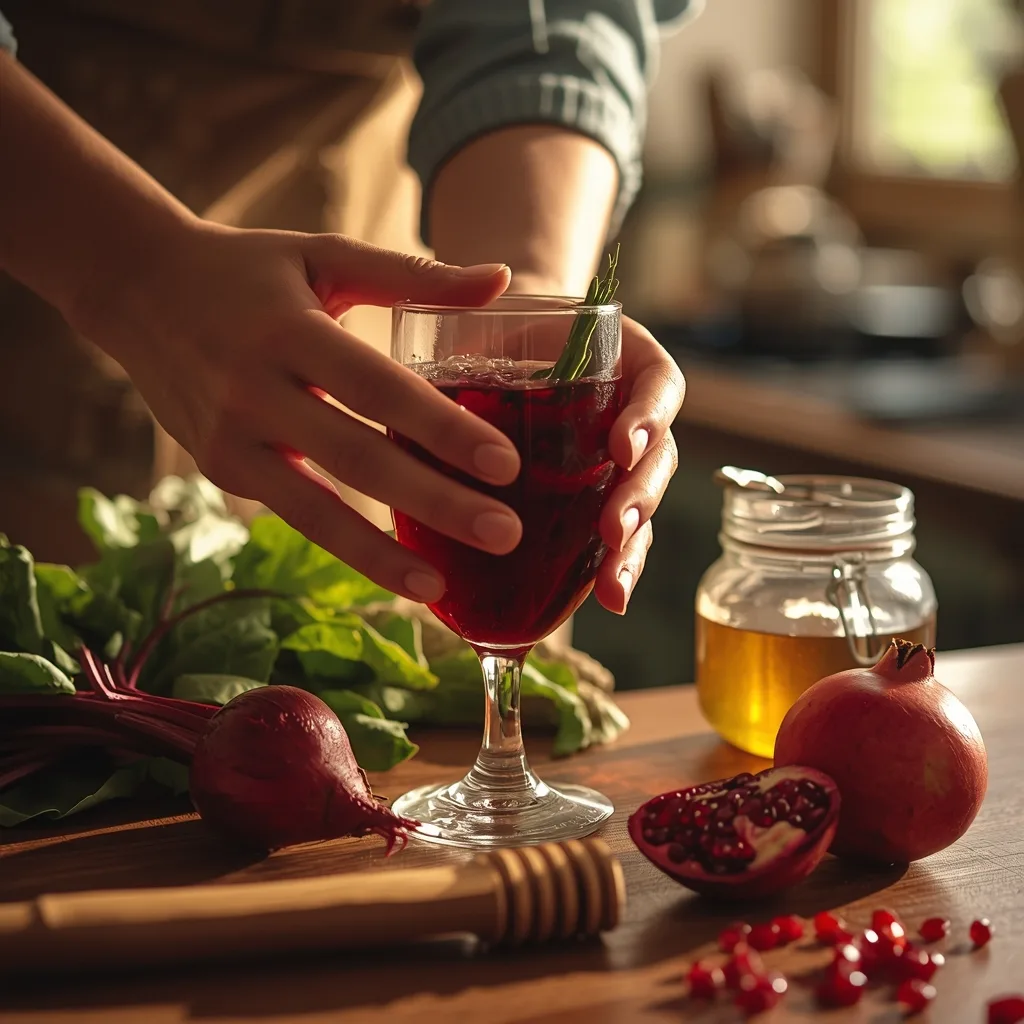
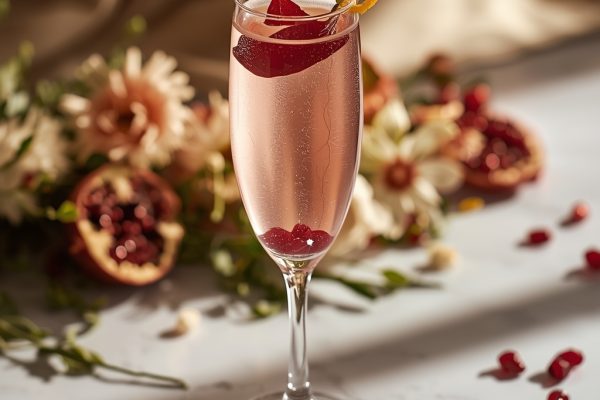
- Pour over ice in a crystal-clear wine glass or champagne flute. The pale blush-rose color is luminous — garnish with a dried hibiscus petal, a few pomegranate arils, and a lemon zest twist for a beautiful presentation.
- Consume daily in the morning or afternoon. White tea is low in caffeine (~15–25 mg per serving). Allow 3+ months of consistent daily use for observable skin benefits.
| Tips & VariationsTemperature is everything: Use a thermometer or let boiling water cool for 3–4 minutes to reach ~175°F.Cold-brew overnight method: Combine white tea, hibiscus, and cold filtered water in a sealed jar. Refrigerate 8–12 hours. Strain, add pomegranate juice, lemon, and monk fruit. No temperature management needed.Vegan-friendly: 100% plant-based as written.Boosted version: Add ½ tsp carnosine supplement powder (dipeptide shown to inhibit AGE formation) for an advanced anti-glycation stack.Best served over ice in a clear glass — the blush-rose color and visual clarity are part of the experience. |
Start Protecting Your Collagen — Today
Glycation is slow, cumulative, and largely invisible — until it isn’t. The best time to start defending your skin from AGEs was years ago. The second best time is right now, with a glass that takes 7 minutes to make and costs less than your morning coffee.
| Save This Recipe on Pinterest“Sugar Aging Your Skin? Try This WHITE TEA ANTI-GLYCATION ELIXIR That Fights the Real Cause of Collagen Breakdown”“Why Biochemists Are Excited About Catechins and Ellagic Acid for Natural Anti-Glycation Skin Protection”“The Pale Blush Elixir That May Protect Your Collagen From Sugar Damage — Every Single Day” |
| Get Weekly Healer Recipes in Your InboxSubscribe to the DrinkHealer newsletter for new science-backed recipes, ingredient deep-dives, and exclusive formulation guides. No spam, no filler — just functional wellness, weekly. |
| Medical DisclaimerThis article is for informational and educational purposes only. The recipes and claims presented on DrinkHealer have not been evaluated by the Food and Drug Administration. This content is not intended to diagnose, treat, cure, or prevent any disease or medical condition. Always consult a qualified healthcare professional before making significant changes to your diet, especially if you are pregnant, nursing, taking medications, or have an existing health condition. Individual results may vary. |
[1]White tea catechins vs. glycation — Food Chemistry, 2009: https://pubmed.ncbi.nlm.nih.gov/19344522/
[2]Ellagic acid & MMP-1 (collagenase) — Experimental Dermatology, 2010: https://pubmed.ncbi.nlm.nih.gov/20579207/
[3]Hibiscus anthocyanins & NF-κB / AGE inflammation — Food & Function, 2016: https://pubmed.ncbi.nlm.nih.gov/27063046/