

What if your gut’s missing enzymes were hiding inside a simple fruit you’ve been eating all wrong? The Papaya Enzyme Surge is a plant-based digestive tonic that delivers three distinct proteolytic enzymes — papain, bromelain, and zingibain — working in concert to mirror the enzymatic diversity of healthy pancreatic secretions.
| ⏱ Prep Time | 👥 Serves | 💚 Goal | ⭐ Difficulty |
| 5 minutes | 1 | Digestive Enzyme Support | Easy |
A Thousand Years of Digestive Wisdom
Long before enzyme supplements lined pharmacy shelves, healers in Southeast Asia and Central America were wrapping meat in papaya leaves to tenderize it and prescribing unripe papaya juice to patients struggling with indigestion. In the Philippines and Thailand, green papaya salad isn’t just a culinary staple — it has been used for centuries as a postpartum digestive aid. The Mayans reportedly used papaya sap as a wound treatment and digestive remedy. Even Spanish and Portuguese colonizers noted how indigenous populations chewed unripe papaya to ease stomachaches after heavy meals.
It wasn’t until 1879 that chemist Vicente Marcano first isolated the enzyme responsible — papain — from the milky latex of unripe Carica papaya. Scientists quickly recognized it as a powerful protease, capable of breaking down proteins at a range of pH levels far broader than most gastric enzymes. Pineapple growers in Hawaii, meanwhile, had long noticed that workers handling raw pineapple core developed smoother, almost fingerprint-free hands: a sign of bromelain dissolving surface proteins. Today, these traditional observations have been validated by peer-reviewed research — and this tonic brings them together in a single glass.
Why This Tonic Works (According to Science)
Green Papaya — Papain
Active compound: Papain (cysteine protease). Papain is a serine-type protease that cleaves peptide bonds across a broad pH range (pH 5–8), closely mirroring the action of pancreatic trypsin and chymotrypsin. This means it keeps working even when stomach acid production is low — a common issue in people with pancreatic insufficiency or chronic bloating. A double-blind randomized controlled trial published in Neuro Endocrinology Letters (2013) demonstrated that papain supplementation significantly reduced bloating, flatulence, and abdominal pain compared to placebo.
Pineapple Core — Bromelain
Active compound: Bromelain (sulfhydryl protease complex). The core of the pineapple — not the flesh — contains the highest concentration of bromelain, a protease with both digestive and anti-inflammatory activity. It helps break down proteins and has been shown to reduce inflammation in the pancreatic duct, supporting enzyme secretion. A meta-analysis published in Biomedical Reports (2016) confirmed bromelain’s benefits in conditions adjacent to pancreatic exocrine insufficiency and highlighted its anti-inflammatory role in digestive tissue.
Fresh Ginger — Zingibain
Active compound: Zingibain (cysteine protease) + gingerols. Ginger brings a third class of proteolytic enzyme — zingibain — which exhibits both collagenolytic and fibrinolytic activity. Beyond enzymatic action, gingerols and shogaols in ginger directly stimulate bile flow and upregulate the secretion of endogenous pancreatic enzymes including lipase and amylase. Research published in Molecular Nutrition & Food Research (2012) confirmed ginger’s ability to upregulate digestive enzyme secretion, making it a genuine synergistic catalyst in this formula.
| 💡 Did You Know? The human pancreas secretes over 20 different digestive enzymes daily — but many people with bloating, food intolerances, or chronic fatigue after meals produce far fewer than needed. Exocrine pancreatic insufficiency (EPI) is far more common than diagnosed, and even mild enzyme deficiencies can dramatically impair protein and fat absorption. Plant-based enzymes like papain and bromelain are uniquely stable across a wide pH range, meaning they remain active through the stomach and into the small intestine — exactly where nutrient absorption happens. |
The real power of this tonic lies in synergy: papain, bromelain, and zingibain each target slightly different peptide bonds and operate optimally at different pH levels. Together, they provide comprehensive proteolytic coverage that approaches the diversity of a healthy pancreatic secretion — in a $3–5 glass you can prepare in five minutes.
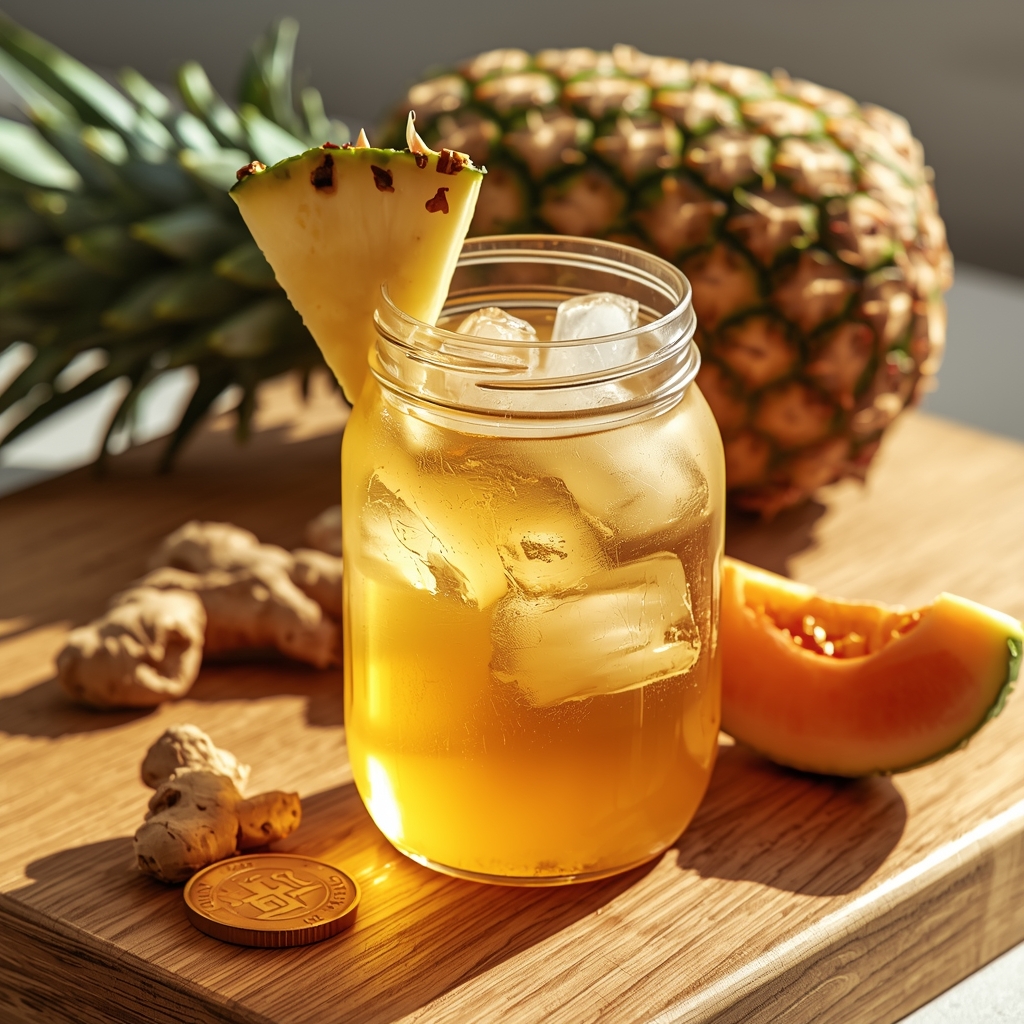
Recipe: Papaya Enzyme Surge
Budget: $3–5 per serving | Category: Gut & Detox | Health Target: Pancreatic Enzyme Support, Maldigestion, Bloating & Nutrient Absorption
Ingredients
- Green papaya powder (or fresh unripe/green papaya, juiced) — 1 tsp powder or 2 oz juice. Use GREEN (unripe) papaya only — it contains the highest papain concentration and lowest sugar. Find at Asian grocery stores, Amazon, or Whole Foods.
- Fresh pineapple — CORE preferred, juiced — 2 oz juice. The core is the richest source of bromelain. Discard the flesh or save for a smoothie; juice the core separately for this recipe.
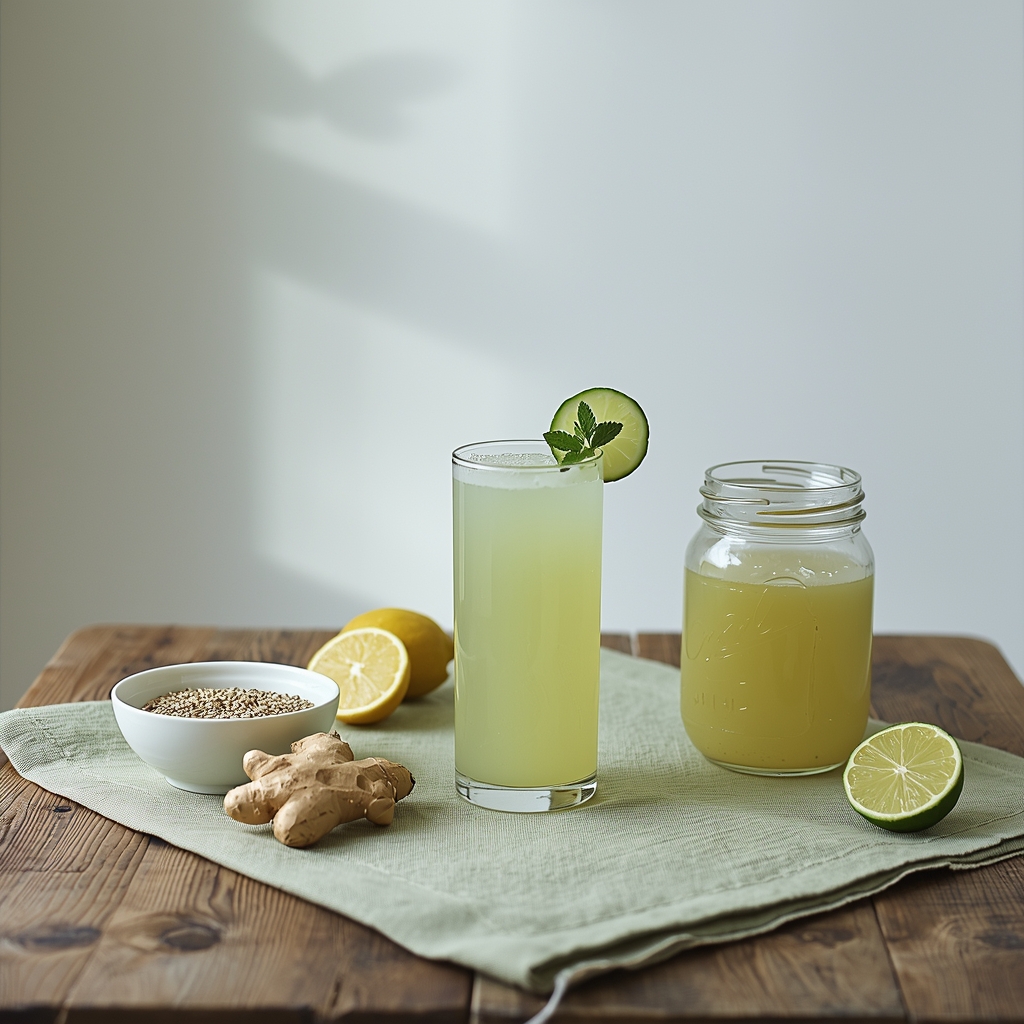
- Fresh ginger juice or finely grated ginger — 1 tsp. Provides zingibain protease and stimulates bile flow and lipase secretion. Available at any grocery store.
- Filtered water — 4 oz. Use filtered or spring water; avoid carbonated water.
- Fresh lemon juice — 1 tsp. Mild acidity (pH ~2–3) helps prime the optimal pH range for papain activity (pH 5–8) and provides antioxidant vitamin C.
| ⚠️ Never heat this drink — papain, bromelain, and zingibain are heat-sensitive enzymes that denature above 140°F (60°C). Always serve room temperature or slightly chilled. |
Instructions
- If using fresh green papaya: peel a 1–2 inch section of unripe papaya and pass it through a juicer. Aim for 2 oz of juice. If using powder: dissolve 1 tsp of green papaya powder in 1 oz of filtered water and stir until fully dissolved.
- Juice the core of a fresh pineapple. Aim for 2 oz of juice. Tip: Cut the core into smaller pieces for easier juicing. The core should be firm and slightly white — that’s where bromelain concentration is highest.
- Juice fresh ginger or finely grate it and squeeze through a small strainer to extract 1 tsp of ginger juice.
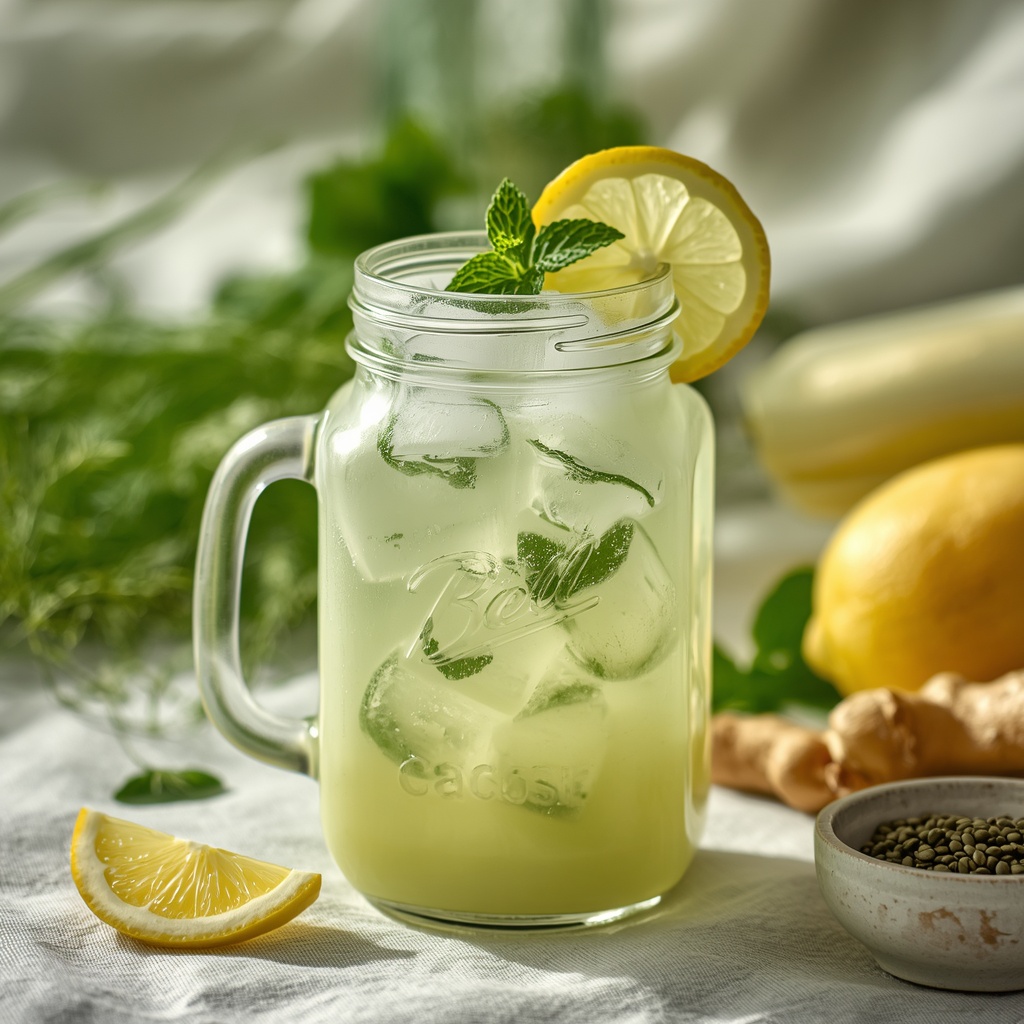
- Combine papaya base, pineapple core juice, ginger juice, filtered water, and lemon juice in a shaker, mason jar, or glass. Shake or stir vigorously for 30 seconds.
- Consume 10–15 minutes before a protein-heavy meal, or immediately after eating. Do not heat. Serve at room temperature or slightly chilled for best enzyme activity.
Variations
- Sugar-Free Version: Replace pineapple juice with ½ tsp bromelain supplement powder dissolved in water + a few drops of liquid stevia.
- Boosted Protocol: Add 1 tsp ox bile supplement after physician consultation — particularly beneficial for those with documented fat malabsorption or post-cholecystectomy.
- Ginger-Forward: Double the ginger to 2 tsp for enhanced bile stimulation and a stronger anti-nausea effect.
Ready to Support Your Gut? Try It Before Your Next Meal
This tonic takes five minutes to make and costs less than a cup of specialty coffee. Blend it into your pre-meal routine for two weeks and pay attention to how your body responds after protein-heavy meals. If you try it, save it to your Pinterest boards — search “DrinkHealer Gut Detox” for more enzyme-supporting recipes. And if gut health is a priority for you, subscribe to the DrinkHealer newsletter for weekly tonic recipes backed by real science.
| ⚠️ Medical Disclaimer: This article is for informational and educational purposes only and does not constitute medical advice. The Papaya Enzyme Surge tonic is not intended to diagnose, treat, cure, or prevent any disease or medical condition. Always consult a qualified healthcare provider before making changes to your diet, especially if you are pregnant, breastfeeding, taking medications (including anticoagulants — bromelain may interact with blood thinners), or have a diagnosed digestive condition such as pancreatitis, pancreatic insufficiency, or GERD. Individual results may vary. |