
Built for the unique 9-out-of-10-women-affected world of PBC — to support liver function alongside UDCA, never replace it.
Primary biliary cholangitis (PBC) is one of those autoimmune diseases hardly anyone talks about — except for the women who have it. It almost exclusively affects middle-aged women, attacks the small bile ducts inside the liver, and progresses slowly until it doesn’t. The mainstay treatment, ursodeoxycholic acid (UDCA), works for many but not all. And the symptoms that often define daily life — relentless fatigue and maddening pruritus (itch) — frequently aren’t addressed at all.
This recipe was built for the early-phase PBC window, when adjunctive nutritional support has the most leverage. It does not replace UDCA. It works alongside it.
| ⏱ Prep: 5 min | 👥 Serves: 1 | 💚 Goal: Hepatic support | ⭐⭐ Intermediate |
A Disease Hiding Behind “Just Tired”
Most women diagnosed with PBC remember the same scene. They’re exhausted in a way coffee can’t fix. Their skin itches at night for no reason. Their liver enzymes come back abnormal on a routine blood draw. Then a hepatologist runs an antimitochondrial antibody (AMA) test — and ninety-five percent of PBC patients are AMA-positive.
PBC was originally called “primary biliary cirrhosis” — a name that was changed in 2015 because it scared patients with a word (“cirrhosis”) that didn’t reflect early disease. Today, the prognosis is dramatically better than it used to be: with UDCA, most patients live near-normal lifespans. But that’s the medical story. The lived story is different.
The fatigue doesn’t care that your enzymes are responding to UDCA. The pruritus can wake you at 3 AM. Vitamin D and fat-soluble vitamin deficiencies are common. Bone health declines. This is exactly where nutrition earns its place — coordinated carefully with hepatology.
Why This Cocktail Works (According to Science)
PBC is autoimmune destruction of small bile ducts, which means impaired bile flow, oxidative stress on hepatocytes, and frequently low fat-soluble vitamins. Four ingredients in this elixir target those exact pathways.
- Milk thistle (silymarin) — A Cochrane review and multiple trials in Phytotherapy Research document silymarin’s hepatoprotective effects in liver disease. Standardized to 80% silymarin, it acts as an antioxidant, supports hepatocyte regeneration, and stabilizes hepatocyte membranes against bile-acid damage.
- Choline bitartrate — Research in the Annual Review of Nutrition establishes choline as essential for hepatic phospholipid synthesis — the structural component of cell membranes. Many PBC patients run low.
- Vitamin D3 + K2 — Low vitamin D is documented in PBC (Journal of Hepatology) and is associated with worse disease progression. Combining it with K2 supports bone health, which is critical given PBC’s strong association with osteoporosis.
- Mixed tocopherols (vitamin E) — Documented in Hepatology as antioxidant support in chronic liver disease. Mixed tocopherols (not just alpha-tocopherol) provide a broader spectrum of protection.
| 💡 Did You Know? PBC affects women nine times more often than men, and there’s a striking geographic clustering — rates are far higher in the Pacific Northwest, parts of the UK, and Scandinavia than in equatorial regions. Researchers suspect a combination of latitude-related vitamin D deficiency and environmental triggers, but the exact cause remains one of the great open questions of autoimmune medicine. |
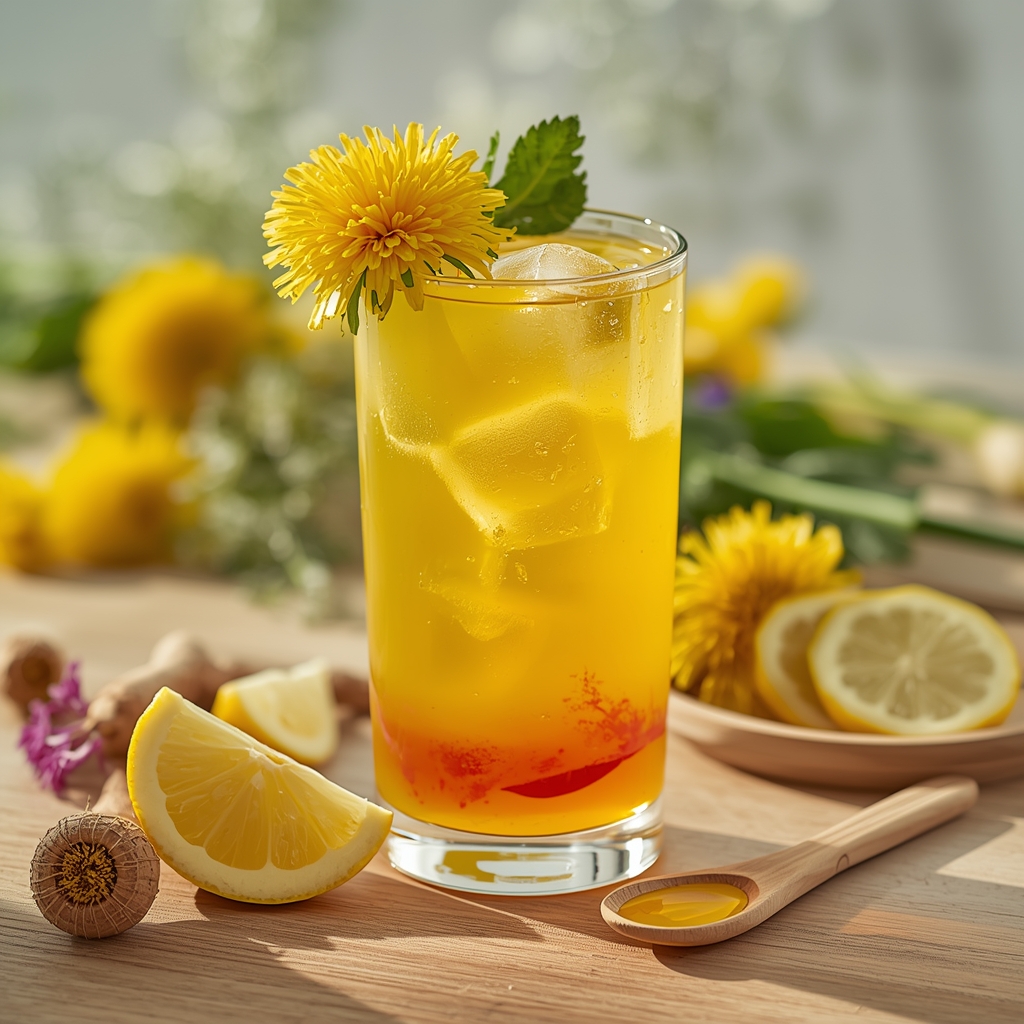
Recipe: Bile Bloom Revival
| ⏱ Prep: 5 min | 👥 Serves: 1 (10 oz) | 🟡 Intermediate | 💚 Gut & Detox |
Ingredients
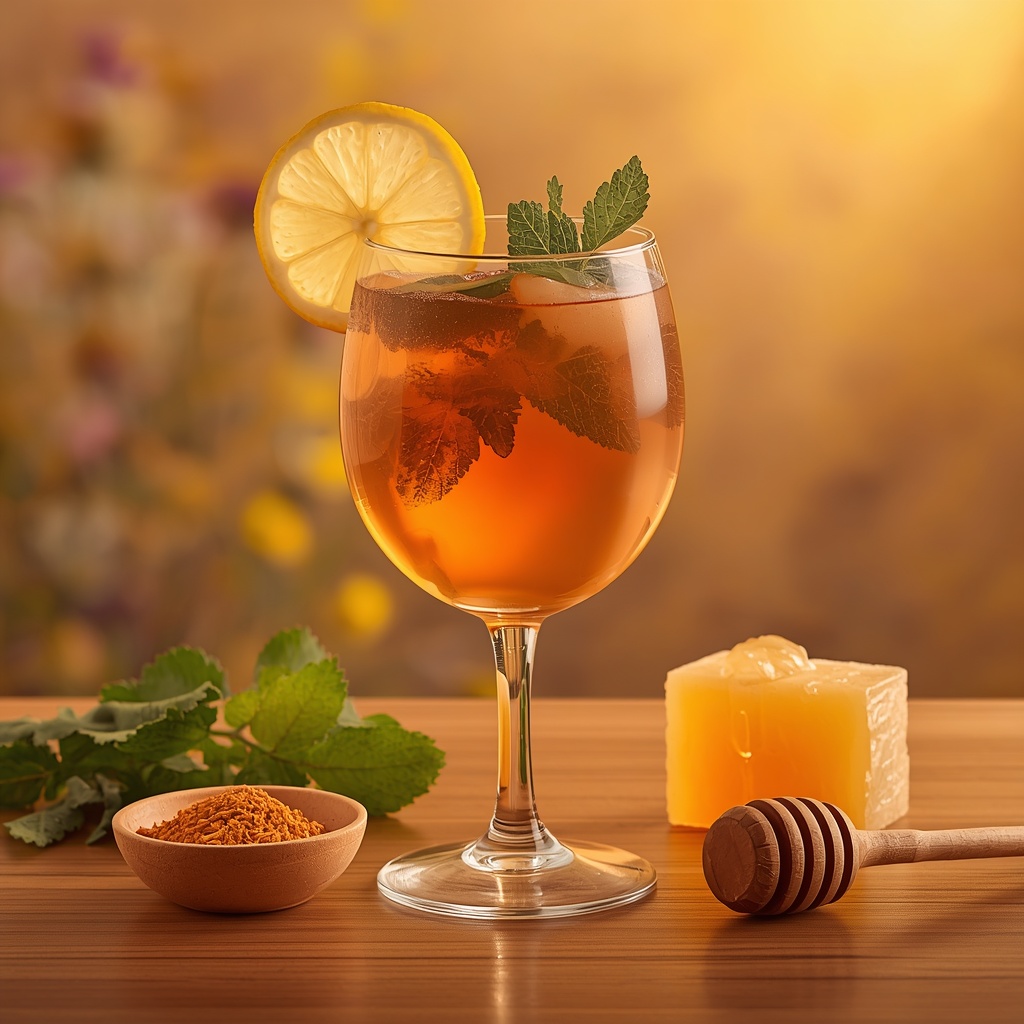
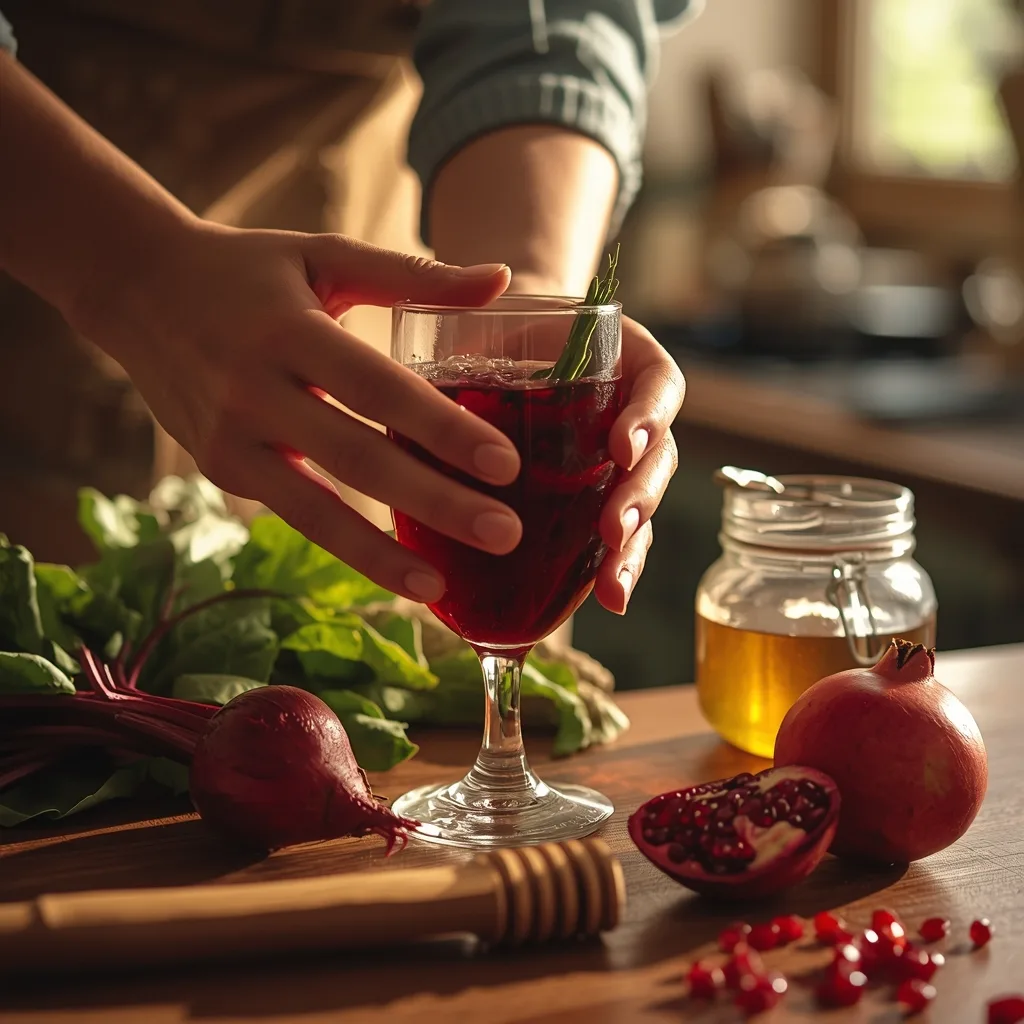
- 6 oz cooled dandelion root tea (steep 1 bag in 8 oz hot water 8 min, cool 5 min)
- 2 oz filtered water
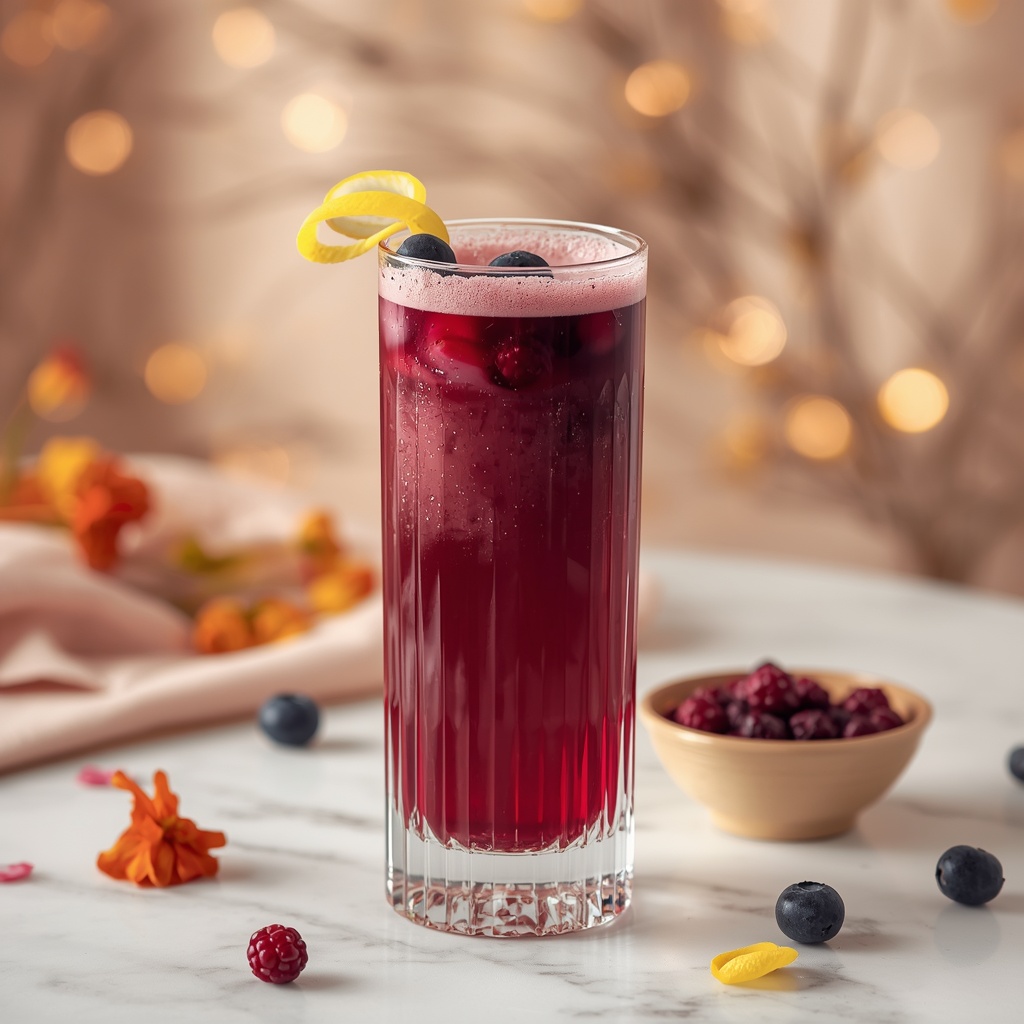
- 1 oz beet juice — no added sugar (Suja Beet)
- 1 tsp lemon juice
- 300 mg milk thistle (silymarin standardized 80%) — capsule contents (Jarrow)
- 500 mg choline bitartrate powder (NOW Foods)
- 400 IU liquid vitamin E mixed tocopherols (NOW E-400)
- 5000 IU vitamin D3 + 90 mcg K2 liquid (Thorne)
- 1 drop stevia (optional)
Instructions
- Brew dandelion root tea: steep 1 bag in 8 oz hot water for 8 minutes. Strain, cool 5 minutes, reserve 6 oz.
- In a 10 oz glass, combine the dandelion tea, 2 oz filtered water, 1 oz beet juice, and 1 tsp lemon juice.
- Open the 300 mg milk thistle capsule and add 500 mg choline bitartrate. Whisk vigorously for 30 seconds until fully dissolved.
💡 Tip: Choline can taste fishy — the lemon juice masks it well.
- Add 400 IU liquid vitamin E, 5000 IU vitamin D3 + K2, and 1 drop stevia.
- Drink mid-morning, daily — best taken 60 to 90 minutes after your morning UDCA dose. Coordinate with your hepatologist for periodic LFT monitoring.
Variations
| 🌱 Vegan | 🚫🍬 Sugar-free | 💪 Boosted |
| 100% plant-based as written. | Skip stevia — beet juice carries enough natural sweetness. | Add 200 mg SAM-e (S-adenosyl methionine) — supports hepatic methylation in PBC (with hepatology approval). |
Pair It With Your Next Hepatology Visit
Bring this recipe to your next hepatology appointment. Show it to your doctor. Make sure your supplements don’t interact with anything else you’re taking. Then start tomorrow morning.
📌 Save this recipe on Pinterest for later — and pair it with a fatigue-tracking journal.
| ⚠️ Disclaimer: This article is for informational purposes only and does not constitute medical advice. It is NOT intended to diagnose, treat, cure, or prevent primary biliary cholangitis or any other liver disease. This recipe is intended as adjunctive support only — never as a replacement for ursodeoxycholic acid (UDCA) or any prescribed hepatology treatment. Always consult your hepatologist before adding supplements, especially if you have advanced disease, take obeticholic acid, or have any other liver-affecting medication. |