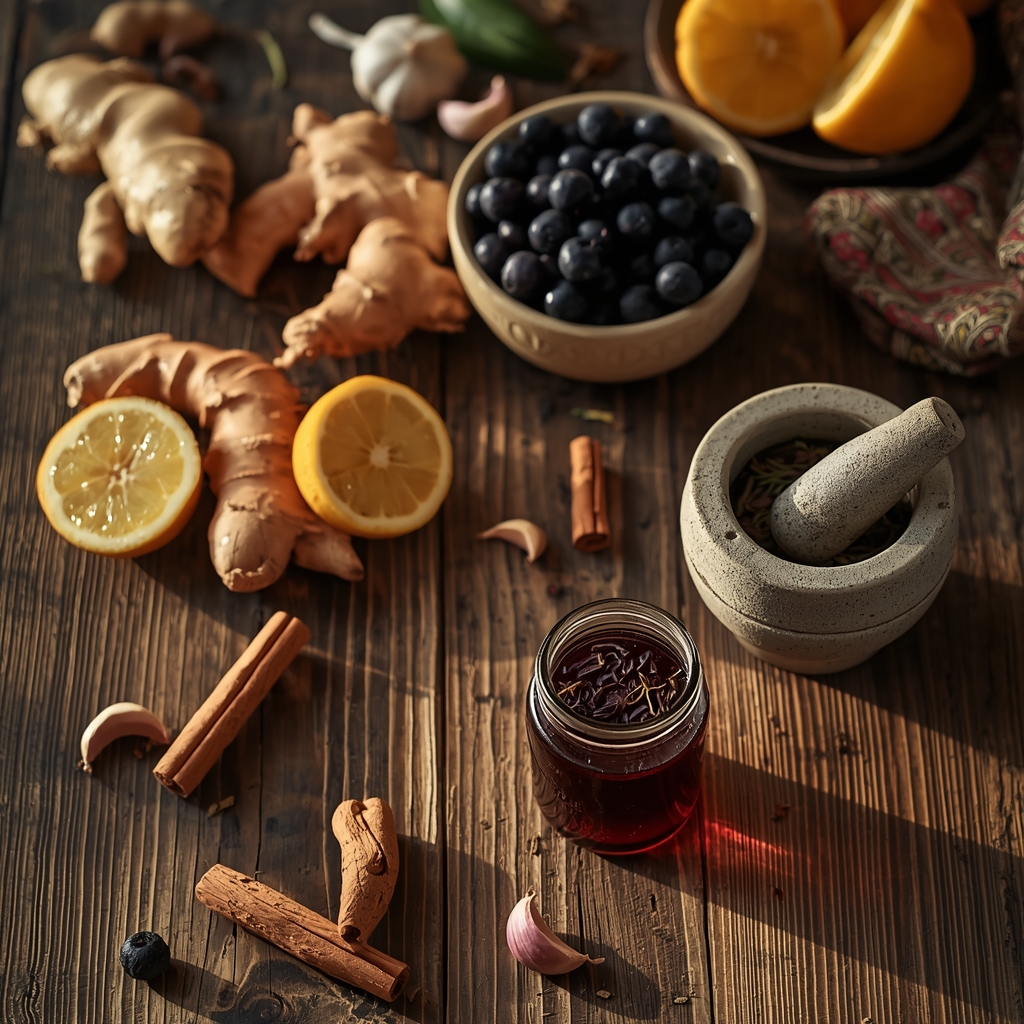

The quietly-studied combo European breast specialists are watching — for the recurrent ductal inflammation nobody talks about.
| ⏱ Prep: 5 min | 👥 Serves: 1 | 💚 Goal: Ductal inflammation support | ⭐ Difficulty: Easy |
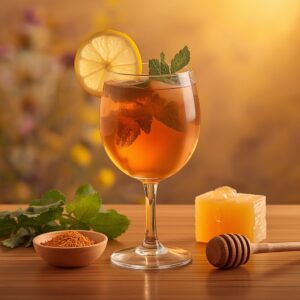
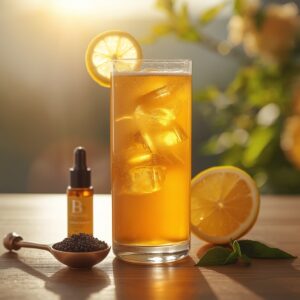
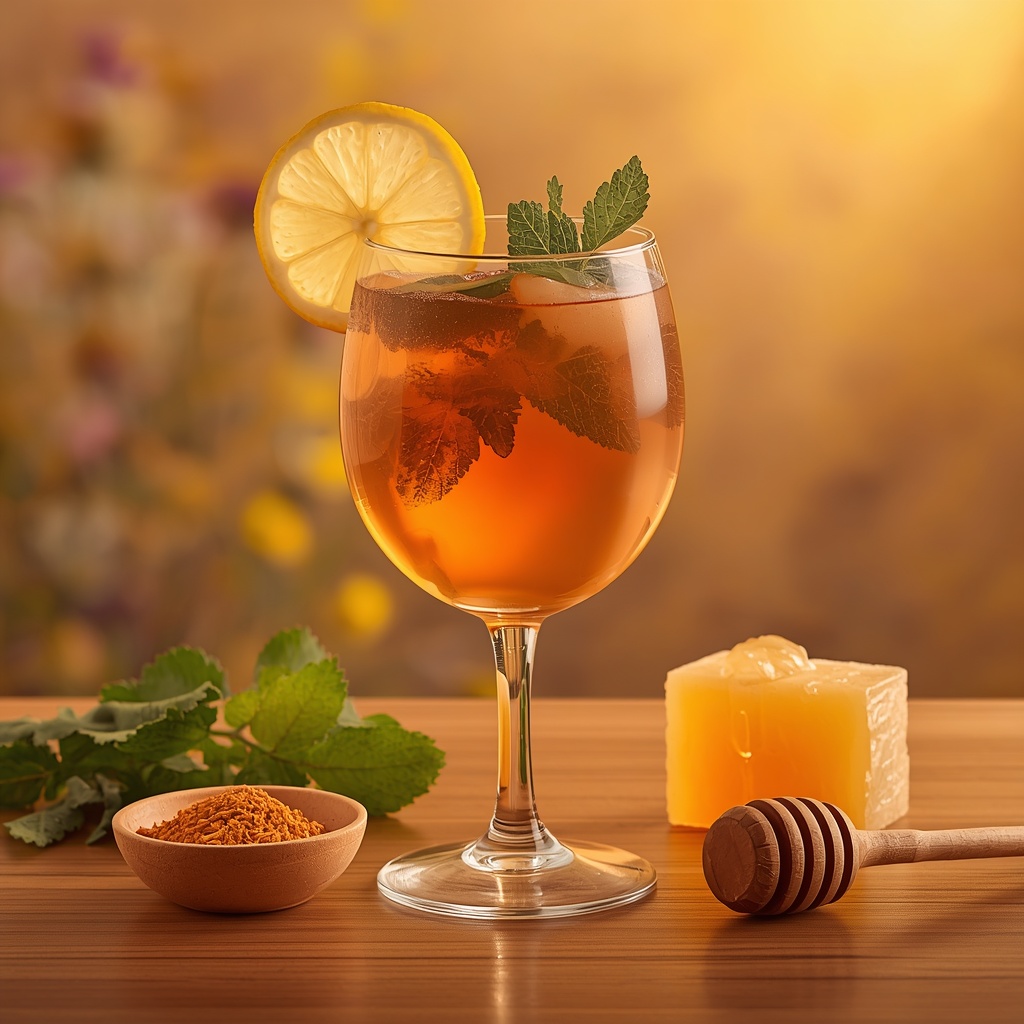
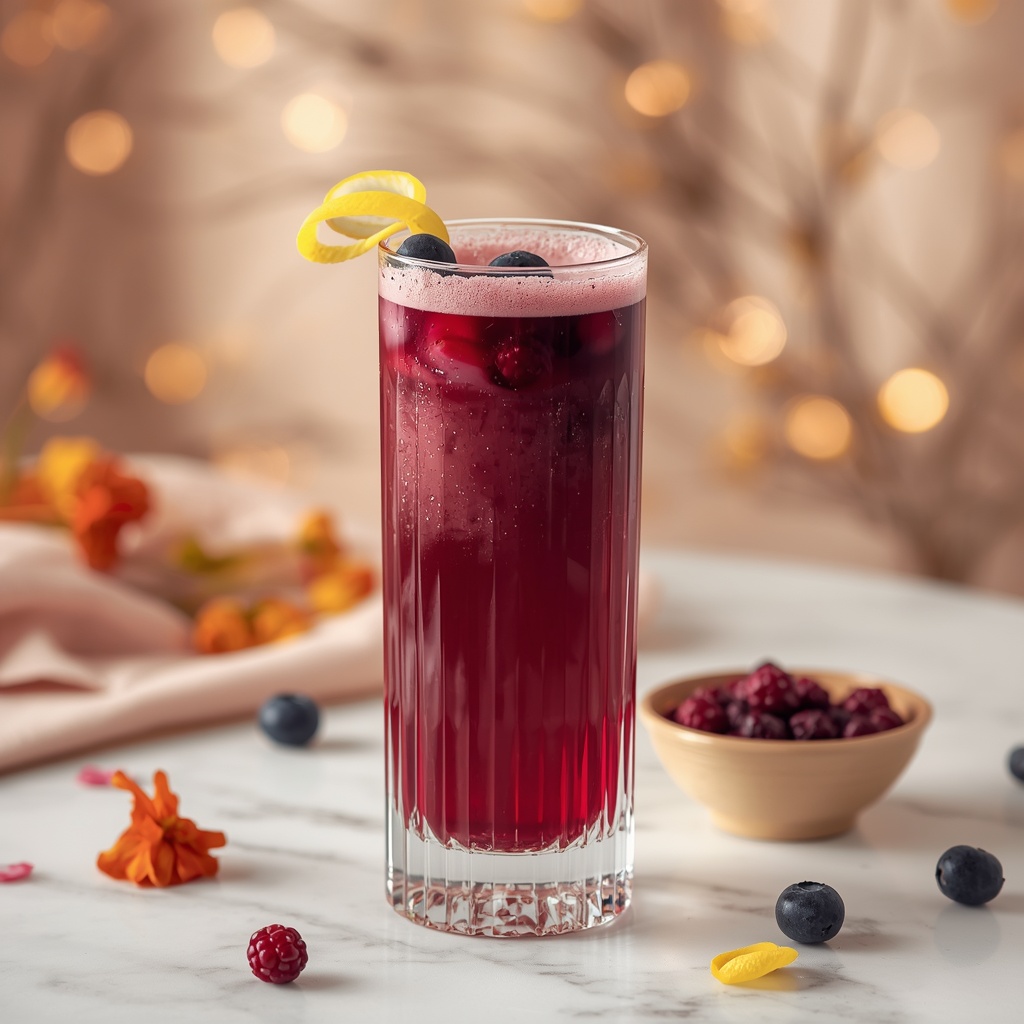
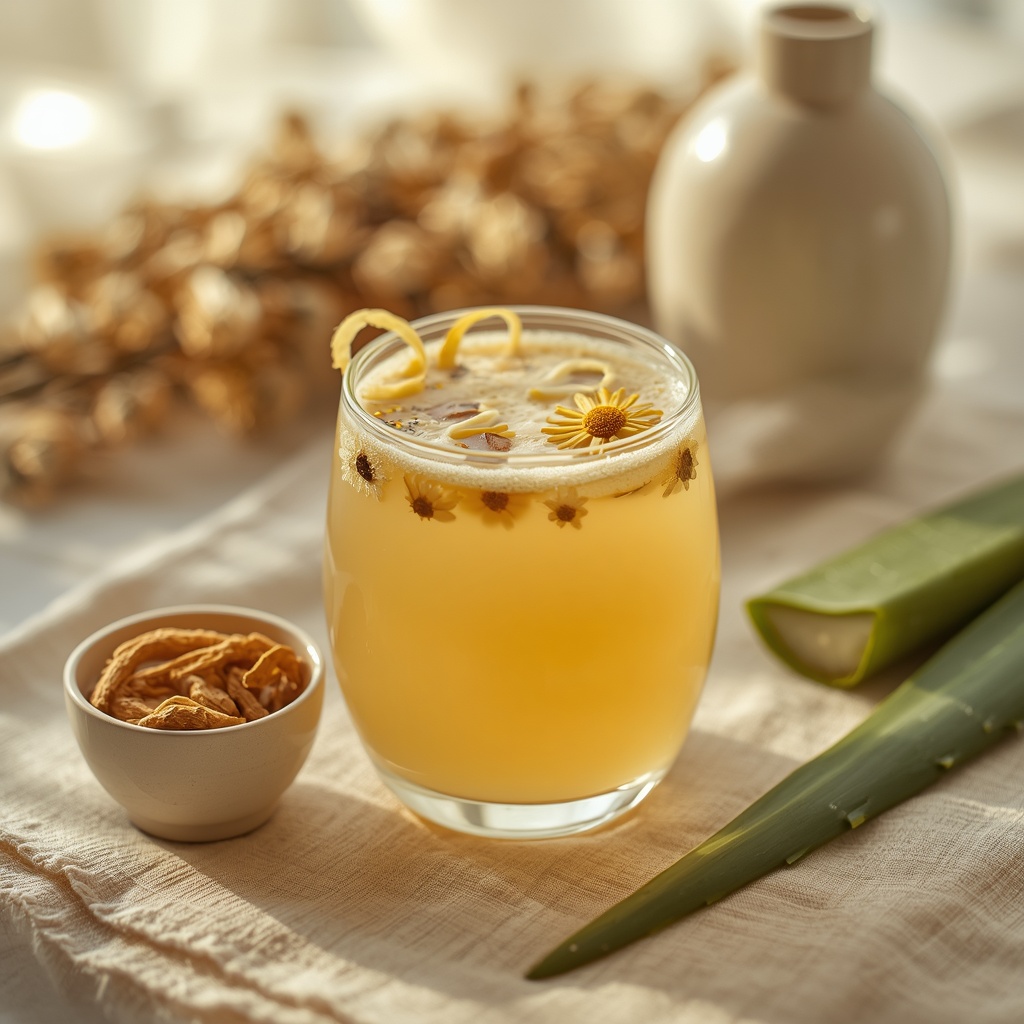
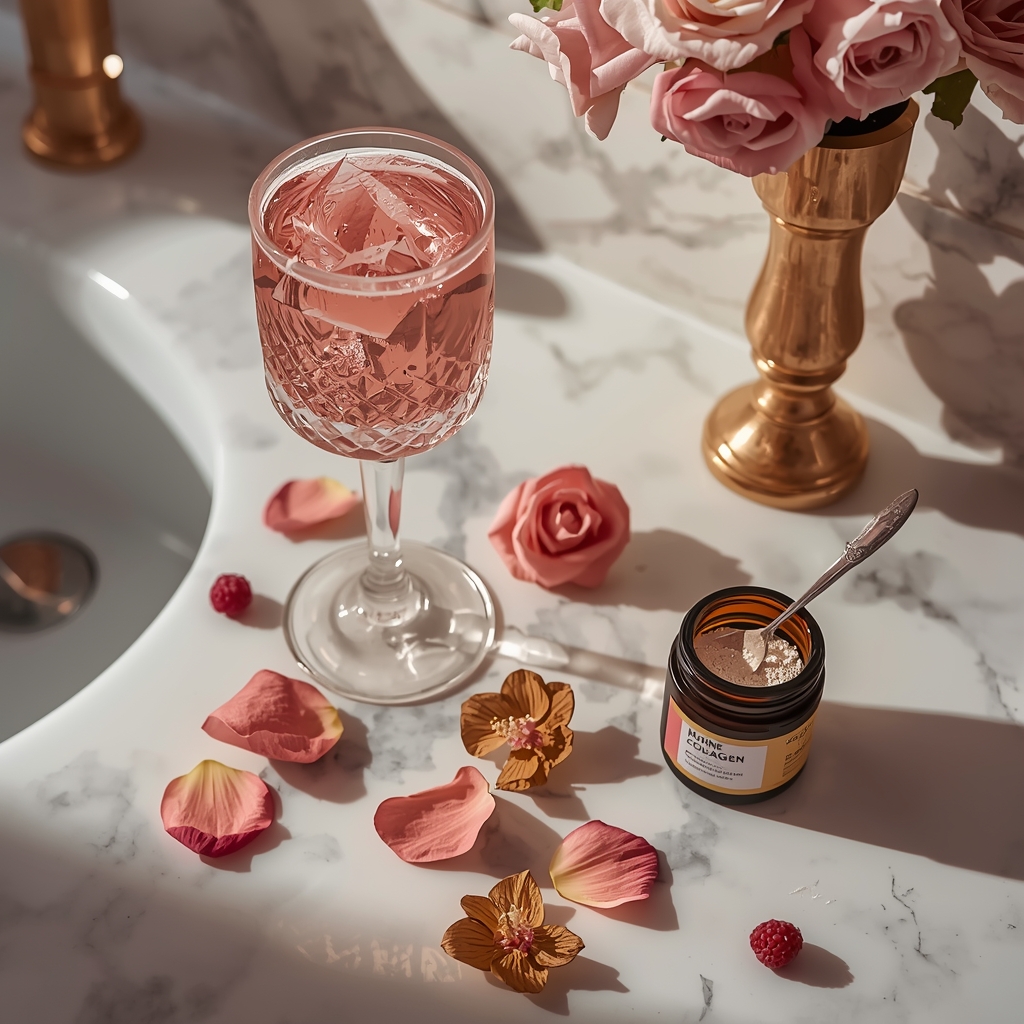
Mastitis isn’t just a breastfeeding story. Chronic periductal mastitis quietly affects women who have never nursed — sometimes for years, often misdiagnosed, frequently dismissed. The recurring redness, tenderness, and inflammation around the nipple ducts cycle on and off, sometimes demanding repeated antibiotic courses without ever truly resolving. Behind the scenes, breast specialists in Europe have been quietly studying a different angle: ductal microbiome support, biofilm disruption, and lipid fluidity — even in non-lactating tissue. The Breast Calm Clear is a rose-amber daily sip built around four of the most cited nutrients in this emerging conversation: sunflower lecithin, NAC, curcumin, and omega-3.
Why Lecithin Quietly Crossed Over From Breastfeeding to Beyond
For decades, lecithin was a quiet staple in lactation support — recommended by the Academy of Breastfeeding Medicine for clogged ducts. Then breast specialists started asking a question: if lecithin works on lactational ductal congestion, could the same lipid-fluidity mechanism help in non-puerperal cases? Around the same time, NAC (N-acetylcysteine) was emerging in research on biofilm disruption in chronic infections — Antimicrobial Agents and Chemotherapy documented its ability to dismantle the protective biofilms bacteria use to evade antibiotics. Curcumin’s documented effect on local breast tissue inflammation rounded out the picture. None of this replaces antibiotic management when needed. But for the long-term ductal-health conversation, the Breast Calm Clear is what the research quietly suggests.
What’s particularly underdiscussed about chronic non-puerperal mastitis is how often patients have been through three, four, sometimes five rounds of antibiotics before anyone raises the possibility of biofilm-mediated recurrence. NAC’s documented ability to disrupt biofilms doesn’t replace antibiotics — but it does open a different question for patients and specialists alike: what if the recurrence isn’t a fresh infection but a quietly persistent one that antibiotic courses keep quieting without ever fully resolving?
Why This Sip Works (According to Science)
Four mechanisms, one quiet rose-amber glass:
Sunflower lecithin: Phosphatidylcholine — Documented use in clogged ducts and non-puerperal mastitis through Academy of Breastfeeding Medicine protocols, with extension to non-lactational ductal issues.
NAC (N-acetylcysteine): Sulfhydryl biofilm disruptor — Disrupts biofilms in chronic ductal infections (Antimicrobial Agents and Chemotherapy).
Curcumin (with black pepper): Curcuminoids — Reduces local inflammation in breast tissue (Molecular Nutrition & Food Research).
Algae omega-3: EPA + DHA — Reduces general ductal inflammation (Current Medicinal Chemistry).
| 💡 Did You Know? Periductal mastitis was historically called “plasma cell mastitis” or “comedo mastitis” in older medical literature — many patients have spent years searching under names their current doctors don’t recognize. |
How This Fits Your Day
Where this fits in real life: the 12-plus-week timeline is non-negotiable. Ductal inflammation doesn’t shift in days. Patients who pair this daily sip with consistent specialist follow-up, gentle warm compresses on flare days, and proper supportive bras often describe gradually longer flare-free intervals between episodes. The goal isn’t a single dramatic resolution — it’s quietly extending the calm windows.
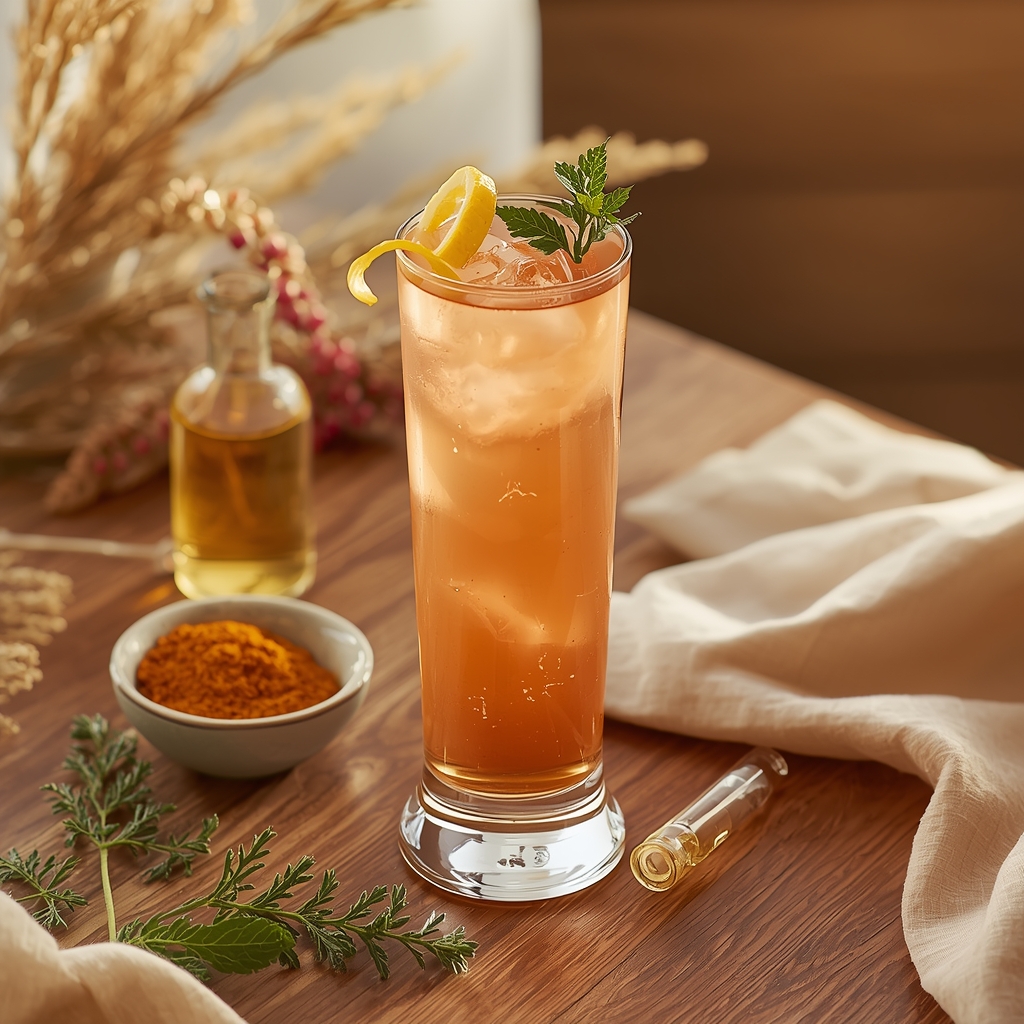
Recipe: Breast Calm Clear
| ⏱ Prep: 5 min | 👥 Serves: 1 | 💚 Goal: Chronic ductal inflammation support | ⭐ Difficulty: Easy |
Ingredients
- 6 oz cooled nettle tea (2 nettle tea bags steeped in 8 oz hot water for 12 min, cooled)
- 2 oz filtered water
- 1 tsp sunflower lecithin granules
- 600 mg NAC (N-acetylcysteine)
- 1 curcumin capsule, opened (500 mg curcuminoids)
- 1 algae omega-3 capsule, opened (500 mg combined EPA+DHA)
- Tiny pinch black pepper
- 2000 IU liquid vitamin D3 with K2
- 1 drop liquid stevia (optional)
Instructions
1. Brew nettle tea — steep 2 nettle tea bags in 8 oz hot water for 12 minutes. Strain. Cool 5 minutes. Reserve 6 oz.
💡 Tip: Nettle is mineral-rich and gently anti-inflammatory — don’t substitute with green tea here.
2. In a 10 oz glass, combine 6 oz cooled nettle tea with 2 oz filtered water.
3. In a small bowl, combine 1 tsp sunflower lecithin, 600 mg NAC, opened curcumin capsule, opened algae omega-3 capsule, and a tiny pinch of black pepper. Whisk with 2 tbsp warm water to form a slurry.
4. Stir the slurry into the nettle tea base. Add 2000 IU liquid vitamin D3 with K2 and 1 drop stevia.
5. Drink mid-afternoon, daily for 12+ weeks. Coordinate with your breast specialist if recurrent infections require antibiotic management.
💡 Tip: This is a long-game sip. Quiet, daily, patient.
Variations
| 🌿 Strict sugar-free | Skip stevia — nettle has subtle natural sweetness. |
| 🥛 Vegan version | 100% plant-based (sunflower lecithin is plant-derived). |
| ❄️ Iced version | Adapts well — drink chilled in summer. |
| 💪 Boosted version | Add 200 mg quercetin for additional anti-inflammatory and biofilm-disrupting support. |
Try It Tonight
If you’ve been cycling through antibiotics for recurring breast inflammation, bring this conversation — and this glass — to your next specialist visit. Periductal mastitis is underdiagnosed and underdiscussed, and the patients who advocate for themselves tend to land in the specialist clinics where the conversation has actually moved forward.
📌 Save this recipe on Pinterest for later!
| ⚠️ Disclaimer: This article is for informational purposes only and does not constitute medical advice. Always consult a qualified healthcare professional before making dietary changes, especially if you have a medical condition, are pregnant, breastfeeding, or taking medications. |