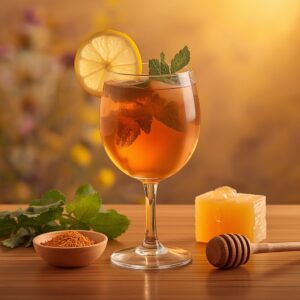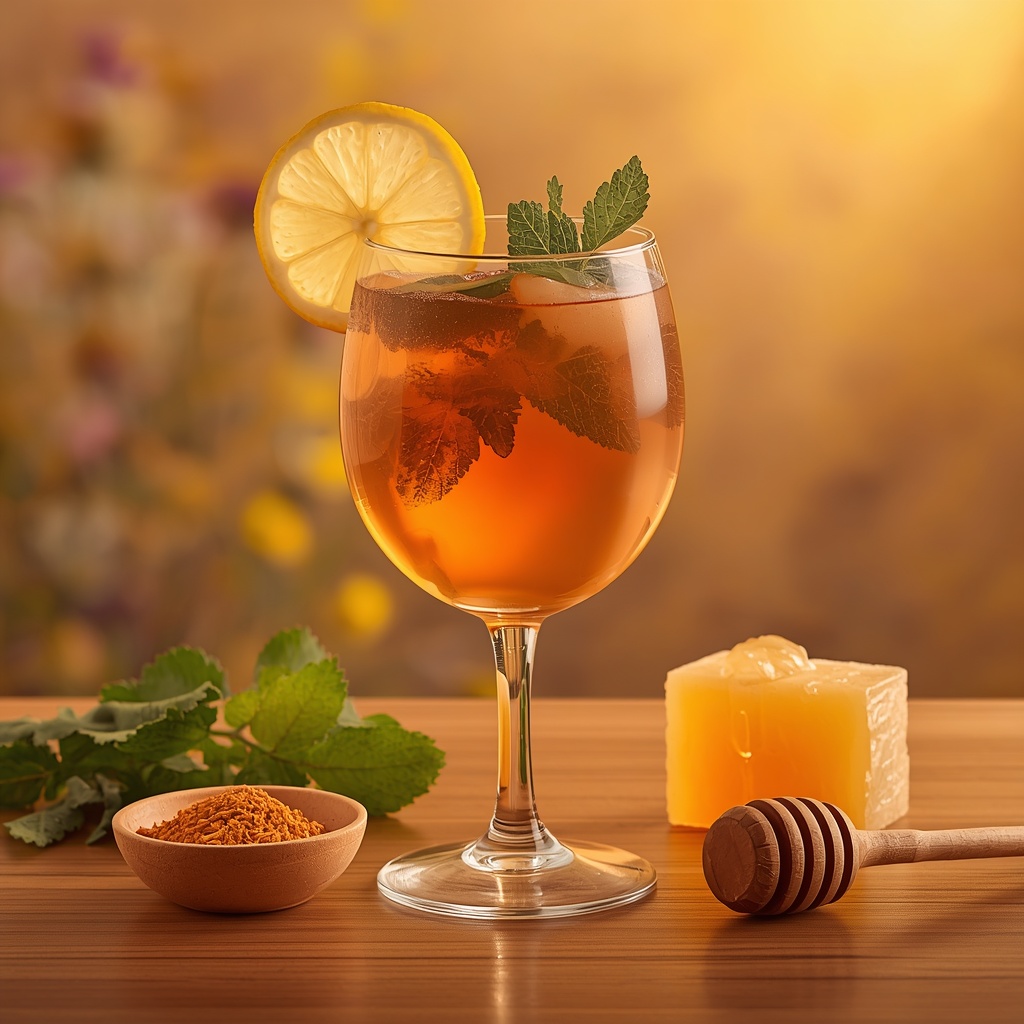

Pulmonary fibrosis turns lungs to scar slowly — and inflammation drives the scarring. The right molecules can quietly push back.
| ⏱ Prep 7 min | 👥 Serves 1 (10 oz) | 💚 Goal Pulmonary anti-fibrotic support | ⭐ Difficulty Intermediate |
The Story Behind the Sip
In 2014, the New England Journal of Medicine published results from one of the most carefully designed trials in pulmonary fibrosis research: PANTHER-IPF. Researchers tested whether N-acetylcysteine — that same antioxidant from cough syrups — could slow disease progression. The results were complicated, mixed, and ultimately suggestive: NAC didn’t help everyone, but it appeared to help patients with a specific genetic profile. Around the same time, animal studies on pomegranate ellagic acid showed it suppressed TGF-β, the master signaling molecule that drives lung scarring. And pine bark extract — known mostly to circulation researchers — was emerging as an oxidative stress modulator with relevance to chronic respiratory conditions. None of these are cures. None replace pirfenidone or nintedanib. But for early-stage IPF patients looking for adjunct support, the science suggests something worth sipping.
Why This Cocktail Works (According to Science)
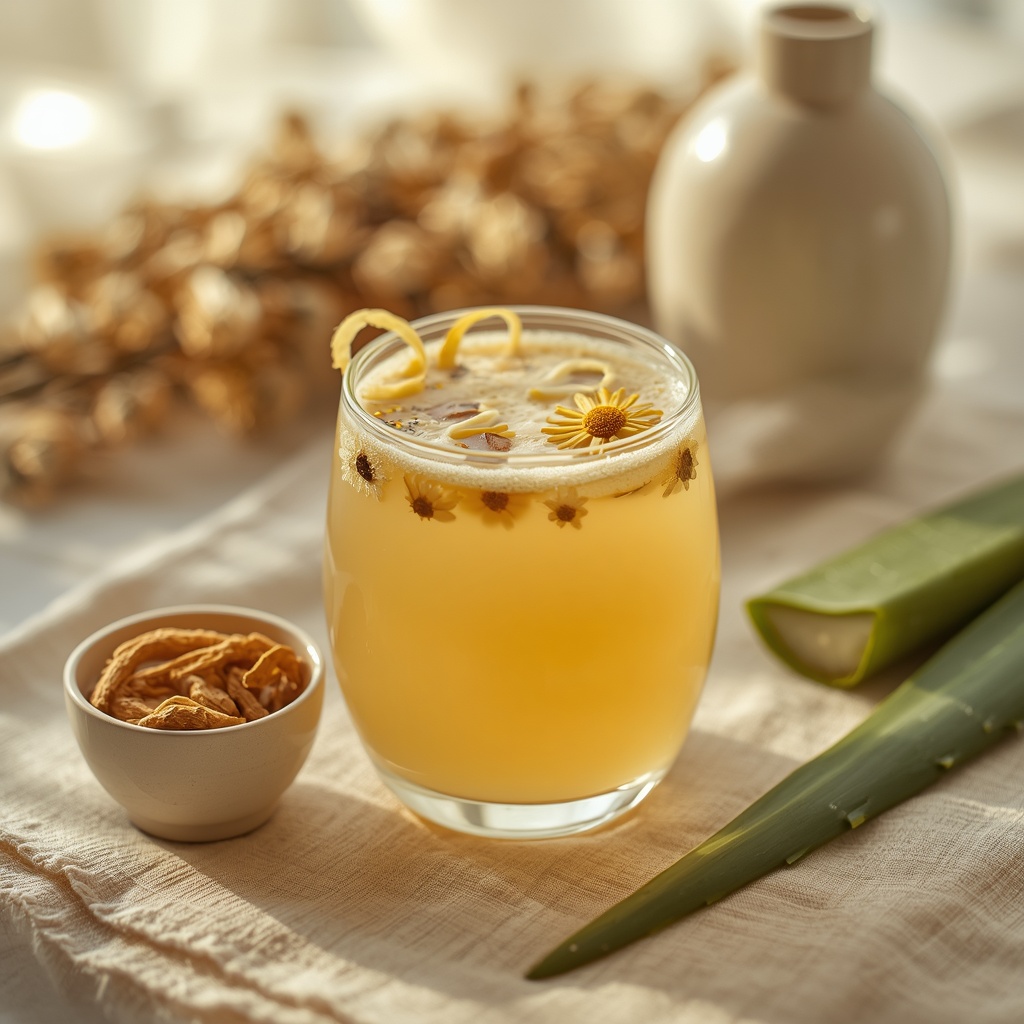
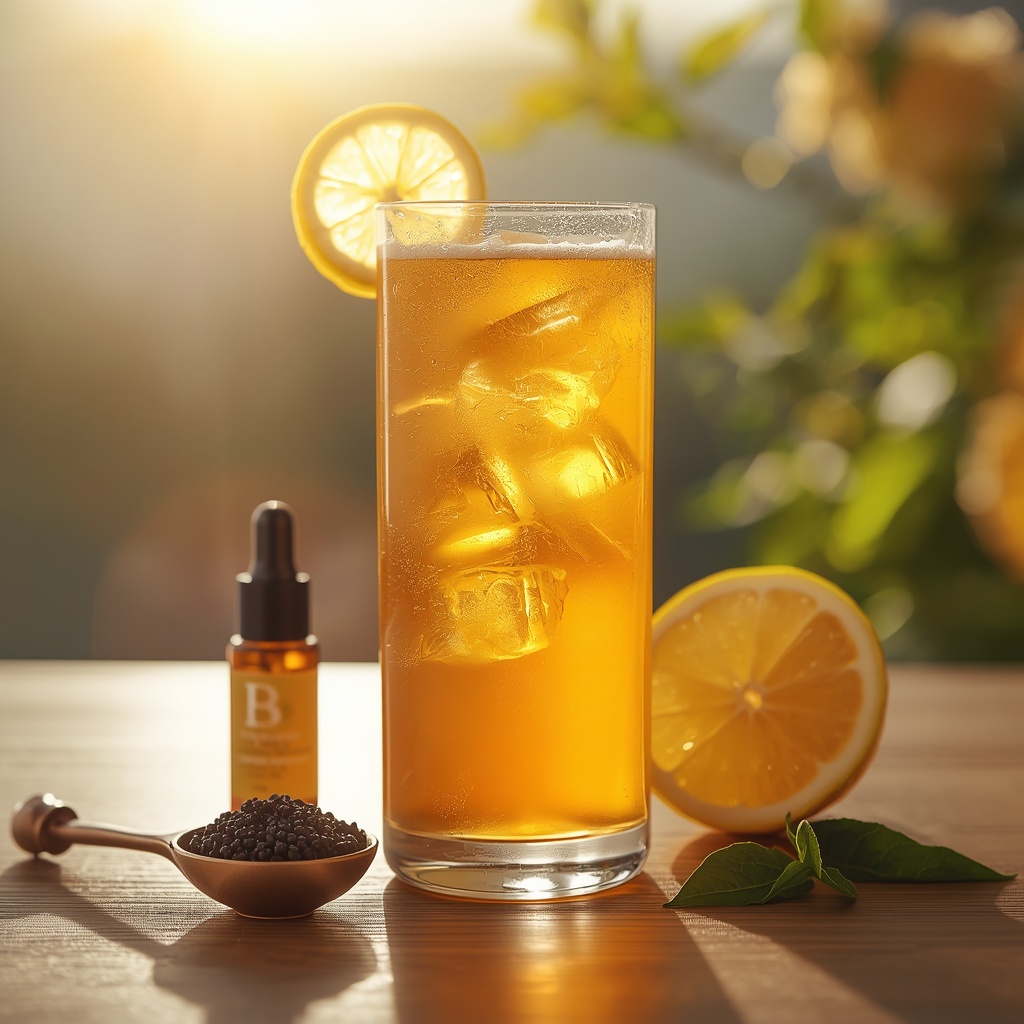
This warm amber infusion combines three molecules with documented anti-fibrotic mechanisms — each targeting a different stage of the scarring cascade.
- N-Acetylcysteine (NAC): Glutathione precursor — restores antioxidant defense in lung tissue — the PANTHER-IPF trial showed suggestive benefit in genetic-subset patients.
(Source: New England Journal of Medicine — PANTHER-IPF trial)
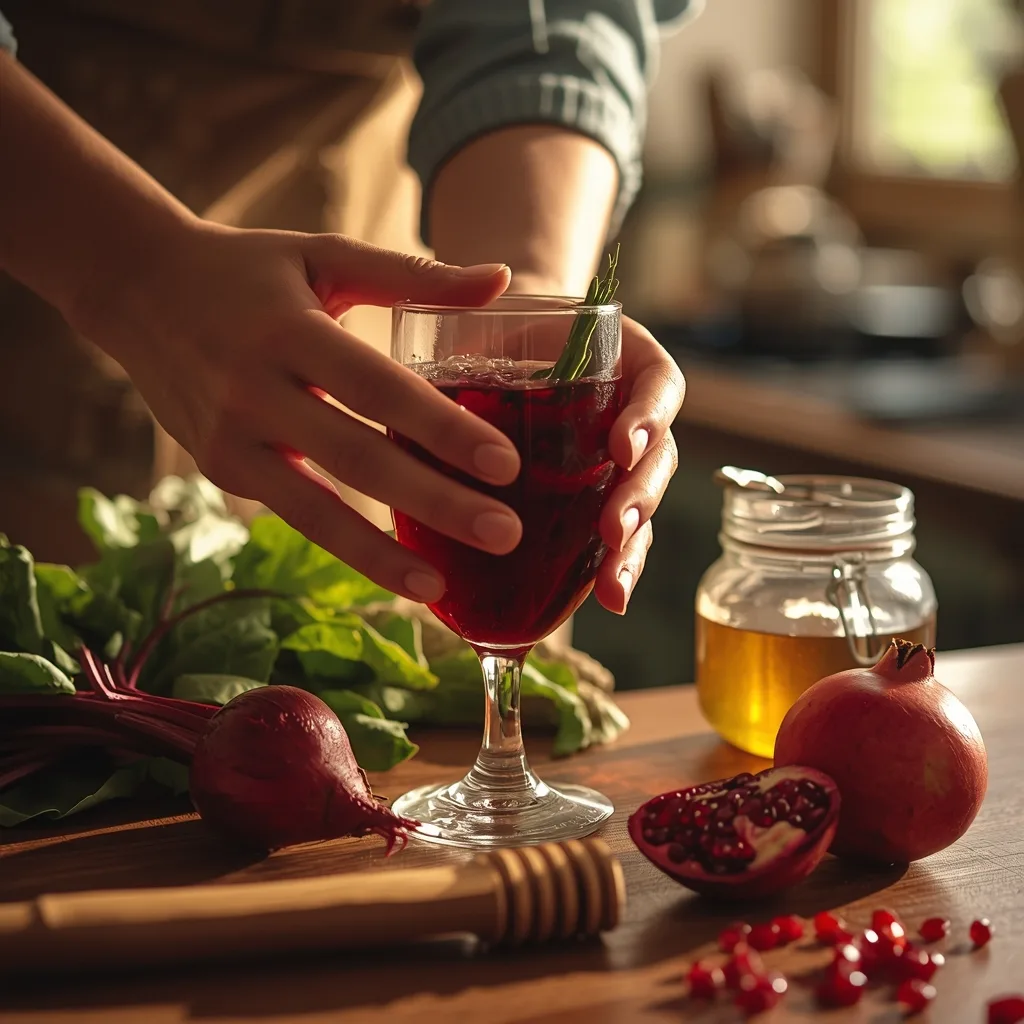
- Pomegranate Ellagic Acid: Ellagitannins → urolithins — suppresses TGF-β, the master signaling molecule that drives pulmonary fibrosis in animal models.
(Source: Pulmonary Pharmacology and Therapeutics)
- Pine Bark Pycnogenol: Proanthocyanidins — reduces oxidative stress and inflammation in lung tissue, with emerging IPF data and established COPD use.
(Source: Phytotherapy Research)
| 💡 Did You Know? Mullein leaves, used in this recipe as a traditional respiratory tonic, were once called ‘cowboy toilet paper’ on the American frontier — but their scientific reputation runs deeper. Native American and European herbal traditions both used mullein for lung complaints centuries before science identified the mucilage and saponins responsible for its soothing effect on irritated airways. |
Recipe: Alveolar Dawn Infusion
| ⏱ Prep 7 min | 👥 Serves 1 (10 oz) | 💚 Goal Pulmonary anti-fibrotic support | ⭐ Difficulty Intermediate |
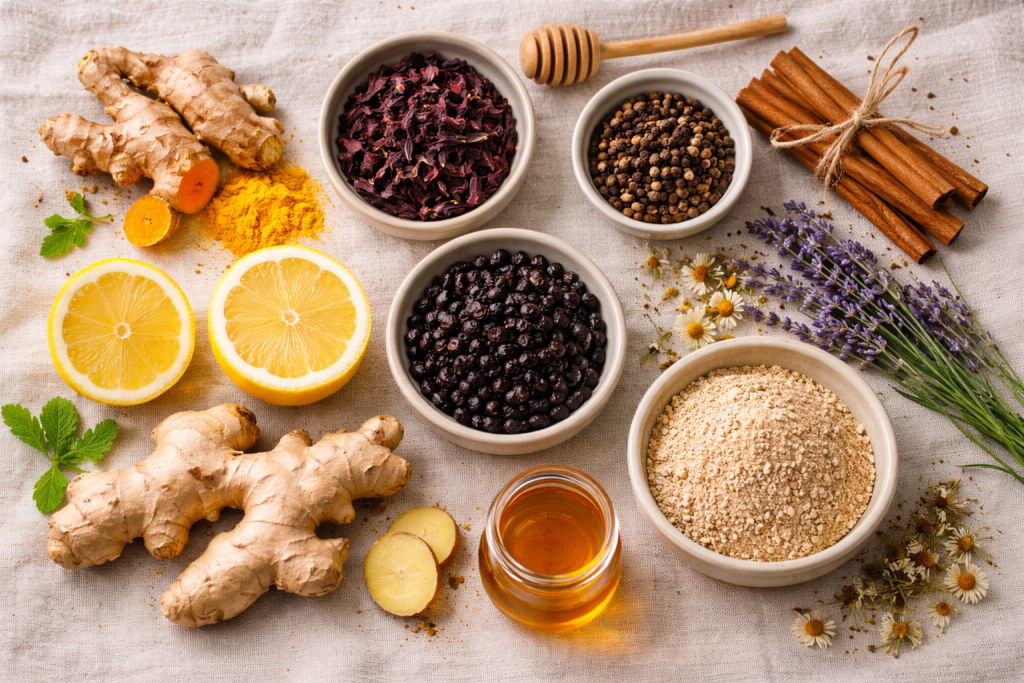
Ingredients
- 8 oz hot filtered water (boiled, then cooled to 175°F)
- 1 oz 100% pomegranate juice (no added sugar, POM Wonderful)
- 50 mg pine bark extract (Pycnogenol)
- 600 mg NAC powder
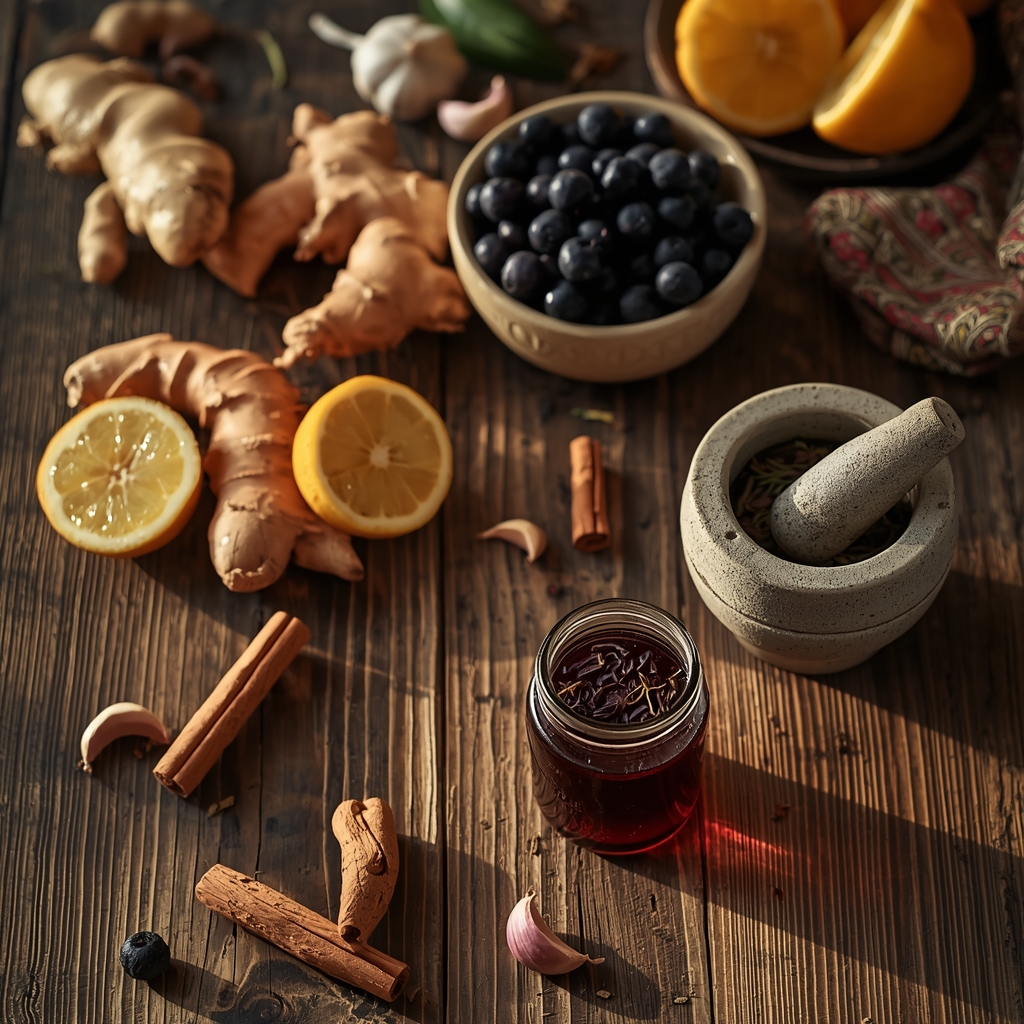
- 2 thin slices fresh ginger root
- 1 oz mullein leaf tea, pre-brewed and cooled
- ½ tsp raw Manuka honey (UMF 10+)
- ½ tsp fresh lemon juice
- For garnish: Single dried mullein leaf (decorative) or fresh ginger curl
Instructions
- Brew the mullein tea: steep 1 tsp dried leaves in 4 oz hot water for 10 minutes; strain TWICE through fine mesh — fine plant hairs can irritate lungs if not filtered out. Reserve 1 oz cooled.
💡 Tip: The double-straining step is non-negotiable for mullein — never skip it.
- Brew 8 oz hot filtered water at 175°F with the 2 thin ginger slices steeping for 4 minutes, then remove the ginger.
- In a small bowl, dissolve 600 mg NAC and 50 mg Pycnogenol with 2 tbsp warm water. Do NOT use boiling water — it degrades NAC.
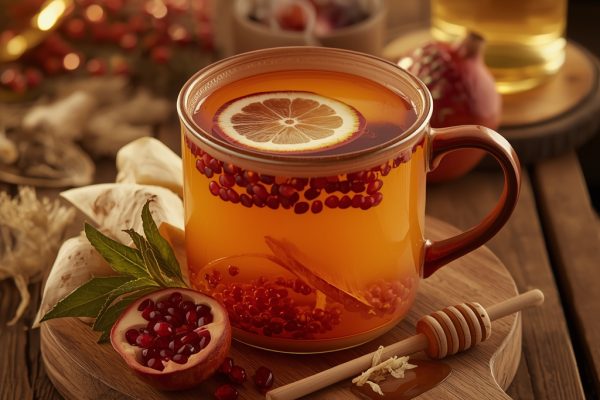
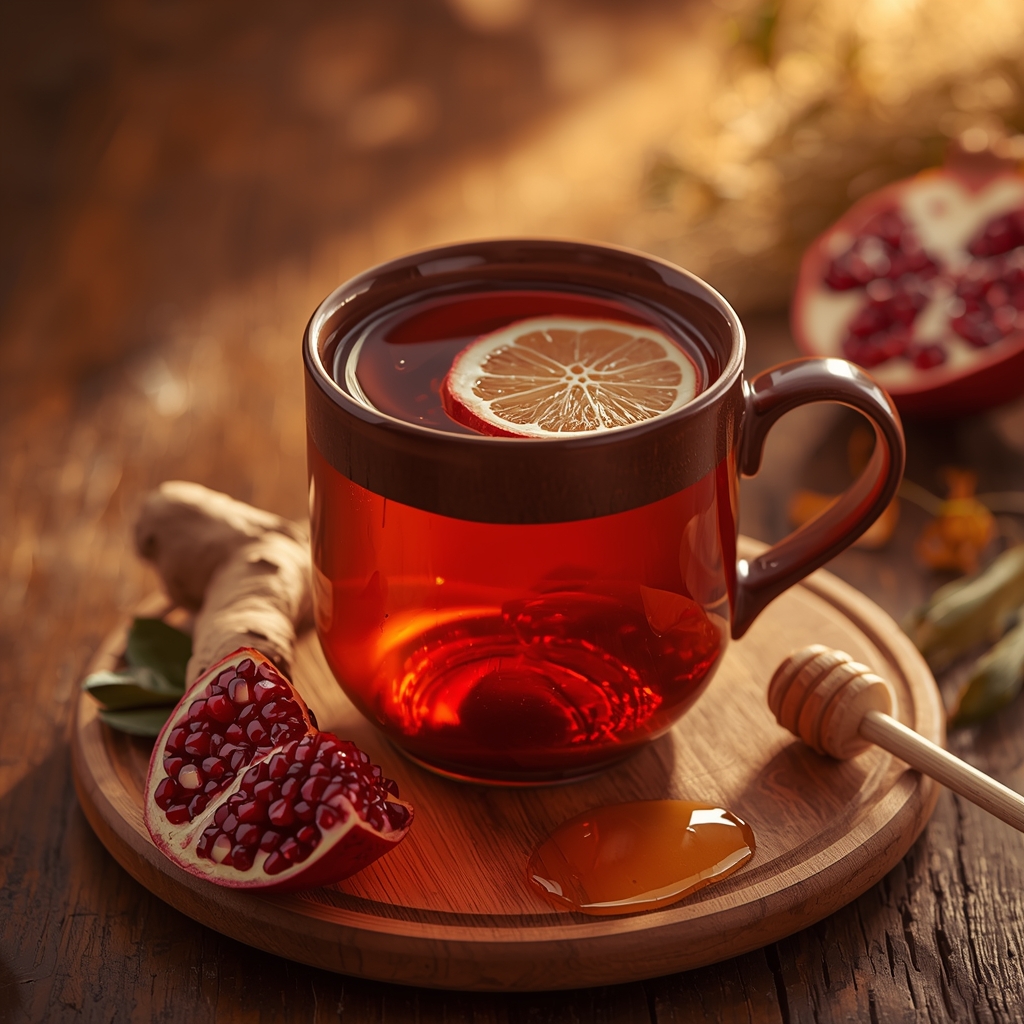
- In a 10 oz mug, combine the ginger water + 1 oz pomegranate juice + 1 oz cooled mullein tea + the NAC/Pycnogenol slurry.
- Add ½ tsp Manuka honey and ½ tsp lemon juice; stir gently and sip slowly while warm, mid-morning, for sustained anti-fibrotic exposure.
Variations
| Vegan | Skip the Manuka honey (animal product) — use 1 drop monk fruit instead |
| Honey-free | Replace Manuka with 1 drop of monk fruit sweetener |
| Boosted | Add 200 mg curcumin with a pinch of black pepper for additional anti-fibrotic mechanism |
Try It Tonight
If you or someone you love is in early-stage pulmonary fibrosis, talk to your pulmonologist about adjunct nutritional support. This sip is one quiet, warm tool — not a replacement for prescribed therapy, but a daily ally.
📌 Save this recipe on Pinterest for later!
| ⚠️ Medical Disclaimer: This article is for informational purposes only and does not constitute medical advice. The recipes shared are intended to support general wellness, not to diagnose, treat, cure, or prevent any disease. Always consult a qualified healthcare professional before making dietary changes, especially if you have a medical condition, are pregnant or breastfeeding, or are taking medications. |