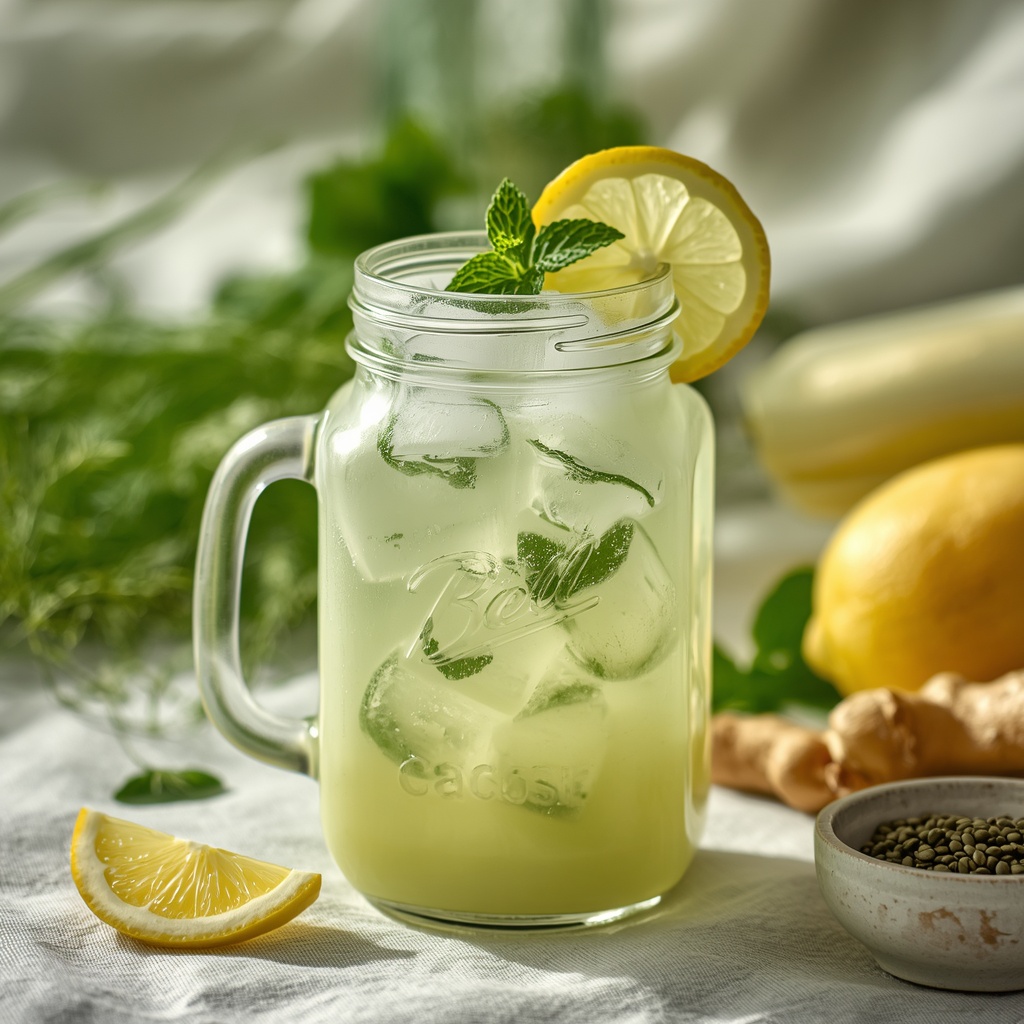
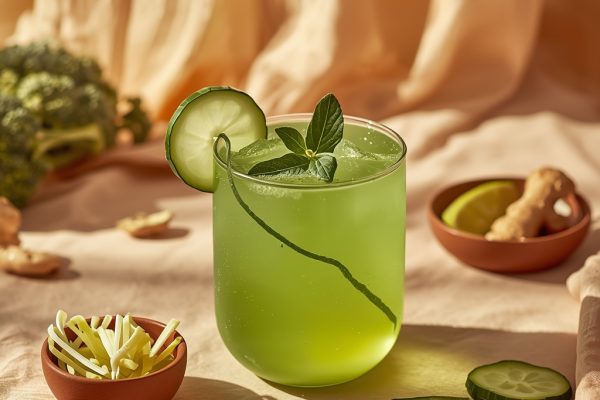
Broccoli sprouts, low-iodine wakame, and tulsi work together to dampen the autoimmune inflammatory storm — without overloading your thyroid with iodine.
| ⏱ Prep: 6 min | 👥 Serves: 1 | 💚 Goal: Reduce Hashimoto-related autoimmune inflammation via Nrf2 activation, IL-6/TNF-alpha suppression, and cortisol regulation | ⭐ Difficulty: Easy |
It started with a fog that wouldn’t lift. Sarah, a 34-year-old teacher living with Hashimoto’s thyroiditis, had tried every thyroid-friendly diet tip she could find — going gluten-free, cutting dairy, adding more iodine-rich foods. The iodine idea backfired. Her antibody levels crept higher, her fatigue deepened, and her afternoon crashes became impossible to ignore. Then her functional medicine practitioner introduced her to a concept that changed everything: Hashimoto flares are inflammatory events, not just hormone events. The thyroid is the target, but runaway inflammation is the weapon. Sarah began blending a simple jade-green tonic each morning — broccoli sprouts for Nrf2 activation, a small amount of iodine-balanced wakame for its unique marine antioxidants, and fresh tulsi leaves to soften the cortisol spikes that kept stoking her immune system. Within eight weeks, she described her mornings as “quieter.” Not cured — managed. Science-backed, sip by sip.
Why This Cocktail Works (According to Science)
•Broccoli Sprouts: Sulforaphane — Sulforaphane is the most potent dietary activator of the Nrf2 pathway, a master regulator that switches on over 200 antioxidant and anti-inflammatory genes. In autoimmune thyroid conditions, oxidative stress continuously provokes immune cells to attack thyroid tissue. Nrf2 activation interrupts this cycle at the gene-expression level, making fresh 3-day broccoli sprouts one of the most scientifically compelling foods for Hashimoto support. (Source: Antioxidants, 2020 — review of sulforaphane as a dietary Nrf2 activator)
•Wakame (low-iodine sea vegetable): Fucoxanthin — Unlike kelp, which carries extremely high iodine loads that can worsen Hashimoto’s, dried wakame offers a gentler iodine profile while delivering fucoxanthin — a marine carotenoid shown to suppress IL-6 and TNF-alpha, two cytokines central to the inflammatory cascade that drives autoimmune thyroid attacks. Using just one tablespoon keeps iodine within a safe range while delivering this targeted marine anti-inflammatory. (Source: Marine Drugs, NIH, 2018 — review of fucoxanthin’s anti-inflammatory effects on IL-6 and TNF-alpha pathways)
•Tulsi (Holy Basil): Eugenol, rosmarinic acid, ursolic acid — Chronic psychological stress is a known Hashimoto trigger — cortisol dysregulation destabilizes immune tolerance and amplifies autoimmune activity. Tulsi’s bioactive compounds have demonstrated the ability to reduce salivary cortisol and self-reported anxiety in clinically stressed adults. In the context of autoimmune thyroid disease, lower cortisol means less immune provocation, making tulsi a meaningful adaptogenic addition beyond flavoring. (Source: Evidence-Based Complementary and Alternative Medicine, 2017 — RCT on tulsi reducing cortisol and anxiety markers in chronic stress)
•Fresh Ginger: Gingerols and shogaols — Ginger’s anti-inflammatory gingerols and shogaols have been studied directly in Hashimoto’s patients, not just in general inflammation models. A 2020 clinical study found that ginger supplementation significantly reduced thyroid peroxidase (TPO) antibody levels — the hallmark autoimmune marker in Hashimoto’s — while also improving quality of life scores. Adding even a small amount of fresh ginger to this tonic means you are working with mechanisms validated in your exact patient population. (Source: Journal of Medicinal Food, 2020 — study on ginger reducing TPO antibodies in Hashimoto patients)
| 💡 Did You Know? Sulforaphane is not stored in broccoli itself — it is formed on the spot when you chew or blend broccoli sprouts, triggering a reaction between the enzyme myrosinase and glucoraphanin. Fresh 3-day sprouts contain up to 100 times more glucoraphanin than mature broccoli florets, which is why this recipe specifies young sprouts rather than the full-grown vegetable. |
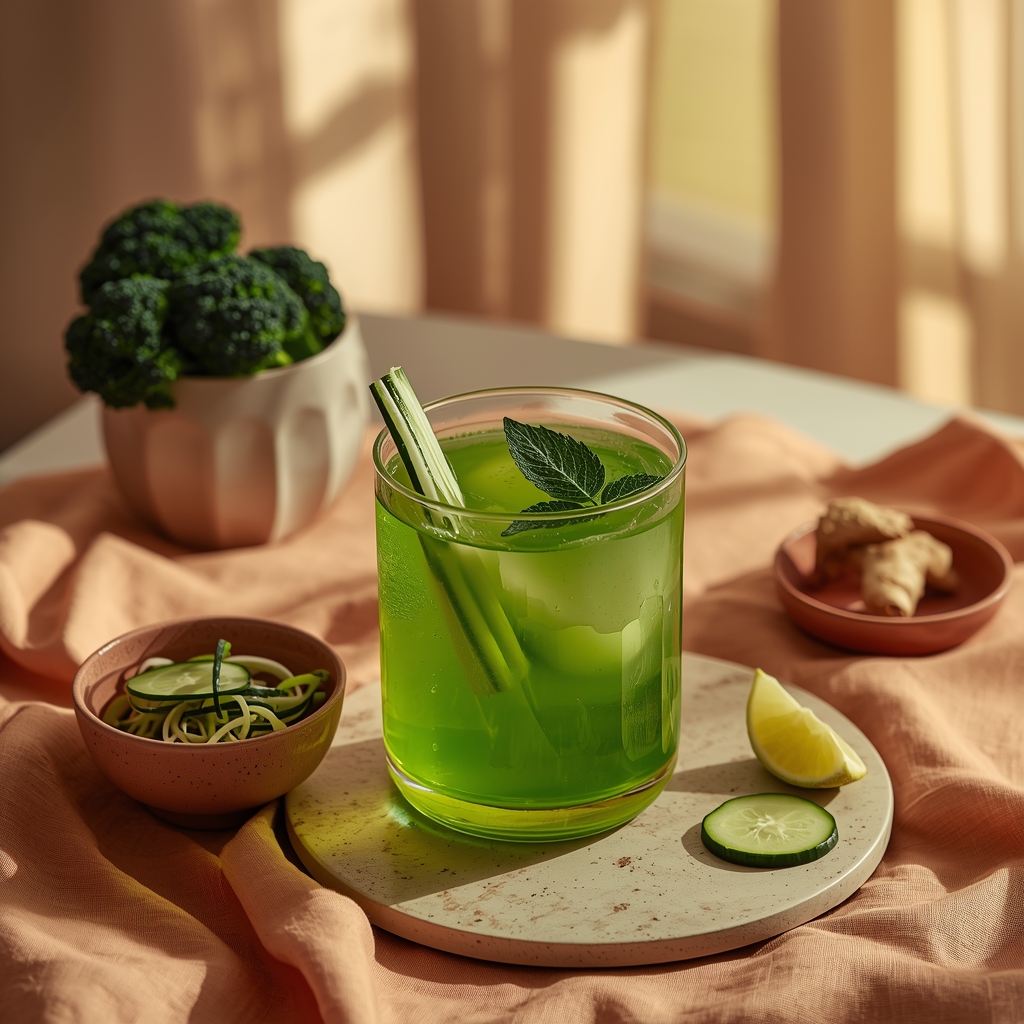
Recipe: Seagrass Thyroid Calm
| ⏱ Prep: 6 min | 👥 Serves: 1 | 💚 Goal: Reduce Hashimoto-related autoimmune inflammation via Nrf2 activation, IL-6/TNF-alpha suppression, and cortisol regulation | ⭐ Difficulty: Easy |
Ingredients
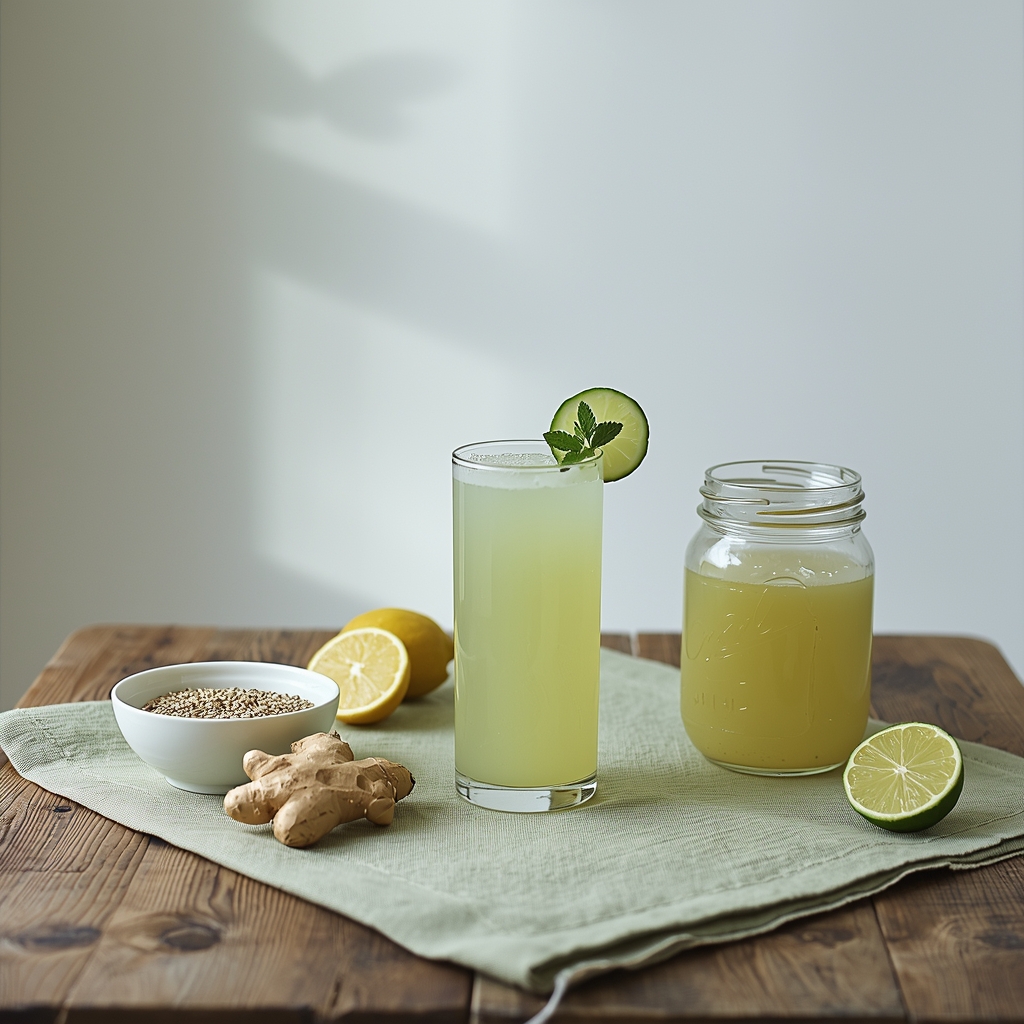
•1/4 cup fresh broccoli sprouts (3-day sprouted)
•1 tablespoon rehydrated dried wakame
•4–5 fresh tulsi (holy basil) leaves
•1/2 cup sliced cucumber
•1/4 tart green apple, cored and roughly chopped
•1 cup unsweetened coconut water
•1/4 teaspoon fresh grated ginger
•1 tablespoon fresh lime juice (added last)
Instructions
Rehydrate the dried wakame in a small bowl of filtered water for 3 minutes, then drain and pat gently dry.
💡 Tip: Filtered water prevents chlorine from affecting the delicate flavor. Do not soak longer than 5 minutes — wakame softens quickly and can become slimy.
Add the broccoli sprouts, drained wakame, tulsi leaves, cucumber, green apple, coconut water, and grated ginger to a high-speed blender.
💡 Tip: Layer the coconut water in first so the blades engage smoothly and you get a more even, foam-free blend.
Blend on high for 45 seconds until the mixture is bright jade-green and fully smooth.
💡 Tip: A full 45-second blend is important — broccoli sprouts need thorough disruption to fully release their myrosinase enzyme and maximize sulforaphane formation.
Pour through a fine-mesh strainer or nut milk bag into a tall glass for a clear, silky elixir. Skip straining if you prefer a thicker, fiber-rich texture.
💡 Tip: If you strain, press the pulp gently with the back of a spoon to capture every drop of the bright green liquid.
Stir in the fresh lime juice immediately before drinking and consume right away.
💡 Tip: Acid from lime helps stabilize sulforaphane once it has formed, but add it last — blending lime with the sprouts from the start can interfere with myrosinase activity. Drink at least one hour away from any thyroid medication.
Variations
| No-Apple (Extra Cucumber) | Replace the green apple with an additional 1/2 cup of sliced cucumber for a lower-sugar, more savory tonic. This version suits those managing blood sugar alongside Hashimoto’s, as it removes the fructose load while keeping the drink crisp and hydrating. |
| Frozen Jade Slushie | Freeze the cucumber slices and coconut water in ice cube trays the night before. Blend from frozen for a thick, smoothie-style slushie — ideal for summer mornings or when you want something more substantial. The cold temperature does not diminish sulforaphane formation since it is generated during blending. |
| Selenium Boost | Add 100–200 mcg of L-selenomethionine powder to the finished tonic before drinking. Selenium is a well-documented co-factor in thyroid hormone conversion and has shown clinical benefits for reducing TPO antibody levels in multiple Hashimoto trials. Always confirm your selenium dose with your healthcare provider before adding supplemental forms. |
| Warm Adaptogenic Tonic | Gently warm the strained elixir on the stovetop over low heat — do not boil — until it reaches about 140°F (60°C). Stir in an extra tulsi leaf and a pinch of turmeric. This warming version is particularly useful on cold mornings or during high-stress periods when the body craves something soothing rather than refreshing. |
Ready to Try It Tonight?
Your thyroid is not fighting you — it is caught in the crossfire of an inflammatory process that responds to what you eat, drink, and how you manage stress. Blending the Seagrass Thyroid Calm into your morning routine is a small, consistent signal to your immune system: we are choosing calm. Save this recipe, share it with someone who could use a jade-green reset, and come back to explore more science-backed tonics for autoimmune wellness.
📌 Save this recipe on Pinterest for later!
| ⚠️ Disclaimer: This article is for informational purposes only and does not constitute medical advice. Always consult a qualified healthcare professional before making dietary changes, especially if you have a medical condition or take medications. |