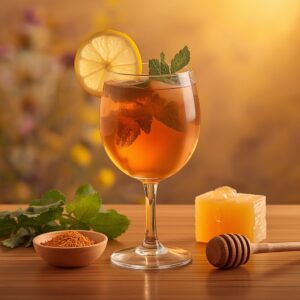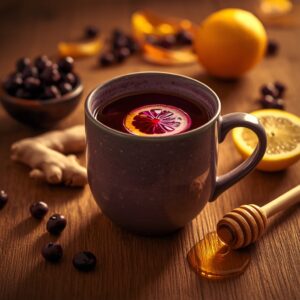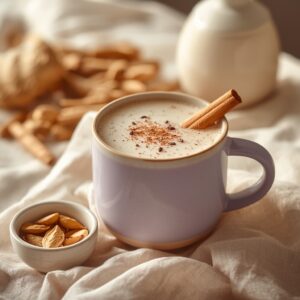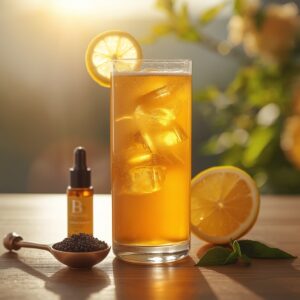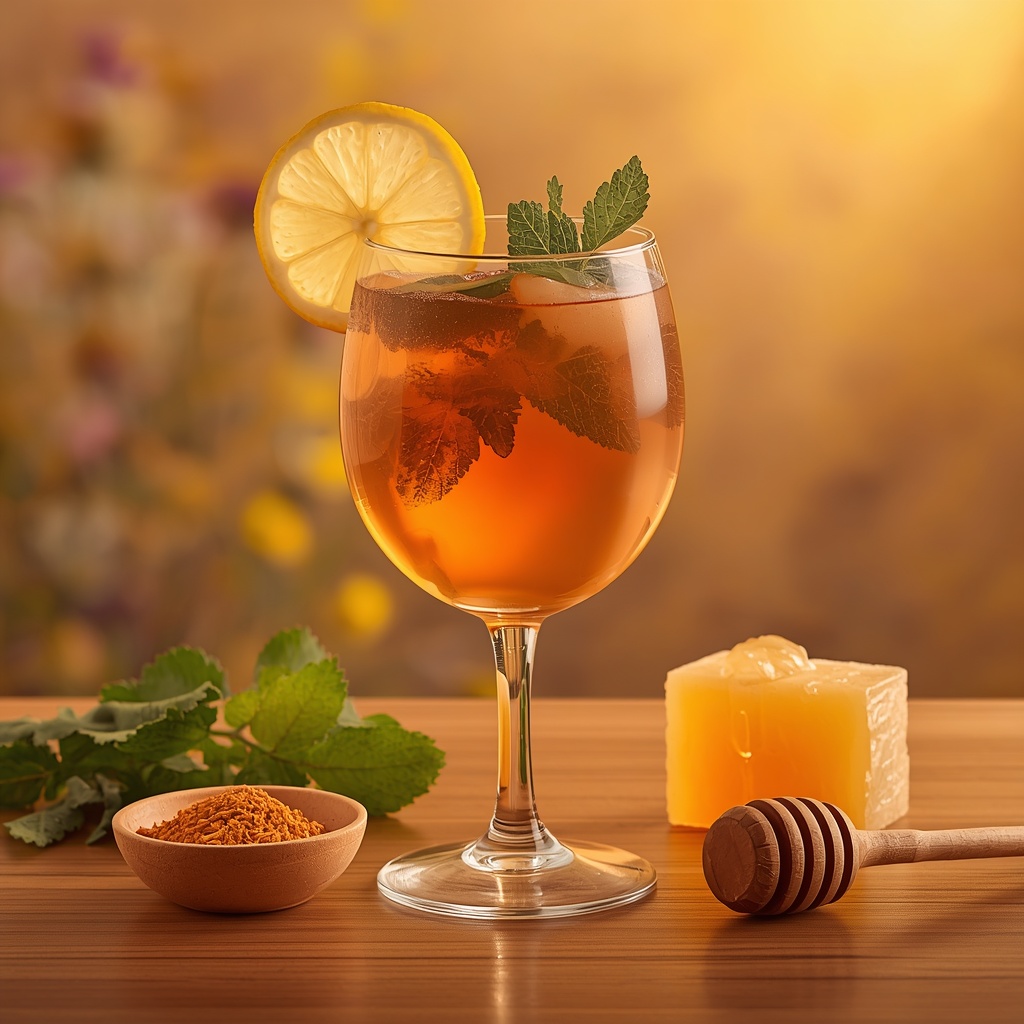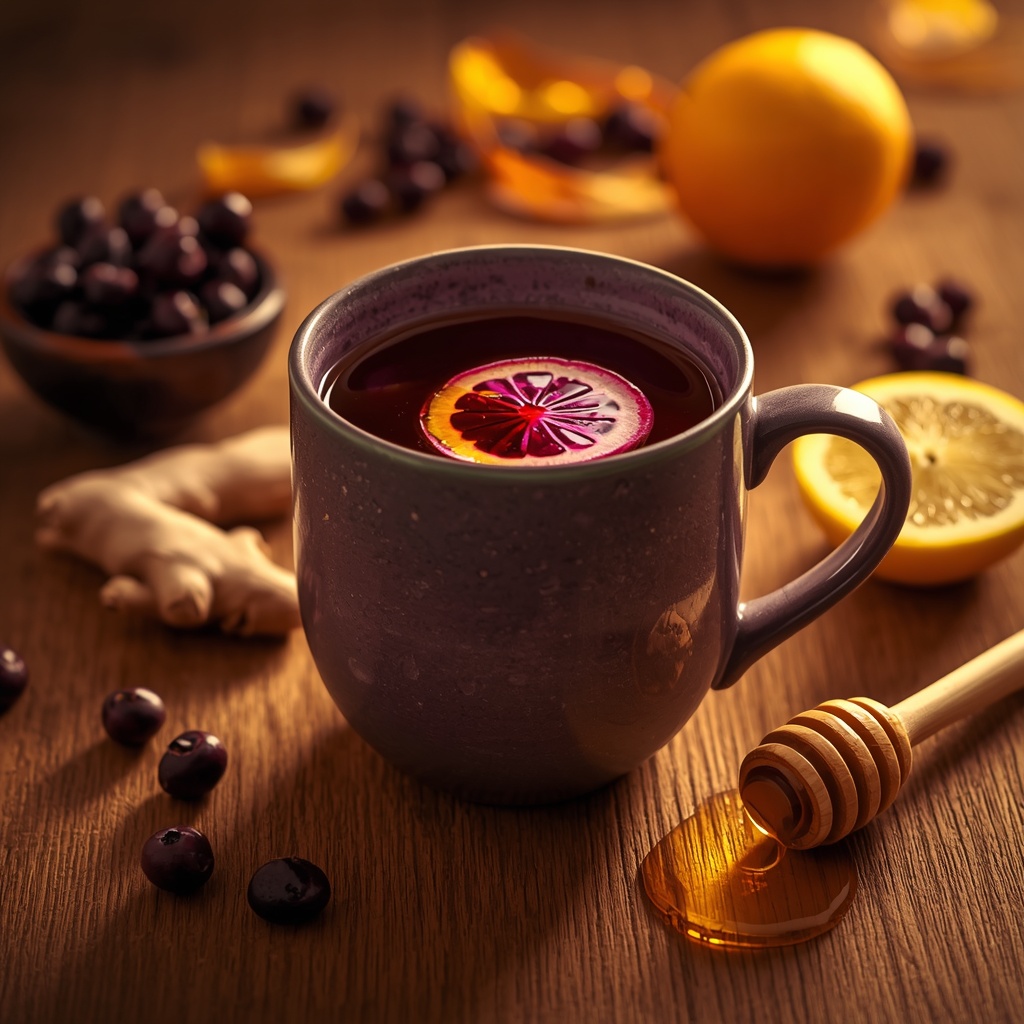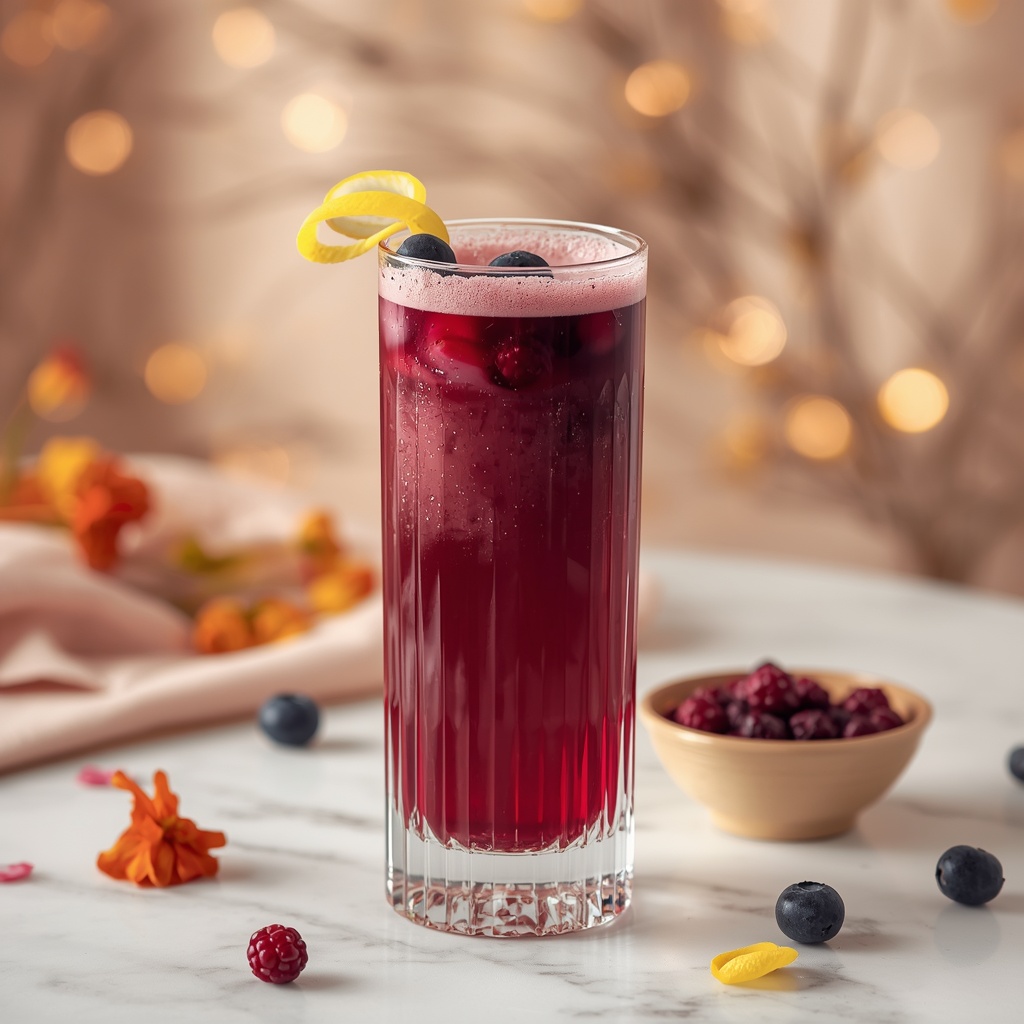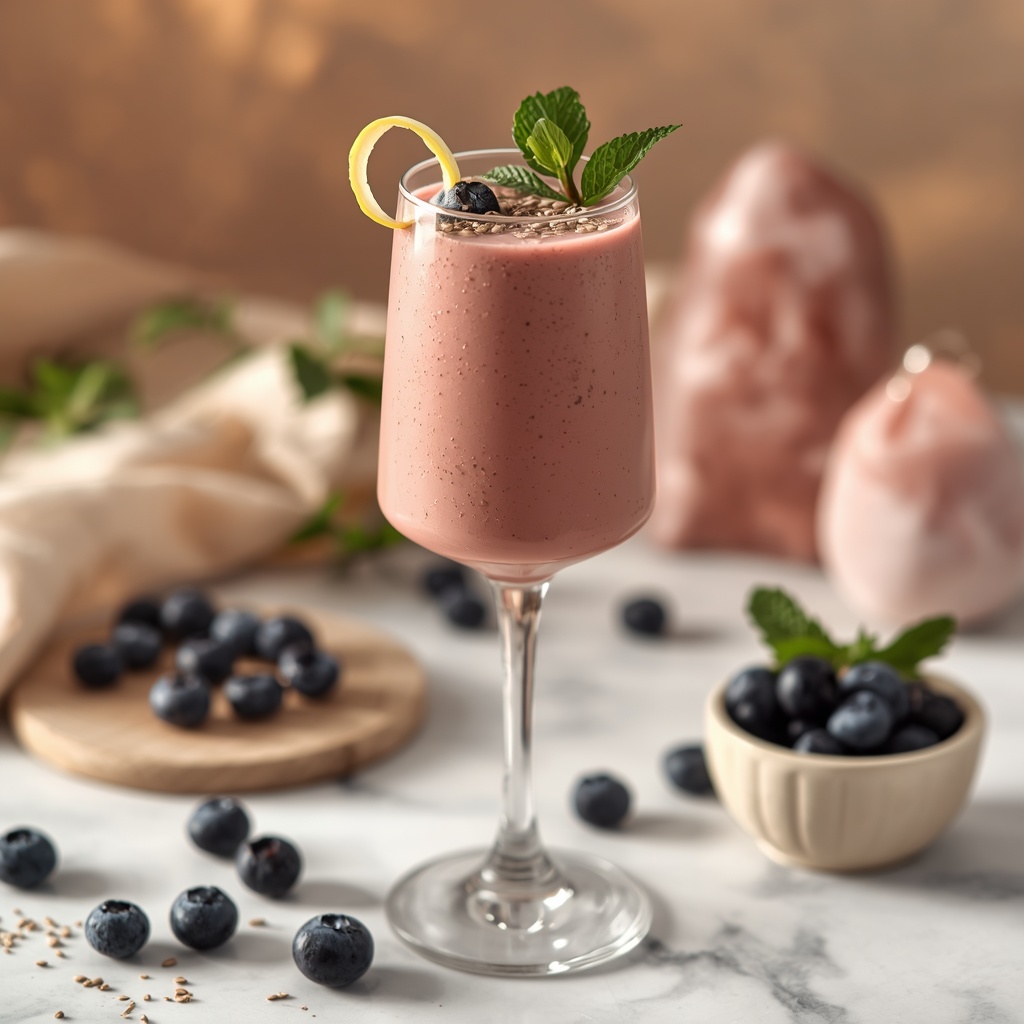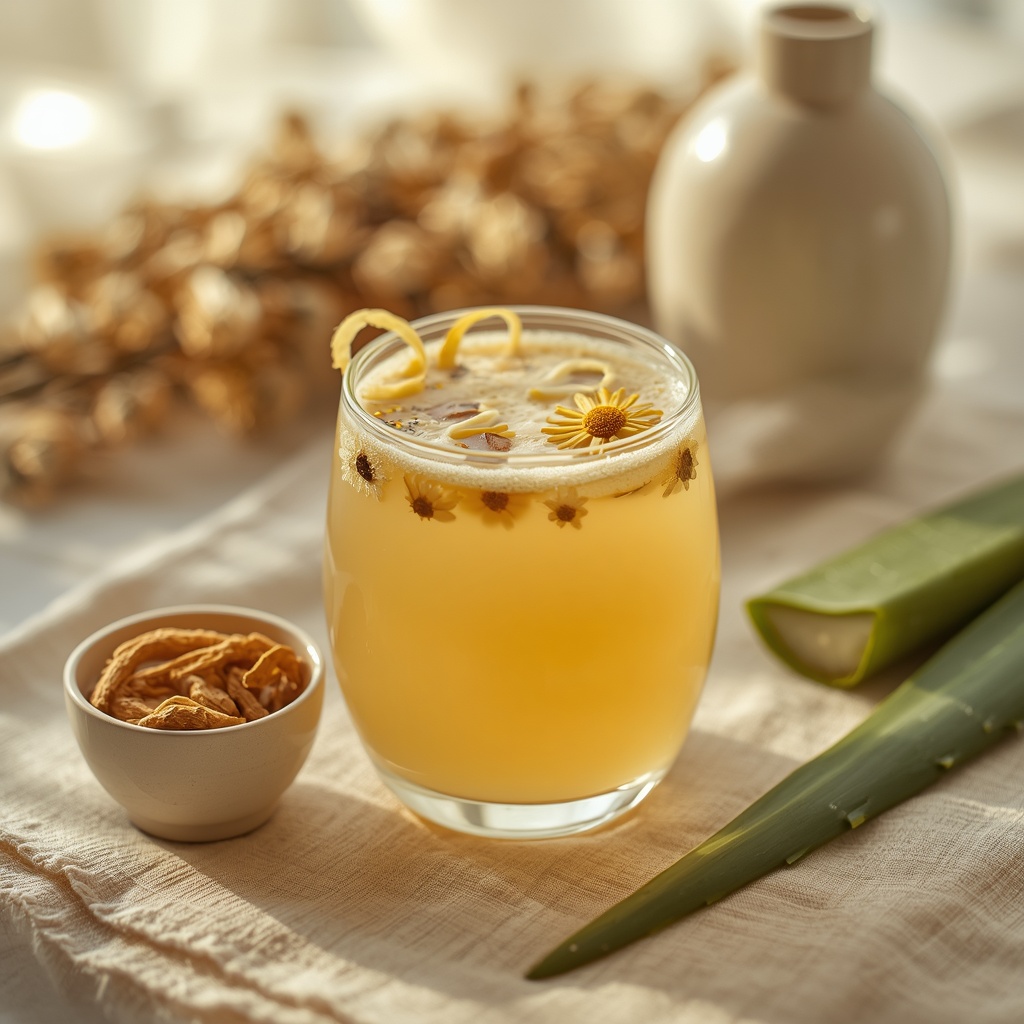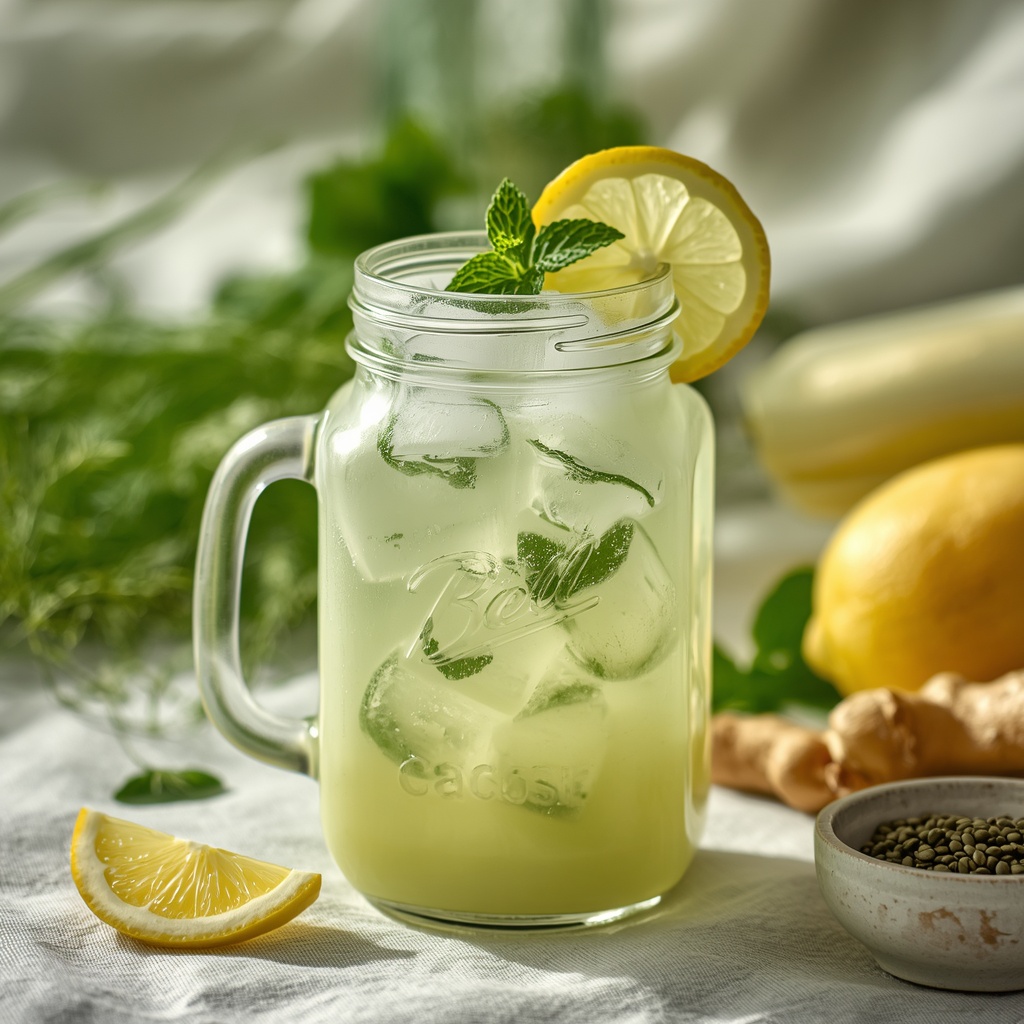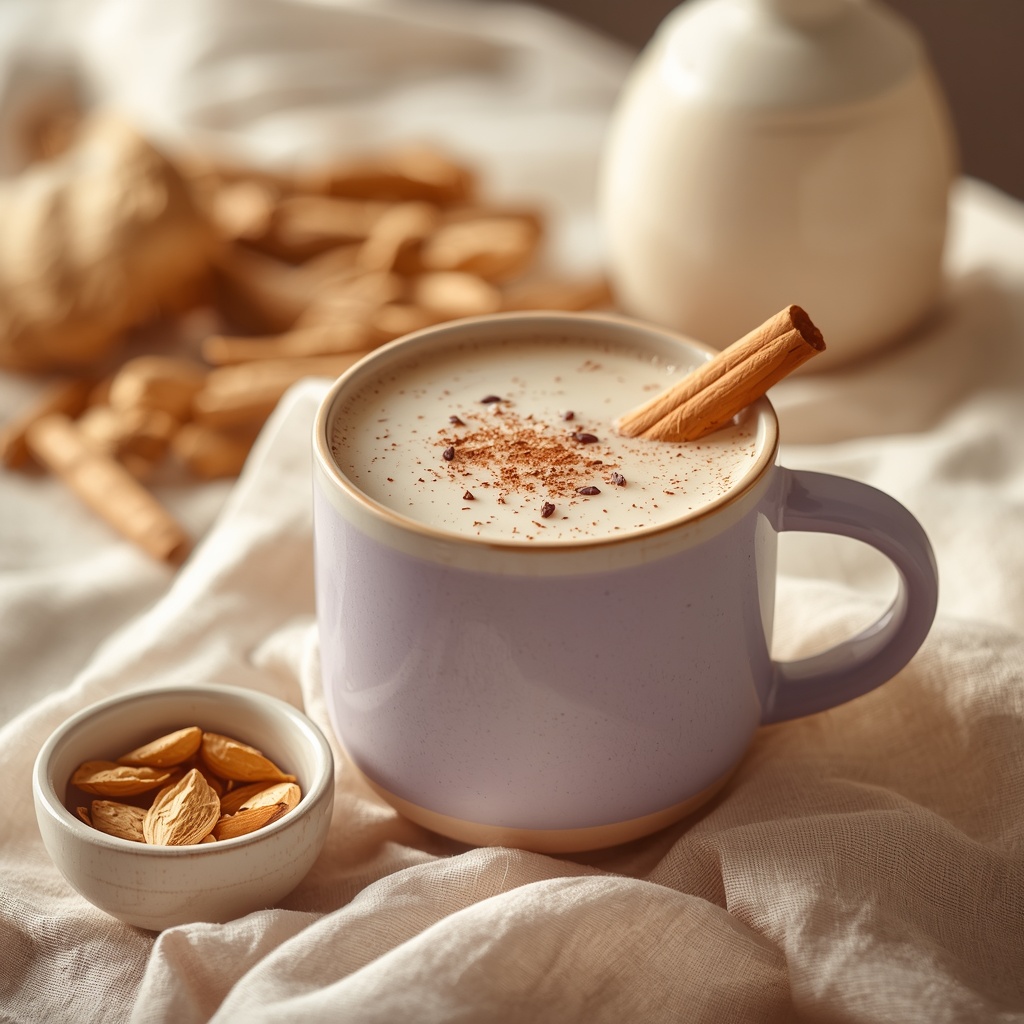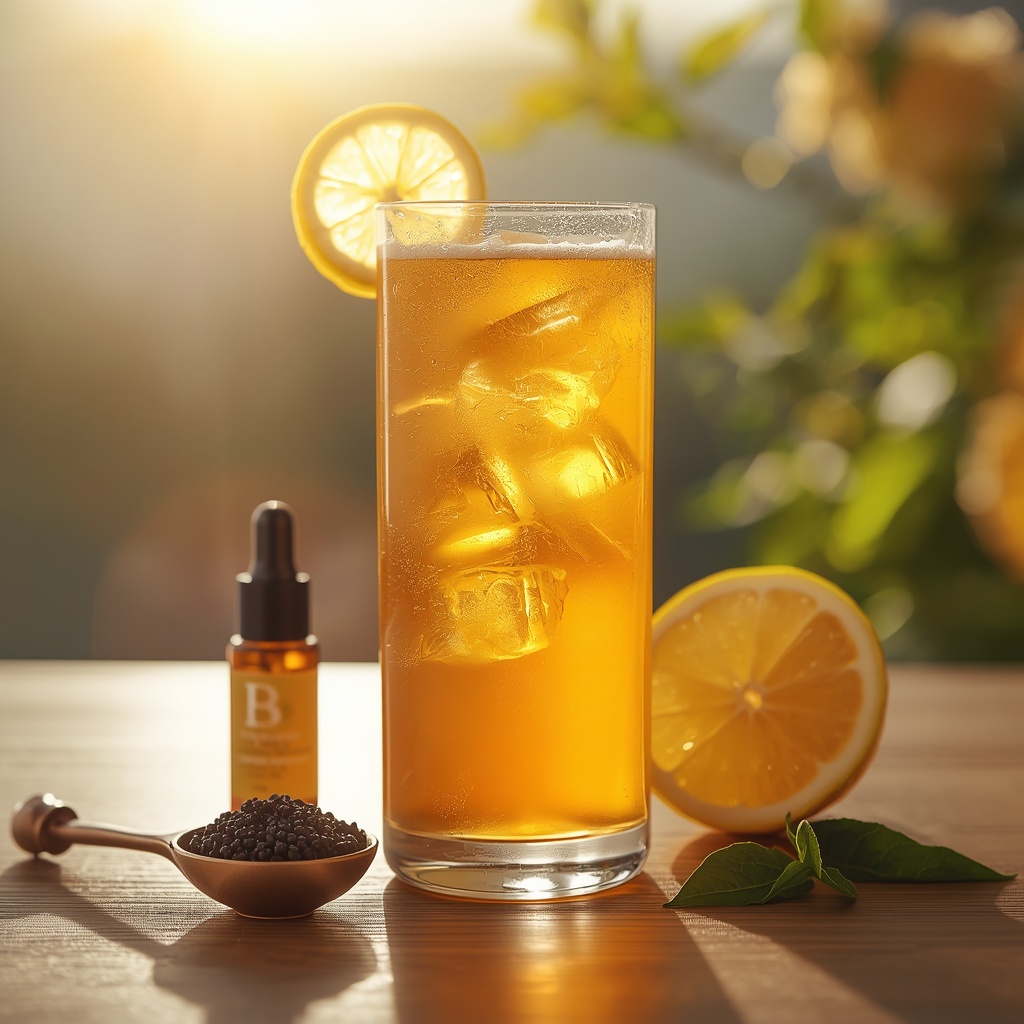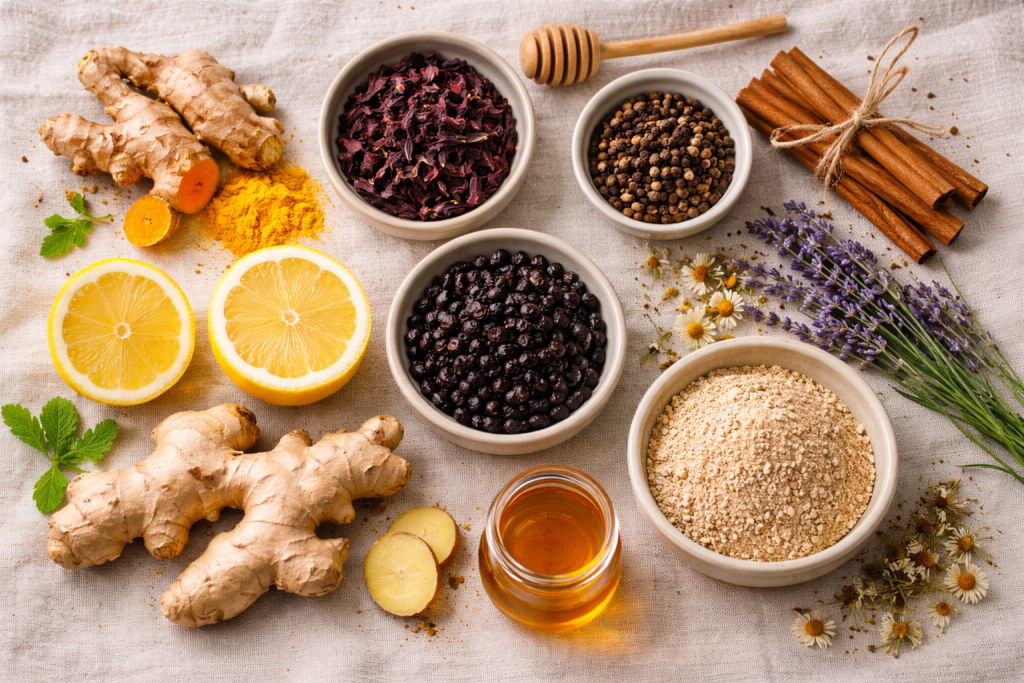
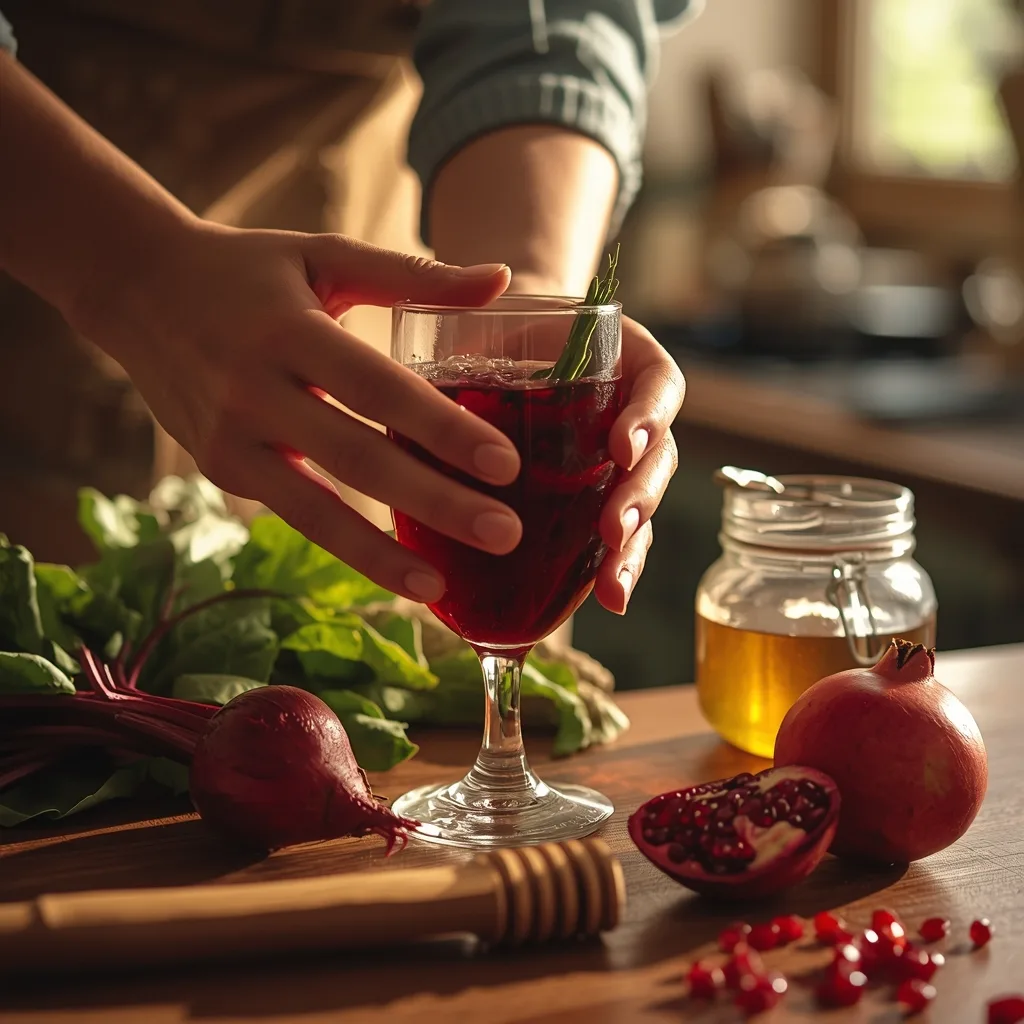
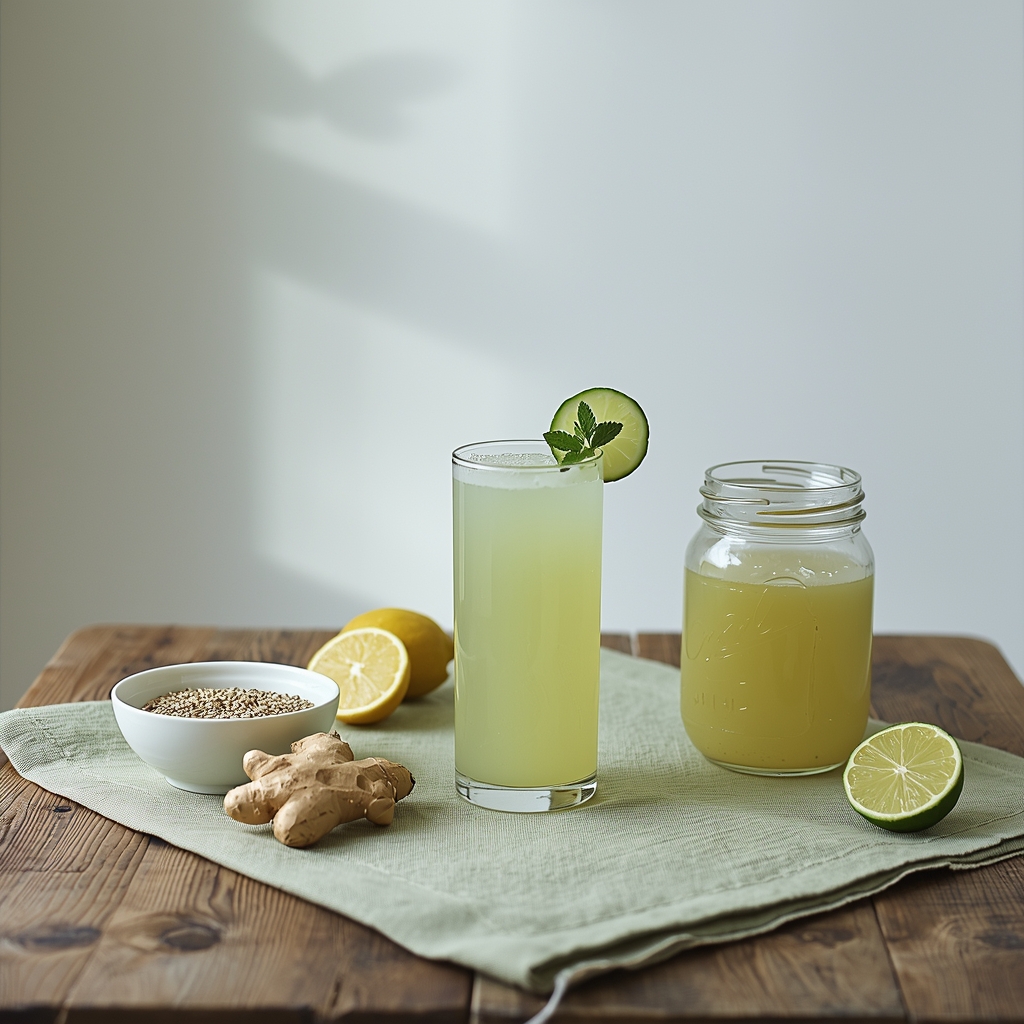
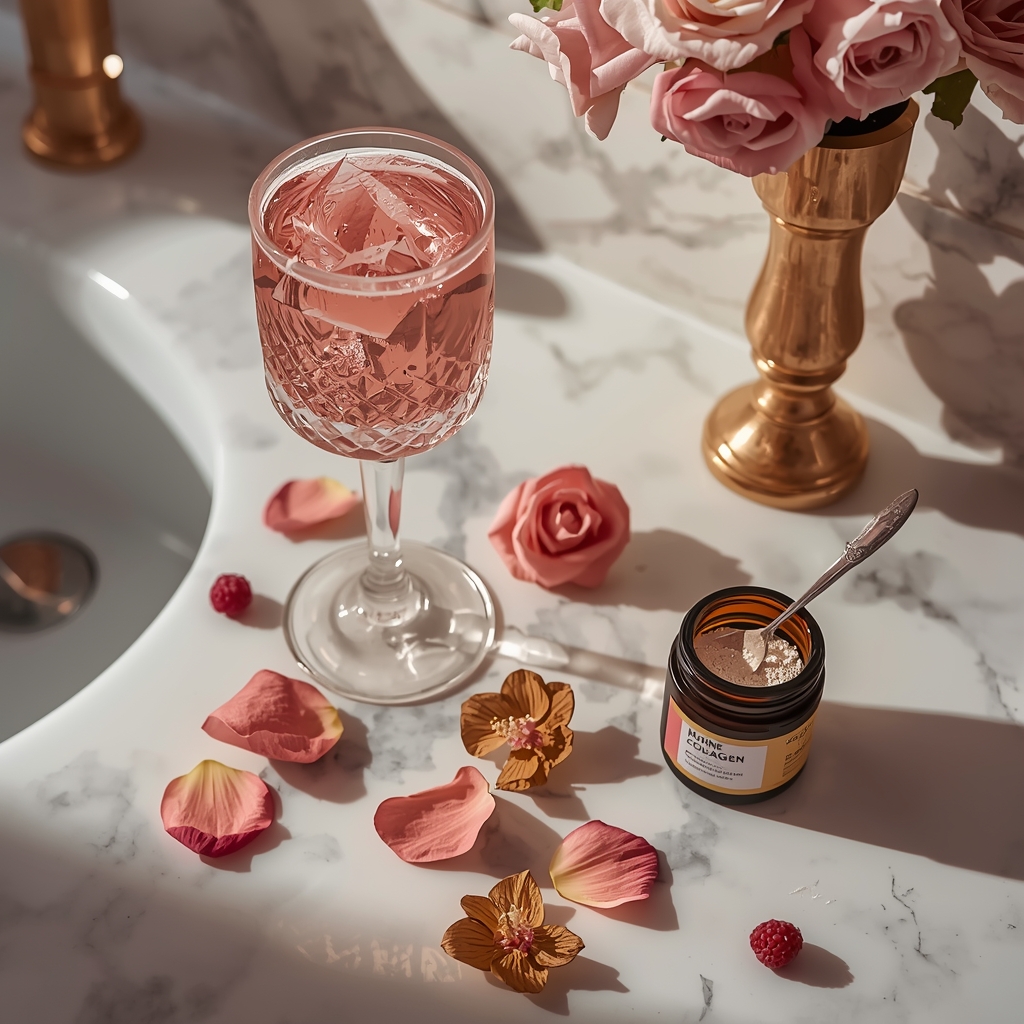
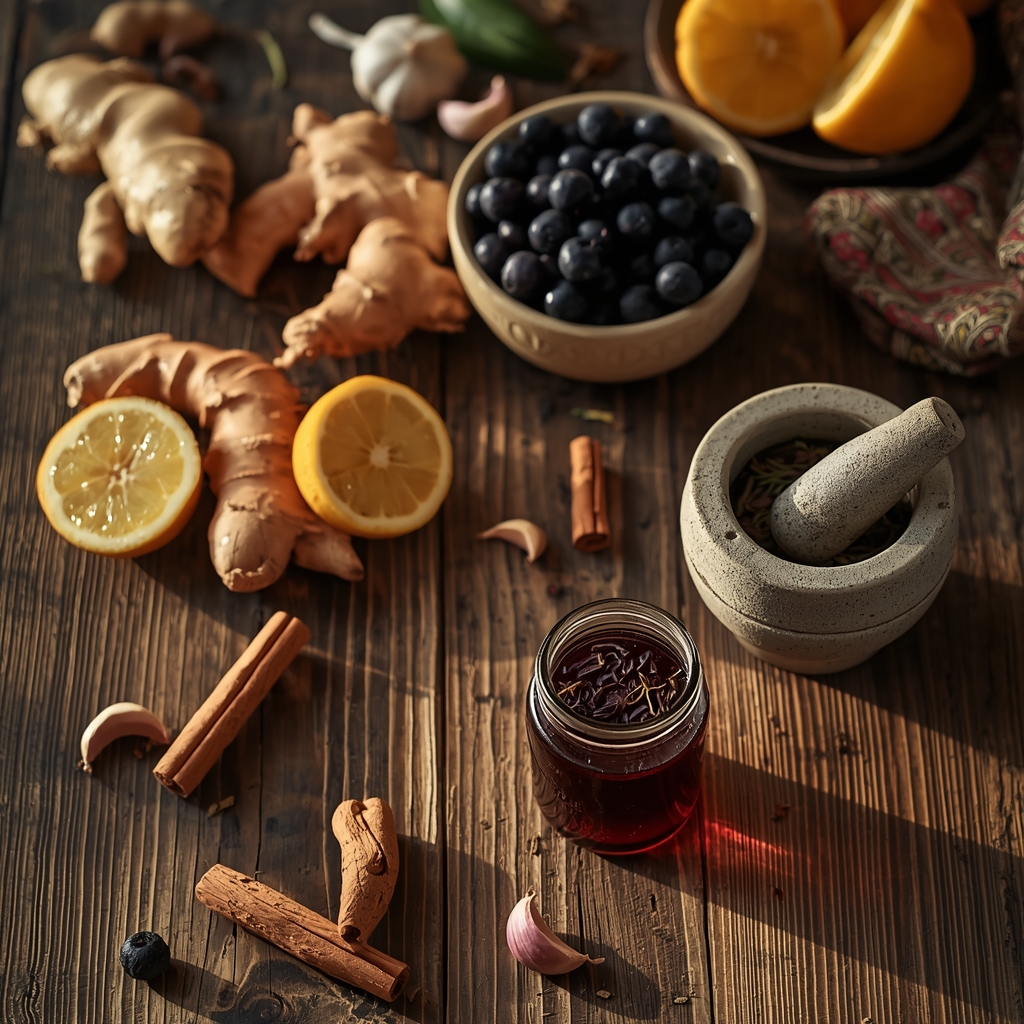
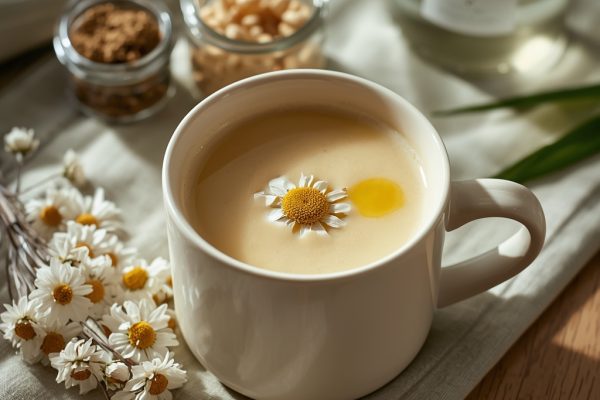
A silky marshmallow root and DGL blend that builds a mucosal shield — no acid suppressants required.
| ⏱ Prep: 10 min | 👥 Serves: 1 | 💚 Goal: Soothe GERD and coat the esophageal lining | ⭐ Difficulty: Easy |
It was 11 p.m. and Sarah was on her third antacid of the week. The burning wasn’t dramatic — just a steady, low-grade fire that crept up every time she lay down. She’d tried cutting coffee, elevating her pillow, and avoiding tomatoes, but the discomfort kept showing up like an uninvited houseguest. A friend who’d dealt with the same thing slid a recipe her way: no pills, no chalky tablets — just a warm, honey-tinted drink that tasted faintly of licorice and chamomile. She made it skeptically, sipped it slowly before bed, and woke up without the usual morning rasp in her throat. That drink was the Velvet Lining Balm. It doesn’t silence acid production — it does something arguably smarter. It rebuilds the barrier that acid was destroying in the first place.
Why This Cocktail Works (According to Science)
•Marshmallow Root: Mucilaginous polysaccharides — When steeped in lukewarm (not boiling) water, marshmallow root releases long-chain polysaccharides that form a slick, film-like coating along inflamed mucosal tissue. This physical barrier reduces direct acid contact with the esophageal wall — working topically rather than systemically. (Source: Pharmaceuticals (NIH), 2020 — film-forming polysaccharides coat inflamed mucosa)
•DGL (Deglycyrrhizinated Licorice): Flavonoids and glycyrrhizinic-acid-free triterpenoids — Standard licorice root can raise blood pressure due to glycyrrhizin. DGL has that compound removed, making it safe for daily use. Studies show it accelerates healing of the mucosal lining by stimulating mucin production and supporting tissue repair without the cardiovascular risk. (Source: Journal of Ethnopharmacology, 2018 — DGL accelerated peptic mucosal healing without raising blood pressure)
•Slippery Elm: Mucin-stimulating mucilage — Slippery elm acts as a demulcent — a substance that soothes irritated mucous membranes by prompting the body to secrete more of its own protective mucin. Think of it as coaching your esophagus to produce its natural armor rather than just patching it from the outside. (Source: Cleveland Clinic — natural demulcent that stimulates mucin secretion)
•Aloe Vera Inner-Leaf Gel: Acemannan and anti-inflammatory polysaccharides — Food-grade inner-leaf aloe (not the whole leaf, which contains laxative anthraquinones) has been studied head-to-head against standard GERD medications. In a randomized controlled trial, it performed comparably to omeprazole at reducing key GERD symptoms including heartburn, food regurgitation, and dysphagia over four weeks. (Source: Journal of Traditional Chinese Medicine, 2015 RCT — aloe vera reduced GERD symptoms as effectively as omeprazole)
| 💡 Did You Know? Modern research increasingly links long-term acid-suppressing medications (PPIs) to microbiome depletion, reduced calcium absorption, and increased infection risk — which is exactly why mucilage-based barrier strategies like this one are attracting more attention from integrative gastroenterologists. |
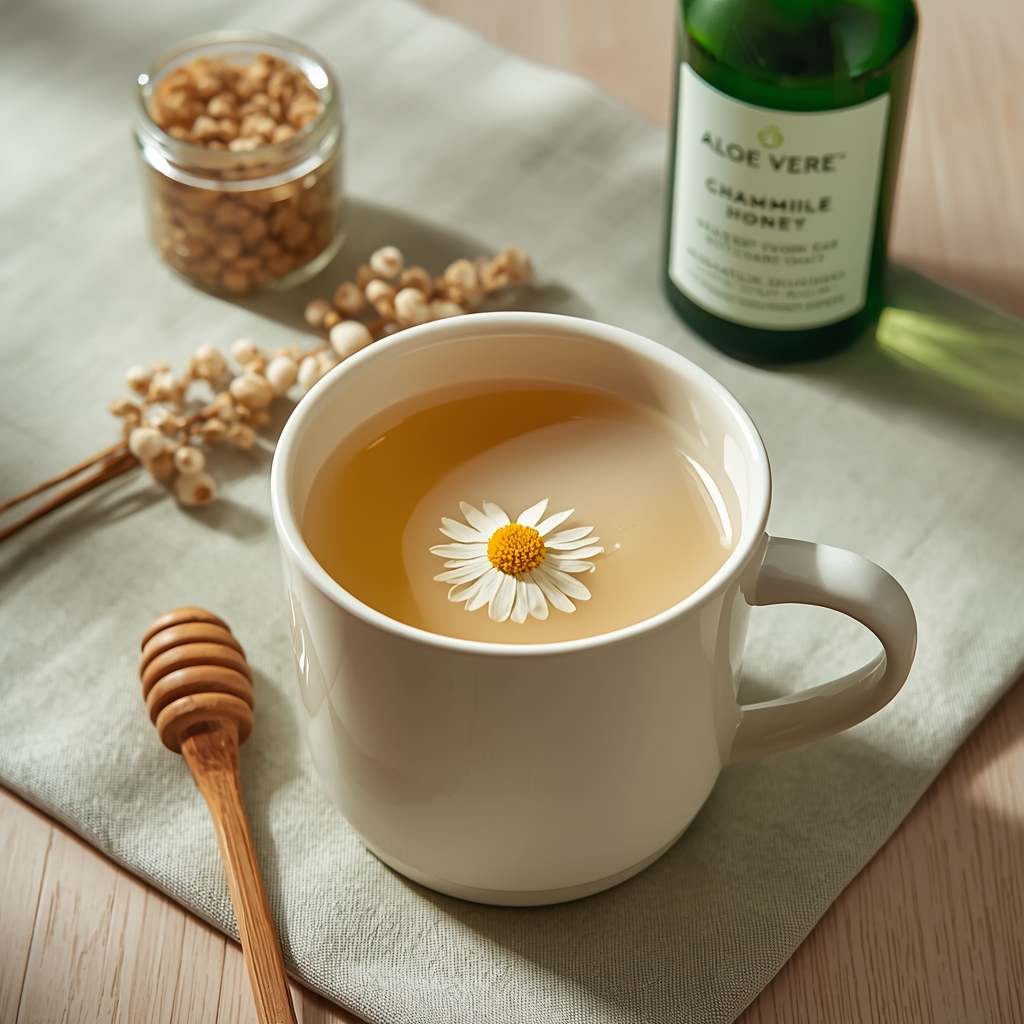
Recipe: Velvet Lining Balm
| ⏱ Prep: 10 min | 👥 Serves: 1 | 💚 Goal: Soothe GERD and coat the esophageal lining | ⭐ Difficulty: Easy |
Ingredients
•1 tsp dried marshmallow root
•1 tsp dried chamomile flowers
•1 cup lukewarm filtered water (not boiling — around 100–110°F / 38–43°C)
•1/2 tsp DGL (deglycyrrhizinated licorice) powder
•1/2 tsp slippery elm powder
•1 tbsp food-grade inner-leaf aloe vera gel
•1/2 tsp manuka honey (optional)
Instructions
Cold-infuse marshmallow root and chamomile. Combine the dried marshmallow root and chamomile flowers in a French press or a clean glass jar. Pour in 1 cup of lukewarm filtered water.
💡 Tip: Lukewarm water — not boiling — is essential here. High heat degrades the delicate mucilaginous polysaccharides in marshmallow root, the very compounds doing the heavy lifting for your esophagus.
Let the infusion steep for 10 minutes, stirring once halfway through. Then strain it through a fine-mesh sieve into a mug, pressing gently to extract all the silky liquid.
💡 Tip: The strained liquid will look slightly cloudy and feel slightly slippery between your fingers — that’s the mucilage. That’s exactly what you want.
Add DGL and slippery elm. Measure the DGL powder and slippery elm powder directly into the warm infusion. Whisk gently until both powders are fully dissolved with no lumps remaining.
💡 Tip: A small handheld milk frother works beautifully here and prevents clumping. Slippery elm in particular can settle fast, so whisk just before drinking too.
Stir in the aloe vera gel and optional manuka honey. Add the food-grade inner-leaf aloe gel and honey if using, and stir until the mixture is uniform and glossy.
💡 Tip: Make sure your aloe is labeled ‘inner-leaf’ or ‘inner fillet’ — whole-leaf aloe contains aloin, a compound that can irritate the GI tract and is the opposite of what you’re going for.
Sip slowly 20–30 minutes before meals or at bedtime. Don’t gulp — slow sipping maximizes the contact time between the mucilaginous blend and your esophageal lining, giving the coating compounds the most surface coverage possible.
💡 Tip: Bedtime is particularly effective for chronic nighttime reflux, since lying down after drinking allows the coating to settle along the lower esophagus — exactly where acid creeps up.
Variations
| Sugar-Free | Skip the manuka honey entirely. The drink is naturally mild and slightly earthy without it. For a touch of sweetness without sugar, a few drops of pure stevia work well and won’t spike blood glucose or feed esophageal inflammation the way refined sugar can. |
| Hot (Comfort Sip) | Warm the strained infusion gently to no more than 140°F (60°C) before adding powders. Going hotter than that risks breaking down the mucilage. This version is especially comforting in winter or when you want the ritual feel of a proper hot tea. |
| Cold-Infused Overnight | Add all ingredients to cold filtered water the night before and refrigerate for 8–12 hours. Cold infusion actually extracts more mucilage from marshmallow root than even lukewarm water does, so this version delivers the most potent protective coating. Strain and sip chilled in the morning. |
| Boosted (Zinc Carnosine Add-In) | Dissolve one 75 mg zinc carnosine capsule (contents only) into the finished drink. Zinc carnosine has clinical evidence for protecting and repairing gastric and esophageal mucosa, making it a well-studied complement to the botanical lineup already in this recipe. Use this version during active flare-ups. |
Ready to Try It Tonight?
Give this recipe a try tonight — especially if you usually reach for an antacid before bed. Make it once and you’ll understand immediately why the texture alone feels therapeutic. Save it to your Pinterest boards, share it with anyone who talks about GERD at the dinner table, and let us know in the comments how your first sip went.
📌 Save this recipe on Pinterest for later!
| ⚠️ Disclaimer: This article is for informational purposes only and does not constitute medical advice. Always consult a qualified healthcare professional before making dietary changes, especially if you have a medical condition or take medications. |