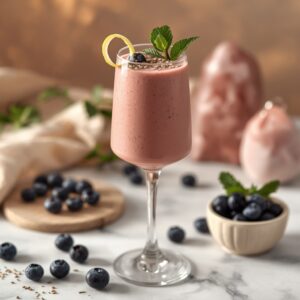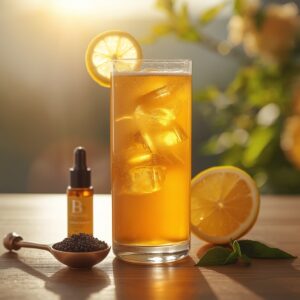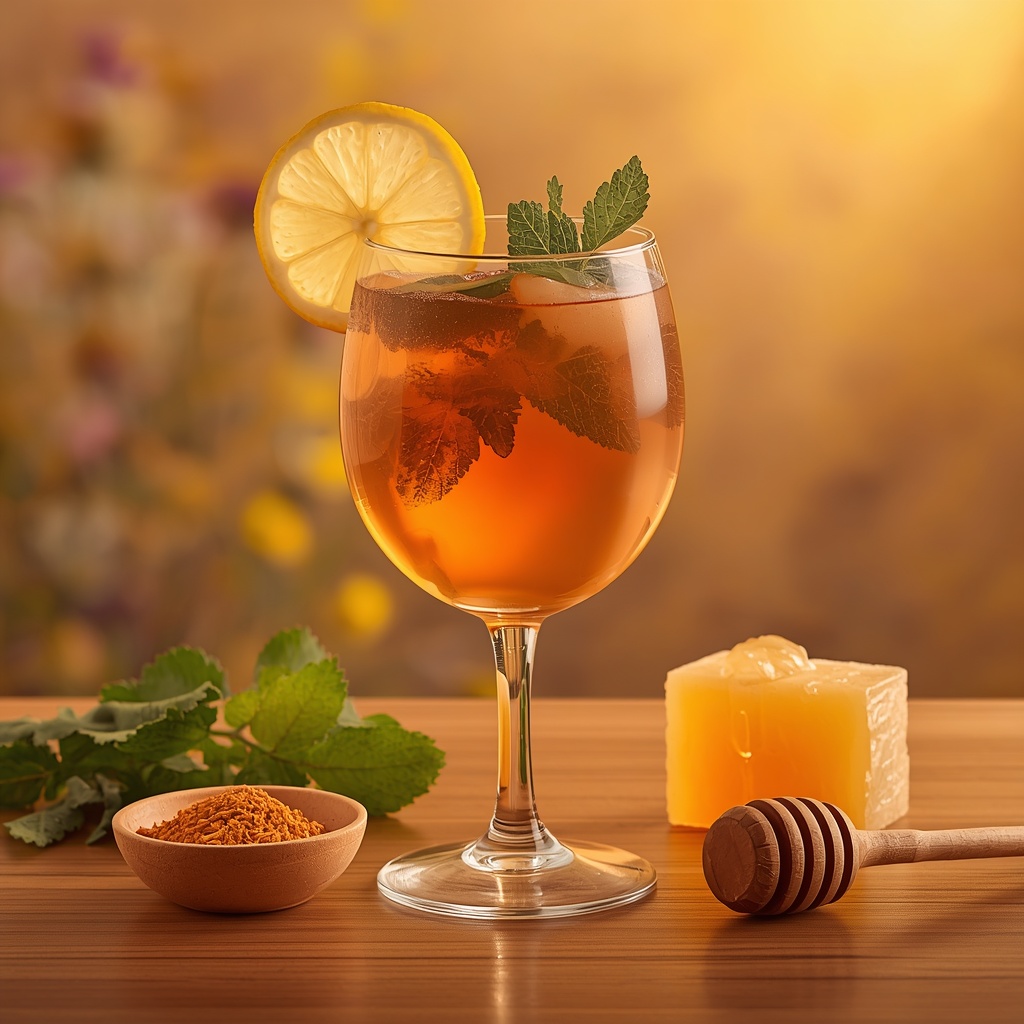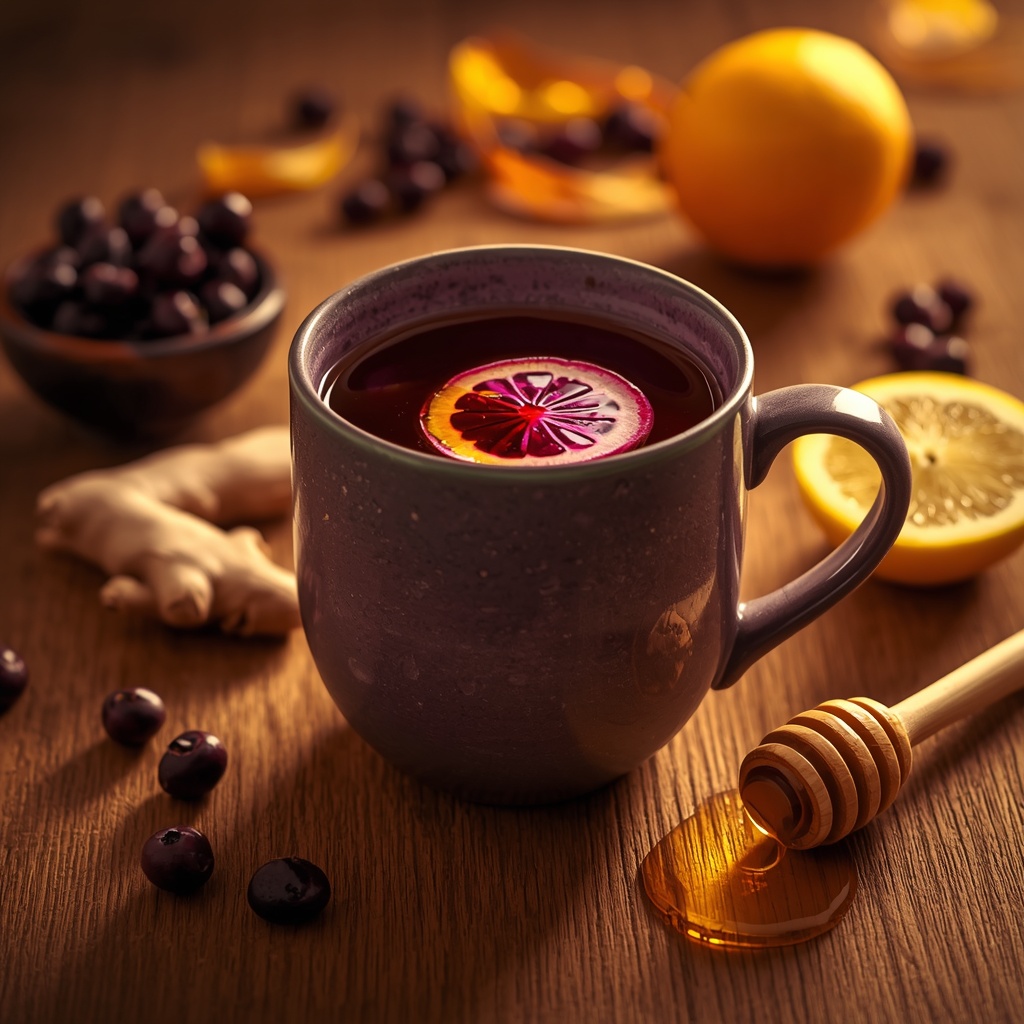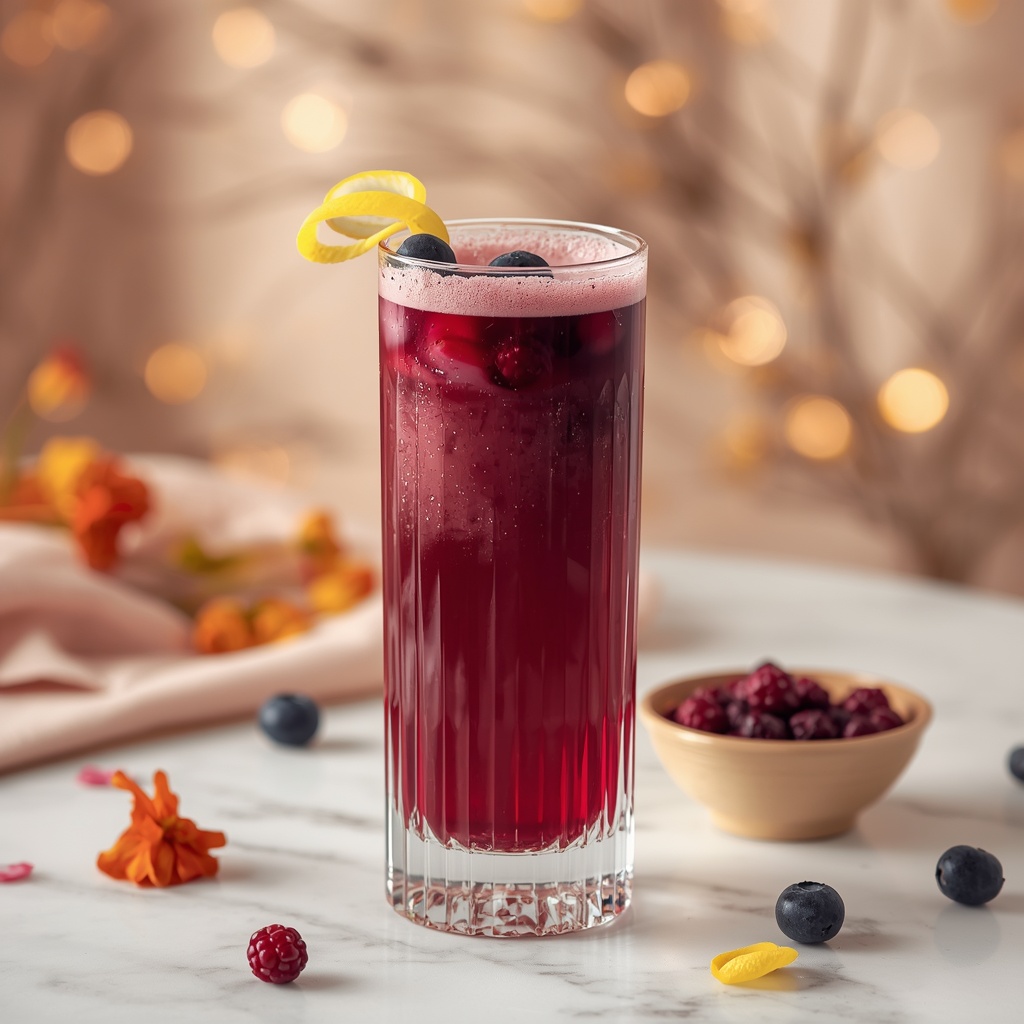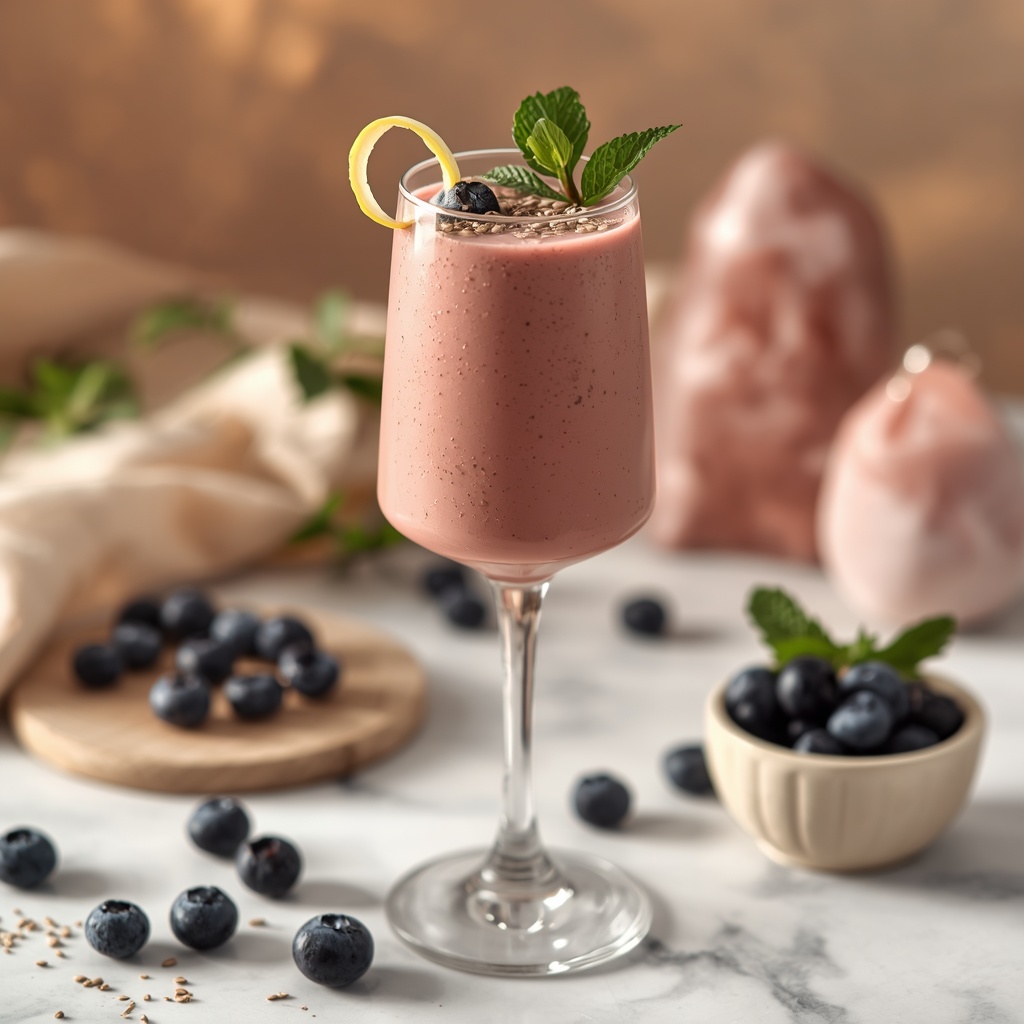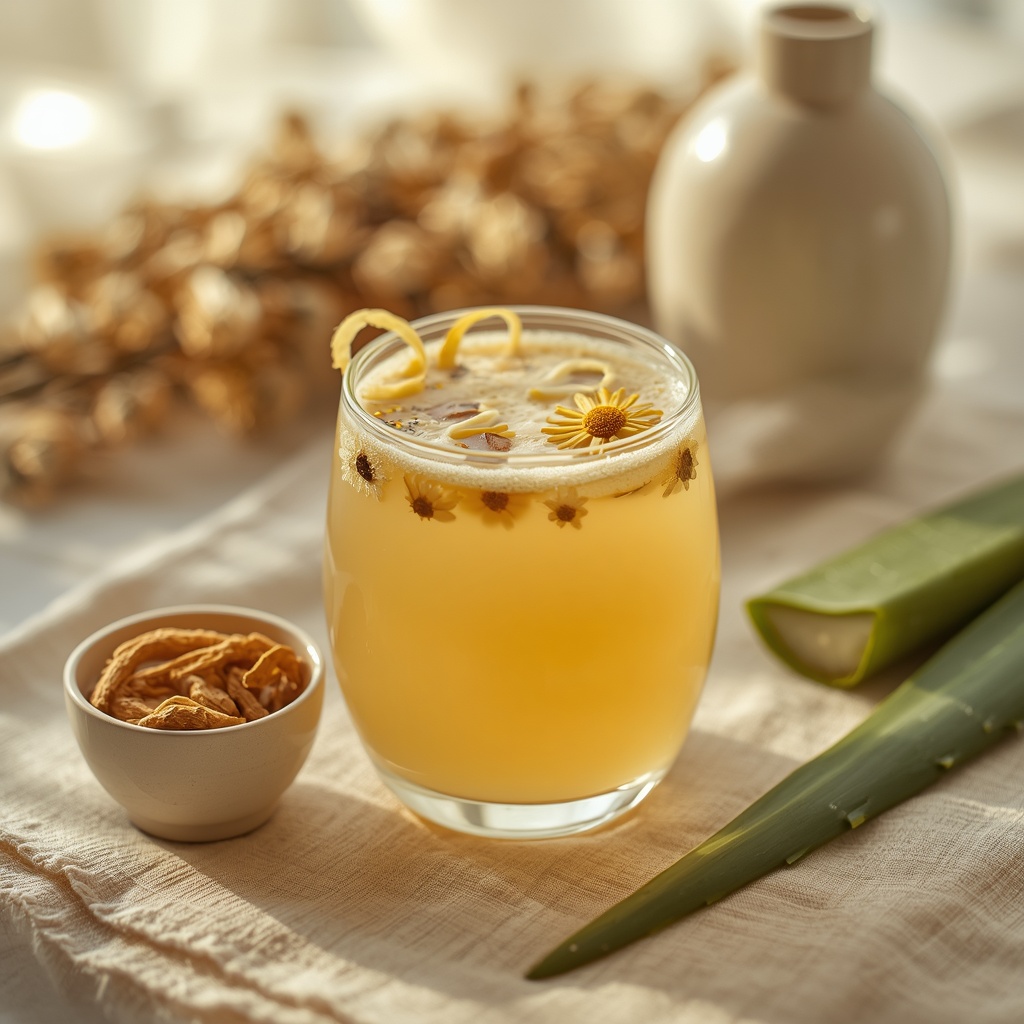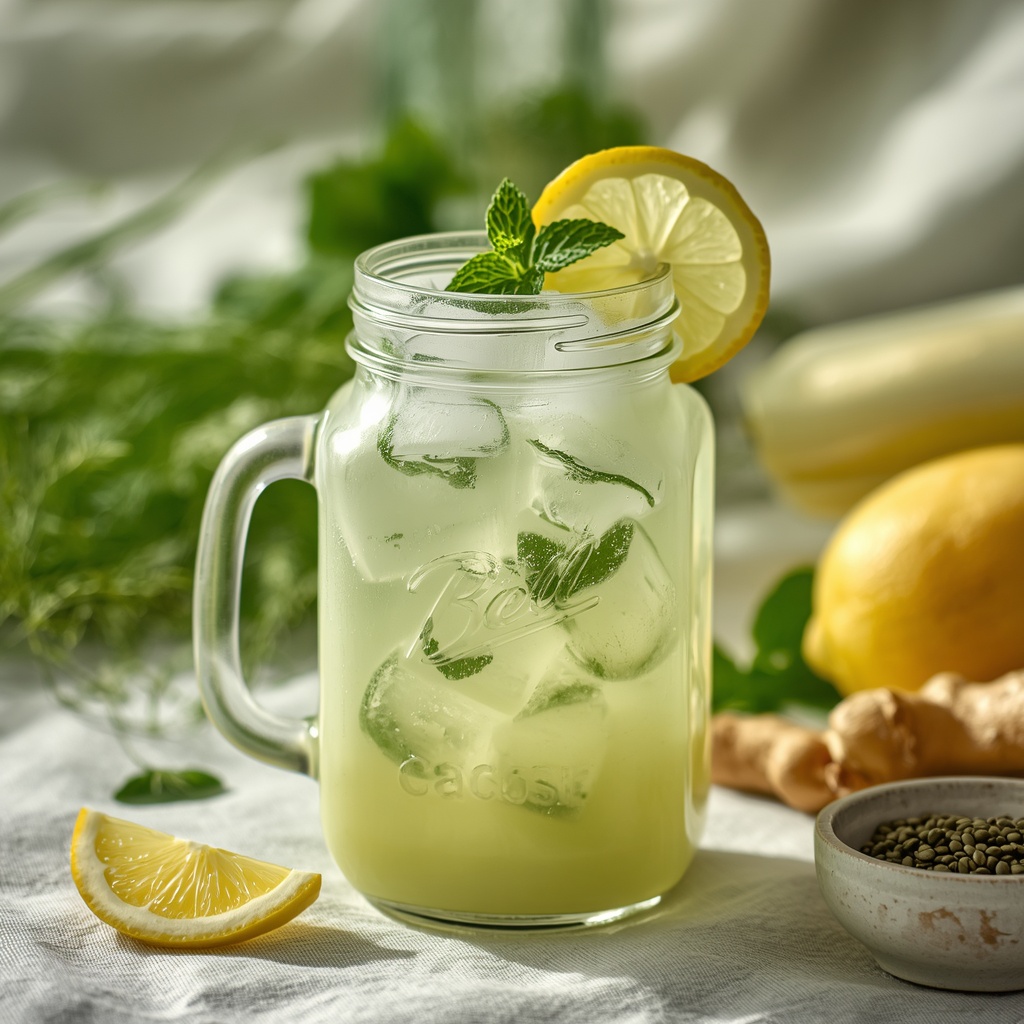
What Roman physicians prescribed for brittle bones, modern researchers are now confirming at the cellular level — and it starts with a glass.
| ⏱ PREP6 min | 👥 SERVES1 | 💚 GOALHair & Nails | ⭐ LEVELEasy |
What Medieval Herbalists Knew About Brittle Nails
Around 50 CE, the Greek physician Pedanius Dioscorides cataloged hundreds of medicinal plants in his landmark work De Materia Medica. Among them sat a strange, jointed, reed-like weed he called Hippouris — “horse tail” in Greek. He noted its power to “consolidate and bind” wounds and tissues. Centuries later, the Roman physician Galen echoed these observations, recommending horsetail for its “binding and drying” properties.
What neither Dioscorides nor Galen could have known was why horsetail worked so well on tissues. It would take until the twentieth century for scientists to identify the culprit: silica, specifically the bioavailable monosilicic acid form that horsetail concentrates in its silicified cell walls at levels unmatched by almost any other plant on Earth.
Fast forward to 2016, when researchers publishing in the Anais Brasileiros de Dermatologia confirmed that among all chemical forms of silicon studied, orthosilicic acid — the form released when horsetail steeps — shows the highest bioavailability and direct evidence of benefit for skin, hair, and nail integrity. Two thousand years of folk medicine had been pointing at the right molecule all along.
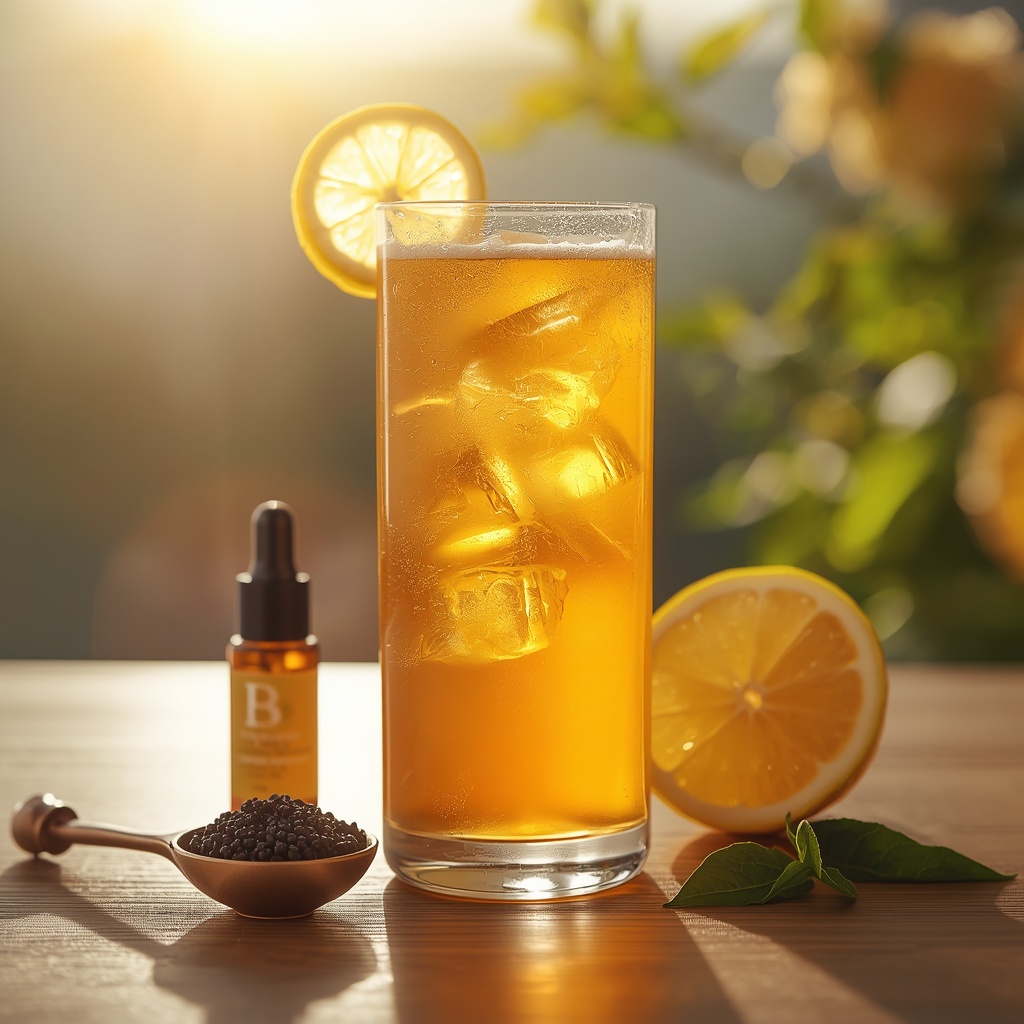
The Horsetail Silica Surge brings that ancient wisdom into a crisp, pale-gold daily ritual — layering three plant sources of silica for a concentrated mineral rebuild.
Why This Cocktail Works (According to Science)
Silica is not glamorous, but it is essential. Your nails, hair follicles, and connective tissues all depend on silicon to weave collagen fibers together, anchor keratin filaments, and maintain structural elasticity. When your daily silicon intake drops — and most Western diets are chronically low — nails split, hair thins, and connective tissue loses tensile resilience. This drink attacks that deficit from three botanical angles.
Horsetail (Equisetum arvense) — Bioavailable orthosilicic acid: A 2015 review in the Journal of Clinical and Aesthetic Dermatology (PMID: 26705446) identified Equisetum arvense as one of nature’s most concentrated plant silicon sources, describing its traditional and emerging clinical use for supporting nail and hair quality. The silica in horsetail exists primarily as monosilicic acid — the form small enough to be absorbed intact through the gut wall.
Bamboo silica (70% organic silica) — Tensile strength amplifier: A landmark clinical study published in Archives of Dermatological Research (Wickett et al., 2007; DOI: 10.1007/s00403-007-0796-z) demonstrated that oral choline-stabilized orthosilicic acid — the same bioavailable form found in concentrated bamboo silica extracts — significantly improved hair tensile strength and morphology in women with fine hair over a 9-month period.
Stinging nettle (Urtica dioica) — Mineral matrix support: A 2018 paper in the Journal of Herbal Medicine (DOI: 10.1016/j.hermed.2018.01.001) cataloged Urtica dioica’s remarkably broad mineral profile — silicon, iron, zinc, and magnesium — all of which function as cofactors in the enzymatic pathways that build keratin and support follicle health.
Vitamin C (lemon juice) — The collagen enabler: Vitamin C is the rate-limiting cofactor for hydroxylation of proline and lysine — the step that locks collagen triple helices into stable, load-bearing fibers. Without it, even abundant silica cannot fully translate into structural tissue.
| 🔬 Synergy Note:Horsetail delivers plant silica → nettle adds iron and zinc cofactors → bamboo concentrates the silica signal → lemon’s vitamin C activates collagen synthesis. Keratin production receives raw materials from four angles simultaneously. |
| 💡 Did You Know? Horsetail (Equisetum arvense) is a direct descendant of ancient plants that covered the Earth 350 million years ago. It is one of the last surviving species of a plant family that once grew taller than trees. Its extraordinary silica content is not a coincidence — the plant uses silica as a structural skeleton, the same way our own bodies use it in connective tissue. |
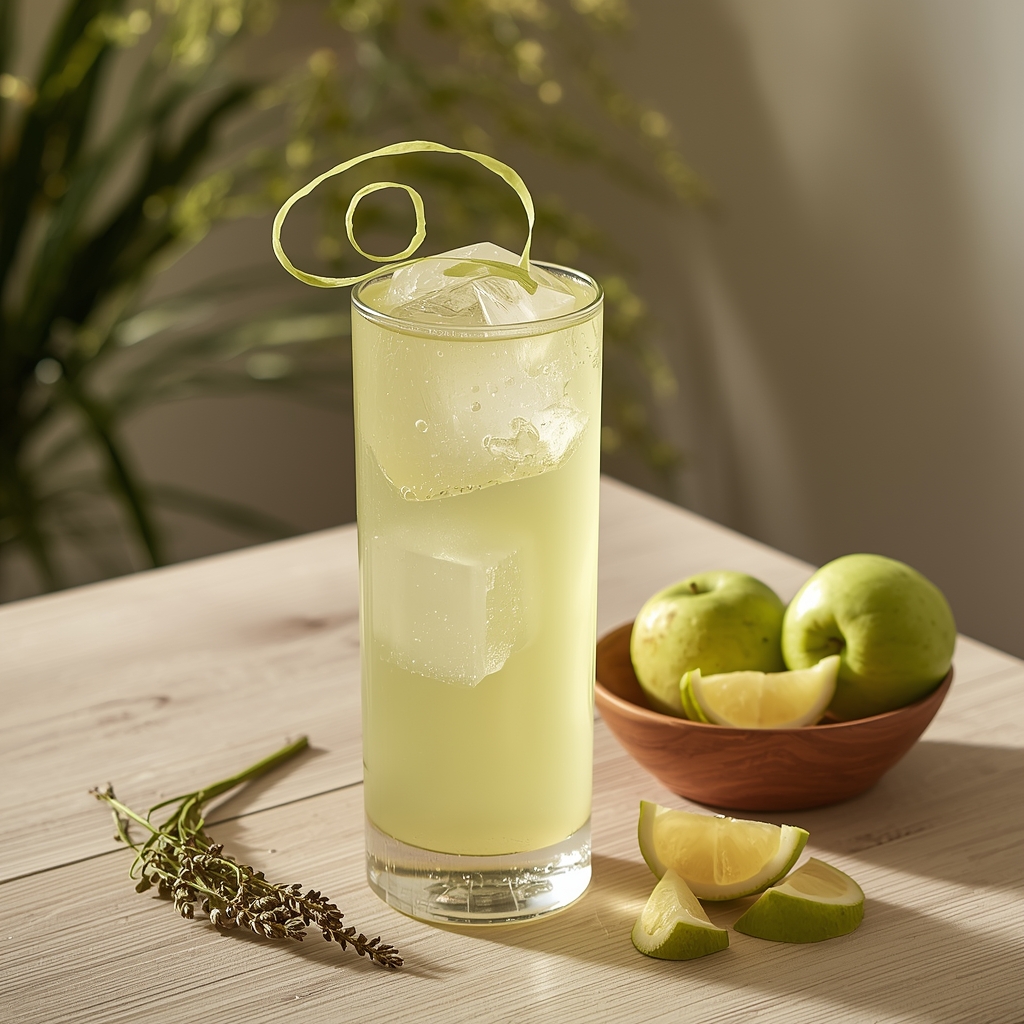
Recipe: Horsetail Silica Surge
| ⏱ PREP6 min | 👥 SERVES1 | 💚 GOALHair & Nails | ⭐ LEVELEasy |
Ingredients
•1 tsp dried organic horsetail (Equisetum arvense), brewed in 200 ml filtered water
•1 tsp dried stinging nettle leaf (added to the same brew)
•½ capsule bamboo silica extract, 70% organic silica (≈ 150 mg)
•60 ml (¼ cup) fresh green apple juice — malic acid brightens and rounds the flavor
•1 tsp fresh lemon juice — vitamin C cofactor for collagen synthesis
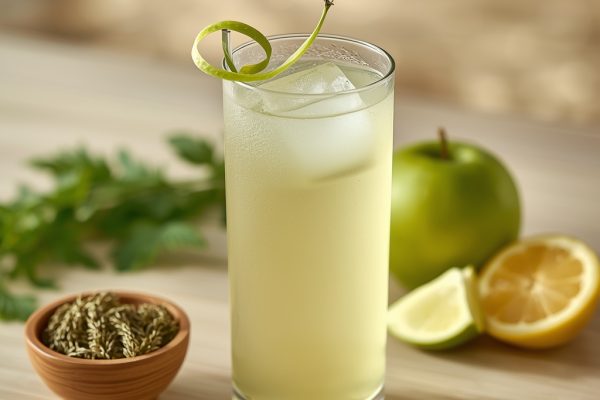
•For garnish: thin green apple ribbon + lemon twist
💰 Estimated cost: $1.20–1.80 per serving
Instructions
1.Combine horsetail and nettle in a tea strainer or tea bag. Steep in 220 ml of water at 95°C (just off the boil) for 8 minutes, keeping the cup or vessel covered to trap volatile compounds.
💡 Tip: Covering the brew prevents silicic acid from evaporating and preserves the mineral potency.
2.Open the bamboo silica capsule and whisk the powder directly into the warm brew until fully dispersed — about 20 seconds of stirring.
3.Strain into a glass and let cool to comfortable drinking temperature (roughly 5 minutes at room temperature, or speed it up with a quick ice bath around the outside of the glass).
4.Stir in the fresh green apple juice and lemon juice. Taste — the brew should read herbal and gently sweet, with a clean citrus edge.
5.Transfer to a tall slim glass over one large ice cube. Garnish with a curled green apple ribbon draped over the rim and a short lemon twist.
⏱ Time-saving tip: Brew a triple batch of the horsetail-nettle tea and refrigerate for up to 3 days. Add fresh apple juice and lemon each morning so the silica stays bioavailable — pre-mixing acidic juices with the mineral tea over long periods can affect stability.
Variations
| 🌿 Sugar-Free | Replace green apple juice with 60 ml cucumber water — fully sugar-free with a refreshing finish. |
| 🥛 Vegan | Already 100% plant-based. No substitutions needed. |
| 💪 Boosted | Add 2.5 g collagen peptides (or a vegan collagen-builder blend) to synergize with the silica signal. |
| ❄️ / ☕ Cold / Warm | Best served cold over ice. A warm version — skip the ice, serve at gentle sipping temperature — is also acceptable as a morning ritual. |
Make It Your Morning Ritual
Try the Horsetail Silica Surge every morning for 4–6 weeks (then take a 2-week break per traditional herbalism guidelines) and pay attention to how your nails feel — most people notice less peeling and splitting within 3–4 weeks.
📌 Save this recipe on Pinterest for later — your future nails will thank you!
| ⚠️ Disclaimer: This article is for informational purposes only and does not constitute medical advice. Horsetail should be used cyclically (4–6 weeks on, 2 weeks off) per traditional herbalism guidelines. Always consult a qualified healthcare professional before making dietary changes, especially if you have a medical condition, are pregnant, or take prescription medications. |
Scientific Sources
1. Drucker C.R. (2015). “Equisetum arvense as a natural silicon source supporting nail and hair quality.” J Clin Aesthet Dermatol. PMID: 26705446
2. Wickett R. et al. (2007). “Effect of oral intake of choline-stabilized orthosilicic acid on hair tensile strength and morphology in women with fine hair.” Arch Dermatol Res. DOI: 10.1007/s00403-007-0796-z
3. Gülçin İ. et al. (2018). “Urtica dioica mineral profile supporting hair health.” J Herbal Medicine. DOI: 10.1016/j.hermed.2018.01.001
4. Addor F. et al. (2016). “Use of silicon for skin and hair care: an approach of chemical forms available and efficacy.” An Bras Dermatol. PMC4938278