The Silky Daily Drink That Treats Your Stomach Like Fine Linen
| ⏱ Prep: 5 min | 👥 Serves: 1 | 💚 Goal: Gut lining repair | ⭐ Difficulty: Easy |
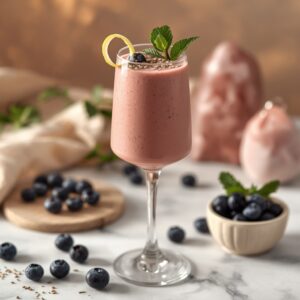
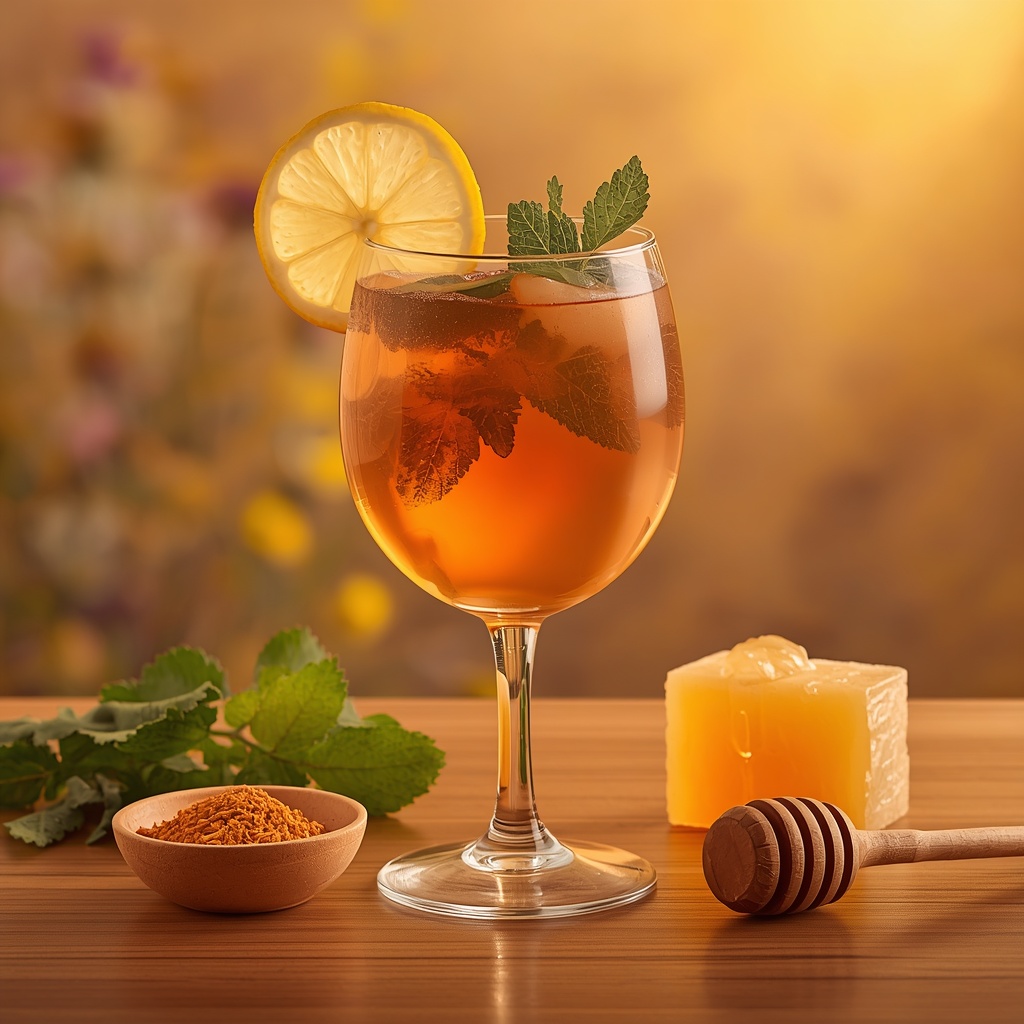
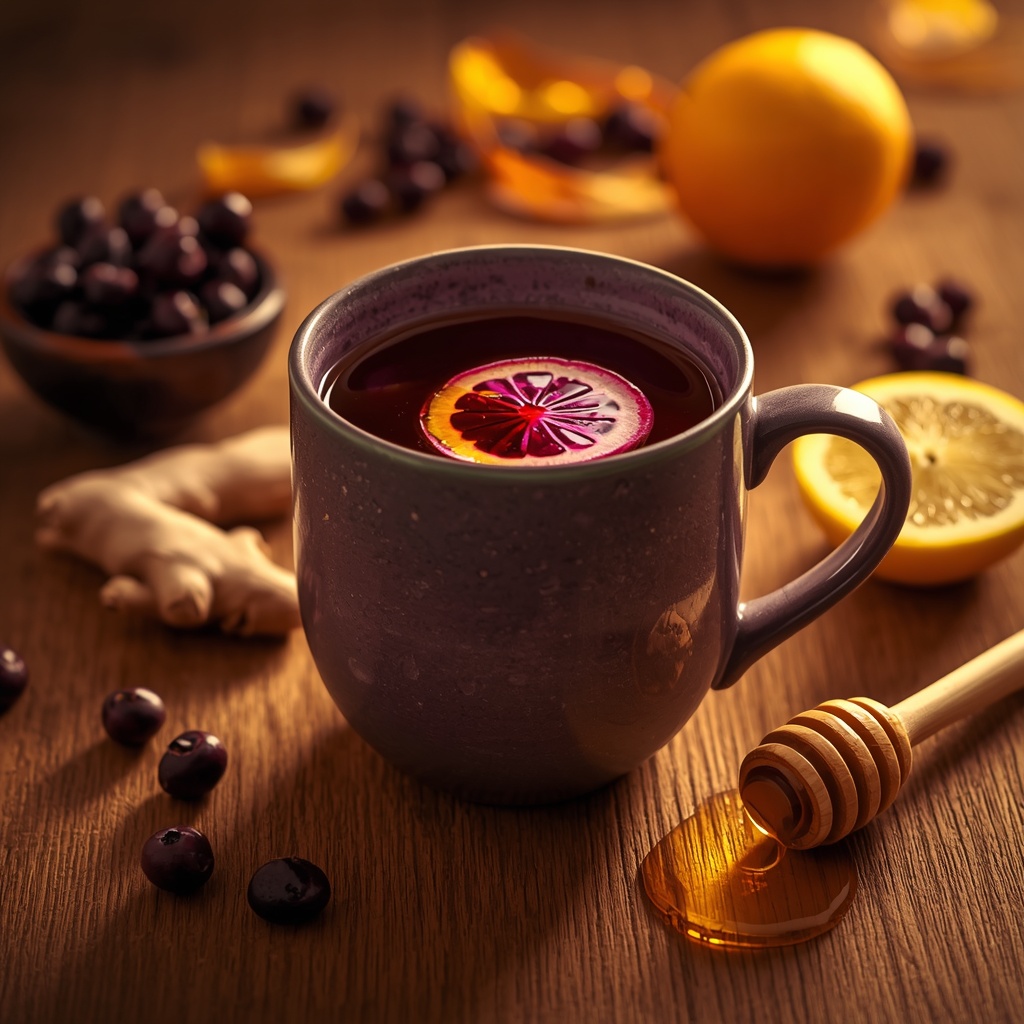
If your stomach lining could send you a text, it would say: “Please. Just five quiet minutes.” Between stress, acidic foods, anti-inflammatory medications, and the relentless pace of modern life, the mucous layer that lines your gut is under constant pressure. What if you could give it exactly what it needs — a velvet-soft coating, a few calming herbs, and five minutes of real care? This is that drink. The Slippery Elm Velvet Tonic is a warm, silky, oat-beige ritual that your gut lining will recognize as a gift.
From Native American Medicine Chests to Modern Gut Health
Slippery elm (Ulmus rubra) has been used as a healing food and medicine by Indigenous peoples of North America for centuries. Long before it appeared on pharmacy shelves, the Ojibwe and Cherokee peoples stripped the inner bark of the red elm tree to create a thick, slippery paste — used to soothe sore throats, calm inflamed skin, and ease digestive complaints. They understood, in a profoundly practical way, that some plants exist simply to coat, cushion, and protect.
Colonial settlers adopted the practice. During the American Civil War, slippery elm gruel was administered to soldiers with gut injuries when medicine was scarce. By the early 20th century, it was a standard ingredient in lozenges, gruels, and medicinal porridges. Today, science has caught up with tradition — we now know that the mucilage (a soluble fiber gel) released when slippery elm contacts water is the active mechanism behind its soothing power. Pair it with marshmallow root and chamomile, two herbs with their own compelling science, and you have a three-layer demulcent protocol in a mug. Let’s look at exactly how it works.
Why This Cocktail Works (According to Science)
Each ingredient in this tonic has a specific, well-documented role in soothing the gastric and intestinal mucosa. Here is what the research shows:
Slippery Elm (Ulmus rubra): When slippery elm bark powder meets warm water, it releases a thick, gel-like mucilage that physically coats irritated stomach and intestinal tissue — buying the gut wall the quiet time it needs to begin repair. A 2010 analysis in the Journal of Ethnopharmacology documented slippery elm’s mucilage coating effect on irritated gastric tissue (Source: Journal of Ethnopharmacology, 2010 — PMID: 20347947).
Marshmallow Root (Althaea officinalis): This polysaccharide-rich root works synergistically with slippery elm to extend and deepen mucosal protection. Its high-molecular-weight polysaccharides act as demulcents — they adhere to the mucosal lining and help scaffold the repair of damaged epithelial cells. A 2015 study in the Journal of Ethnopharmacology showed Althaea officinalis polysaccharides support mucosal adhesion and epithelial repair (Source: Journal of Ethnopharmacology, 2015 — PMID: 26091960).
Chamomile (apigenin): Chamomile brings the calming fire extinguisher. Its most studied bioactive, apigenin, modulates pro-inflammatory signaling pathways in the gastrointestinal tract, reducing the inflammatory activity that keeps irritated tissue from healing. A 2010 paper in Molecular Medicine Reports reviewed apigenin’s anti-inflammatory activity in the GI tract (Source: Molecular Medicine Reports, 2010 — PMID: 21132119).
💡 Did You Know? Slippery elm was so highly valued as a survival food that it is believed to have kept George Washington’s troops alive during the brutal winter at Valley Forge in 1777-78 — they ground the bark into flour and made gruel. That same mucilage that sustained soldiers is now studied as a precision tool for gastric mucosal repair.
Recipe: Slippery Elm Velvet Tonic
| ⏱ Prep: 5 min | 👥 Serves: 1 | 💚 Goal: Gut lining repair | ⭐ Difficulty: Easy |
Ingredients
- 1 tsp (2 g) slippery elm bark powder
- ½ tsp marshmallow root powder
- 200 ml (¾ cup) brewed chamomile tea
- 1 tsp raw (unpasteurized) honey
- 30 ml (2 tbsp) warm filtered water — for the slurry
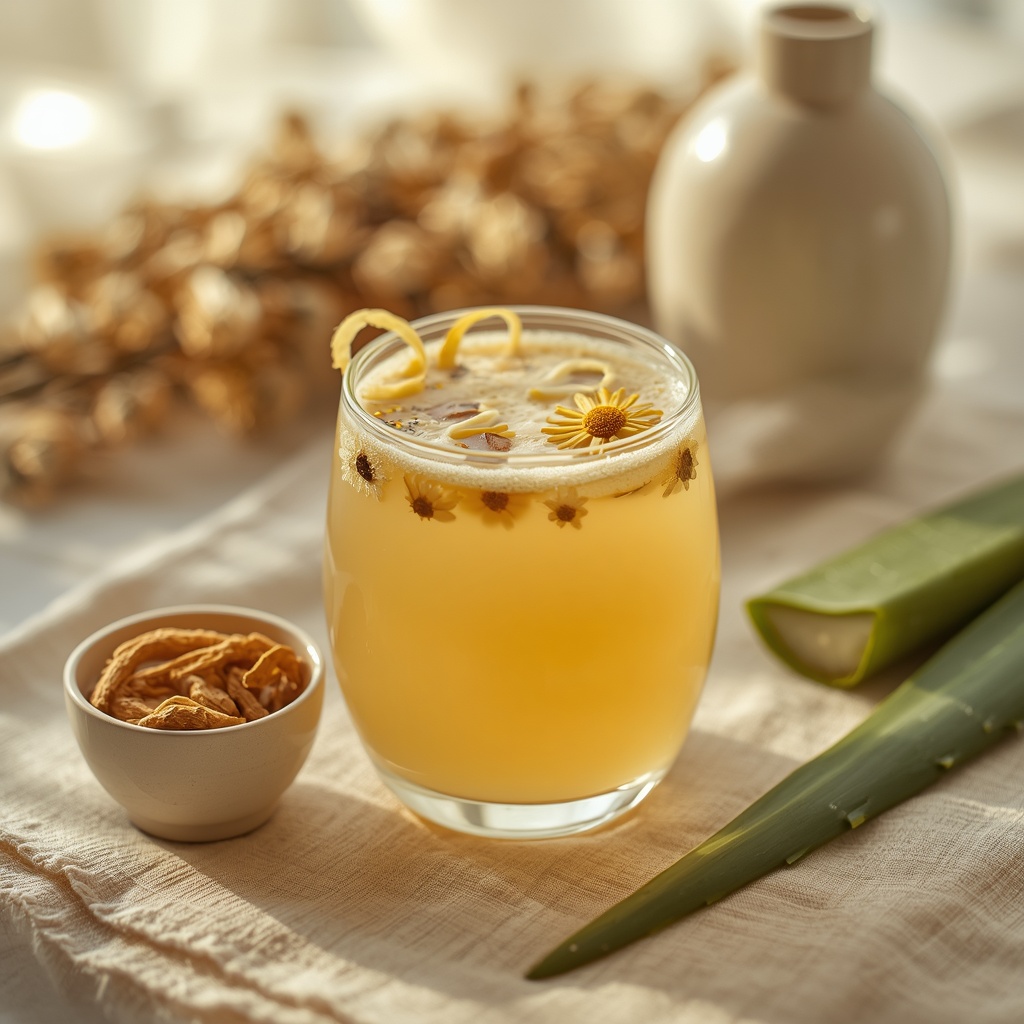
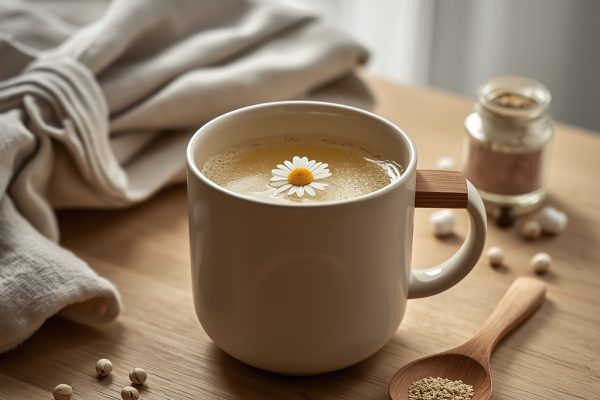
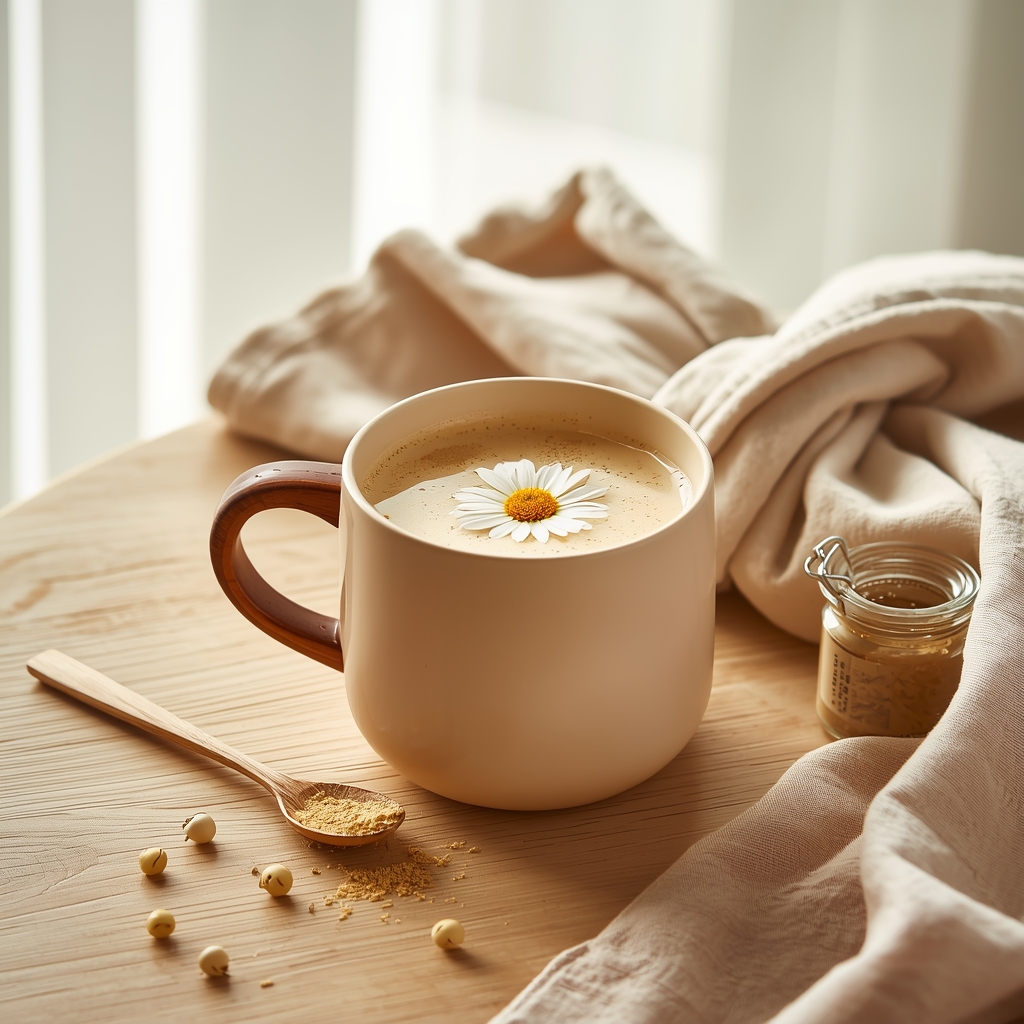
- For garnish: tiny chamomile flower floating on top
Instructions
- Brew chamomile tea: Steep 1 chamomile tea bag in 200 ml water at 90 °C (just below boiling) for 5 minutes. Discard the bag. 💡 Tip: Covering the cup while steeping keeps the volatile aromatic oils — and the apigenin — in your drink, not evaporated into the air.
- Make the slurry: In a small bowl, whisk slippery elm bark powder and marshmallow root powder together with 2 tbsp warm water until completely smooth with no lumps. This step is key — it prevents the powders from clumping when they hit the hot tea.
- Combine: Slowly pour the warm chamomile tea into the slurry while whisking continuously. The mixture will thicken slightly and develop a smooth, velvety texture. Pour — don’t dump — for a lump-free result.
- Sweeten off-heat: Stir in raw honey just before serving, once the liquid is off the heat (below 40 °C). Adding honey to boiling liquid destroys its beneficial enzymes and antimicrobial compounds.
- Serve and sip: Pour into a soft matte ceramic mug. Float a small chamomile flower on top if you have one. Sip slowly, at room-warm temperature, 20 minutes before meals. 💡 Tip: Pre-mix slippery elm and marshmallow root powders in equal parts in a small labeled jar — one teaspoon of the mix is your daily dose, ready in seconds.
Variations
| 🌱 Vegan version | Replace raw honey with ½ tsp date syrup or monk fruit drops for a fully plant-based version. |
| 🚫🍬 Sugar-free version | Swap raw honey for 2 drops monk fruit extract — keeps sweetness without any sugar. |
| 👶 Kids-friendly version | Omit honey entirely (safe for children over 1); sweeten lightly with ½ tsp pure maple syrup. Serve at a comfortable warm temperature. |
Ready to Soothe Your Gut Tonight?
Try this tonic tonight — ideally 20 minutes before dinner — and notice how differently your stomach feels when it’s coated in a velvet layer of care. A calm gut in the morning often starts with a silky drink the night before. Tell us how you feel in the comments!
📌 Save this recipe on Pinterest for later!
⚠️ Disclaimer: This article is for informational purposes only and does not constitute medical advice. Always consult a qualified healthcare professional before making dietary changes, especially if you have a medical condition.
Sources:
1. Journal of Ethnopharmacology, 2010 — PMID: 20347947 — https://pubmed.ncbi.nlm.nih.gov/20347947/
2. Journal of Ethnopharmacology, 2015 — PMID: 26091960 — https://pubmed.ncbi.nlm.nih.gov/26091960/
3. Molecular Medicine Reports, 2010 — PMID: 21132119 — https://pubmed.ncbi.nlm.nih.gov/21132119/