


What ancient European hedge-doctors knew about the humble hawthorn berry, modern cardiologists are only now beginning to measure — and the results are turning heads in the world of cardiac science.
| ⏱ Prep: 8 min | 👥 Serves: 1 | 💚 Heart Rhythm & Cardiac Electrolyte Balance | ⭐ Difficulty: Easy |
The Heart’s Ancient Guardian
Long before cardiologists mapped the heart’s electrical conduction system, European herbalists knew exactly which plant to reach for when a patient’s heart felt “irregular” or “fluttering.” For over a thousand years, the thorny hawthorn shrub — known as the “heart tree” in Celtic folklore — lined the hedgerows of medieval Europe, its ruby-red berries gathered by healers across Ireland, England, and Germany as a long-term tonic for the aging heart.
In the late 19th century, an Irish physician named Dr. Green of County Clare became so renowned for curing heart ailments that patients traveled from across the region to see him. After his death in 1894, his family revealed his closely guarded secret: a concentrated extract of hawthorn berry. Word spread quickly. By 1896, the New York Medical Journal published the first clinical report on hawthorn for heart disease — and Western medicine’s slow, careful embrace of this ancient botanical had begun.
Fast-forward to the 21st century. We now know that the heart beats because of a precisely orchestrated cascade of electrical signals — signals that depend entirely on the right balance of minerals: magnesium, potassium, and specialized amino acids like taurine. The Hawthorn Pulse Tonic was designed to bring these two stories together: the ancient botanical wisdom of hawthorn, married to modern electrolyte science. The result is a drink that nourishes your heart not just structurally — but electrically.
Why This Drink Works (According to Science)
Every ingredient in the Hawthorn Pulse Tonic was selected for a specific, documented role in cardiac physiology. Here’s what the research shows:
Hawthorn Berry (Crataegus spp.) — OPCs (Oligomeric Proanthocyanidins): Hawthorn’s signature compounds improve the contractile efficiency of cardiac muscle, dilate coronary arteries to increase blood flow to the heart, and — critically — have demonstrated antiarrhythmic properties via potassium channel modulation. A landmark Cochrane Systematic Review confirmed that hawthorn extract produces “significant benefit in symptom control and physiologic outcomes” for heart function. A 2024 real-world retrospective study of 2,900+ patients found that hawthorn extract WS 1442 was associated with a significantly lower incidence of atrial fibrillation and tachycardia compared to standard magnesium/potassium supplementation. (Cochrane Database, 2008 — PMID 18425959; Scientific Reports, 2024 — doi:10.1038/s41598-024-74325-4)
Magnesium Glycinate — Cardiac Na/K-ATPase Cofactor: Magnesium is the gatekeeper of your heart’s electrical pump. It acts as a natural calcium channel blocker, modulates cardiac potassium channels, and prolongs the refractory period of the AV node — the tissue that controls how electrical impulses pass between the heart’s chambers. Low magnesium is associated with an approximately 50% increased risk of developing atrial fibrillation over a 20-year follow-up. Magnesium glycinate is among the most bioavailable forms, meaning more reaches your cardiac cells. (Biomedicines / PMC, 2022 — PMC9598104; American College of Cardiology, 2013)
Taurine (via Spirulina Powder) — Intracellular Calcium Regulator: Taurine is one of the most abundant amino acids in heart muscle tissue — and for good reason. It regulates calcium flux in and out of cardiomyocytes (heart cells), stabilizes membrane potential, and has demonstrated measurable antiarrhythmic effects by suppressing arrhythmia-triggering calcium overload. Clinical studies show taurine supplementation consistently improves cardiac performance. (Nutrition Journal, 2024 — PMC11325608; Experimental & Clinical Cardiology, PMC2586397)
Coconut Water — Natural Potassium Source: Potassium is essential for maintaining the resting membrane potential of cardiac cells. Hypokalemia (low potassium) is one of the leading triggers of arrhythmia, and coconut water provides a natural, bioavailable form alongside the supplemental magnesium in this tonic — creating the full electrolyte duo the heart needs most.
| 💡 Did You Know? Hawthorn berry (Crataegus spp.) was the subject of a Cochrane Systematic Review — medicine’s gold standard of evidence — which concluded that hawthorn extract provided a significant benefit in symptom control and physiologic outcomes for heart function. That’s rare for any botanical. A landmark 2024 real-world retrospective study (2,900+ patients) then found that patients taking hawthorn extract WS 1442 had a significantly lower incidence of atrial fibrillation and tachycardia compared to standard magnesium/potassium supplementation. (Scientific Reports, 2024) |
The synergy here is precise: hawthorn OPCs strengthen the structural efficiency of cardiac muscle, while magnesium + potassium + taurine regulate the electrical signal that tells it when to beat. This is structural and electrical cardiac support — in one glass.
Recipe: Hawthorn Pulse Tonic
| ⏱ Prep: 8 min | 👥 Serves: 1 | 💚 Heart Rhythm & Cardiac Electrolyte Balance | ⭐ Difficulty: Easy |
Ingredients
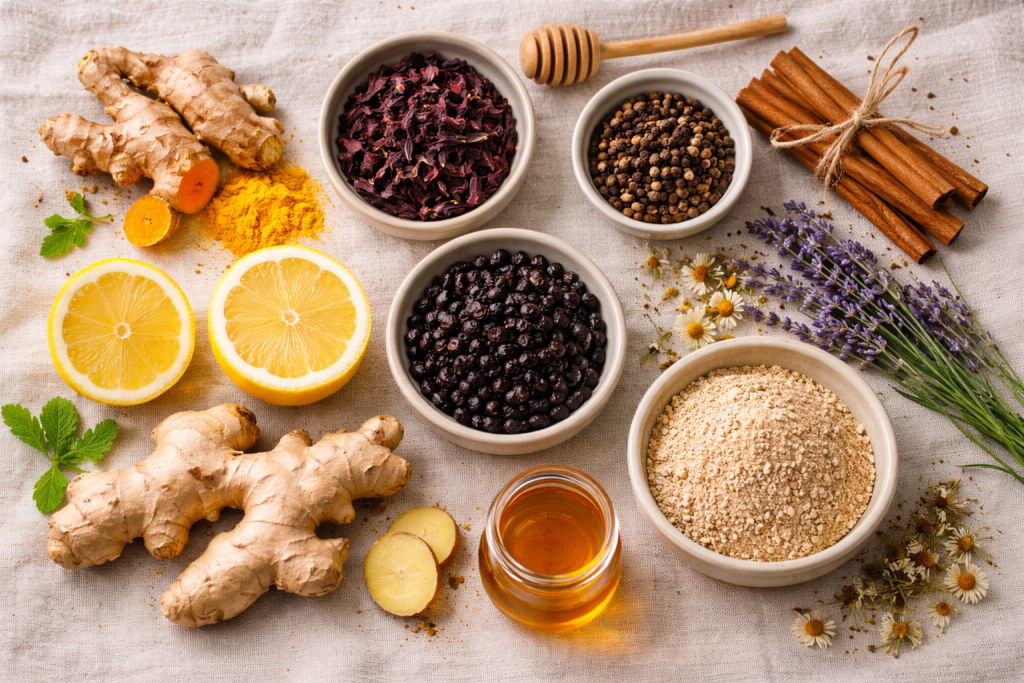
- 2 tsp dried hawthorn berries — or 2 hawthorn berry tea bags
- 4 oz pure unsweetened coconut water
- ½ tsp spirulina powder
- ¼ tsp magnesium glycinate powder (~50 mg)
- 2 tbsp tart cherry juice (unsweetened, 100%)
- 2–3 drops pure stevia (adjust to taste)
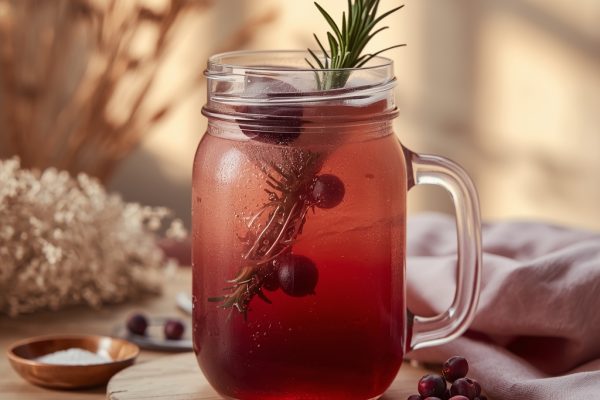
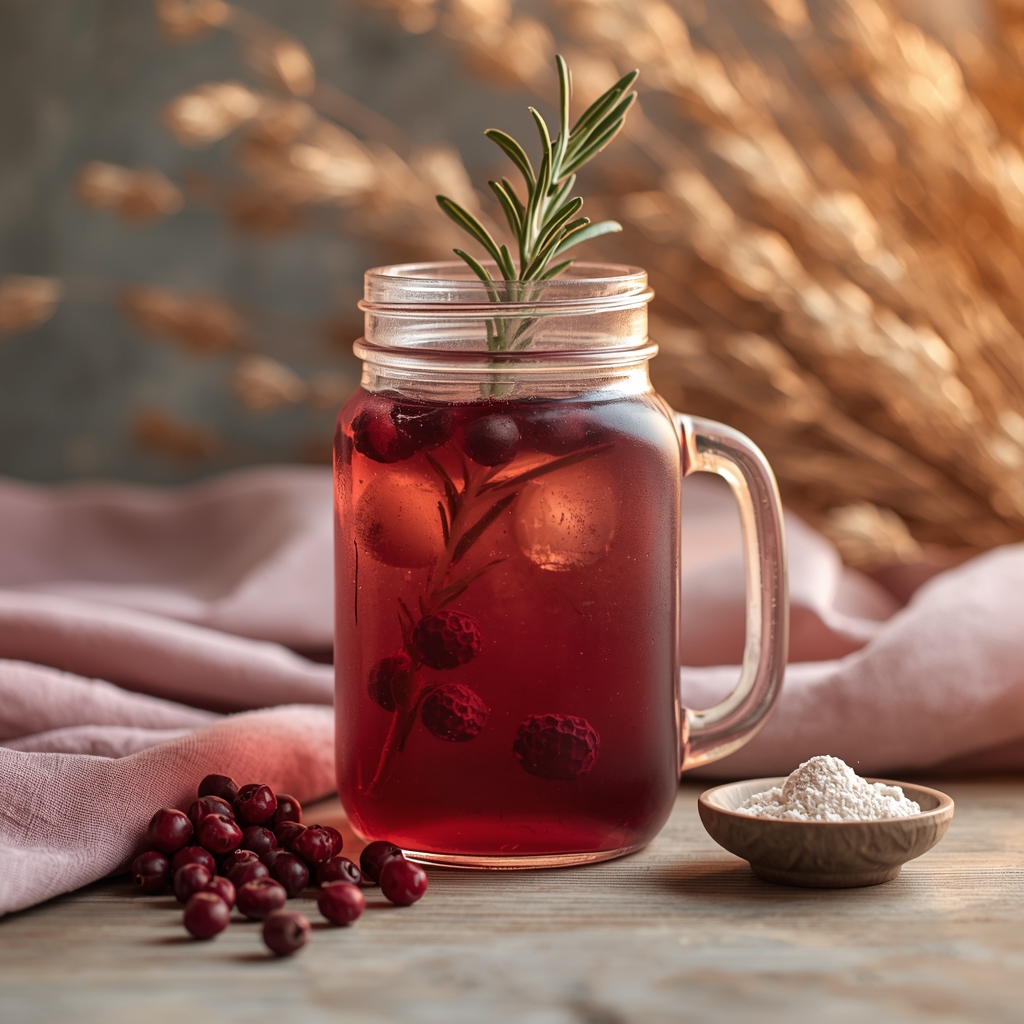
- For garnish: dried or fresh hawthorn berries + rosemary sprig
Instructions
- Steep the hawthorn: Add hawthorn berries or tea bags to 6 oz of hot water (just off the boil, ~195°F). Steep for a full 8 minutes — longer steep = higher OPC content. Strain and cool slightly. Tip: Brew a large batch (4 cups) and refrigerate — add remaining ingredients fresh each day in under 2 minutes.
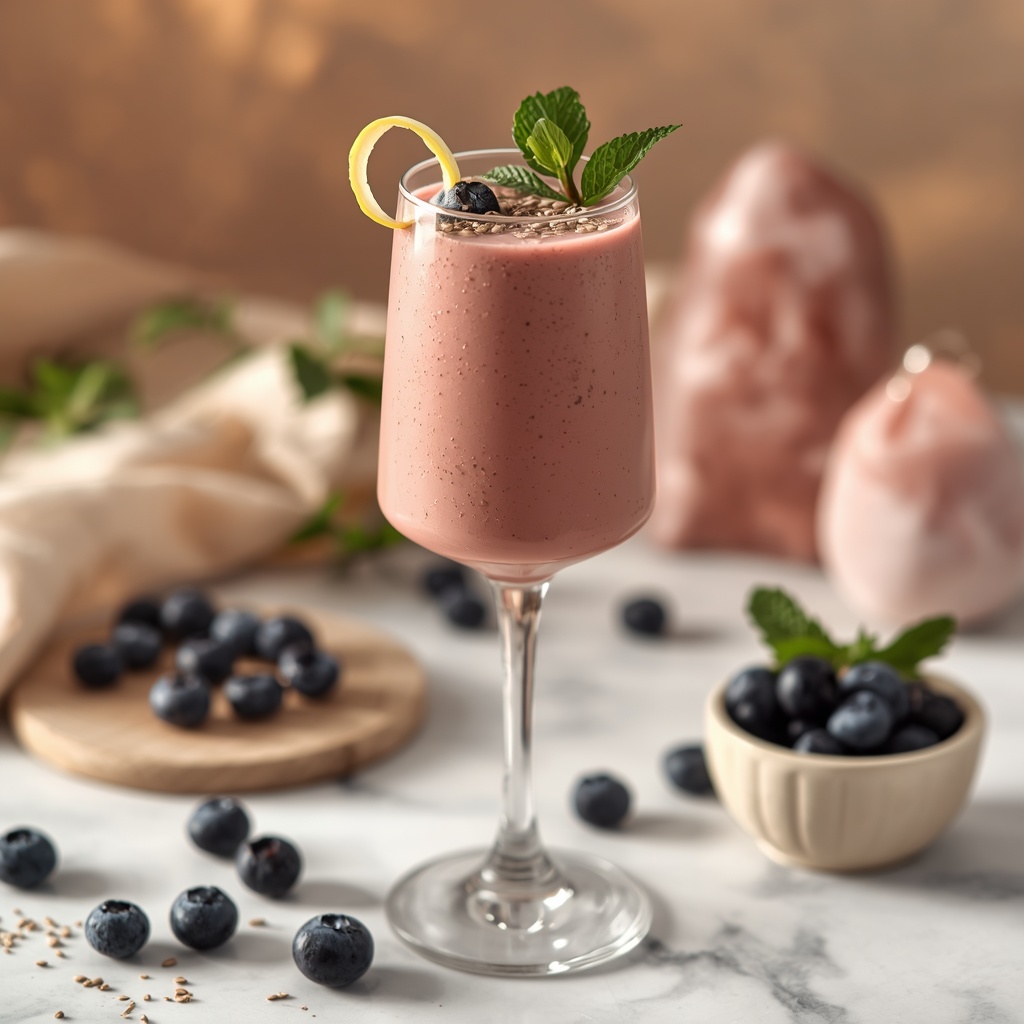
- Dissolve the powders: Whisk spirulina powder and magnesium glycinate into the warm hawthorn tea until fully dissolved. The spirulina creates a subtle blue-green shimmer against the rose-garnet base.
- Add the liquids: Pour in coconut water (room temp or chilled) and tart cherry juice. Stir gently to combine.
- Sweeten: Add 2–3 drops of stevia. Taste and adjust — the tart cherry provides natural depth, so you may need very little.
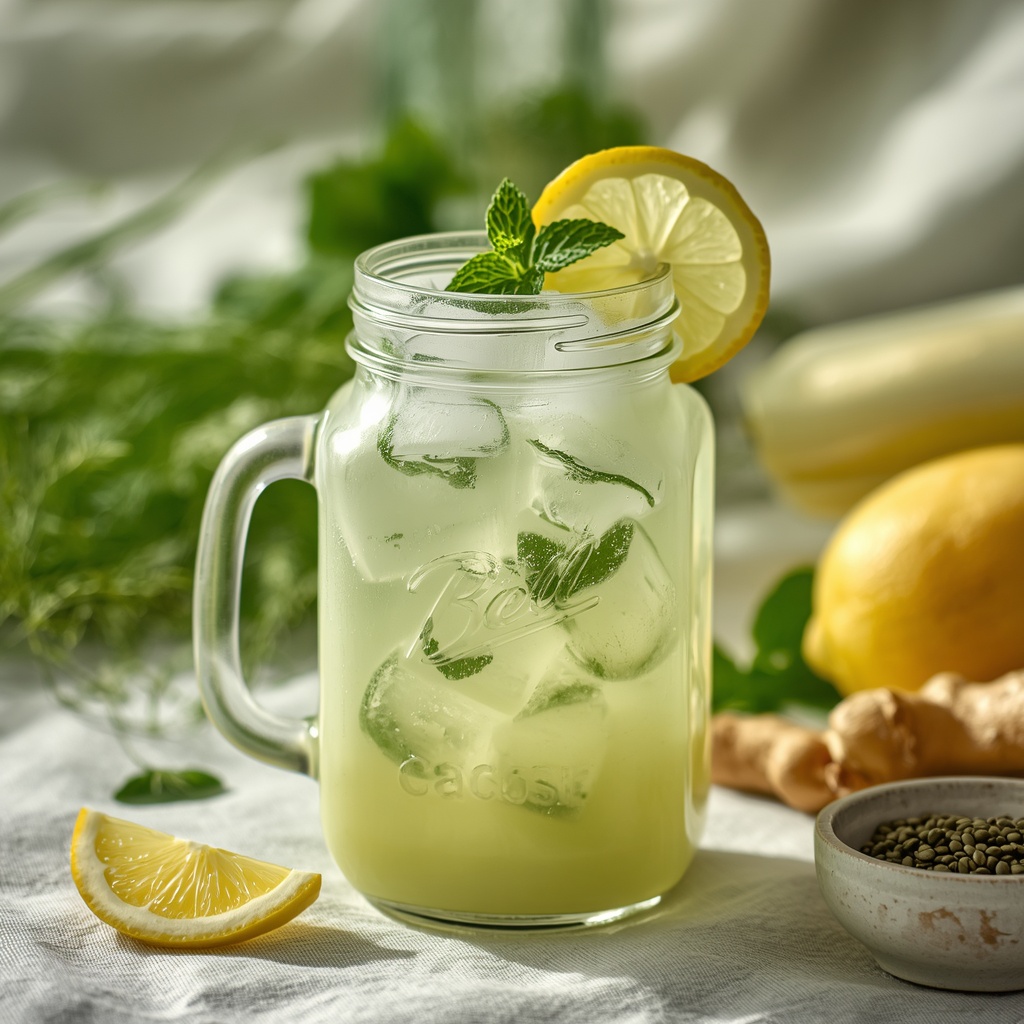
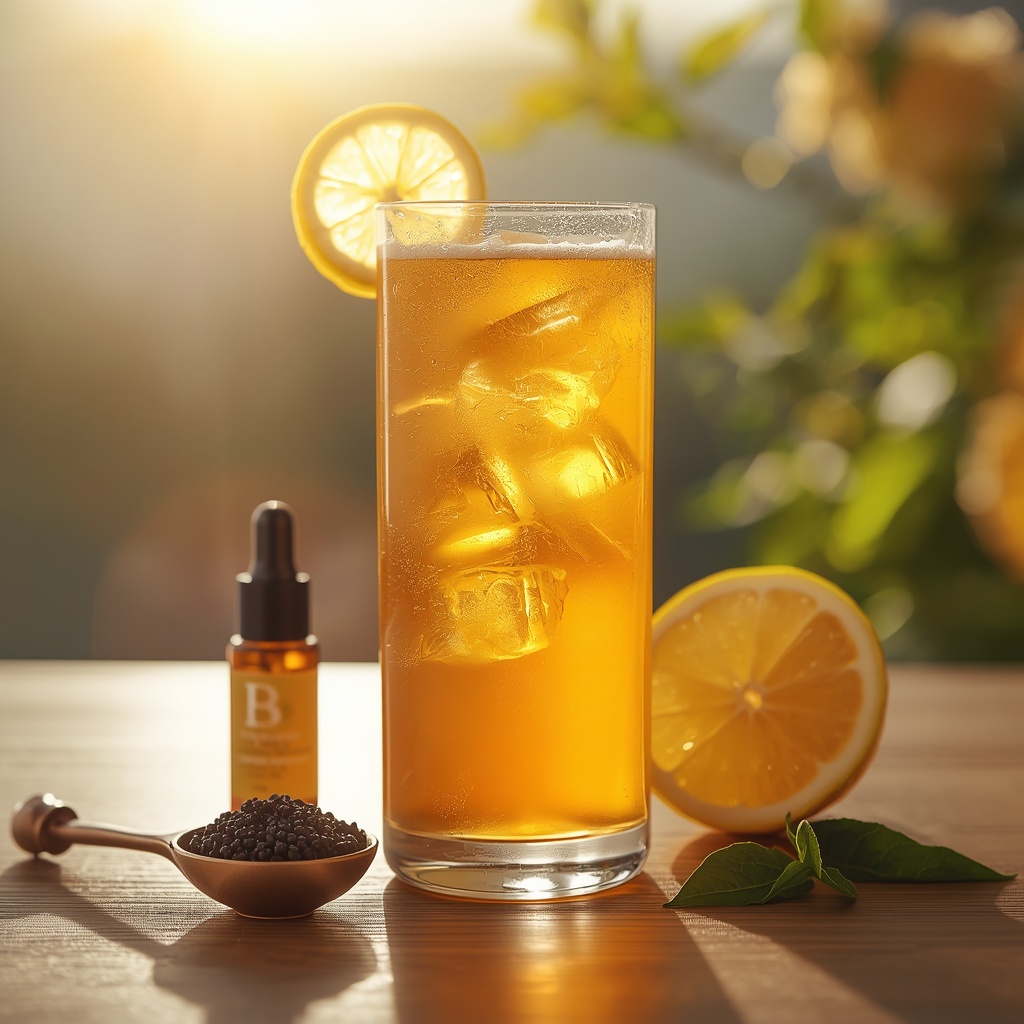
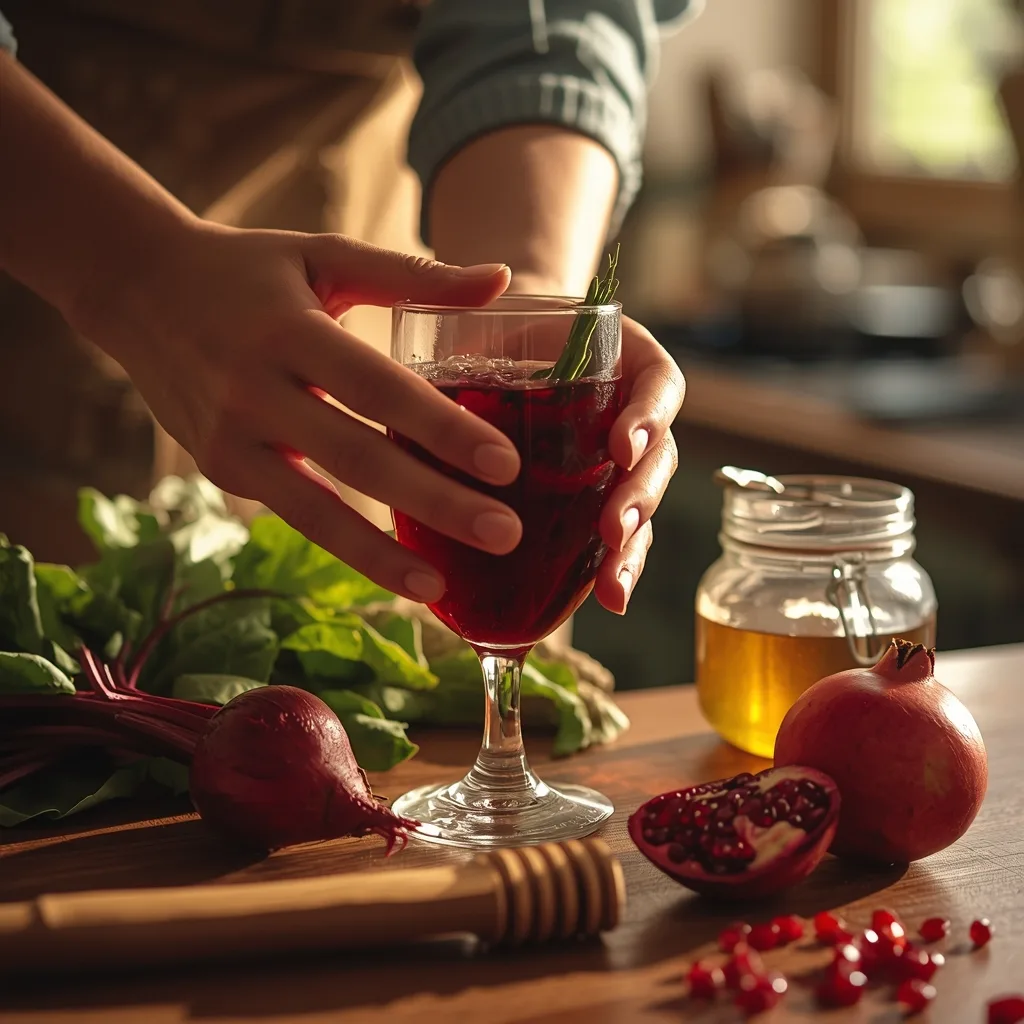
- Serve: Pour over ice in a clear mason jar or stemless wine glass for a chilled summer tonic. Serve warm in a mug in winter. Garnish with dried hawthorn berries and a fresh rosemary sprig.
⏰ Time-Saving Tip: Brew a large batch of hawthorn tea (4 cups) and keep in the fridge. Each morning, add remaining ingredients in under 2 minutes.
✨ Best consumed: Morning on an empty stomach, or as an afternoon cardiac tonic between meals.
Variations
| 🌱 Vegan | Fully vegan as written — no substitutions needed. |
| 🚫🍬 Sugar-Free | Already stevia-sweetened. The 2 tbsp tart cherry juice has minimal sugar impact. Swap for filtered water to eliminate sugars entirely. |
| ❄️ Cold / Hot | Serve warm in a mug as a winter cardiac tea (omit ice). Serve iced in a mason jar in summer. |
| ⚡ Boosted | Add ¼ tsp L-carnitine powder for additional mitochondrial cardiac energy support. |
Ready to Try the Hawthorn Pulse Tonic?
Mix your first glass tonight and pay attention to how you feel the morning after. Your heart has been working every second of your life without a single day off. Give it the electrolytes and botanicals it actually runs on.
📌 Save this recipe on Pinterest for later — and share it with someone whose heart needs a little extra care.
| ⚠️ Disclaimer: This article is for informational and educational purposes only and does not constitute medical advice. The Hawthorn Pulse Tonic is a wellness beverage, not a treatment or cure for any medical condition. If you have been diagnosed with a cardiac arrhythmia, heart disease, or any other medical condition — or are taking prescription medications (especially cardiac drugs, blood thinners, or antiarrhythmics) — do not modify or replace your prescribed treatment without consulting your cardiologist or licensed healthcare provider. Always seek qualified medical advice before making dietary or supplement changes. |