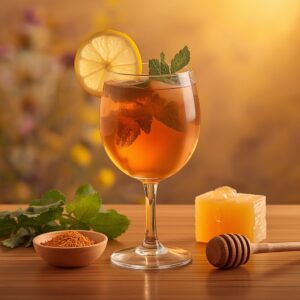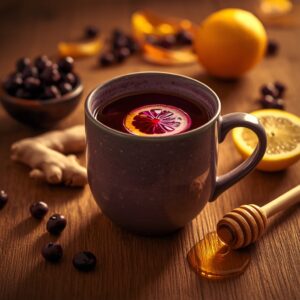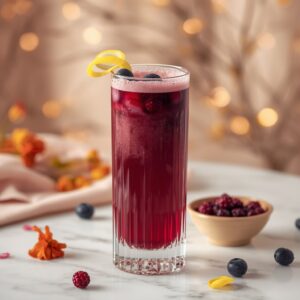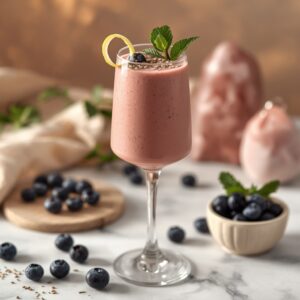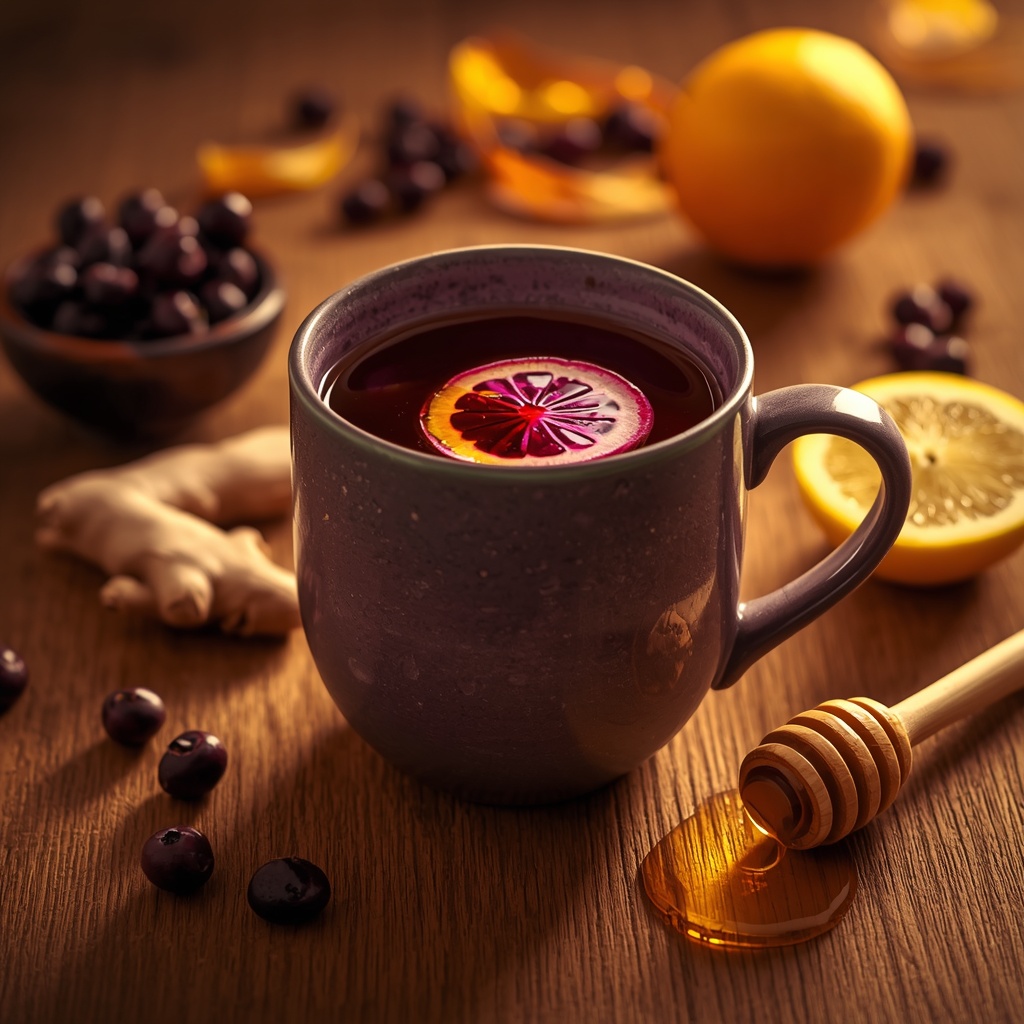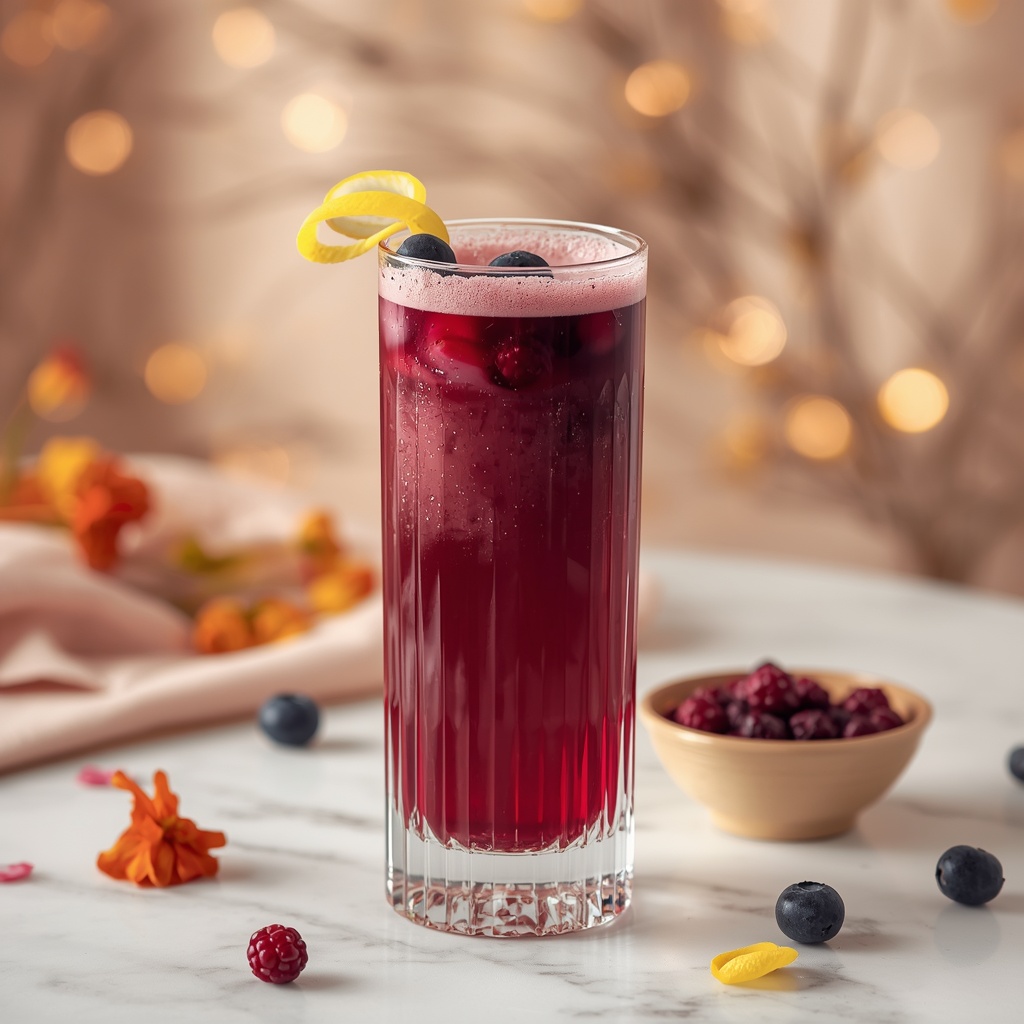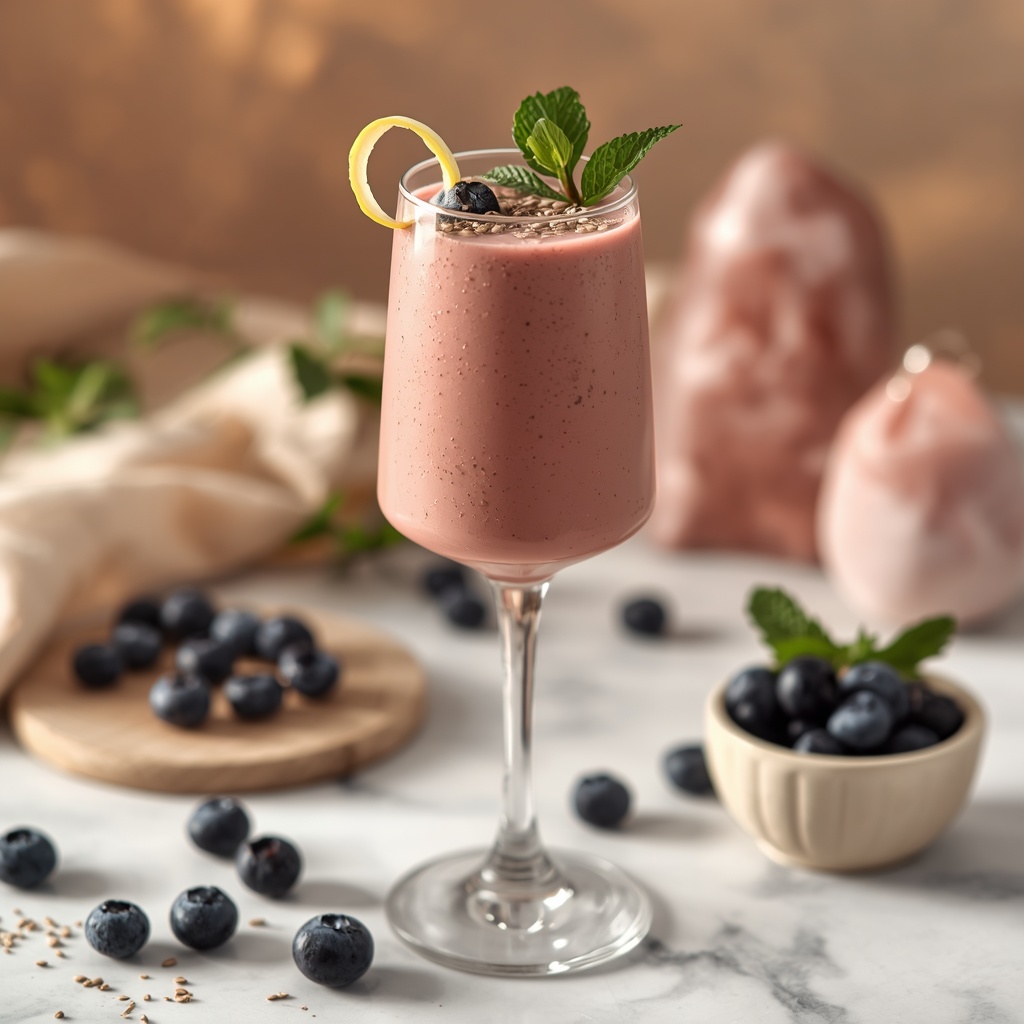
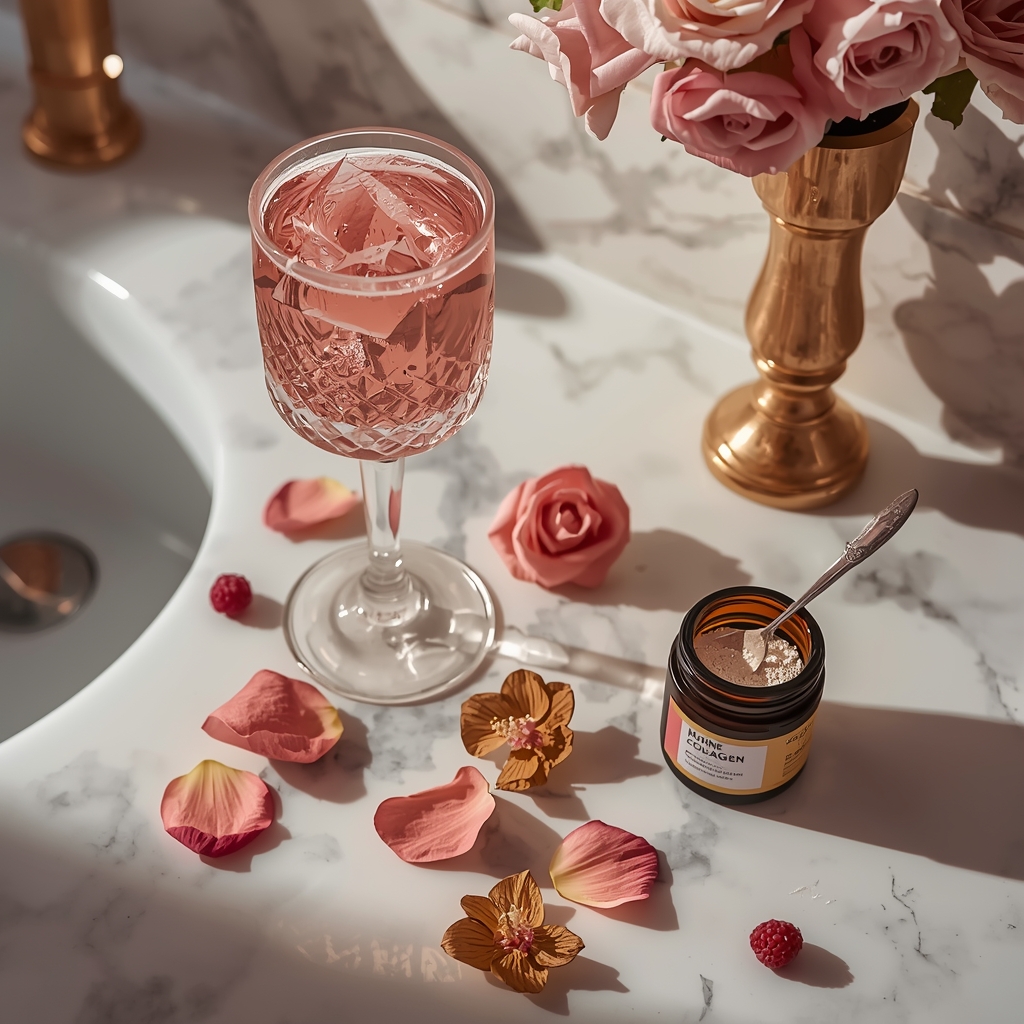
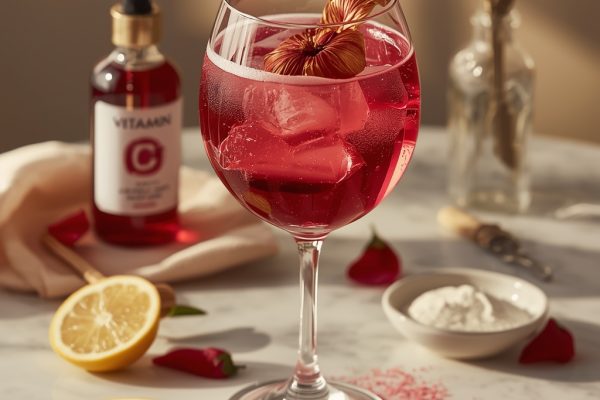
A luminous ruby-rose tonic that works at the enzymatic source of dark spots — blending the most potent natural tyrosinase inhibitor ever studied with a 4-pathway melanin blockade.
| ⏱ Prep Time5 minutes | 👥 Serves1 | 💚 GoalHyperpigmentation & Even Skin Tone | ⭐ DifficultyEasy ⭐ |
When a Berry Extract Beat a Pharmaceutical Skin-Brightening Standard
Kojic acid has been a staple of dermatology for decades — a tyrosinase-inhibiting compound found in dermatologist-approved brightening creams, pharmaceutical serums, and clinical-grade treatments. Hyperpigmentation sufferers pay premium prices to access its melanin-blocking power. It has been the gold standard.
And then a mulberry extract quietly outperformed it in a head-to-head laboratory test.
Oxyresveratrol — a stilbene compound concentrated in white mulberry (Morus alba) — demonstrated stronger tyrosinase inhibition than both kojic acid and arbutin in published research (PMID 21880957). It doesn’t just slow melanin production; it directly inactivates the enzyme responsible for it.
That finding opened a new question: what if the most powerful skin brightener in existence isn’t a synthetic pharmaceutical compound, but a simple berry tea? What if hyperpigmentation support could start in your morning glass — and work through four different biological pathways at once?
That’s exactly what the Mulberry Luminance Tonic is designed to do.
Why This Tonic Works (According to Science)
Hyperpigmentation is not a surface problem — it’s a cellular one. Melanocytes overproduce melanin when an enzyme called tyrosinase is overactivated, often triggered by UV exposure, hormonal shifts (as in melasma), or chronic inflammation. Topical treatments address the skin surface. This tonic addresses the biological machinery underneath it.
1. White Mulberry Powder (Morus alba) — Oxyresveratrol
Active compound: Oxyresveratrol
Mechanism: Directly inhibits tyrosinase enzyme activity at the source — the first and most powerful step in the melanin production cascade. Outperforms kojic acid and arbutin in laboratory tyrosinase inhibition assays.
Source: PMID 21880957
2. Acerola Cherry Powder — Vitamin C Complex
Active compound: Ascorbic acid (1,500–4,500 mg per 100g)
Mechanism: Operates a two-pronged approach: chelates the copper cofactor in tyrosinase (disabling the enzyme’s active site) and chemically reduces dark eumelanin already in the skin to lighter phaeomelanin forms. Also suppresses UV-induced pigmentation signaling.
Source: PMID 22505184
3. Licorice Root Extract (Glabridine-Standardized)
Active compound: Glabridine
Mechanism: Uniquely blocks both tyrosinase activity and the transfer of melanosomes from melanocytes to neighboring keratinocytes — disrupting pigmentation at two sequential steps in the same pathway. Even melanin that is produced doesn’t easily reach the surface skin cells.
Source: PMID 9759663
4. Nutritional Yeast — Niacin/Niacinamide (Vitamin B3)
Active compound: Niacinamide (converted from niacin)
Mechanism: Inhibits the transfer of melanin-containing vesicles (melanosomes) to skin cells, providing a downstream block that works independently of tyrosinase. Clinical trials confirm meaningful reductions in facial hyperpigmentation with regular niacinamide intake.
Source: PMID 12100180
| 💡 Did You Know? — The 4-Level Melanin BlockadeThis tonic doesn’t just inhibit one step in melanin production — it interrupts the entire chain at four distinct points:Step 1 — Mulberry oxyresveratrol inactivates the tyrosinase enzyme itselfStep 2 — Vitamin C chelates the copper ion in tyrosinase’s active site, disabling it structurallyStep 3 — Licorice glabridine and niacinamide independently block melanin transfer vesicles from reaching skin cellsStep 4 — Vitamin C converts existing dark eumelanin to lighter phaeomelanin at the pigment levelNo single topical brightening ingredient does all four of these simultaneously. |
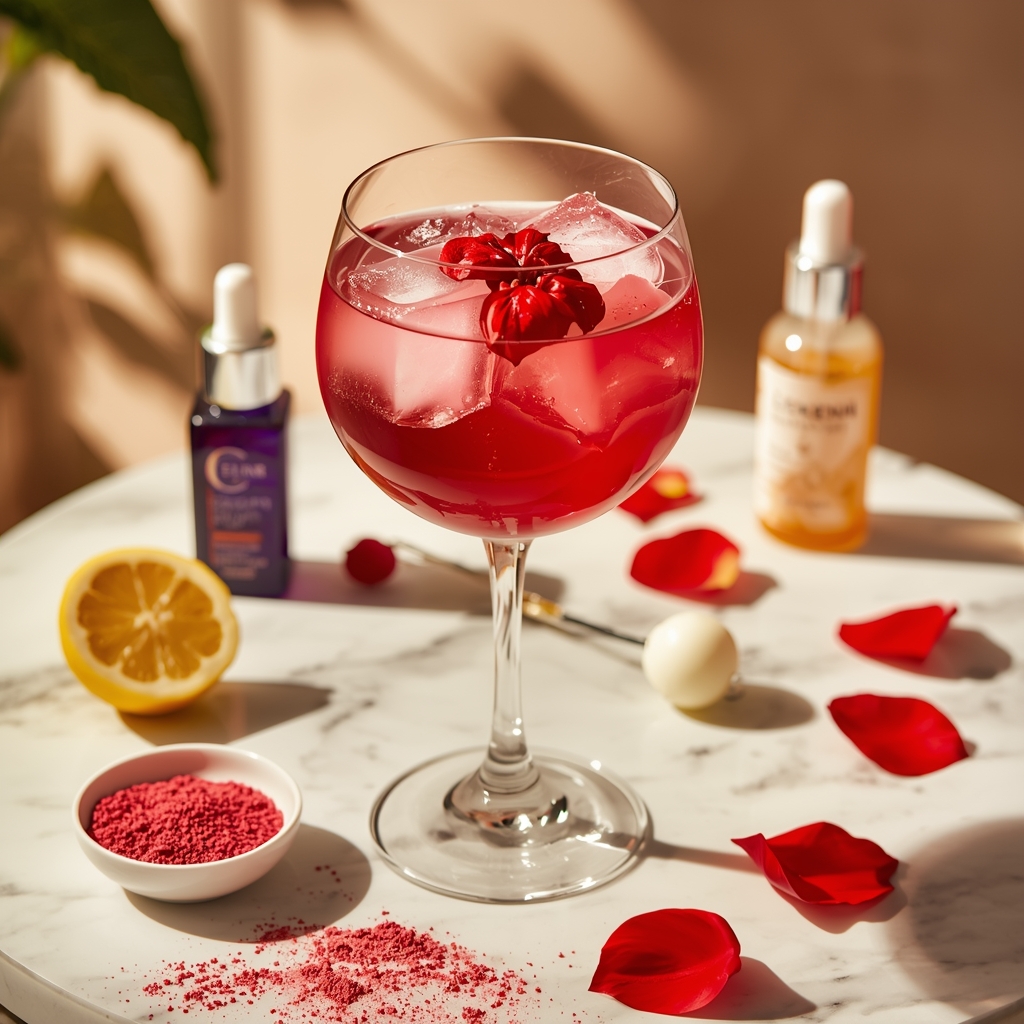
Mulberry Luminance Tonic — Full Recipe
Ingredients
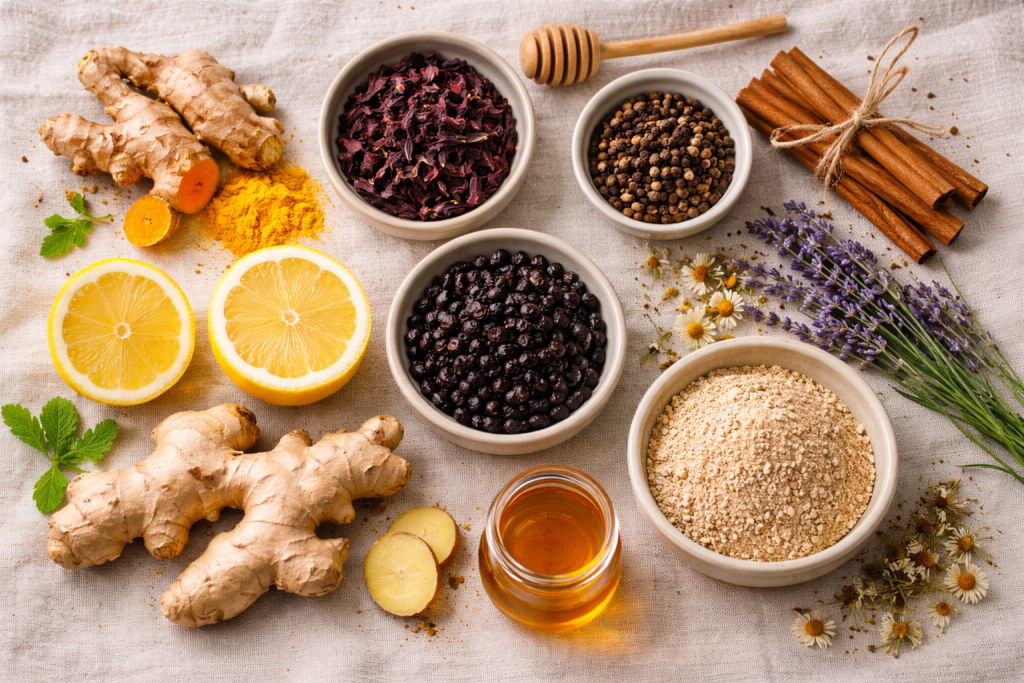
- 1 tsp Mulberry powder (white mulberry, Morus alba) — oxyresveratrol; most potent natural tyrosinase inhibitor
- ¼ tsp Licorice root extract powder (glabridine-standardized) — inhibits melanin transfer from melanosomes to keratinocytes
- 1 tsp Acerola cherry powder — highest natural vitamin C (1,500–4,500 mg/100g); reduces dark eumelanin to lighter phaeomelanin; inhibits tyrosinase copper cofactor
- 1 tbsp Nutritional yeast — high niacin (B3)/niacinamide; inhibits melanosome transfer to keratinocytes
- 6 oz (180ml) Hibiscus tea (brewed, cooled) — anthocyanins reduce UV-induced melanogenesis signaling
- 1 tbsp Fresh lemon juice — vitamin C amplification
- 2 drops Liquid stevia — zero-glycemic (insulin spikes drive melanin via IGF-1/MC1R pathway)
Instructions
- Brew hibiscus tea in 6 oz of hot water for 5 minutes; cool completely. The tea will be deep ruby-red.
- Add mulberry powder, licorice glabridine extract, acerola cherry powder, and nutritional yeast to the cooled hibiscus tea.
- Whisk vigorously or use a frother for 30 seconds until all powders are fully dissolved.
- Add lemon juice and stevia drops; stir to combine.
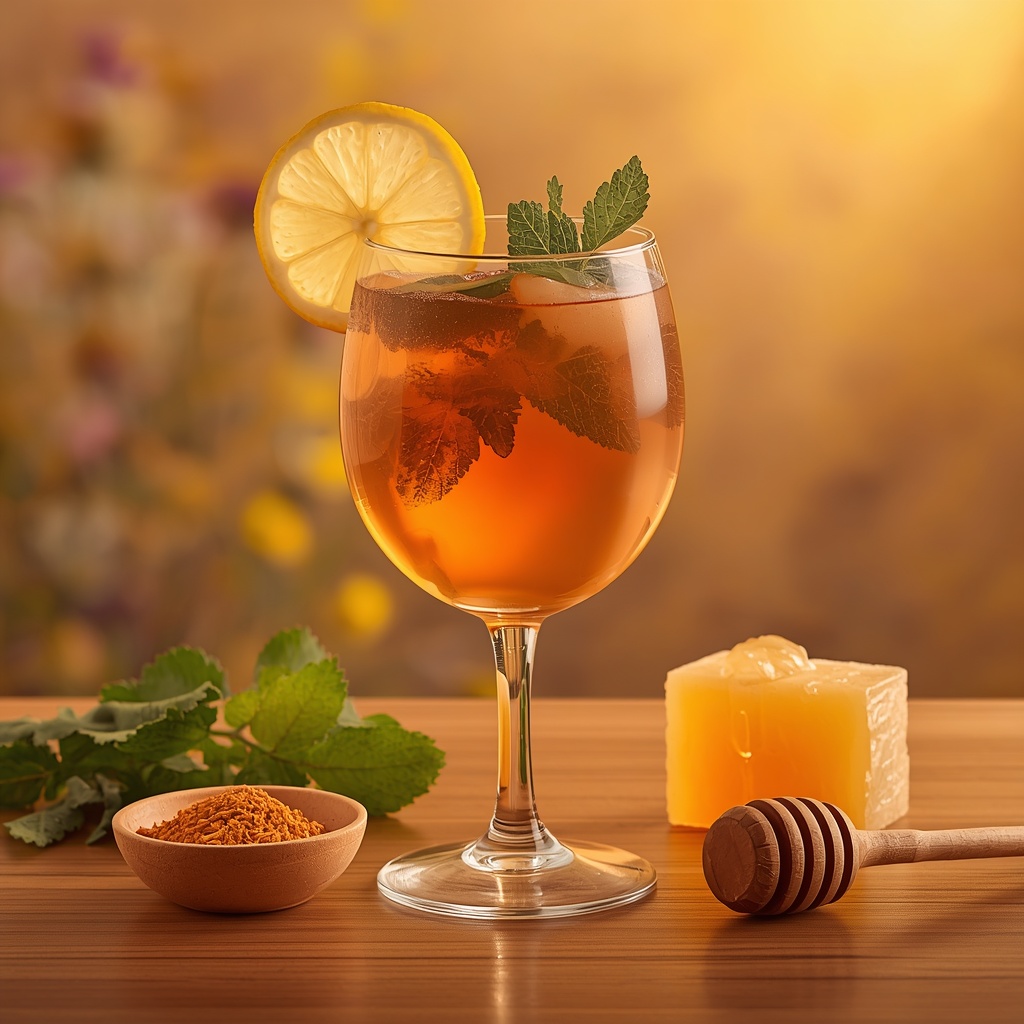
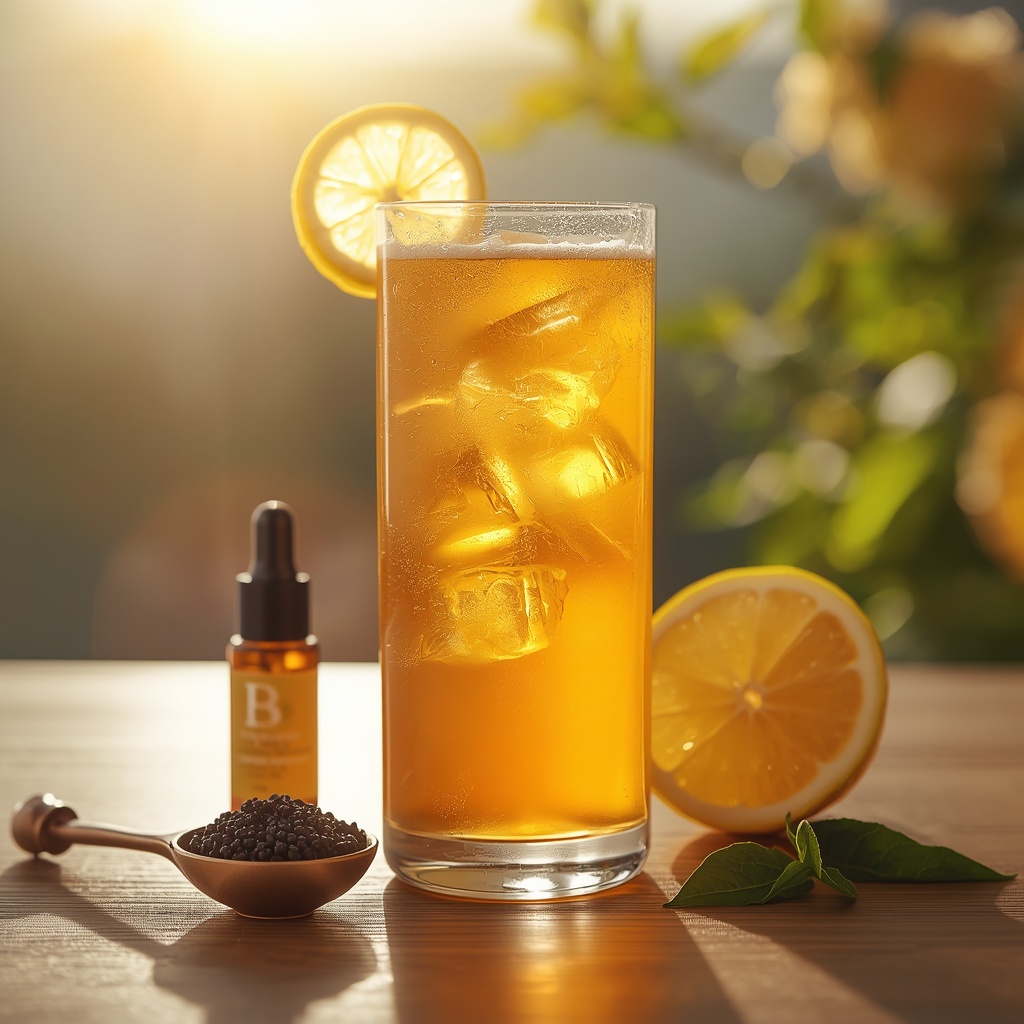
- Pour into a clear glass over ice; admire the luminous rose-ruby color; garnish with a dried hibiscus flower and a dusting of acerola powder.
Variations
| Variation | How To |
| Sugar-Free | Already zero added sugar — no modification needed |
| Vegan | Fully vegan as written |
| Warm Version | Use hot hibiscus tisane with the powder blend; skip the ice |
| Boosted (Glutathione) | Add ¼ tsp N-acetyl cysteine (NAC) — shifts melanin from dark eumelanin to lighter phaeomelanin at the cellular level |
Science Behind the Synergy
Every ingredient in this tonic was selected because it operates on a different biological lever. Mulberry shuts down tyrosinase production of melanin. Vitamin C from acerola chelates the enzyme’s copper cofactor (disabling it from a different angle) while simultaneously converting dark melanin already deposited in the skin. Niacinamide from nutritional yeast and glabridine from licorice both block the transport of melanin packets (melanosomes) into skin cells — but through different vesicle pathways. Hibiscus anthocyanins (PMID 24802695) suppress the upstream cAMP-driven signaling that triggers melanogenesis in the first place. These five inputs address hyperpigmentation from the top of the cascade to the bottom.
Start Your Morning Beauty Ritual Today
Consistent, daily use is how inside-out skin support works — not a single glass but a morning ritual. Brew your hibiscus, blend your powders, and let the science work while you go about your day. Your skin’s pigmentation biology responds to what you feed it, every single morning.
| 📌 Save This Recipe on Pinterest“The Luxurious Ruby Skin Tonic That Makes Hyperpigmentation Support Part of Your Morning Beauty Ritual” — Save this pin to your Beauty Drinks or Skin Health board so you can come back to it anytime. |
| ⚠️ Medical DisclaimerThis article and recipe are for informational and educational purposes only. The Mulberry Luminance Tonic is a wellness beverage and is not intended to diagnose, treat, cure, or prevent any medical condition, including melasma or hyperpigmentation disorders. Individual results vary. Important: No internal or external skin-brightening approach replaces daily broad-spectrum sun protection (SPF 30+). UV exposure is the primary driver of hyperpigmentation; without sun protection, melanin production will be continuously re-stimulated regardless of dietary interventions. Always consult a qualified dermatologist or healthcare provider before making significant dietary changes, especially if pregnant, nursing, taking medications, or managing a diagnosed skin condition. |