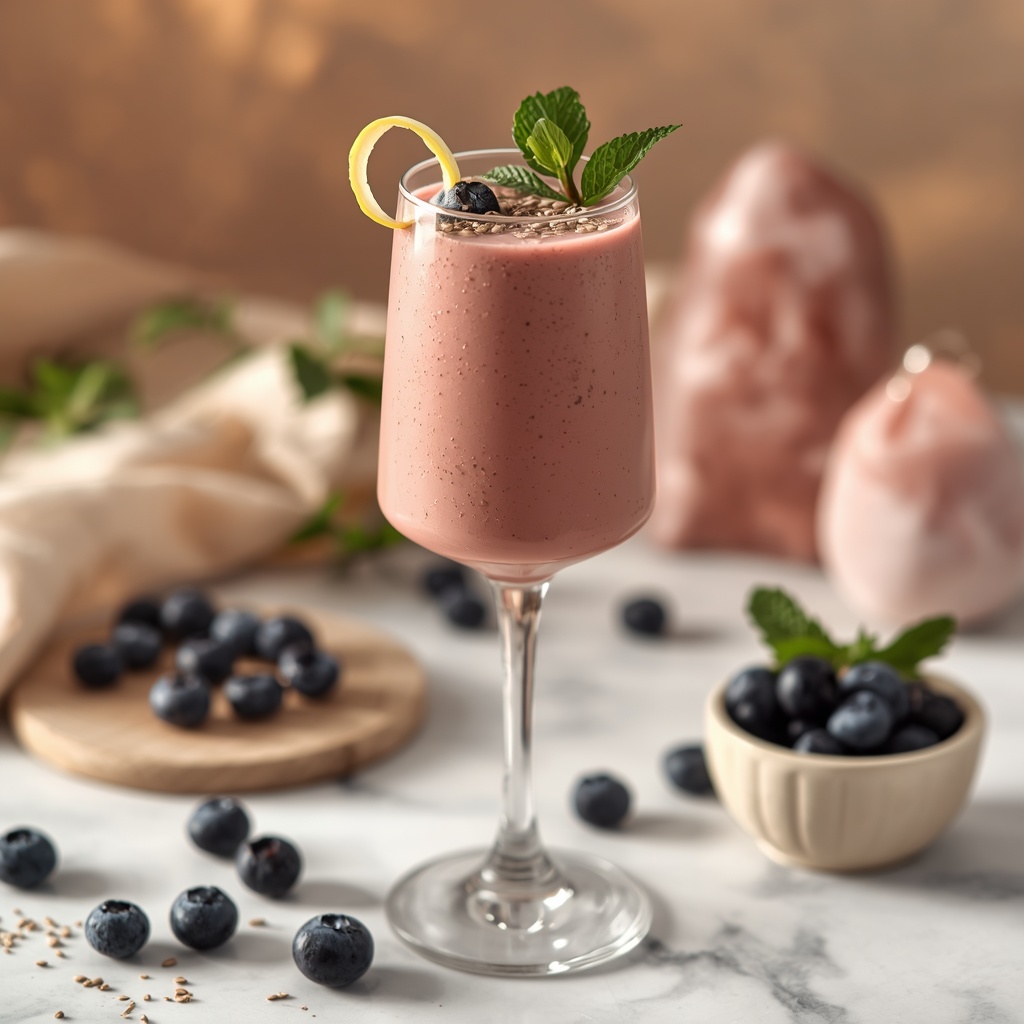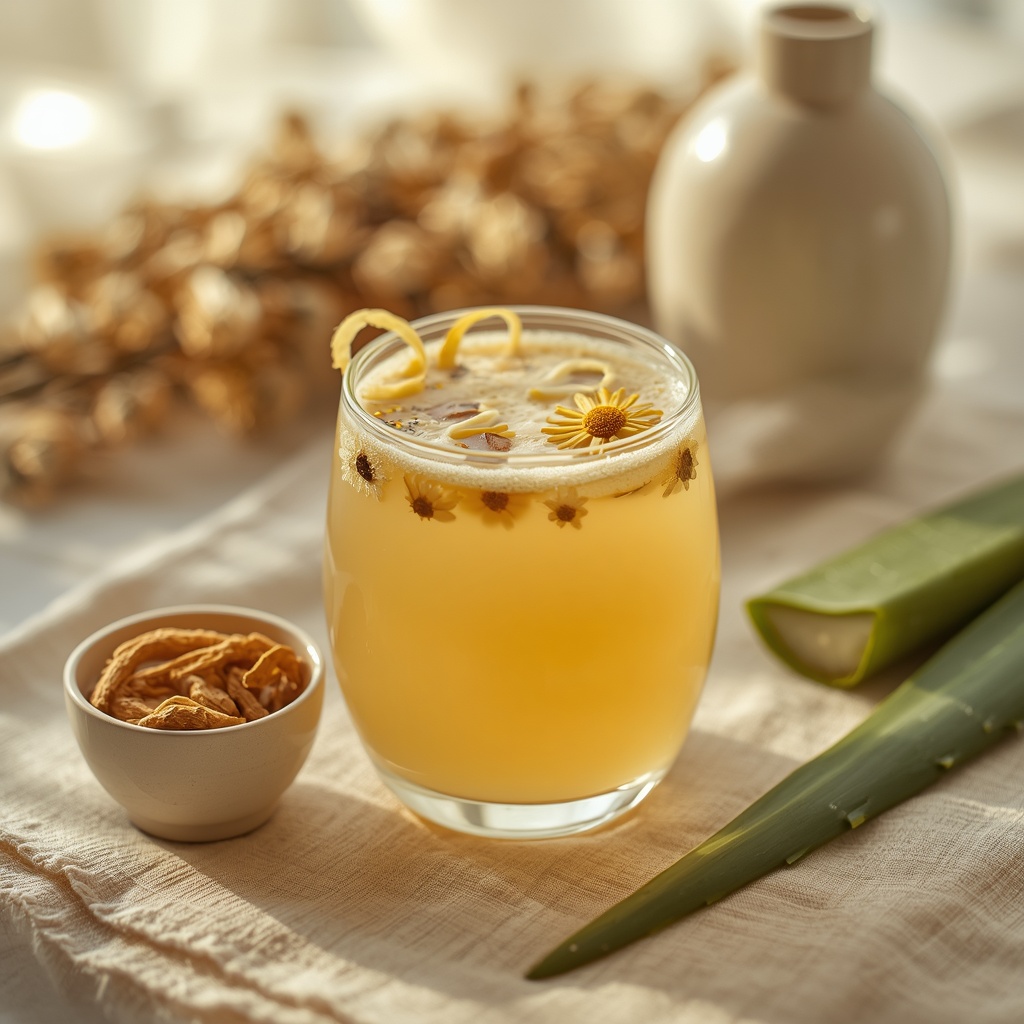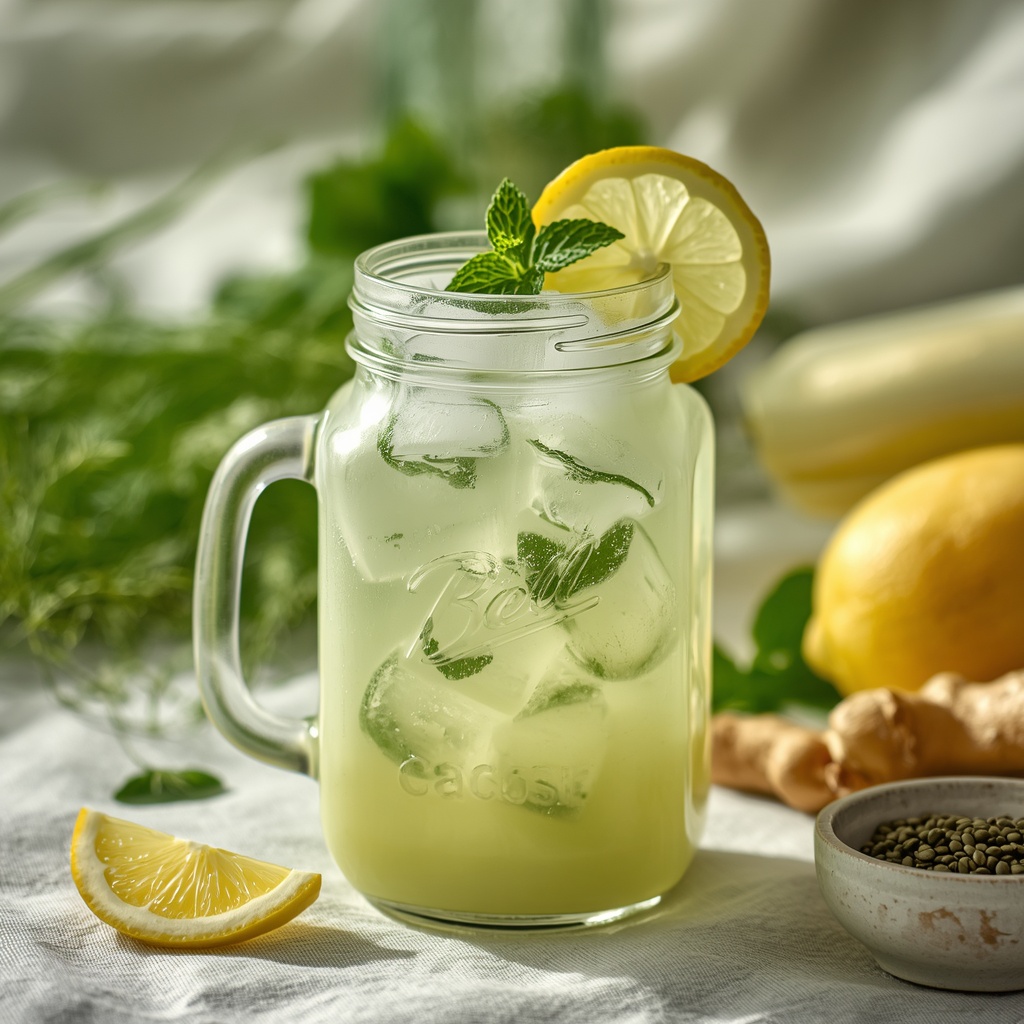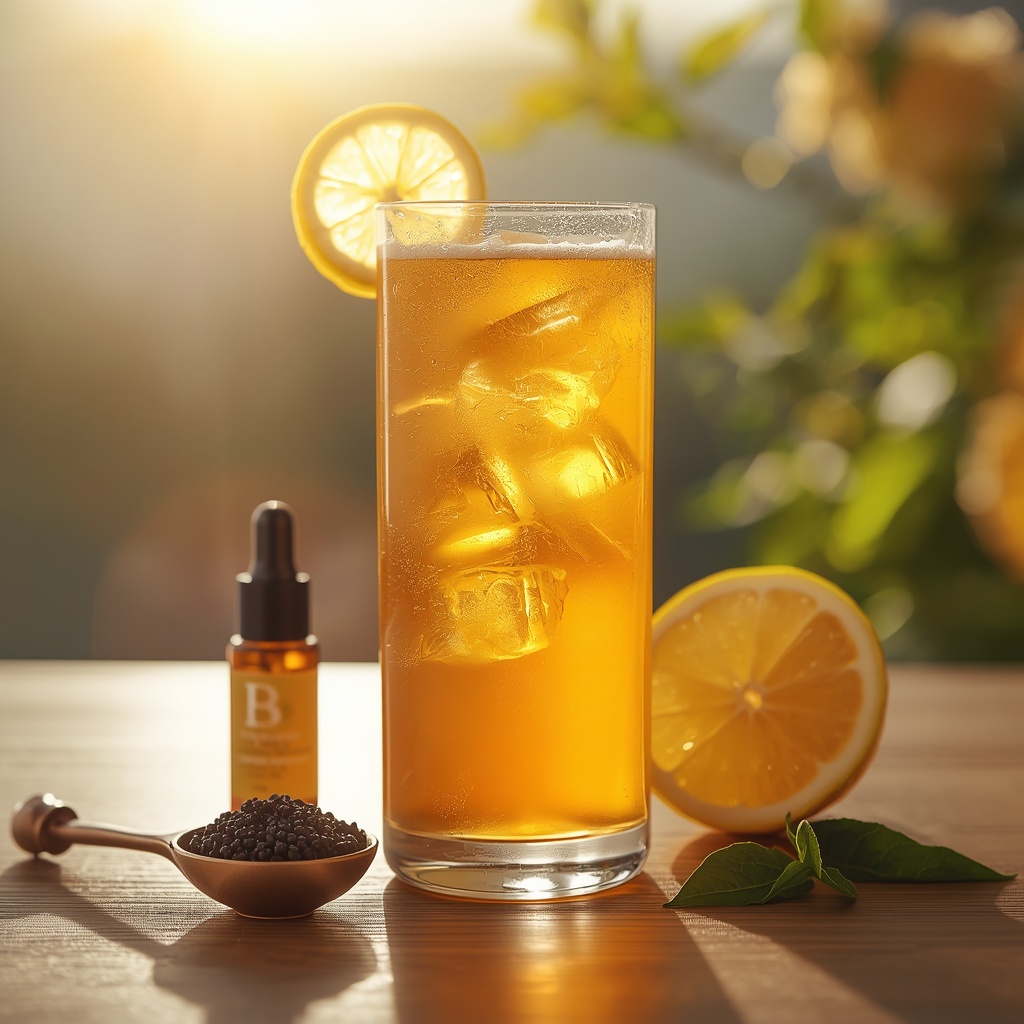
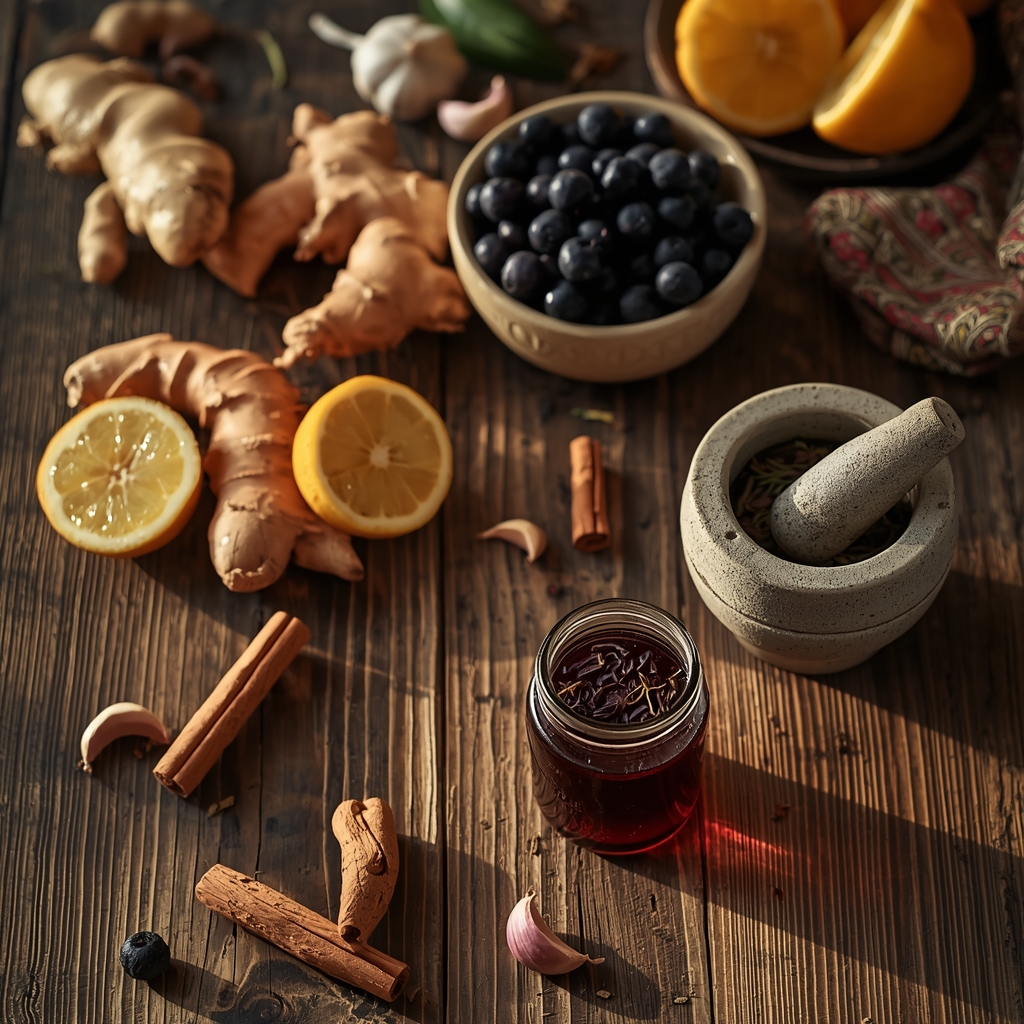
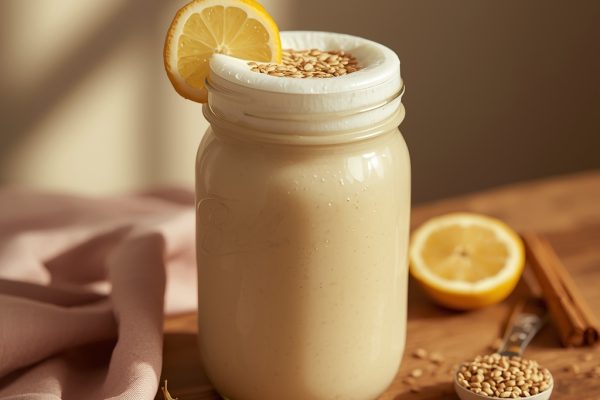
What if the most powerful cholesterol-lowering ritual you could build didn’t come in a pill bottle — but in a creamy, lightly smoky-sweet glass you actually looked forward to every morning?
| ⏱ Prep 8 min | 👥 Serves 1 | 💚 Goal LDL Reduction & Arterial Health | ⭐ Difficulty Intermediate |
Most cholesterol-support strategies target one mechanism. This smoothie targets three simultaneously: fiber-binding via oat beta-glucan, antioxidant protection of LDL particles via black garlic, and direct LDL synthesis suppression via bergamot polyphenols. The result is a cardiovascular tonic that feels indulgent while working hard — and takes under 8 minutes to make.
Why Cholesterol Management Doesn’t Have to Taste Like Medicine
In the sun-bleached villages of Calabria, in the toe of Italy’s boot, something quietly remarkable has been happening for centuries. Locals there have long made use of bergamot — a small, intensely aromatic citrus fruit almost unknown outside the region — not just in their famous Earl Grey tea exports, but as a daily food and drink. What they couldn’t explain scientifically, their bodies seemed to know intuitively: bergamot made them feel better, sharper, lighter.
Then, in the early 2000s, Italian researchers started asking why. What they found stopped the cardiology world in its tracks: the polyphenols in bergamot — compounds called brutieridin and melitidin — were functioning like natural statins, inhibiting the very enzyme (HMG-CoA reductase) that drives LDL cholesterol production in the liver. A tradition that had existed for generations was, all along, a pharmacological phenomenon.
The Satin Artery Smoothie was built on that discovery — and expanded it. To the bergamot base, we layered oat beta-glucan (the gold-standard dietary fiber with an FDA-approved heart health claim) and aged black garlic (whose SAC compound independently blocks the same LDL-production pathway). Three mechanisms, one glass, every morning. Mediterranean science, made drinkable.
Why This Smoothie Works: A Three-Front Attack on LDL
High LDL cholesterol is a multifactorial problem — which is why single-ingredient approaches often produce modest results. This smoothie addresses the LDL problem through three distinct and complementary biological pathways.
Oat Beta-Glucan — The Bile Acid Trap
Beta-glucan is a soluble fiber naturally found in oats that forms a thick, viscous gel in the small intestine. This gel physically traps cholesterol-rich bile acids, preventing their reabsorption. Faced with a shortage of bile acids, the liver is forced to pull LDL-C from the bloodstream to synthesize new ones. The FDA allows a qualified heart health claim for ≥3 g/day of oat beta-glucan — one of only a handful of dietary ingredients to achieve this status. A comprehensive meta-analysis (PMID 26690472) confirmed an average LDL reduction of 5–10% with consistent use.
Bergamot Polyphenols — Nature’s Statin
Brutieridin and melitidin — unique to bergamot fruit — are the only known dietary polyphenols with a structure that mirrors statin drugs, allowing them to inhibit HMG-CoA reductase, the liver enzyme responsible for producing LDL cholesterol. This is not an indirect effect. This is the same target as pharmaceutical statins, hit by a naturally occurring food compound. A 2019 randomized controlled trial (PMID 31557985) found that 500 mg of bergamot extract reduced LDL cholesterol by 23% over 30 days.
Black Garlic & Ground Flaxseed — Dual LDL Oxidation Defense
Aged black garlic contains significantly higher concentrations of S-allylcysteine (SAC) than raw garlic. SAC independently inhibits HMG-CoA reductase and reduces LDL oxidation — the process by which LDL particles become the dangerous, artery-damaging form (PMID 32455444). Ground golden flaxseed contributes alpha-linolenic acid (ALA) and secoisolariciresinol diglucoside (SDG), lignans that meta-analyses show reduce LDL-C by up to 10% and significantly decrease oxidized LDL levels (PMID 29228348). Finally, lemon juice’s hesperidin and vitamin C protect LDL particles from further oxidation and support endothelial function (PMID 19168000).
| 💡 Did You Know?Bergamot grows almost exclusively in a 100 km strip along the Calabrian coast in southern Italy. For centuries, locals consumed it as a juice and condiment — and Calabria has historically had one of the lowest rates of cardiovascular disease in Europe. Researchers now believe this is more than a coincidence. |
Recipe: Satin Artery Smoothie
| ⏱ Prep 8 min | 👥 Serves 1 | 💚 Goal LDL Reduction & Arterial Health | ⭐ Difficulty Intermediate |
Ingredients
| Ingredient | Amount | Health Role | Where to Find |
| Oat beta-glucan powder | 1 tbsp (3 g) | Binds bile acids → reduces LDL reabsorption (FDA-approved claim) | Amazon / Whole Foods |
| Ground golden flaxseed | 1 tbsp | ALA omega-3 + lignans → reduce LDL & oxidized LDL | Walmart / Trader Joe’s |
| Black garlic (mashed) | 1 clove | SAC inhibits HMG-CoA reductase → lowers total & LDL cholesterol | Whole Foods / Amazon |
| Bergamot juice powder | ½ tsp | Brutieridin & melitidin mimic statin mechanism — clinically validated | Amazon |
| Unsweetened oat milk | 8 oz (240 ml) | Extra beta-glucan delivery + creamy base | Walmart / Trader Joe’s |
| Fresh lemon juice | 1 tbsp | Vitamin C protects LDL particles from oxidation | Any grocery store |
| Liquid monk fruit sweetener | 1–2 drops | Zero glycemic impact — optional | Amazon / Whole Foods |
| Ceylon cinnamon | ¼ tsp | Supports glycemic control; enhances flavor | Any grocery store |
💰 Estimated cost per serving: $7–9 (black garlic & bergamot powder are specialty items but last several weeks)
✅ Consistency check: Zero added sugar, zero sodium, zero saturated fat — every ingredient actively contributes to LDL reduction or arterial protection.
Instructions
- 1. Add oat milk to your blender. Mash the black garlic clove into a smooth paste with the back of a spoon, then add to the blender.
💡 Tip: Mashing the garlic thoroughly eliminates any lumps and ensures even distribution of SAC throughout the drink.
- 2. Add oat beta-glucan powder, ground flaxseed, bergamot juice powder, fresh lemon juice, and Ceylon cinnamon.
- 3. Blend on high for 45 seconds until completely smooth, creamy, and uniform in color.
- 4. Taste and add 1–2 drops of liquid monk fruit sweetener if desired. Blend briefly to incorporate.
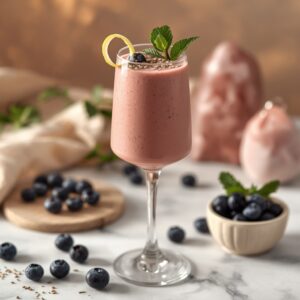
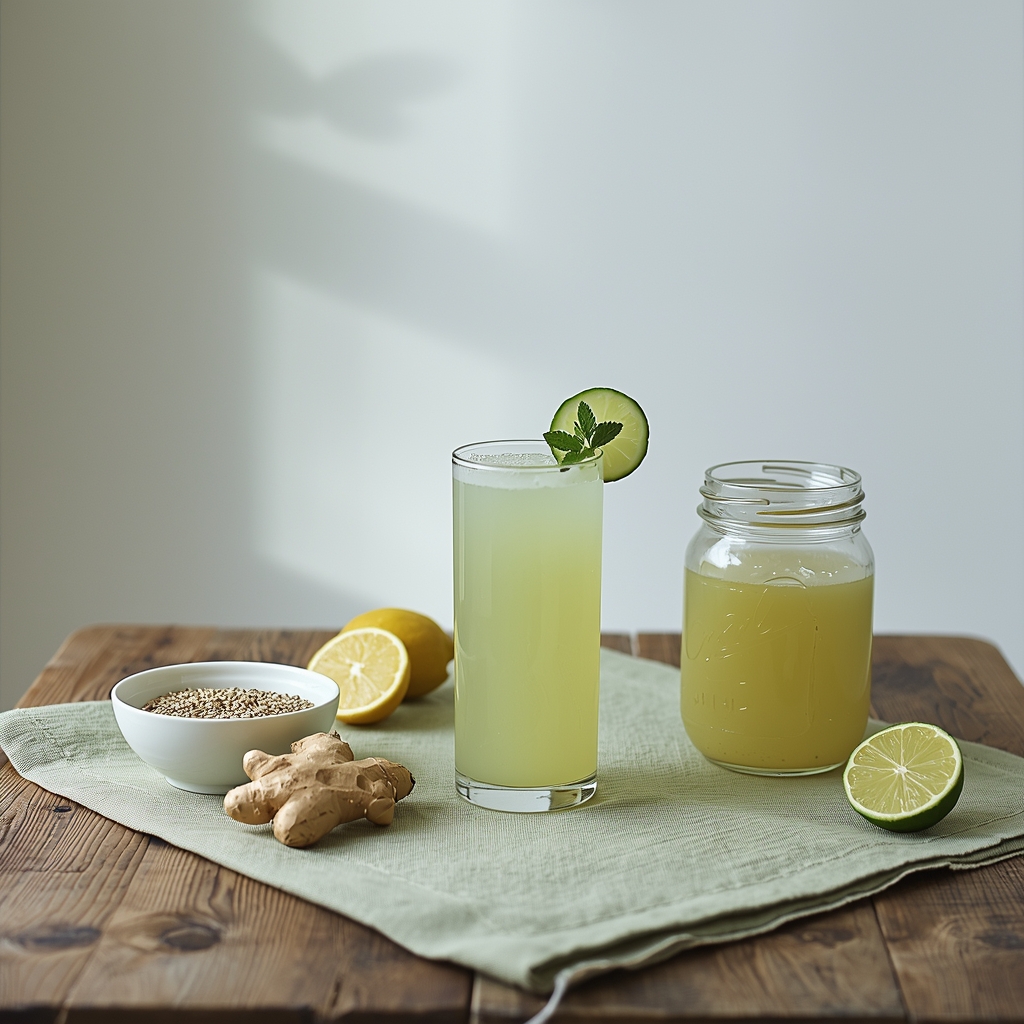
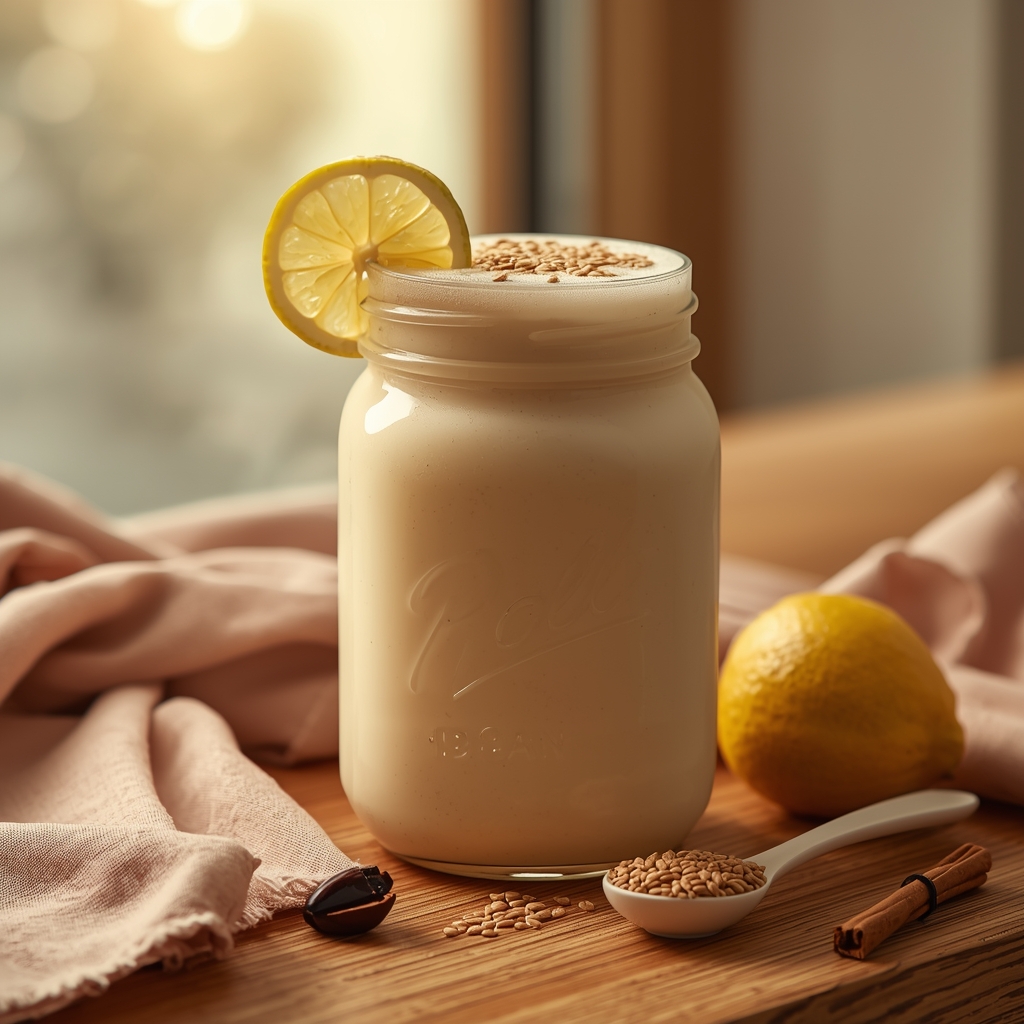
- 5. Pour into a wide-mouth 16 oz mason jar over ice (optional). Garnish with a sprinkle of golden flaxseed on the foam and one thin lemon wheel on the rim. Serve immediately.
⏱ Time-saving tip: Pre-measure dry ingredients (beta-glucan, flaxseed, bergamot, cinnamon) into small zip-lock bags for a full week — your morning blend will take under 2 minutes.
Customizations & Variations
| 🌿 Sugar-Free | Already sugar-free — omit monk fruit entirely for zero sweetener |
| 🥛 Vegan | Fully vegan as written — oat milk base, no animal products |
| ❄️ Cold Version | Blend cold over ice for a summer creamy smoothie |
| 🌡️ Warm Version | Warm oat milk to 140°F max before blending — a comforting winter tonic (do not boil: preserves beta-glucan viscosity) |
| 💪 Boosted Version | Add ½ tsp red yeast rice powder (contains monacolin K — consult physician first) |
Try this smoothie for 4 consecutive mornings and notice how your body feels — calmer digestion, lighter energy, and a quiet sense of doing something genuinely good for your heart. Small daily rituals are where lasting change lives.
📌 Save this recipe on Pinterest for later — and share it with someone who’s managing their cholesterol the hard way.
| ⚠️ Medical DisclaimerThis article is for informational purposes only and does not constitute medical advice. It is NOT intended to diagnose, treat, cure, or prevent any disease. Scientific references cited reflect current research and do not constitute medical advice. Always consult your physician before making changes to your diet, especially if you are managing a chronic condition or taking medications such as statins or blood thinners. |