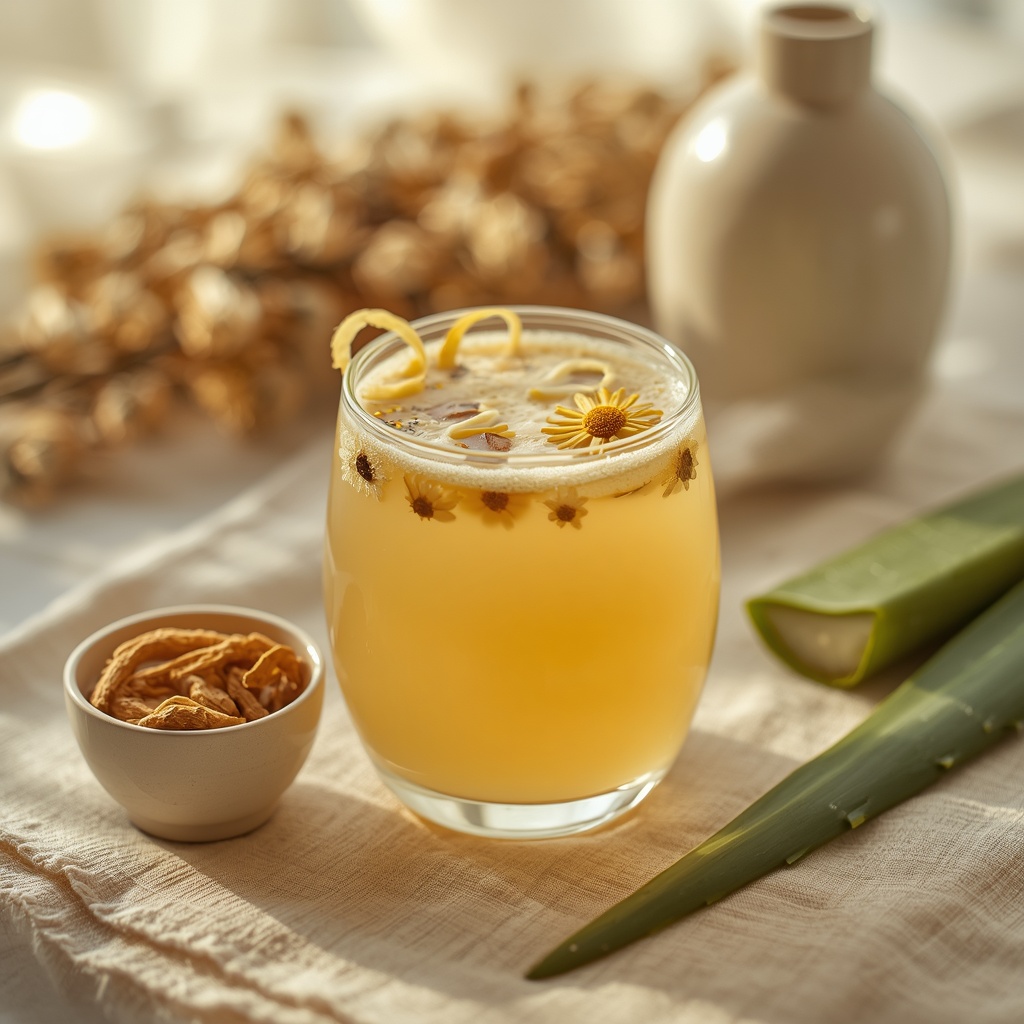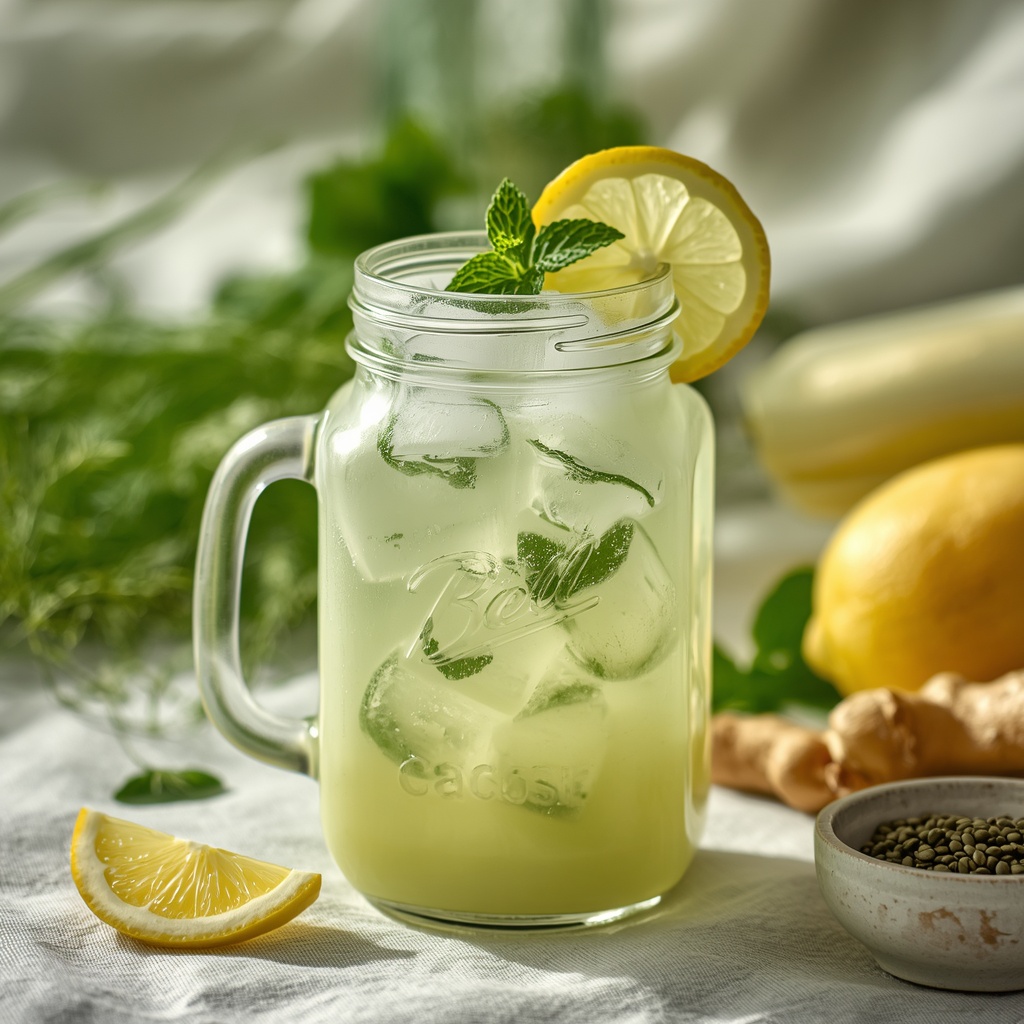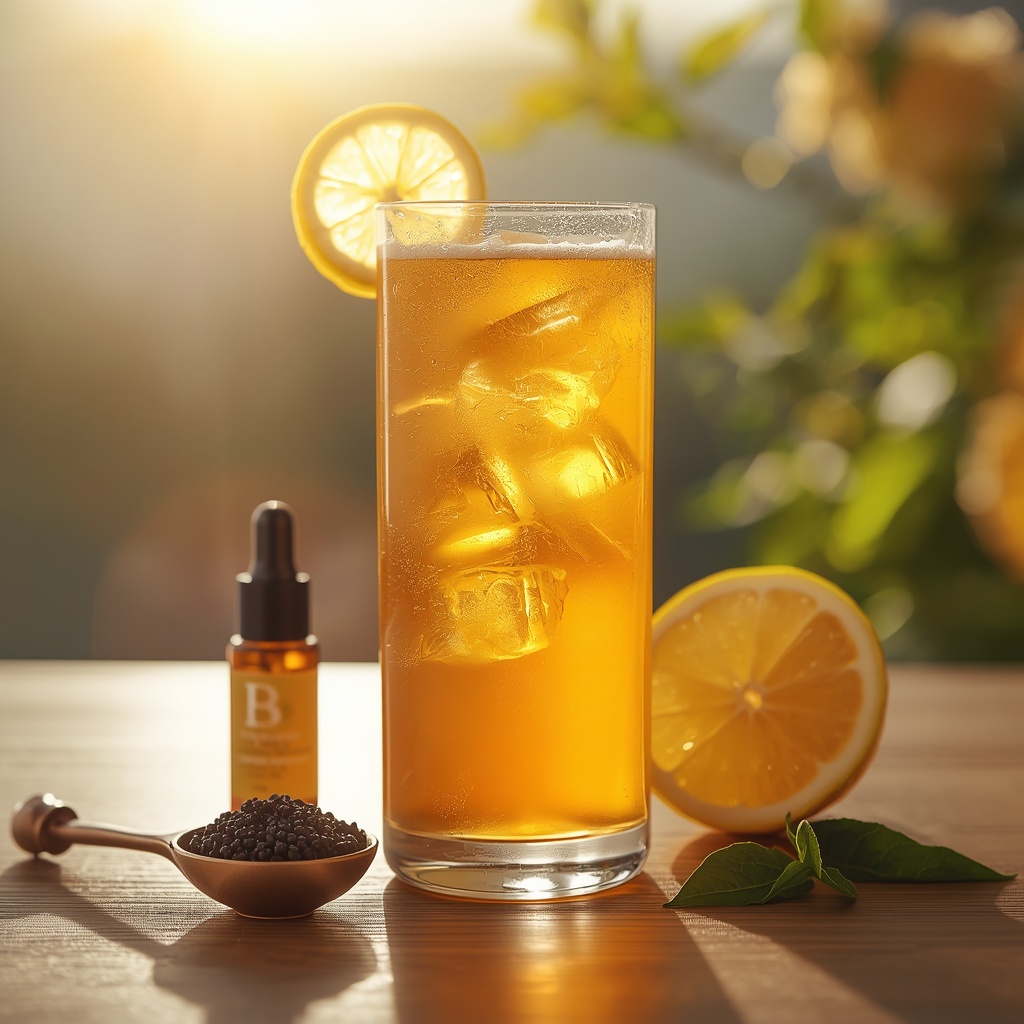

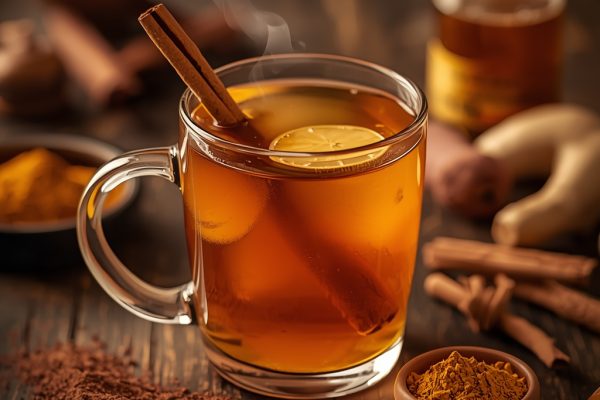
What if every meal came with a built-in defense against blood sugar spikes? This warm golden tonic is your pre-dinner ritual — and the science behind it is hard to ignore.
| ⏱ Prep 8 min | 👥 Serves 1 | 💚 Goal Blood Sugar Balance | ⭐ Difficulty Intermediate |
The Ancient Wisdom Behind Modern Blood Sugar Science
Fenugreek seeds have been found in the tomb of Tutankhamun — ancient Egyptians used them as both food and medicine. In Ayurvedic practice, fenugreek was the go-to remedy for excessive thirst and frequent urination, two of the oldest recorded symptoms of what we now call diabetes. Meanwhile, cinnamon was traded along the Silk Road not just as a spice, but as a therapeutic agent prescribed by Persian physicians for digestive imbalances.
For centuries, traditional healers in India, Egypt, and the Middle East unknowingly assembled what modern clinical research now validates: a botanical synergy capable of modulating post-meal glucose at multiple biological levels — before a single pharmaceutical was ever synthesized.
The Golden Gate Tonic brings this ancient triad — cinnamon, fenugreek, and acidic compounds from apple cider vinegar, into your modern kitchen. Eight minutes. One mug. And a mechanism backed by peer-reviewed RCTs.
Why This Tonic Works (According to Science)
Every ingredient in this tonic was selected for one reason: documented, measurable impact on blood sugar metabolism. Here’s what happens inside your body when you drink this before a meal.
Ceylon Cinnamon
Active compounds (cinnamaldehyde, type-A polymers) inhibit pancreatic alpha-amylase and alpha-glucosidase — the very enzymes that break starch into glucose in your gut. A randomized controlled trial published in BMC Complementary & Alternative Medicine showed a 21.2% reduction in glycemia area under the curve (AUC) in participants who consumed Ceylon cinnamon before meals. (Akilen et al., BMC CAM 2014 — PubMed PMID 25249234 — https://pubmed.ncbi.nlm.nih.gov/25249234/)
Fenugreek Seed Powder
Fenugreek’s viscous soluble fiber (galactomannan) physically slows gastric emptying and glucose absorption in the small intestine. Its unique amino acid 4-hydroxyisoleucine (4-OH-Ile) also directly stimulates insulin secretion from pancreatic beta cells. A 14-trial meta-analysis published in Medicina found a significant reduction in HbA1c of −0.88% (P=0.00) in patients supplementing fenugreek. (Neelakantan et al., Medicina 2023 — PMC 9962665 — https://pmc.ncbi.nlm.nih.gov/articles/PMC9962665/)
Apple Cider Vinegar
Acetic acid — ACV’s key compound — inhibits disaccharidase activity in the intestinal brush border, reducing the rate of carbohydrate digestion and blunting post-prandial insulin spikes. A landmark study published in Diabetes Care demonstrated that pre-meal ACV significantly improved post-meal insulin sensitivity in insulin-resistant subjects. (Johnston et al., Diabetes Care 2004 — https://pubmed.ncbi.nlm.nih.gov/15562283/)
Fresh Ginger + Turmeric
Gingerols activate GLUT4 glucose transporters — the cellular gates that allow glucose to enter muscle and fat cells independently of insulin — and enhance insulin receptor signaling. Curcumin from turmeric reduces systemic inflammation and improves insulin receptor sensitivity. (Arablou et al., Int J Food Sci Nutr 2014 — https://pubmed.ncbi.nlm.nih.gov/24490949/)
| 💡 Did You Know? Fenugreek physically slows glucose absorption while cinnamon and ACV independently inhibit digestion enzymes — creating a mechanical + biochemical double-block on post-meal blood sugar spikes. Three separate mechanisms working simultaneously in the same mug. |
Recipe: Golden Gate Tonic
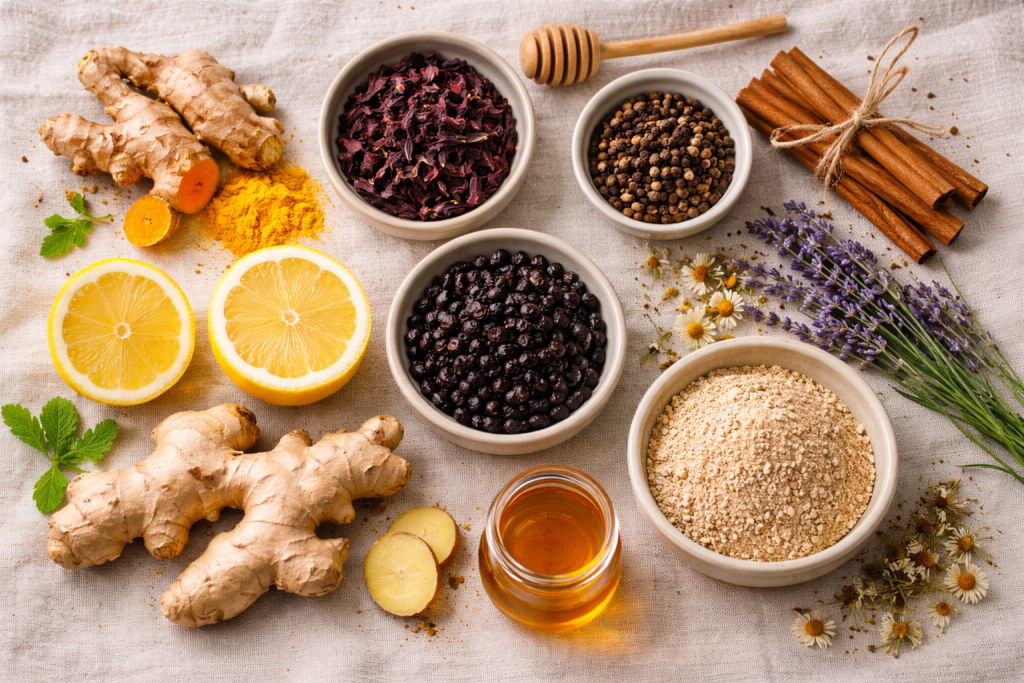
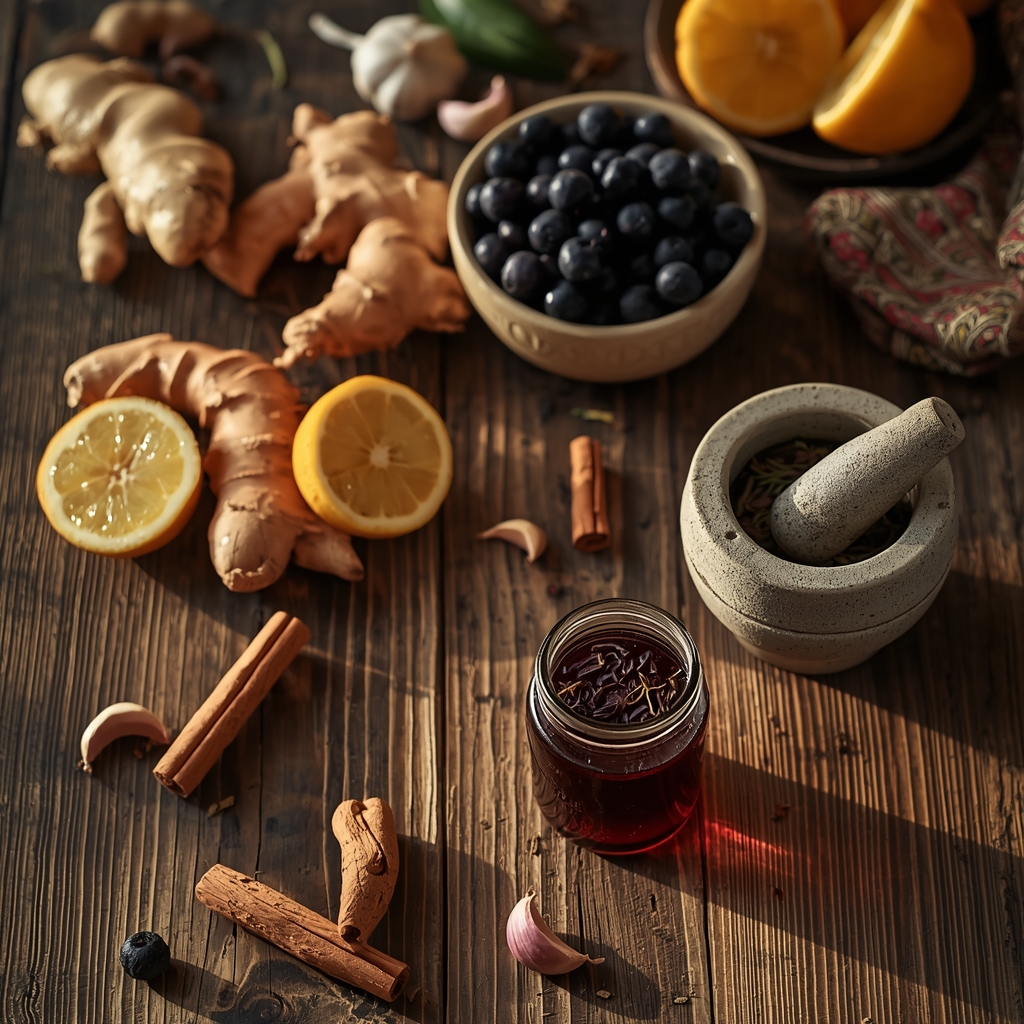
Ingredients
| Ingredient | Amount | Health Role |
| Ceylon cinnamon (ground) | ½ tsp | Alpha-glucosidase inhibition, insulin mimetic |
| Fenugreek seed powder | ½ tsp | Galactomannan fiber → slows glucose absorption |
| Raw apple cider vinegar (with mother) | 1 tbsp | Acetic acid → blunts post-prandial glycemia |
| Fresh ginger, grated | ½ tsp | Gingerols → insulin sensitizer, anti-inflammatory |
| Pure monk fruit extract | 2–3 drops | Zero glycemic index sweetness |
| Turmeric (pinch) | ⅛ tsp | Curcumin → improves insulin receptor signaling |
| Warm water | 10 oz (300 ml) | Base carrier |
💰 Estimated weekly budget: $5–8 | ✅ Zero added sugar | ✅ 100% Type 2 Diabetes compatible
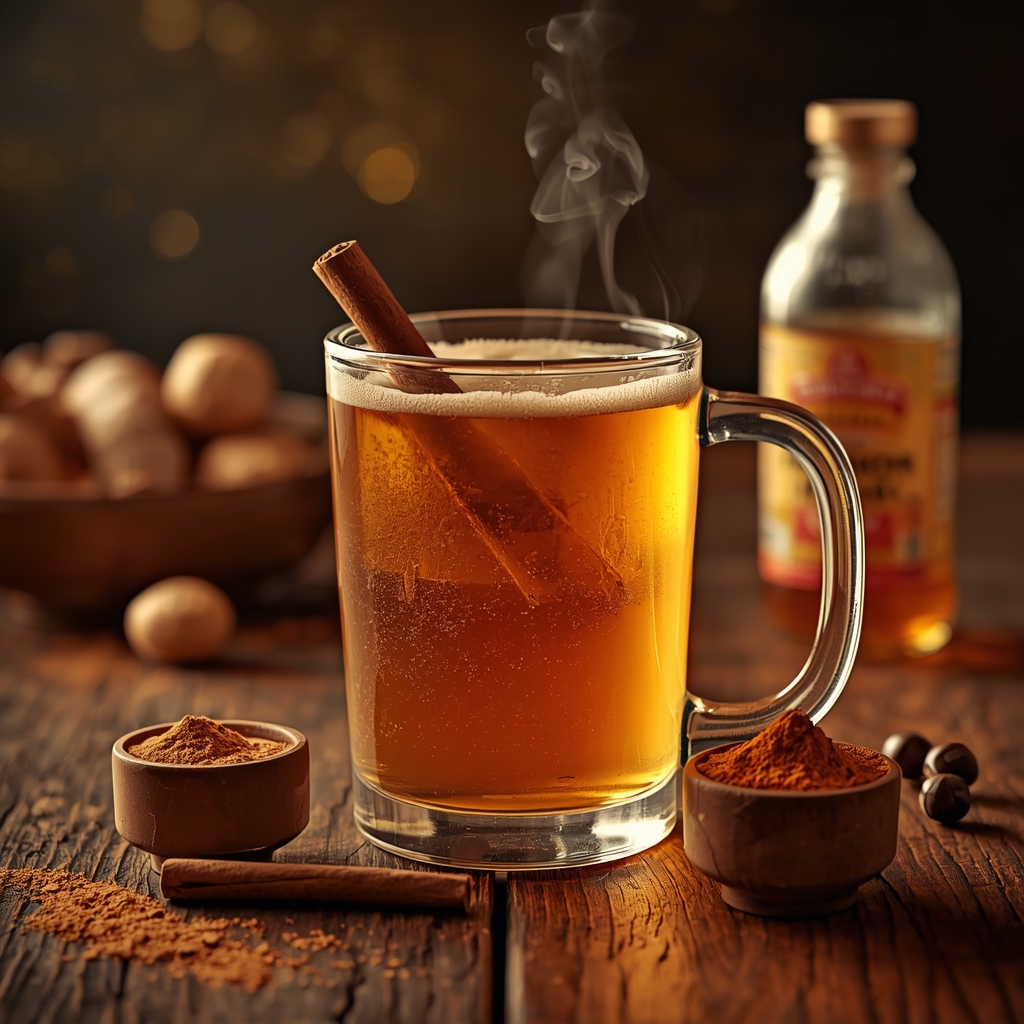
Instructions
- Heat 10 oz of water to 160°F (warm, not boiling — this preserves enzyme activity in the ACV).
Tip: Use a kitchen thermometer for precision, or let boiling water rest for 3 minutes.
- In a mug, whisk together Ceylon cinnamon, fenugreek powder, and turmeric pinch until combined.
- Pour warm water over the spice blend. Stir vigorously for 30 seconds until fully dissolved.
- Add ACV, grated ginger, and monk fruit drops. Stir again.
Tip: Pre-mix a 7-day batch of the dry spice blend (cinnamon + fenugreek + turmeric) in a small jar. Each morning: one scoop, hot water, ACV, done.
- Drink warm 15–20 minutes before your largest meal for maximum blood sugar effect.
Variations
| 🌿 Fully Unsweetened | Omit monk fruit drops — already zero sugar |
| 🥛 100% Vegan | Already plant-based — no substitution needed |
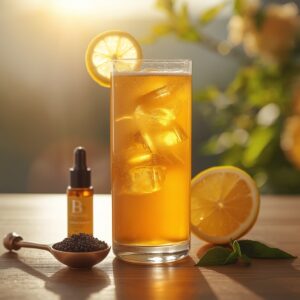
| ❄️ Iced Version | Pour over ice + splash of sparkling water for effervescence |
| 💪 Boosted Version | Add ¼ tsp berberine-standardized goldenseal powder (consult physician first if on metformin) |
Your Pre-Meal Ritual Starts Here
Try this golden tonic tonight — 15 minutes before dinner — and pay attention to how you feel two hours after eating. Your blood sugar response might surprise you.
📌 Save this recipe on Pinterest for later!
👉 You might also love: Hibiscus Blood Pressure Elixir — The Heart Whisperer
👉 Explore all Heart & Metabolic Health recipes on DrinkHealer
| ⚠️ Disclaimer: This article is for informational purposes only and does not constitute medical advice. Always consult a qualified healthcare professional before making dietary changes, especially if you have diabetes or are on medication. Fenugreek may interact with anticoagulants and blood sugar-lowering drugs. Apple cider vinegar may erode tooth enamel — rinse your mouth after drinking. Ceylon cinnamon only — cassia cinnamon contains higher coumarin levels and is not recommended for daily use. |