

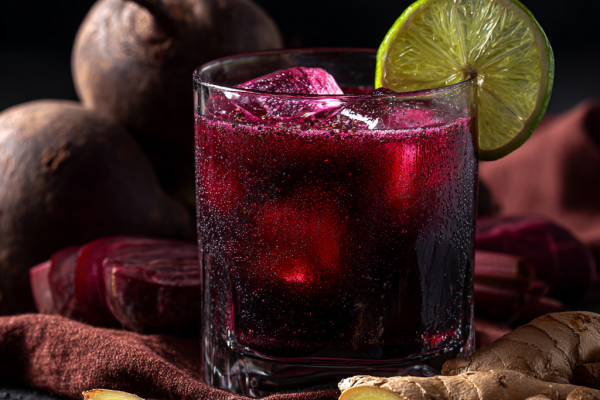
| PREP TIME: 5 minutes | SERVES: 1 serving | GOAL: Metabolism & Energy | DIFFICULTY: Easy |
It started at the 2012 London Olympics.
Sports scientists at the University of Exeter were baffled: athletes who drank concentrated beet juice before competition posted times that simply could not be explained by training alone. The culprit? Dietary nitrates — tiny molecules found in abundance in beetroot — that the human body converts into nitric oxide (NO), a gas that widens blood vessels like a highway expanding from two lanes to six.
The research exploded. Within months, elite cyclists, rowers, and sprinters were chugging beet shots in warm-up tunnels. By 2013, the British Journal of Nutrition had published peer-reviewed evidence confirming what coaches already suspected: beet-derived nitrates measurably reduce blood pressure and improve endurance performance — no prescription needed.
But here is the part most smoothie recipes miss entirely. Beet juice alone leaves a significant portion of its active pigments — the betalains — unabsorbed. You drink them. Your gut partially ignores them. That changes when you add one humble kitchen spice: freshly ground black pepper.
What follows is the science, the synergy, and a dead-simple recipe you can shake together before your next meeting or morning run.
Why This Tonic Works (According to Science)
Beetroot — Nitric Oxide Power
Active compound: dietary nitrates (NO3–). When you drink beet juice, bacteria on your tongue and gut enzymes convert nitrates to nitric oxide. NO signals smooth muscle in blood vessel walls to relax, dramatically increasing blood flow and reducing systemic vascular resistance. The result: lower blood pressure, improved oxygen delivery to working muscles, and measurably better endurance capacity.
Source: British Journal of Nutrition (2013) — peer-reviewed trial confirming blood pressure reduction and performance benefits from dietary nitrate supplementation.
Apple Cider Vinegar — Insulin Sensitivity
Active compound: acetic acid. ACV’s acetic acid slows gastric emptying and blunts the enzyme activity that digests complex carbohydrates, resulting in lower and more gradual blood glucose responses after meals. A landmark study published in Diabetes Care (2004) demonstrated that two tablespoons of ACV before a high-carbohydrate meal improved post-meal insulin sensitivity by up to 34% in insulin-resistant subjects — a finding with direct relevance to metabolic syndrome management.
Black Pepper / Piperine — The Bioavailability Multiplier
Active compound: piperine. Piperine inhibits hepatic and intestinal enzymes (CYP3A4 and P-glycoprotein) that would otherwise metabolize and eliminate active plant compounds before they reach circulation. Research published in Planta Medica shows piperine can increase the bioavailability of co-ingested phytochemicals by up to 20%. In the context of this tonic, piperine amplifies absorption of beet betalains — making each sip more potent than plain beet juice consumed without it.
| 💡 Did You Know?Nitric oxide produced from beet-derived nitrates begins to peak in your bloodstream within 2–3 hours of drinking. Elite athletes time their beet shot intake precisely — roughly 2.5 hours before competition — to hit this nitric oxide window at maximum performance demand. You can do the same for your morning workout or important afternoon meeting. |
Recipe: Beet & Black Pepper Metabolic Surge
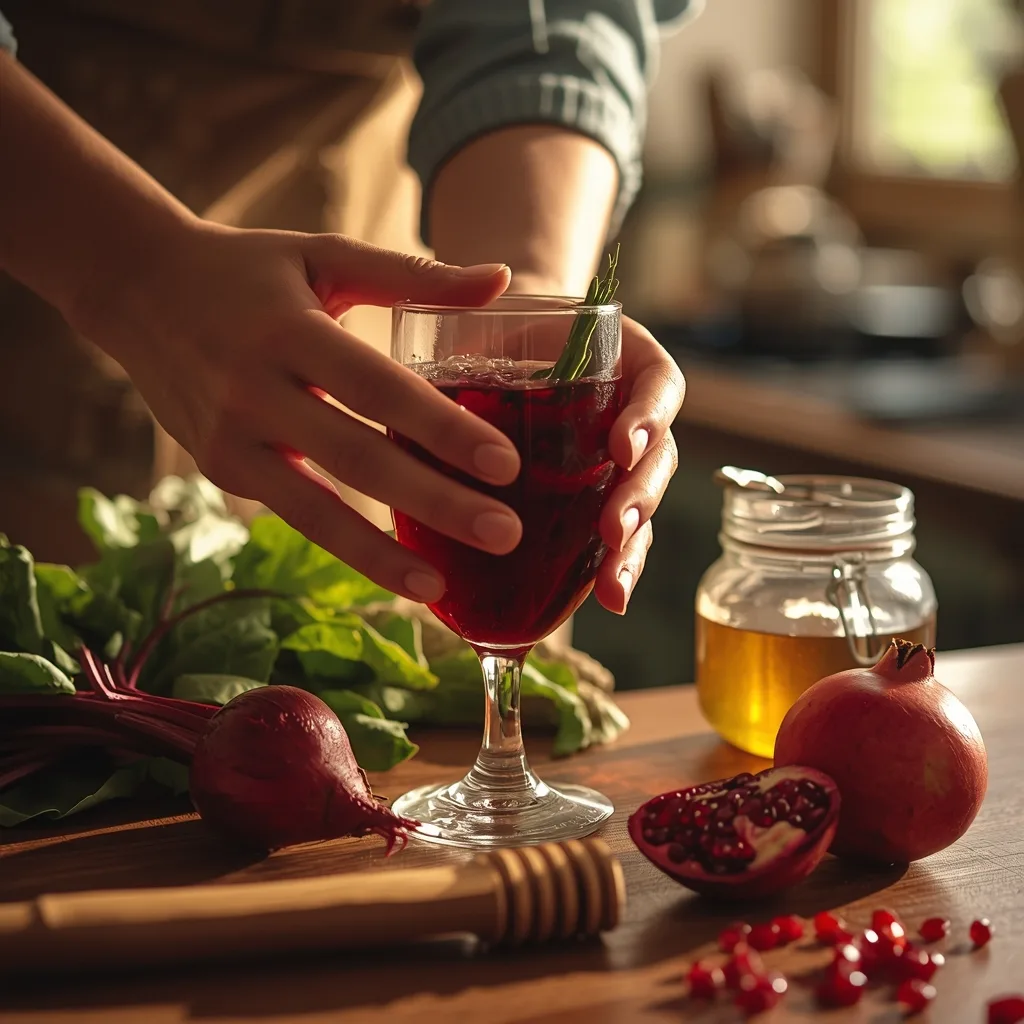
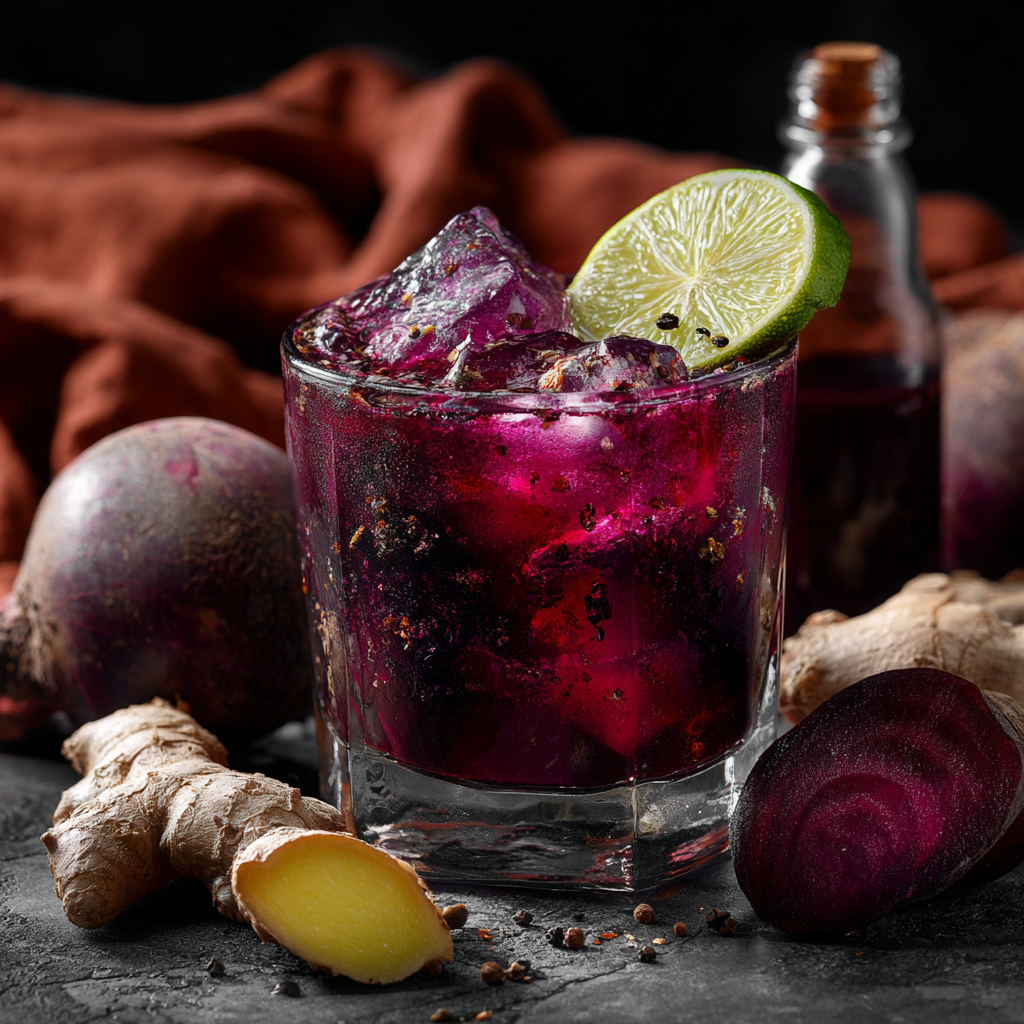
| [ IMAGE ]Alt: beet black pepper tonic ingredients recipeIngredients flat-lay — whole beets, lime, ginger, black pepper mill, coconut water | terracotta napkin, dark background |
| Category | Heart & Metabolic |
| Prep Time | 5 minutes |
| Serves | 1 serving |
| Difficulty | Easy |
| Calories (approx.) | ~60–80 kcal per serving |
Ingredients
- 120 ml cold-pressed beet juice (Whole Foods / Trader Joe’s)
- 1 tbsp apple cider vinegar (ACV) (widely available: grocery stores, Amazon)
- Juice of ½ fresh lime
- 1 generous pinch freshly ground black pepper
- ½ tsp freshly grated ginger
- 100 ml coconut water (Walmart / Amazon — or plain still water for sugar-free version)
Instructions
- Pour beet juice into a shaker or mason jar.
- Add ACV, lime juice, freshly grated ginger, and black pepper.
- Pour in coconut water.
- Seal and shake vigorously for 30 seconds.
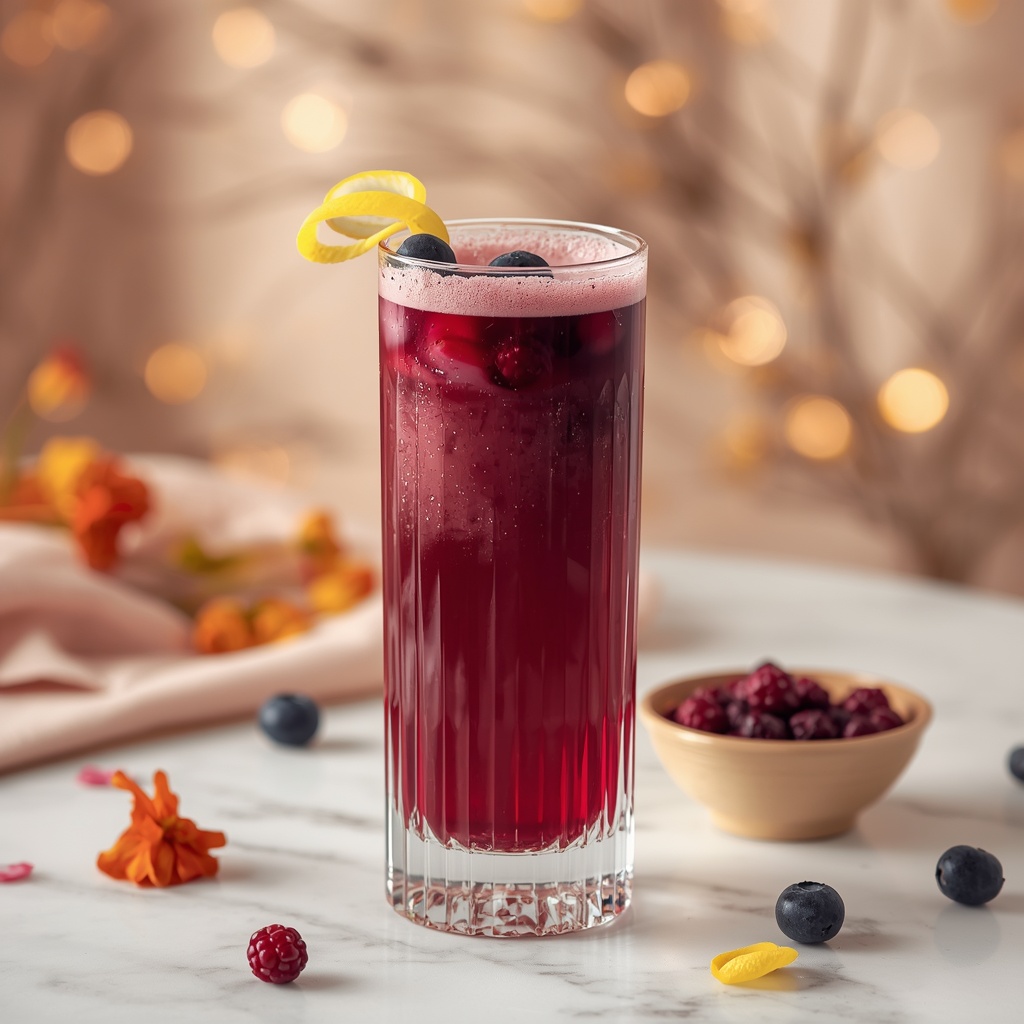
- Serve immediately over ice for a refreshing cold tonic — or gently warm (without boiling) and serve as a morning performance broth. Garnish with a lime slice on the rim and a pinch of freshly cracked pepper.
| ⏱ Time-Saving TipBatch-prepare your beet-ginger base (beet juice + grated ginger) for 3 days ahead and store in an airtight bottle in the fridge. Add ACV, lime, and pepper fresh each morning — 60 seconds from fridge to glass. |
Variations
- Sugar-Free: Replace coconut water with still filtered water. This tonic is already very low in sugar — this swap makes it suitable for strict low-carb and diabetic protocols.
- Already 100% Vegan: No modifications needed.
- Warm Version: Heat gently to around 60°C (140°F) — do not boil, as heat destroys some volatile compounds. Drink as a morning performance broth on cold days.
- Boosted Version (Hormonal & Energy Amplifier): Add ½ tsp maca powder to the shaker before sealing. Maca (Lepidium meyenii) supports sustained energy and hormonal balance, complementing beet’s cardiovascular action.
Ready to Feel the Surge?
Your metabolism does not need another synthetic supplement. It needs the right plant compounds, combined with scientific precision, in a glass you can make in under five minutes. Shake this up tomorrow morning — your blood vessels will thank you before you finish your second sip.
📌 Save This Recipe to Pinterest — Pin the image above to your “Healthy Drinks & Tonics” board so you never lose it. If this tonic helped you, share it with someone managing high blood pressure, low energy, or metabolic syndrome.
👉 Related Article: Discover the Hibiscus Midnight Pressure Drop — another heart-forward tonic with clinical backing for blood pressure reduction. Read the full recipe on DrinkHealer →